Garage Door Installation Services In The Woodlands, TX

Garage Door Not Closing All the Way? Common Causes and What to Check

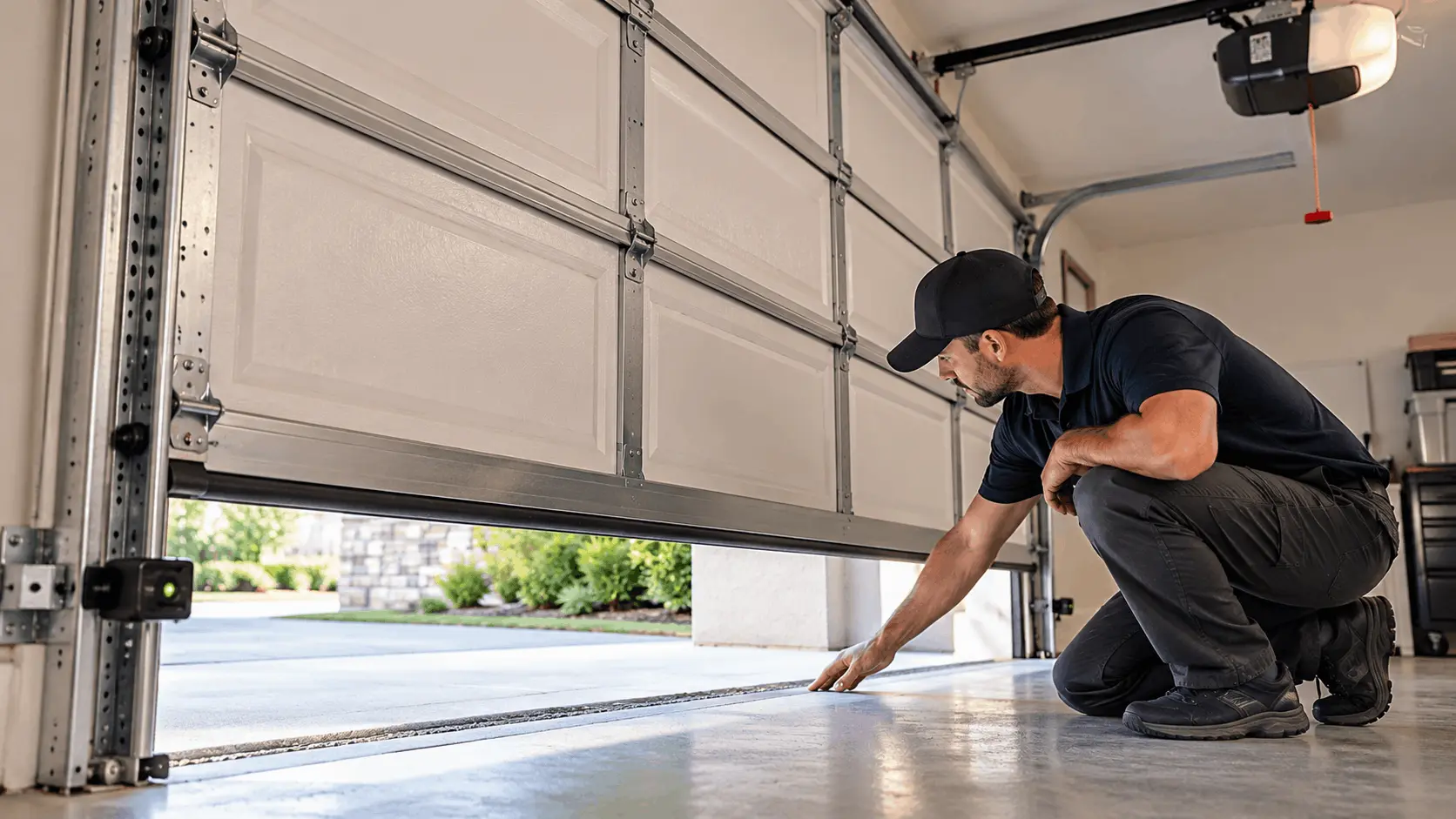
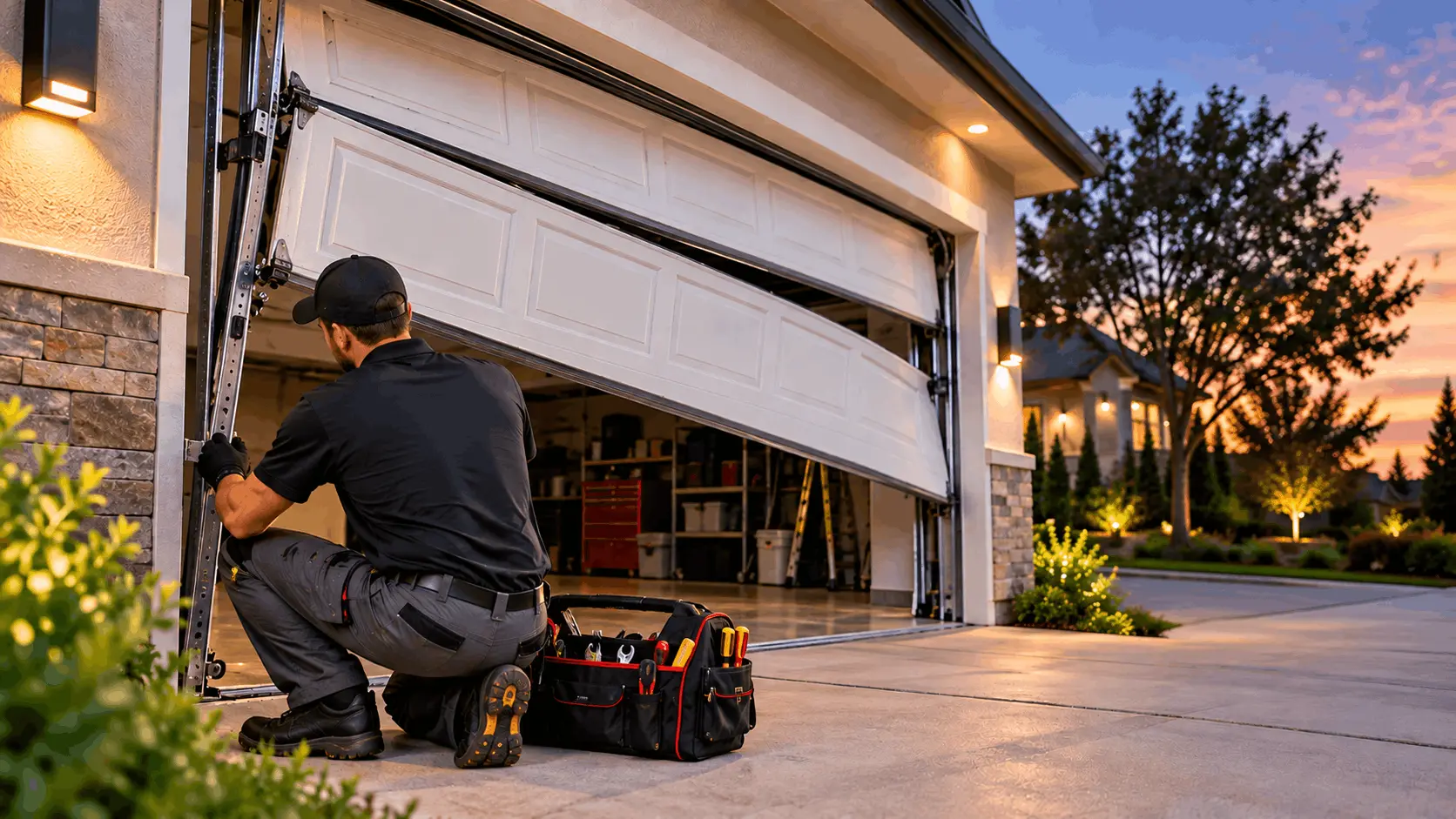
Garage Door Not Closing All the Way? Common Causes and What to Check A garage door that stops before reaching the ground can be frustrating, especially when the opener sounds like it is working normally. You may press the remote again and again, only to watch the door stop several inches above the floor, reverse direction, or close unevenly. When a garage door is not closing all the way, the cause is not always the garage door opener itself. Something as simple as an obstruction near the safety sensors can prevent the door from completing its cycle, while incorrect travel settings, damaged tracks, worn rollers, or a door that is out of balance can create more complicated problems. The good news is that you can safely check a few basic things before calling for professional help. However, mechanical components such as springs and cables should not be adjusted without the proper tools and training. This guide explains why a garage door may stop before fully closing, what you can safely check, and when professional garage door service is the better option. Why Is My Garage Door Not Closing All the Way? A garage door may fail to reach the floor for several reasons. The most common causes include: The symptom itself can provide an important clue. For example, if the door gets almost to the floor and then immediately opens again, the safety sensors or opener settings may need attention. If one side reaches the floor before the other, the problem may involve the door’s mechanical components or alignment. If the door stops at exactly the same position every time, travel-limit settings can also be worth investigating. First, Notice Exactly Where the Door Stops Before adjusting anything, watch one complete closing cycle from a safe position. Does the door: Stop several inches above the floor?This can point toward travel-limit settings, an obstruction, or an opener-related issue. Reach the floor and immediately reverse?Safety sensors, an obstruction, or the opener’s closing settings may be involved. Close unevenly?This can indicate a track, roller, cable, spring, or balance problem. Make unusual sounds while stopping?Grinding, scraping, popping, or straining sounds may indicate a mechanical problem. Stop at a different position each time?Inconsistent stopping can indicate an opener, sensor, or mechanical issue that needs further inspection. Understanding the symptom helps prevent unnecessary adjustments. 1. Check for an Obstruction Near the Garage Door One of the simplest explanations for a door that will not fully close is something in its path. A small object, storage item, piece of debris, or even a vehicle positioned too close to the door can interfere with its movement. Look along the floor where the bottom section meets the concrete. Also check the tracks and the area around the door without touching moving components. If you find an obvious object blocking the doorway, remove it only if you can do so safely while the door is stationary. Do not place your hands underneath a moving garage door or attempt to hold the door open while removing an obstruction. If the doorway is clear but the problem continues, another component may be responsible. 2. Inspect the Garage Door Safety Sensors Safety sensors are located near the bottom of the garage door tracks. They communicate across the doorway and help detect an obstruction while the door is closing. If the sensors are dirty, blocked, or out of alignment, the opener may prevent the door from closing completely. What can you safely check? Look at both sensor lenses and make sure nothing is blocking them. Dust, dirt, storage items, or accidental movement can interfere with their operation. Also check whether the sensors appear to face each other correctly. You should not bypass the sensors or permanently reposition them without understanding the manufacturer’s instructions. They are an important part of the opener’s safety system. If cleaning and checking for obvious obstruction does not solve the problem, the issue may involve alignment, wiring, or another opener component. 3. The Opener’s Travel Limits May Need Attention Garage door openers use travel settings to determine how far the door should move in each direction. If the closing travel limit is incorrect, the opener may stop before the door reaches the floor. This can happen after certain repairs, adjustments, component changes, or problems with the opener itself. The exact adjustment procedure varies by opener manufacturer and model. Some systems use buttons or digital controls, while others use mechanical adjustment points. Because an incorrect adjustment can affect the door’s operation and safety, do not randomly change settings simply to force the door lower. If the door consistently stops at the same point and there is no obvious obstruction, a professional can determine whether the travel setting is actually the cause. 4. Close-Force Settings Could Be Involved Some garage door openers use force settings to control how much force the motor applies while opening or closing. If the opener detects resistance while closing, it may stop or reverse rather than continuing toward the floor. This is an important safety function, so increasing the force simply to make the door close can be the wrong approach. Excessive resistance may indicate a mechanical problem with the door rather than a setting that needs to be increased. If your garage door suddenly starts stopping before closing after previously operating normally, have the system inspected rather than immediately increasing the closing force. 5. Damaged or Obstructed Garage Door Tracks The tracks guide the rollers as the garage door moves. If a track is bent, dirty, obstructed, or damaged, the door may have difficulty completing its closing cycle. You may notice: Do not attempt to straighten a heavily bent track while the door is under tension. A track problem can affect more than the door’s closing position. Continued operation may put additional stress on rollers, hinges, cables, springs, and the opener. If the track appears damaged, stop using the door and arrange a professional inspection. 6. Worn Rollers or Hinges Can Prevent Full Closure Garage door
Read More

When Do You Need Emergency Garage Door Repair in The Woodlands, TX?

When Do You Need Emergency Garage Door Repair in The Woodlands, TX? A garage door that suddenly stops working can disrupt your day, prevent vehicle access, or leave your property exposed. But not every malfunction requires an emergency repair call. Knowing the difference between an urgent safety issue and a problem that can wait until a scheduled appointment helps you make the right decision. Emergency garage door repair in The Woodlands, TX, is generally necessary when a malfunction creates an immediate safety risk, leaves a property unsecured, or prevents essential access. A door hanging off its tracks, a broken spring that makes the door unsafe to operate, or a garage door stuck open when it cannot be secured are examples that may require urgent attention. Other issues, such as a remote control with a dead battery or minor operating noise, may not need emergency service if the door remains safe and secure. For residential and commercial properties, the urgency depends on the door’s condition, the risk to people, and the impact on access or security. This guide explains how to recognize a true garage door emergency, what to do when one occurs, and when to contact a professional. If your garage door has stopped working in The Woodlands, TX, these practical steps can help you respond safely. What Qualifies as a True Garage Door Emergency? A garage door problem becomes an emergency when waiting could expose people to harm, leave the property vulnerable, or create a serious access problem. The most important factors are the door’s position, its mechanical condition, and whether it can be operated safely. For example, a garage door that is stuck open may leave the garage accessible from outside. A door that has come off its tracks may be unstable and could move unexpectedly. A broken spring can make a door extremely heavy, increasing the risk of injury or further damage if someone attempts to lift it. A garage door that is stuck closed may also require urgent attention if it traps a vehicle needed for an essential journey or blocks access to an important area. Emergency vs. Non-Emergency Garage Door Problems Garage door issue Typical urgency What to do Door stuck open and property cannot be secured Emergency Keep clear of damaged components and request urgent service Door hanging off its tracks or visibly unstable Emergency Stop operating the door and keep people away Broken spring or snapped cable Urgent safety issue Do not operate the door; arrange professional inspection Door stuck closed with an essential vehicle trapped Situation-dependent Request prompt assistance Opener not responding while the door remains securely closed Often non-emergency Check basic controls and arrange repair Minor noise without other warning signs Usually routine Schedule an inspection if the noise persists These are general guidelines rather than a diagnosis. If the door appears unstable, is moving unpredictably, or has damaged components, treat the situation cautiously. 1. Garage Door Stuck Open: When Security Cannot Wait A garage door that will not close is one of the most common reasons to request emergency garage door repair. When a door remains open, it may expose vehicles, tools, stored belongings, and access points to the rest of the property. For attached garages, an unsecured garage may also create a route into the residential property. At a commercial facility, an open garage door may leave a service entrance, storage area, or vehicle bay unsecured outside operating hours. What causes a garage door to stay open? Several problems can prevent a garage door from closing properly, including: If the door is stable and there are no signs of mechanical damage, you can check for an obvious obstruction near the doorway or inspect the sensor area according to the manufacturer’s instructions. Do not bypass the safety sensors or repeatedly force the door to close. When it becomes an emergency: If the door cannot be secured, is visibly damaged, or poses a safety concern, contact an emergency garage door repair service. 2. Broken Garage Door Spring: Why You Should Stop Using the Door Garage door springs help counterbalance the door’s weight, allowing the opener to move it. When a spring breaks, the door may become extremely heavy or stop operating altogether. A broken garage door spring may produce a loud bang, leave a visible gap in a torsion spring, or cause the door to lift only a few inches before stopping. Why a broken spring is more than an inconvenience An opener is not designed to compensate for every spring failure. Attempting to operate the door can strain the opener and other components. Trying to lift the door manually can also be dangerous because its weight may no longer be properly balanced. Never attempt to wind, loosen, or replace a garage door spring yourself. Springs store substantial mechanical energy and can cause severe injuries. If the door is stuck closed and an essential vehicle is trapped, or if the door is left in an unsafe position, request urgent professional assistance. What to do: Keep people away from the door, avoid using the opener, and arrange a professional inspection. Learn more about our garage door repair services if your door has a broken spring or another mechanical problem. 3. Garage Door Off Track: A Serious Safety Warning Garage door tracks guide the rollers as the door moves. When a door comes off its tracks, it may hang at an angle, become stuck halfway open, or move unevenly. This can happen because of impact damage, worn rollers, cable problems, damaged tracks, or other mechanical failures. An off-track garage door should not be treated as a minor alignment issue. The door may be unstable, and its weight may no longer be supported evenly. Signs your garage door may be off track Look for visible gaps between rollers and tracks, a door that sits unevenly, bent track sections, or cables that appear loose. If you notice these signs, stop operating the door immediately. Do not attempt to push the door back into position,

Read More

Smart Garage Door Opener Features Compared: Which Ones Are Worth Paying For?

A garage door opener does more than raise and lower a garage door. Modern systems can connect to your smartphone, send real-time notifications, close the door automatically, and integrate with compatible smart home devices. However, not every upgrade offers the same practical value. Understanding smart garage door opener features before purchasing a new system can help you avoid paying for technology you may rarely use. Some features improve everyday convenience, while others provide useful security alerts or help maintain access during a power outage. Premium options, such as built-in cameras and advanced home automation, may be worthwhile depending on how the garage is used. For residential and commercial properties in The Woodlands, TX, choosing the right opener also means considering garage layout, noise levels, Wi-Fi coverage, door size, and how frequently the door operates. This guide compares the most common smart opener features, explains their benefits and limitations, and helps you decide which upgrades deserve a place in your budget. What Are Smart Garage Door Opener Features? Smart garage door opener features are technologies that allow an opener to communicate with a smartphone, home network, or compatible smart home devices. Depending on the model, these features may let you check your garage door’s status, operate it remotely, receive activity alerts, create schedules, or view a live camera feed. Traditional openers primarily rely on a wall button, remote control, or wireless keypad. A smart garage door opener adds connected functions without eliminating the need for reliable mechanical operation and safety equipment. Some openers include Wi-Fi connectivity and app control as standard features. Others require a compatible smart garage door controller that connects to an existing opener. Available functions vary by manufacturer, model, app, and subscription plan. The important distinction is that smart connectivity improves how you monitor and control your garage door, but it does not automatically make the door’s mechanical system safer or more reliable. The opener, door hardware, safety sensors, and installation all matter. Smart Garage Door Opener Features Compared at a Glance Before choosing a premium opener, compare what each feature actually does and whether it solves a problem you experience. Feature Main benefit Worth paying for? Built-in Wi-Fi and smartphone app Remote access and door-status monitoring High priority Real-time alerts Notifications when the door opens, closes, or stays open High priority Automatic closing Closes the door after a set period High priority for many properties Battery backup Allows operation during certain power outages High priority where outages are a concern Rolling-code security Helps protect against copied or replayed remote signals Essential security baseline Smart home integration Connects the opener with compatible devices and routines Depends on your setup Built-in camera Allows visual monitoring of the garage Optional Voice control Hands-free operation through compatible assistants Optional Guest access and activity history Helps manage access and review activity Useful for some properties Premium lighting Improves visibility inside the garage Depends on existing lighting The practical takeaway: Start with dependable operation, safety, reliable connectivity, useful alerts, and backup access. Consider cameras, voice commands, and advanced automation after those needs are covered. 1. Built-In Wi-Fi and Smartphone App Control Built-in Wi-Fi is one of the defining smart garage door opener features. It connects a compatible opener to your network and allows you to use the manufacturer’s app to monitor or operate the door remotely. For example, you could check whether the garage door is closed after leaving a property, open it for an expected visitor, or confirm its status while away. These functions can be particularly helpful when the garage is a primary entrance to a residential property or a regularly used access point at a commercial facility. Why Wi-Fi connectivity is worth considering Smartphone control can reduce the uncertainty of not knowing whether you closed the garage door. It can also make access management easier when multiple authorized users need to access the garage. However, remote access depends on several things working together: the opener, its connected service, your internet connection, and the manufacturer’s app. If your Wi-Fi or internet connection goes down, remote app functions may become unavailable. Before buying, check whether the opener has built-in Wi-Fi or requires an additional controller. Confirm that the app supports the functions you want and whether any of them require a paid subscription. Worth paying for? Usually, yes, if you regularly want to monitor or control your garage while away. If you only use a wall button and remote, a connected opener may offer less day-to-day value. 2. Real-Time Garage Door Alerts A smart opener can send notifications when the garage door opens or closes. Depending on the model and app, you may also receive alerts when the door remains open beyond a specified period or when an unexpected operation is detected. These notifications add visibility to a part of the property that may otherwise be out of sight. When are garage door alerts useful? Imagine leaving a residential property and receiving a notification that the garage door is still open. Instead of wondering about its status throughout the day, you can check the app and take action if your system supports remote closing. For commercial properties, activity notifications may help authorized users stay informed about garage access outside normal operating hours. However, notifications should complement—not replace—appropriate access controls and security procedures. Keep in mind that an alert is not the same as a complete security system. Notifications depend on connectivity and correct system configuration, and an opener’s activity history may not identify the person operating the door. Worth paying for? Yes, particularly if you frequently leave the property, use the garage as a main entrance, or want better awareness of garage activity. Check whether the alert types you need are included without an additional subscription. 3. Automatic Closing and Scheduled Operation Automatic closing, sometimes called a timer-to-close feature, can close the garage door after a selected period. Some systems also support schedules or location-based automations through compatible apps and devices. This feature addresses a common concern: forgetting to close the

Read More

Noisy Garage Door Opener? Causes, Repairs, and When to Call a Technician

If your garage door opener has gone from a quiet hum to a grinding, squealing, or rattling racket every time you pull in or out of the driveway, you’re not imagining things and you’re not alone. A noisy garage door opener is one of the most common complaints homeowners in The Woodlands, Conroe, Spring, and the greater Houston area bring to us, and it’s rarely just an annoyance. In most cases, that noise is your opener telling you something specific is wearing out, loosening up, or falling out of alignment. The good news: most causes of a noisy garage door are easy to diagnose once you know what to listen for, and several of them are simple DIY fixes. Others, especially anything involving the opener’s motor, gears, or the door’s springs are best left to a local garage door opener repair technician. This guide walks through what’s actually causing your garage door opener making noise, what you can safely try yourself, and when it’s time to call for professional garage door opener repair. Is Some Garage Door Noise Normal? Yes, to a point. Garage doors are the largest moving object in most homes, built from heavy panels, steel tracks, springs under real tension, and a motor doing repetitive mechanical work. A light hum from the motor or a faint rolling sound as the door travels the track is completely normal. What’s not normal is a sudden change in volume or tone: grinding, screeching, banging, popping, or a loud garage door opener that wasn’t loud a few months ago. That shift is the signal worth paying attention to, since garage door systems tend to wear gradually and a noise that shows up out of nowhere usually means a part has crossed from “worn” to “needs attention now.” Common Causes of a Noisy Garage Door Opener Different noises point to different problems. Here’s how to translate what you’re hearing into what’s actually going on. 1. Lack of Lubrication (Squeaking or Squealing) This is by far the most common cause of a noisy garage door opener, and the easiest to fix. Every time the door cycles, metal rollers, hinges, and the track surface rub against each other. Once factory lubrication wears off, that contact turns into friction and friction turns into a high-pitched squeak or squeal. Fix: Apply a silicone-based or white lithium garage door lubricant to the rollers, hinges, and tracks roughly every six months. Avoid all-purpose sprays like WD-40, which are solvents that strip lubrication rather than add it, and can actually make the noise worse over time. 2. Worn or Damaged Rollers (Grinding or Screeching) Rollers guide the door along the track, and like tires, they wear down with age and mileage. Plastic rollers degrade fastest, steel rollers can rust and pit, and either type will eventually start grinding or screeching as they move through the track instead of rolling smoothly. Fix: Lubrication buys some time, but rollers that are visibly cracked, flat-sided, or wobbling need to be replaced. This is a straightforward job for a technician and a good opportunity to upgrade to nylon rollers, which run noticeably quieter than steel or plastic. 3. Loose Hardware – Nuts, Bolts, and Brackets (Rattling) Thousands of open/close cycles will gradually shake hardware loose. When the bolts holding hinges, brackets, or the track itself start to loosen, you’ll hear rattling, clanking, or a looser overall sound and, more importantly, the door becomes less structurally secure. Fix: Walk the track with a wrench and snug up any visibly loose bolts. If hardware keeps loosening on its own, that’s often a sign of a bigger alignment issue underneath, which is worth having inspected. 4. Chain-Drive vs. Belt-Drive Openers Sometimes the “problem” isn’t a malfunction at all, it’s the opener’s drive type. Chain-drive openers are the most common and most affordable option, but the metal chain running against the motor’s sprocket is inherently louder than the alternatives. Belt-drive openers use a rubber belt instead of a chain and run dramatically quieter, which is why they’re the go-to choice for garages attached to bedrooms or living spaces. If your opener has simply always been loud rather than getting louder, an upgrade to a belt-drive system, handled during a full garage door opener repair and installation — is often the real fix. 5. Worn Gears Inside the Opener Motor (Grinding or Humming) Inside the opener’s motor housing is a set of gears, often plastic that can wear down over years of use. A failing gear typically produces a grinding or straining sound, sometimes paired with the door moving more slowly than usual or the opener humming without the door moving at all. Fix: This is an internal motor repair, not a DIY job. A technician can determine whether the gear kit can be replaced or whether the opener has reached the end of its service life and full replacement makes more sense. 6. Opener Not Mounted or Balanced Correctly (Banging or Vibrating) If the opener unit itself isn’t securely and correctly mounted to the ceiling or if the header bracket isn’t angled properly, the whole unit can vibrate or bang against the mounting surface during operation. This is especially common after a DIY installation or a repair that wasn’t fully tightened down. Fix: Check that the mounting bracket and rail are firmly secured. If the noise is coming from the unit itself shifting, it needs to be re-mounted correctly rather than just tightened in place. 7. Garage Door Out of Balance or Off-Track (Popping, Scraping, or Banging) Not every noise originates at the opener, sometimes the opener is just working harder to move a door that’s out of balance, off its track, or dealing with a spring problem. Popping, banging, or scraping sounds during travel, along with jerky or uneven movement, often point back to the springs or the track alignment rather than the opener itself. Safety note: Never attempt to adjust, tighten, or replace garage door springs yourself. They’re under extremely high tension and are

Read More

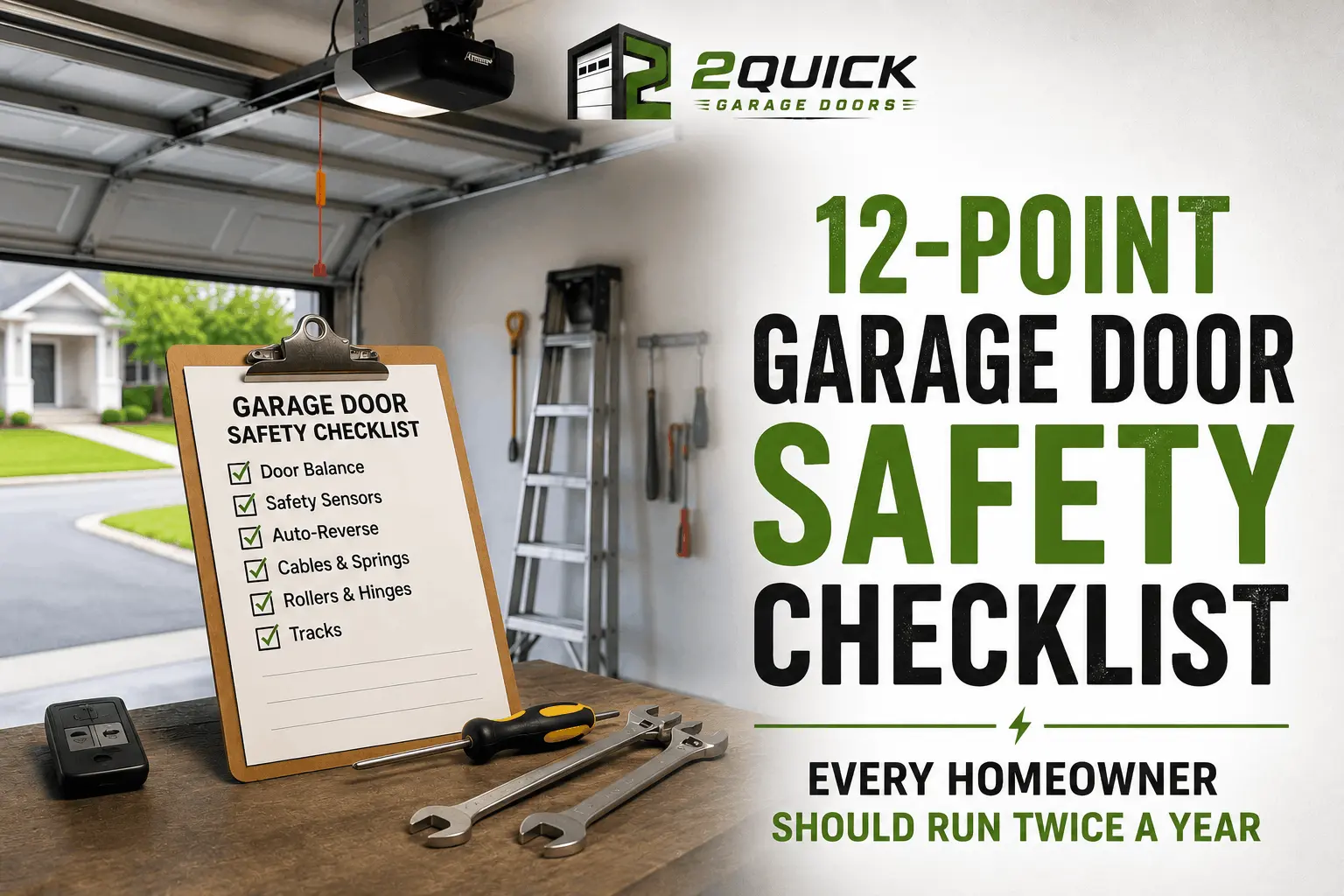
12-Point Garage Door Safety Checklist Every Homeowner Should Run Twice a Year

A garage door is more than an entry point to your home. It is a large, heavy mechanical system made up of springs, cables, rollers, tracks, safety sensors, and an automatic opener. When these components work properly, the door should open and close smoothly and respond safely to obstacles. When one of them fails, however, the risk can go beyond an inconvenient breakdown. That is why a garage door safety checklist should be part of your regular home maintenance routine. For homeowners in The Woodlands, TX, performing a safety inspection twice a year can help identify worn components, damaged hardware, and malfunctioning safety features before they become more serious problems. The following 12-point checklist focuses specifically on the parts and functions that can affect the safe operation of your garage door. Why Garage Door Safety Checks Matter Regular garage door maintenance helps protect the system from premature wear, but a safety inspection has a different purpose. It focuses on components that can create a risk of injury if they malfunction, including the garage door opener, safety sensors, springs, cables, tracks, and automatic reversing system. A garage door can weigh hundreds of pounds, and many of its components operate under significant mechanical tension. A damaged spring, broken cable, misaligned photo-eye sensor, or failed auto-reverse function can create a hazardous situation without giving homeowners much warning. A twice-yearly residential garage door safety inspection gives you an opportunity to look for visible problems and confirm that the door’s primary safety features are functioning as intended. 12-Point Garage Door Safety Checklist 1. Test the Garage Door Auto-Reverse Function The automatic reversing system is one of the most important safety features on a garage door opener. It is designed to stop and reverse the door when the system detects an obstruction. Follow the testing procedure provided by your opener manufacturer rather than attempting an improvised test. If the door does not stop or reverse as expected, discontinue normal operation and have the opener inspected by a qualified garage door technician. A malfunctioning auto-reverse system should never be ignored because it can increase the risk of the door closing against a person, pet, vehicle, or other object. 2. Check the Photo-Eye Safety Sensors Most automatic garage door openers have two photo-eye sensors positioned near the bottom of the door opening. These sensors communicate with each other to detect an object in the door’s path. During a visual inspection: If the door refuses to close or the sensors appear damaged or misaligned, the system should be inspected before continued use. 3. Make Sure the Emergency Release Is Accessible The emergency release mechanism allows the garage door to be disconnected from the automatic opener so the door can be operated manually when necessary. Make sure the release mechanism is visible and accessible and that household members know its purpose. It can be especially important during a power outage or opener malfunction. Never use the emergency release while the garage door is moving. If the door is unusually heavy, difficult to move, or does not remain in position when operated manually, stop and contact a professional rather than attempting to repair the problem yourself. 4. Inspect Panel Seams and Potential Pinch Points Sectional garage doors contain multiple panels connected by hinges. As the door moves, these sections create moving joints that can become pinch points. With the door stationary, visually inspect the seams between the panels for: Keep children and pets away from moving garage door sections. Never place hands or fingers between panels while the door is operating. 5. Look for Visible Spring and Cable Damage Garage door springs and cables are critical load-bearing components. They also operate under significant tension, making them among the components that require the greatest caution. From a safe distance, look for obvious signs of: Do not touch, adjust, remove, or attempt to repair garage door springs or cables yourself. If you see damage or anything that looks unusual, have a qualified garage door technician inspect the system. 6. Check the Tracks and Rollers The tracks guide the garage door as it opens and closes, while rollers allow the door sections to move along those tracks. Look for visible signs of: Do not attempt to force a door back onto its tracks. A misaligned or damaged garage door can place additional stress on the opener, springs, cables, and other components. If something looks out of place, have a professional assess the system. 7. Inspect the Bottom Seal and Weatherstripping The bottom seal and weatherstripping help close the gap between the garage door and the surrounding structure. Although primarily associated with weather protection, damaged seals can also contribute to problems around the garage entrance. Check for: A damaged seal can allow moisture, insects, and debris into the garage and may also contribute to slippery conditions near the doorway. 8. Review Remote and Keypad Access Garage door safety also includes controlling who can operate the door. Check that your remote controls and wireless keypad are working properly and that you are using the security features supported by your opener. Keep remotes away from young children and avoid sharing keypad codes unnecessarily. If your garage door opener or keypad is outdated, consult the manufacturer’s documentation or a garage door professional about available security and access-control upgrades. 9. Pay Attention to Opener Performance Your garage door opener should operate the door smoothly and consistently. Changes in performance can sometimes indicate a developing mechanical or electrical problem. Pay attention to: Do not adjust opener force or other safety settings simply to make the door operate through a problem. If the opener is behaving differently from normal, have the system properly diagnosed. 10. Inspect the Door Panels for Structural Damage Garage door panels can become damaged by vehicles, severe weather, impact, moisture, or age. Look for: Minor cosmetic damage may not affect operation, but significant panel damage can change the weight, balance, or movement of the door. Structural damage should be evaluated by a garage door professional before

Read More

Garage Door Opener Battery Backup: Is It Worth It in 2026?

A garage door opener battery backup is a small battery unit built into or added onto your opener that keeps it running for a limited number of cycles when the power goes out. For homeowners deciding whether it’s worth adding in 2026, the short answer is that it depends on how much you rely on your garage as a primary entry point and how often your area sees power interruptions. 2Quick Garage Doors has installed and serviced these systems throughout The Woodlands, TX long enough to have a clear, honest read on when they’re genuinely useful and when they’re an unnecessary add-on. What Is a Garage Door Opener Battery Backup? At its core, a garage door battery backup is a rechargeable battery pack, either built into newer opener models or added as a separate unit, that automatically kicks in the moment your home loses power. Instead of your garage door being stuck in whatever position it was in when the outage hit, the opener switches to battery power and continues functioning normally, usually for a limited number of open and close cycles until utility power returns. Most modern battery backup systems trickle charge continuously while the power is on, so they’re sitting ready rather than needing to be manually charged or swapped out on a schedule. Why This Has Become More Relevant Heading Into 2026 A few years ago, garage door battery backup was mostly a niche add-on. That’s shifted for a few reasons worth understanding. More homeowners now rely on smart garage door openers connected to home security systems, video doorbells, and app-based access. When the power drops, all of that stops working too, not just the door itself, which raises the stakes of an outage beyond simple inconvenience. There’s also been a steady increase in homes using the garage as a primary entry and exit point rather than the front door, which means losing garage access during an outage isn’t just about the car anymore. Common Scenarios Where a Battery Backup Actually Pays Off Not every homeowner needs this upgrade, but there are specific situations where it consistently proves worth the cost. Storm season outages. The Woodlands sees its share of severe weather that knocks out power for hours or occasionally longer. A battery backup means you’re not stuck waiting it out before you can move a vehicle in or out. Mobility or accessibility needs. For anyone who relies on the garage door as their main entry point due to mobility limitations, a battery backup isn’t a convenience feature, it’s a genuine accessibility need. Homes without an easily accessible manual release. Some garage layouts make the manual release cord awkward or difficult to reach safely, which makes the battery backup a more practical solution than manually disengaging the opener every outage. Security concerns with the door stuck open. If a power outage happens while the door is open, a stuck-open garage door is a real security gap until power returns. A working battery backup avoids that scenario entirely. What Does a Garage Door Opener Battery Backup Cost? Costs vary depending on whether you’re buying an opener with battery backup built in versus retrofitting an existing opener with a separate battery unit. Built-in battery backup typically adds a moderate premium to the cost of the opener itself, while standalone battery backup units added to an existing opener tend to run less than a full opener replacement. Weighed against the cost of a service call during a storm, a damaged garage interior from being unable to close the door, or simply the inconvenience of being stuck without garage access, most homeowners who experience even a couple of significant outages a year find the upgrade pays for itself over time. Battery Backup vs. Manual Release: What’s Actually Different Every garage door opener has a manual release cord as a built-in fallback during a power outage, which lets you disconnect the opener and move the door by hand. A battery backup and a manual release solve the same basic problem but in very different ways. Manual release requires physically lifting a door that can weigh well over 100 pounds, which isn’t always practical or safe, especially for anyone with limited mobility or a particularly heavy door. It’s a genuinely useful fallback, but a battery backup keeps the opener doing that work automatically, without requiring anyone to manually lift the door at all. Battery Maintenance and Replacement Like any rechargeable battery, a garage door opener’s backup battery has a limited lifespan and will eventually need replacing, usually every few years depending on usage and battery type. Most systems will alert you through the opener’s control panel or a connected app when the battery is running low or nearing the end of its life. If you’re not sure how to handle this yourself, our guide on how to change the battery in a garage door opener walks through the process step by step for most common opener models. Which Openers Come With Battery Backup Built In Not every opener model includes battery backup as a standard feature, and it tends to be more common on mid-range and premium models rather than entry-level units. If you’re shopping for a new opener and battery backup is a priority, it’s worth confirming this specifically rather than assuming it’s included. Our breakdown of the different types of garage door openers covers which models typically offer this feature and how they compare on other factors like noise level and smart connectivity. Retrofitting vs. Choosing It During a New Opener Installation If you already have an opener you’re happy with otherwise, a standalone battery backup unit can usually be added without replacing the entire system, provided it’s compatible with your current model. If you’re due for a new opener anyway, choosing one with battery backup built in from the start is generally the more cost-effective route long term. Either path is worth discussing with a local garage door technician who can confirm compatibility with your specific setup before you

Read More

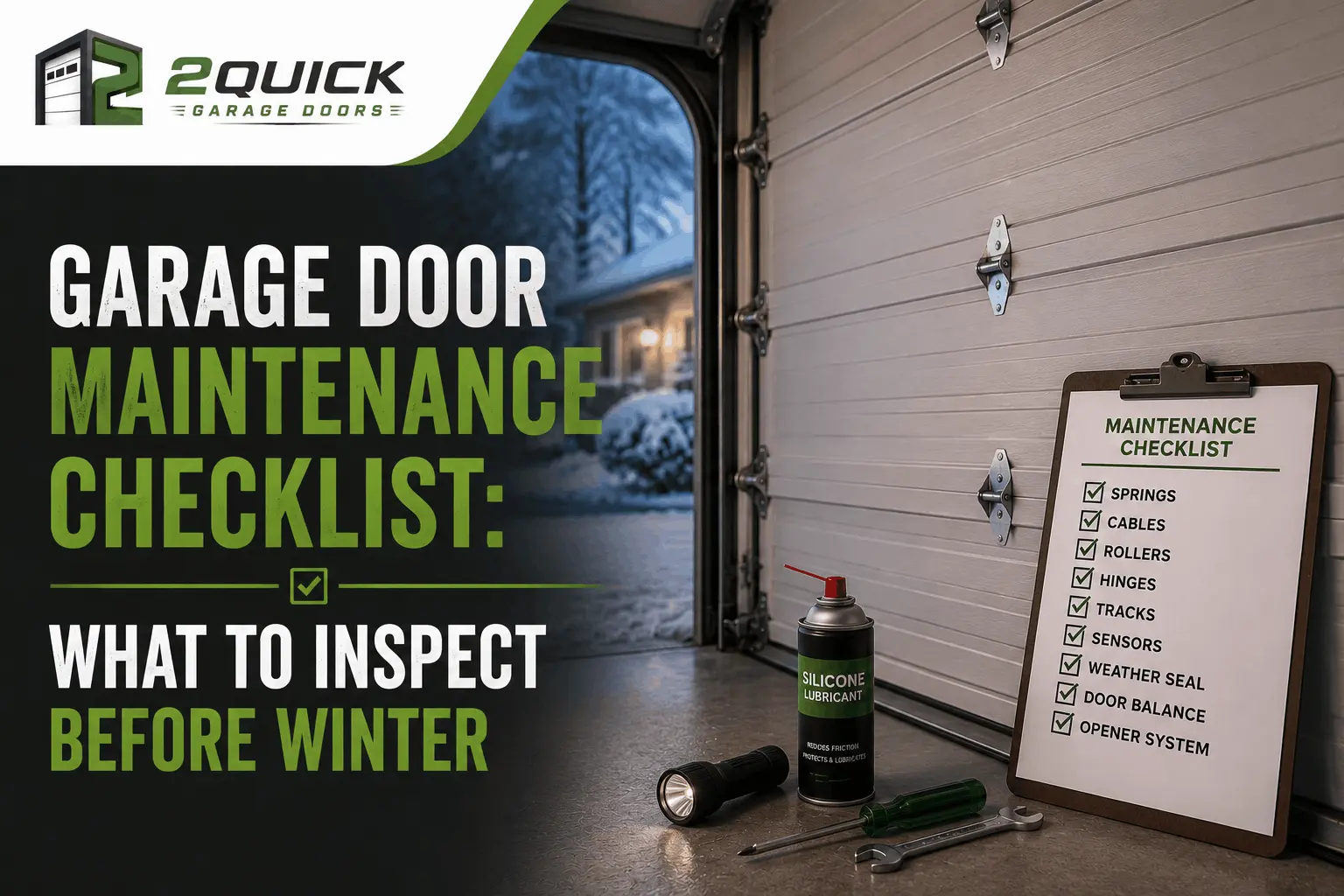
Garage Door Maintenance Checklist: What to Inspect Before Winter

A thorough garage door maintenance checklist covers the parts of your door most likely to be affected by seasonal wear, springs, tracks, seals, hardware, and the opener itself, so nothing gets overlooked before temperatures drop. In The Woodlands, TX, winters are mild compared to much of the country, but the combination of occasional cold snaps, humidity, and heavy fall rain still puts real strain on a garage door’s moving parts. Running through this checklist now, rather than waiting until something stops working, is the difference between routine seasonal garage door maintenance and an unexpected repair call in January. Why a Seasonal Checklist Matters Before Winter Garage doors don’t fail all at once. Small issues, a slightly loose bolt, a hinge that’s lost its lubrication, a seal that’s started to crack, tend to build up quietly over months. Winter tends to be when those small issues finally show themselves, since cooler temperatures make metal contract slightly and can make existing wear more noticeable. A seasonal garage door maintenance checklist isn’t about fixing problems. It’s about catching them while they’re still minor, which is almost always cheaper and less disruptive than waiting for a full breakdown. Garage Door Springs Garage door springs carry most of the door’s weight and are one of the most important things to check before winter. A spring under strain for months at a time can start showing wear that isn’t always obvious just from looking at the door operate. What to check: Springs are under significant tension and aren’t something to adjust or replace without the right tools and experience. If you want to go deeper on this specific check, our guide on how to check garage door spring tension safely walks through it step by step, and our garage door tune-up checklist covers spring care alongside the rest of the system. Tracks and Rollers The tracks guide the door’s movement, and rollers keep that movement smooth. Both take on dirt, debris, and general wear over the course of a year. What to check: Weatherstripping and Seals Seals do more work than most homeowners give them credit for. Beyond keeping drafts out, a good seal keeps moisture, pests, and debris from getting into the garage in the first place. What to check: Worn weatherstripping is one of the easier and more affordable fixes on this entire checklist, and it’s worth doing before winter rather than after the first cold draft makes it obvious. Opener and Safety Sensors The opener is the part of the system doing the most repetitive work, and it’s worth confirming it’s still operating the way it should before you’re relying on it daily through the colder months. What to check: Hardware and Fasteners Bolts, hinges, and brackets loosen gradually just from the door’s regular use. It’s an easy thing to overlook since none of it is usually visible unless you’re specifically checking. What to check: This is one of the simpler garage door care tips on this list, but it’s also one of the most commonly skipped, mostly because a slightly loose bolt doesn’t cause an obvious problem until it does. For more detail on doing this correctly, see our posts on how to lubricate a garage door the right way and lithium vs. silicone grease for garage doors, which covers which product actually holds up best. Balance Test A simple balance test tells you a lot about how much strain your opener is under. With the door disconnected from the opener (using the manual release), lift it about halfway and let go. A properly balanced door should stay in place. If it falls or rises on its own, that usually points to a spring or cable issue that’s putting extra strain on the opener, one that’s worth having looked at before it leads to a bigger failure. Residential vs. Commercial Garage Door Maintenance Residential garage door maintenance and commercial garage door maintenance follow the same general checklist, but the frequency tends to differ significantly. A residential door might open and close a handful of times a day, while a commercial door on a busier property can see dozens of cycles, which naturally accelerates wear on springs, rollers, and the opener itself. If you’re maintaining a commercial property, it’s worth checking these same items more frequently, and considering a maintenance schedule built around actual usage rather than a fixed seasonal timeline. Quick Garage Door Tune-Up Recap If you’re working through this checklist yourself, here’s the short version to keep handy: Most of this can be done in under thirty minutes with basic tools, and it covers the parts of the door most likely to cause problems once winter sets in. When to Call a Professional Some parts of this checklist are safe and simple to handle yourself. Springs, cable tension, and anything involving the opener’s internal wiring are a different story, since getting these wrong can be genuinely dangerous, not just inconvenient. If your walkthrough turns up anything involving the springs, cables, or an opener that isn’t responding properly, it’s worth having it looked at rather than working around it through winter. A professional garage door maintenance visit covers everything on this checklist in more depth, including the parts that aren’t safe for a DIY fix. Keeping Your Garage Door Ready for Winter A garage door maintenance checklist doesn’t need to be complicated to be effective. Most issues that turn into a winter breakdown start as something small and easy to catch months earlier, which is really the entire point of running through one before the season changes. 2Quick Garage Doors has helped homeowners throughout The Woodlands, TX stay ahead of exactly these kinds of issues, from spring wear to opener problems, before they turn into a repair call in the middle of winter. If you’d rather have a professional run through this checklist for you, get in touch with our team and we’ll take care of it. How often should I run a garage door maintenance checklist? Twice a year is

Read More

How to Prevent Garage Door Rust and Corrosion

Garage door rust develops when moisture sits on unprotected metal long enough to start breaking it down, and in Texas, that happens faster than most homeowners expect. Between high humidity, heavy rain, and long stretches of heat that keep moisture trapped rather than letting it evaporate, garage door hardware takes a beating here in ways it wouldn’t in a drier climate. The good news is that most garage door rust and corrosion is preventable with a few consistent habits, and catching it early is far cheaper than dealing with it once it’s spread. If it’s been a while since your door had a proper look-over, a seasonal garage door maintenance visit is the easiest way to catch small spots before they become bigger ones. Why The Woodlands, TX Weather Is Especially Hard on Garage Doors The Woodlands doesn’t need coastal salt air to cause rust problems. Humidity alone is enough. When moisture in the air condenses on cool metal surfaces, especially overnight or during temperature swings between day and night, it creates a thin film of water that sits on exposed hardware for hours at a time. Add in heavy seasonal rain, and you get water splashing directly onto the bottom panel, tracks, and hardware every time a storm rolls through. Combine that with long, hot stretches where a garage can trap humidity rather than ventilate it, and you have close to ideal conditions for corrosion to take hold, particularly on any parts where the protective coating has worn thin or chipped. Common Signs of Garage Door Rust and Corrosion Rust doesn’t usually show up all at once. It tends to start small, in places that are easy to miss unless you’re specifically looking. Watch for these early signs: Catching any of these early is the difference between a quick cleanup and a hardware replacement. Where Garage Door Rust Typically Starts Rust doesn’t spread evenly across a door. It tends to concentrate in a few predictable spots, mostly wherever water collects or metal is left exposed. Hinges and rollers are frequent starting points, since they’re constantly moving and often lose their factory lubrication over time, leaving bare metal more exposed to moisture. The bottom panel takes the most direct water exposure of any part of the door, especially during heavy rain or when sprinklers hit it repeatedly. Tracks and brackets trap standing water more than homeowners realize, particularly if there’s any debris sitting inside the track that holds moisture against the metal. Torsion springs are less obvious but genuinely important to watch, since rust here doesn’t just look bad, it can weaken the spring’s structural integrity over time. Garage Door Materials That Hold Up Better in Texas Not all garage doors are equally vulnerable. If you’re replacing a door or hardware anyway, material choice makes a real difference in how much maintenance you’ll need going forward. Galvanized steel, which has a zinc coating bonded to the base metal, resists corrosion significantly better than uncoated steel. Aluminum doesn’t rust in the traditional sense at all, though it can still corrode under the right conditions, just more slowly. Vinyl and composite doors sidestep the rust issue entirely, though they come with their own trade-offs in durability and cost. For hardware specifically, look for hinges, rollers, and brackets labeled as corrosion-resistant or specifically rated for humid climates. It’s a small difference in upfront cost that pays off over several Texas summers. Step-by-Step Prevention Tips Preventing garage door rust doesn’t require anything complicated. It’s mostly about consistency. Clean the door regularly. A simple rinse with mild soap and water every few months removes dirt, pollen, and grime that can trap moisture against the surface. Dry off standing water after heavy rain. If water is pooling anywhere along the bottom panel or tracks, wiping it down once the storm passes prevents it from sitting for hours. Lubricate moving parts. Hinges, rollers, and springs should be lubricated every few months with a silicone-based spray rather than a heavier oil, which can actually attract more dust and grime over time. Touch up chipped paint promptly. Even small paint chips expose bare metal to moisture. A rust-resistant primer and matching touch-up paint keeps that exposure from spreading. Keep the tracks clear. Debris sitting in the track holds moisture in place. Clearing it out during routine cleaning prevents that buildup. Check the weatherstripping. A worn or gapped bottom seal lets more water reach the panel and hardware than it should. Replacing it when it starts cracking is a small fix that prevents a bigger one. Avoid harsh chemical cleaners. Some degreasers and household cleaners can strip protective coatings faster than they clean, which ironically speeds up corrosion rather than preventing it. When Garage Door Rust Becomes a Repair Issue Surface rust on a hinge or bracket is usually a maintenance fix. Rust that’s worked its way into a spring, a track’s structural mounting points, or the panel’s internal frame is a different situation entirely. Structural corrosion weakens the parts of the door that carry weight and tension, and that’s not something to wait on. A spring with visible rust and pitting, for example, is at higher risk of snapping under normal use, which is both a repair issue and a safety one. If you’re seeing rust anywhere beyond the surface, it’s worth having a garage door repair specialist take a look before it turns into a bigger failure. DIY Maintenance vs. Professional Inspection Regular cleaning, lubrication, and touch-up paint are all things most homeowners can handle themselves without any special tools. Where it’s worth bringing in a professional is for a full hardware inspection, particularly on springs, tracks, and anything load-bearing, since those are harder to properly assess without experience. A once or twice a year professional check gives you a second set of eyes on the parts that matter most, catching early corrosion in spots that are easy to overlook from the outside. Protecting Your Garage Door Against Texas Weather, Year-Round Garage door rust is one of

Read More

Wind-Rated Garage Doors: Do You Need One in The Woodlands?

A wind rated garage door is engineered and tested to withstand a specific amount of wind pressure without buckling, bowing, or separating from its track. For homeowners in The Woodlands, TX, the question isn’t whether hurricanes make landfall here directly. It’s whether the straight line winds, tropical storm remnants, and seasonal gusts this area does see are enough to justify the upgrade. If your current door is getting older or you’re planning a garage door installation soon anyway, this is worth factoring into that decision. Here’s what actually goes into it. What Does “Wind Rated” Actually Mean? A wind rating isn’t a marketing label. It’s a tested engineering spec, usually expressed in pounds per square foot (PSF), that tells you how much pressure a wind rated garage door can absorb before it fails structurally. Manufacturers test these doors under controlled conditions that simulate sustained wind and impact from debris, and the door is certified to a specific PSF threshold as a result. For comparison, a standard, non-reinforced residential garage door might handle somewhere around 10 to 15 PSF before showing stress. A properly wind rated garage door built for storm-prone regions can be certified well above that, often in the 30 to 50 PSF range or higher, depending on the model and reinforcement level. Does The Woodlands Actually Require Wind-Rated Garage Doors? This is where a lot of homeowners get confused, and it’s worth being straightforward about it. The Woodlands is not in a designated hurricane wind zone the way coastal communities like Galveston or Corpus Christi are, so there isn’t a blanket requirement forcing every homeowner here to install a certified wind rated garage door. That said, local building codes and HOA guidelines can still carry their own wind load requirements depending on your specific neighborhood, lot exposure, and whether your home was built or renovated after certain code updates. If you’re not sure what applies to your property, checking with your builder’s documentation or a local permitting office is the most reliable way to know for certain, rather than assuming either way. Signs Your Current Garage Door Wasn’t Built for Texas Storm Season Even without a strict local mandate, some doors are simply more vulnerable than others. A few signs it might be time to look into a wind rated garage door: None of these mean your door will fail in the next storm. They just mean it wasn’t built with wind resistance as a priority, which matters more the longer you plan to stay in the home. A local garage door technician can check for these signs during a routine visit and tell you honestly whether it’s a concern. Wind-Rated vs. Hurricane-Rated: Is There a Difference? These terms get used almost interchangeably, but there’s a subtle distinction worth knowing. A wind rated garage door refers specifically to a door tested for resistance to sustained wind pressure. A “hurricane rated” or “impact rated” door typically means it has also been tested against debris impact, simulating something like a piece of lumber or roofing material striking the door during a storm. A fully hurricane rated door usually meets both standards. A wind rated garage door may only be certified for pressure resistance. If storm debris is a real concern for your property, particularly if you’re near open lots, construction, or heavily wooded areas, it’s worth asking specifically which certification a door carries before assuming “wind rated” covers everything. Is the Upgrade Worth It for an Inland Community Like The Woodlands? This depends largely on how you weigh cost against risk. A wind rated garage door typically costs more upfront than a standard residential door, largely because of the reinforced steel, thicker gauge tracks, and additional structural bracing involved in meeting the certification. Against that upfront cost, consider what a door failure actually leads to: not just the cost of the door itself, but potential water intrusion, wind driven damage to whatever’s stored in the garage, and in worse cases, pressure related damage to the rest of the home’s structure. For many homeowners here, the calculation comes down to how exposed their specific property is (open lot versus tree-sheltered, older neighborhood versus newer construction with updated codes) and how long they plan to own the home. What to Look for When Choosing a Wind-Rated Garage Door If you decide the upgrade makes sense, a few things are worth confirming before you commit to a specific product: That last point matters more than most homeowners expect. A wind rated garage door is only as strong as the frame and track it’s mounted into, which is why professional installation isn’t a place to cut corners. An expert garage door technician will know how to set the track, bracing, and frame to actually deliver the rating the door is certified for. Getting a Straight Answer for Your Home Not every home in The Woodlands needs a fully wind rated garage door, and not every homeowner needs to spend the extra money on one. What’s worth doing is getting an honest assessment of your current door’s condition and how exposed your property actually is, rather than guessing either way. If you’d like a local garage door technician to take a look, get in touch with our team and we’ll walk you through what makes sense for your home specifically. Is a wind-rated garage door required by code in The Woodlands, TX? Not universally. The Woodlands isn’t in a designated coastal wind zone, but specific neighborhoods, HOAs, or newer builds may carry their own requirements. Checking your local permitting office or builder documentation is the most reliable way to confirm. How much more does a wind-rated garage door cost compared to a standard one? Costs vary by size, material, and PSF rating, but wind rated garage doors generally run higher than standard doors due to the reinforced steel and heavier duty tracking involved. A garage door technician can give you an accurate quote based on your specific opening. Can an existing garage door be

Read More

Hurricane Proof Garage Door Checklist for The Woodlands, TX

When a hurricane or tropical storm rolls through Southeast Texas, your garage door is usually the largest, weakest opening on your home, and if it fails, wind can rush inside and blow the roof or walls apart from the inside out. A hurricane proof garage door is built and reinforced to resist that wind pressure and flying debris, and even a standard door can be made safer with the right bracing, seals, and backup power. If you’re not sure where your own door stands, our team handles garage door inspections across The Woodlands and can walk you through exactly what needs attention. Below is a practical, room by room checklist Woodlands, TX homeowners can run through before storm season peaks. Why Your Garage Door Matters More Than You Think Most homeowners spend hurricane season worrying about their roof, windows, and fence line, and forget that the garage door is often the single largest structural opening on the house. A standard door isn’t built to handle sustained hurricane force wind. Once it buckles or blows in, the pressure has nowhere to go but up and out, which is why garage door failure shows up so often in post storm damage reports. The Woodlands sits inland from the Gulf Coast, but that doesn’t mean it’s immune. Remnants of tropical systems and straight line wind events still bring gusts strong enough to compromise an aging or improperly braced door, especially on homes with wider double car openings. Is Your Current Garage Door Hurricane Rated? Before you do anything else, find out what you’re actually working with. If you can’t find a rating label or you’re not sure what you’re looking at, that’s a reasonable first question to ask a technician during a routine maintenance visit rather than waiting until a storm is already in the forecast. The Pre-Storm Garage Door Checklist Run through these before hurricane season peaks, and again any time a storm watch is issued for your area. 1. Inspect the Track and Rollers Loose or bent tracks are one of the most common reasons a door comes off its rails under wind pressure. Walk the full length of both tracks and look for gaps, rust, or visible warping. 2. Check the Weatherstripping and Bottom Seal Cracked or brittle seals let wind driven rain into the garage even before a full structural failure. If the rubber along the bottom or sides is stiff, torn, or pulling away, it needs to be replaced. 3. Test the Auto-Reverse and Sensors Storm prep is also a good moment to confirm the door’s basic safety systems are working. You’ll likely be opening and closing it more than usual as you move vehicles and supplies in and out. A quick check of your garage door’s safety sensors now saves a headache later. 4. Look at the Bracing Horizontal or vertical retrofit braces can meaningfully increase how much wind pressure an existing door can handle without needing full replacement. This is worth a conversation with a technician if your door doesn’t already have factory rated bracing. 5. Confirm the Opener Has a Manual Release If the power goes out mid storm or right after, you’ll want to know how to disengage the opener and operate the door manually, and that it hasn’t seized up from age or lack of use. 6. Consider a Battery Backup A battery backup keeps the opener functional during outages, which matters if you need to move a vehicle out before or after a storm and don’t want to operate a heavy door by hand in bad weather. 7. Clear the Perimeter Loose branches, patio furniture, and yard debris near the garage door become projectiles in high wind. Clear anything within throwing distance of the door before a storm arrives. 8. Schedule a Professional Inspection Early Waiting until a storm is 48 hours out means everyone else in The Woodlands is calling for the same thing. A pre-season inspection gives you time to actually fix what’s found, rather than just documenting it. Retrofit or Replace? What Homeowners in The Woodlands Should Weigh Not every home needs a brand new door to be storm ready. In many cases, a retrofit kit, reinforced struts, stronger track brackets, and upgraded rollers, brings an existing door much closer to a true wind rated standard at a fraction of the cost of full replacement. Replacement makes more sense when: A technician can walk your specific door and opening and tell you honestly which side of that line you’re on. This isn’t a one size fits all decision, and our installation team can talk through options that fit your home and budget. After the Storm: What to Check Once the weather clears, don’t assume “it still opens and closes fine” means “it’s fine.” Minor shifts after a storm often don’t cause an immediate failure. They show up as a bigger repair a few months later if left unaddressed. Get Your Garage Door Storm-Ready Before the Next Watch Is Issued A hurricane proof garage door isn’t something you want to be sorting out with a storm already on the radar. Our technicians serve homeowners throughout The Woodlands and the surrounding area, checking track alignment, seals, bracing, and opener condition so you know exactly where you stand before the weather turns. Does a hurricane proof garage door cost more than a standard one? Yes, generally. Factory wind rated doors and retrofit kits both carry a premium over standard doors, but the cost is typically far less than repairing storm damage to the door, the garage’s contents, and potentially the home’s structure. Can I make my existing garage door hurricane rated without replacing it? In many cases, yes. Reinforcement kits, including added struts, upgraded track hardware, and stronger rollers, can bring an existing door closer to wind rated performance. Whether it’s a good fit depends on the door’s age and current condition. How do I know what wind rating I need in The Woodlands, TX? Wind load requirements vary by local

Read More