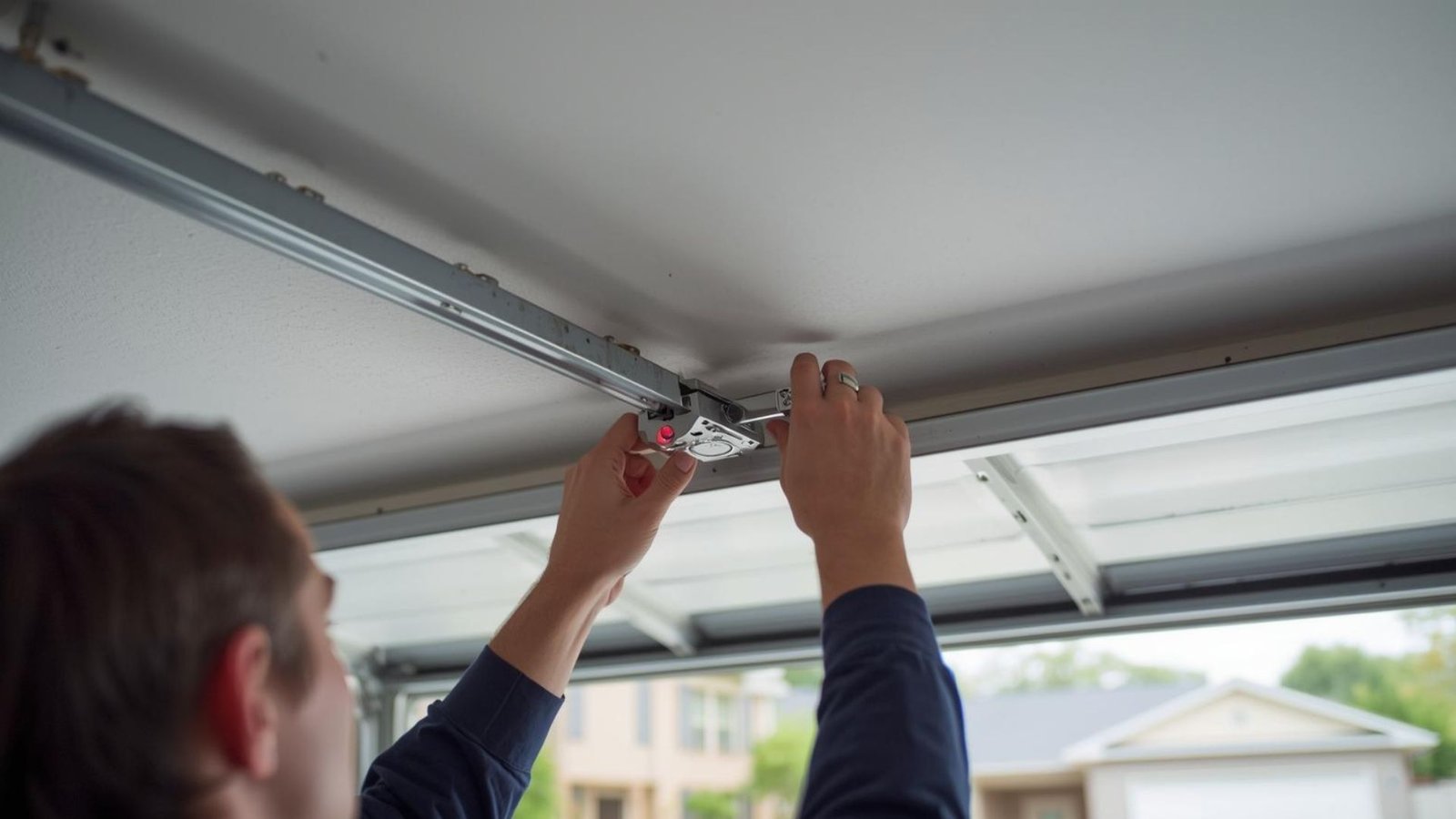

How Long Does It Take to Install a Garage Door? Get the Real Timeline
How Long Does It Take to Install a Garage Door? Get the Real Timeline Deciding to install a garage door can feel like a big project, especially if you’ve never done it before. You might be wondering things like: How long does it take? What can delay it? What should I expect? At 2Quick Garage Doors, we’ve helped countless homeowners near The Woodlands, Texas, get a better understanding of the timeline, steps, and expert support it takes to make a smooth garage door installation happen. Let’s walk you through everything you need to know. Understanding Garage Doors and Installation Time When people ask, “how long does it take to install a garage door?”, the answer isn’t always straightforward. The time it takes to install depends on a few key factors, including the type of garage door, whether it’s a replacement or a brand-new install, and how complex the garage door system is. Average Garage Door Installation Time On average, professional garage door installation typically takes between 4 to 6 hours. But if you’re replacing an old door or installing brand-new hardware, it may take longer. Factors That Impact the Installation Time Several details can impact the garage door installation time. Here are the most common ones: Type of door: A standard single garage door typically installs quickly than a double door. Condition of the existing door and structure: If you’re replacing an old door, time is needed to remove the old door and examine the garage structure. New construction vs. replacement: Building a home from scratch? Installation can vary depending on your garage design and included features. Opener installation: Adding a garage door opener adds more steps and time. Weather conditions: Extreme weather can delay an installation or increase the risk for the technician. Insulation and door design: Insulated or non-standard garage doors may take longer to install due to additional weight and complexity. Garage door repairs: Existing damage may require repair work prior to completing the installation. The Full Garage Door Installation Process Let’s break down the typical garage door installation process so you know what to expect. Step 1: Prep Work Professional garage door installers begin by taking measurements and removing the old door (if applicable). This includes detaching the door panels, hardware, and existing tracks. Time required: 1-2 hours Tasks: Remove the old door, inspect framing, and clean the space inside the garage. Step 2: Installing the New Tracks and Panels Once the garage is prepped, it’s time to install new tracks and door panels. Tracks must be leveled properly to ensure even door movement. The door panels are inserted one-by-one, connected by hinges and rollers. This is where the complexity of the installation really begins to show. Improper alignment here can cause long-term issues with your garage door that’s difficult to fix later. Step 3: Spring and Opener Setup High-tension springs and the garage door opener are installed next. Springs help balance the weight of the door (often over 200 pounds), and the opener automates door movement. Adding modern garage door openers with Wi-Fi or belt-drive mechanisms may take additional time. A new opener could add 1 to 2 hours to the total setup. New garage door installation often includes syncing remote controls or smartphone apps for added convenience and security. Step 4: Final Testing and Safety Checks A professional takes time to test the door multiple times. They’ll ensure: The door balance is correct. Safety sensors are aligned. The opener responds to remotes and wall buttons. Emergency release functions properly. Types of Projects and How Long They Take Here’s a quick overview of how garage doors usually differ in timing: Project Type Estimated Time Replace a garage door (standard size) 4 to 6 hours Install a garage door in new construction 6 to 8 hours or more Install a new garage door opener Add 1 to 2 hours Repair and install new tracks & springs Add 1 to 3 hours Installation can vary depending on multiple conditions, but this table gives you a ballpark for what to expect. DIY Installation vs. Professional Installation Trying a DIY installation? We get it – it might seem like a good way to save money. But let’s weigh the pros and cons. DIY Installation Risk of improper installation Requires multiple tools, a ladder, and often another person Mistakes can lead to safety hazards or quick wear on the door system Professional Garage Door Installation Ensures safety during handling of heavy parts and high-tension springs Offers warranties on new door, parts, and labor Often quicker to install and less hassle for the homeowner That’s why most homeowners prefer to work with a dependable garage door company like ours. Common Scenarios That May Take Longer Here’s when your installation may take longer than expected: Installing a new garage door in a non-standard opening Replacing deteriorated framing or drywall inside the garage Adding advanced features like smart garage openers or additional insulation Adjusting existing ceiling or wall mounts to fit a different door design Having to install new tracks or an entirely new torsion spring system If your garage door installation involves any of the above, your installer will likely walk you through the changes in timeline and cost before starting. Frequently Asked Questions How long does garage door installation take? For a standard project, garage door installation takes about 4 to 6 hours. What can impact the installation time? The door size, opener setup, complexity of the installation, and condition of your garage structure are the biggest factors. Is it quicker to install a new garage door or replace a garage door? It’s usually quicker to replace a garage door, since the structure and garage door opening are already in place. Installing from scratch (like in new construction) generally takes longer. Can I install a garage door myself? You can, especially with guides for how to install a garage door, but it’s not usually recommended. Garage door systems include moving parts, heavy equipment, and high-tension springs that pose a