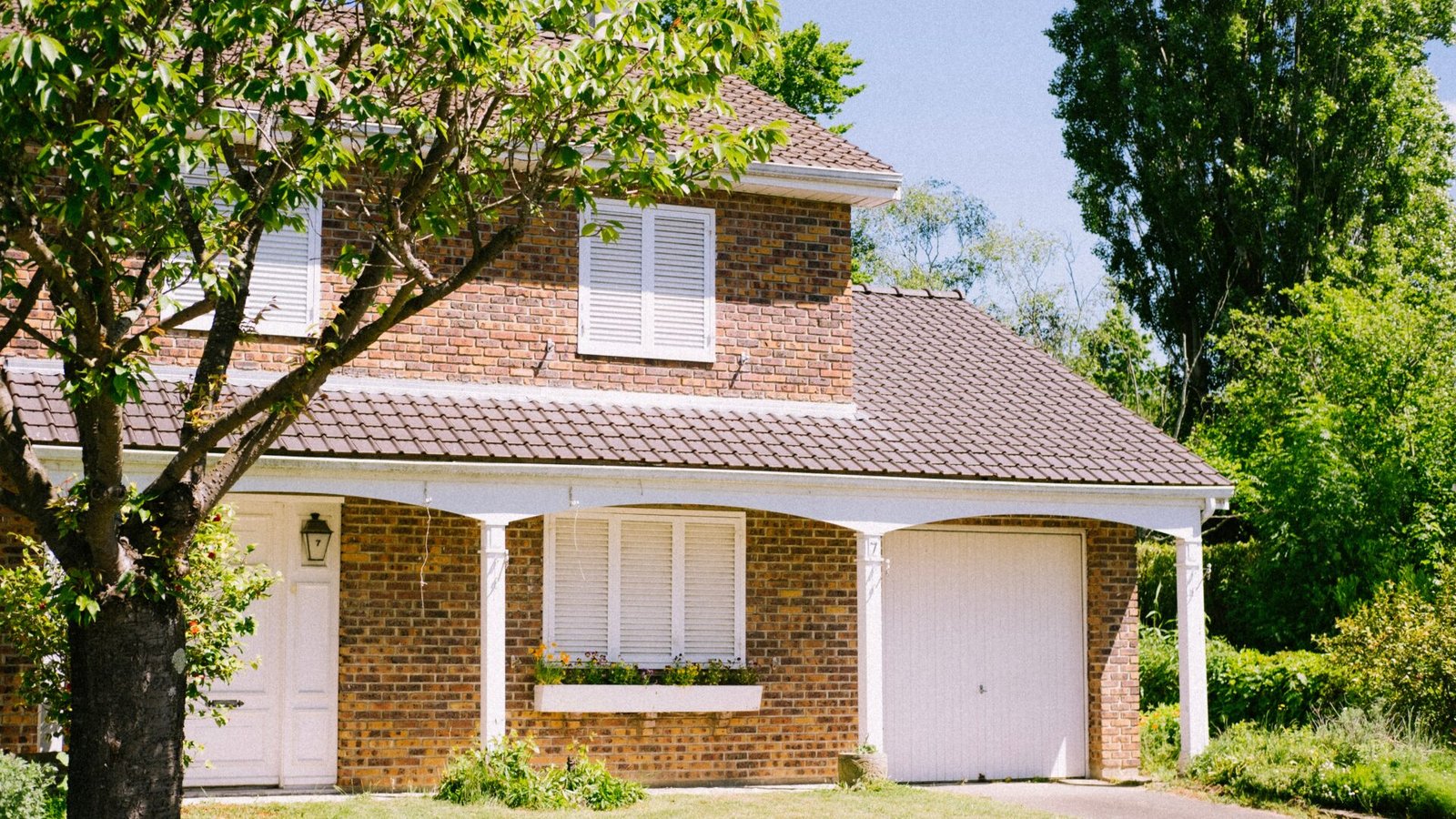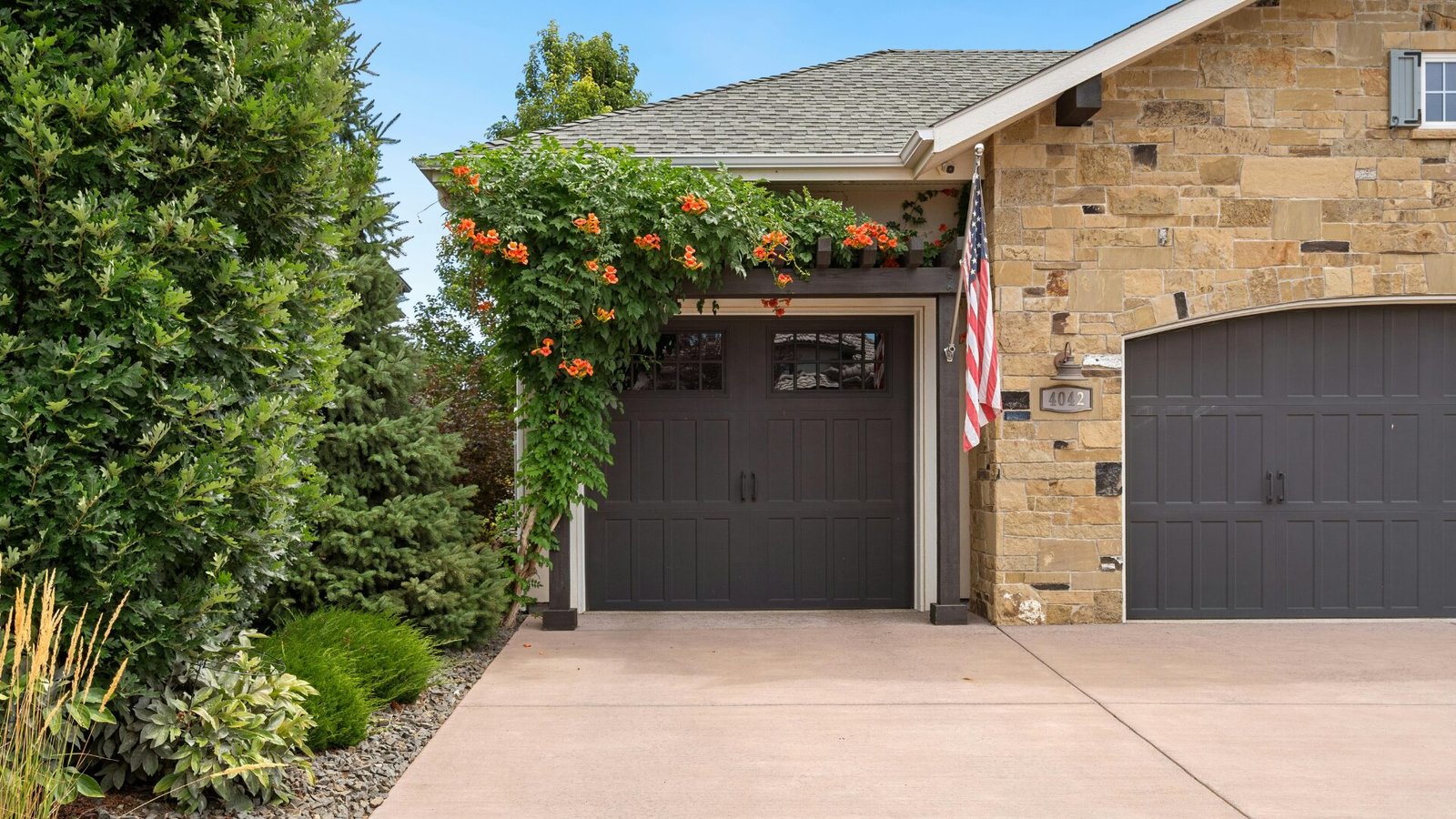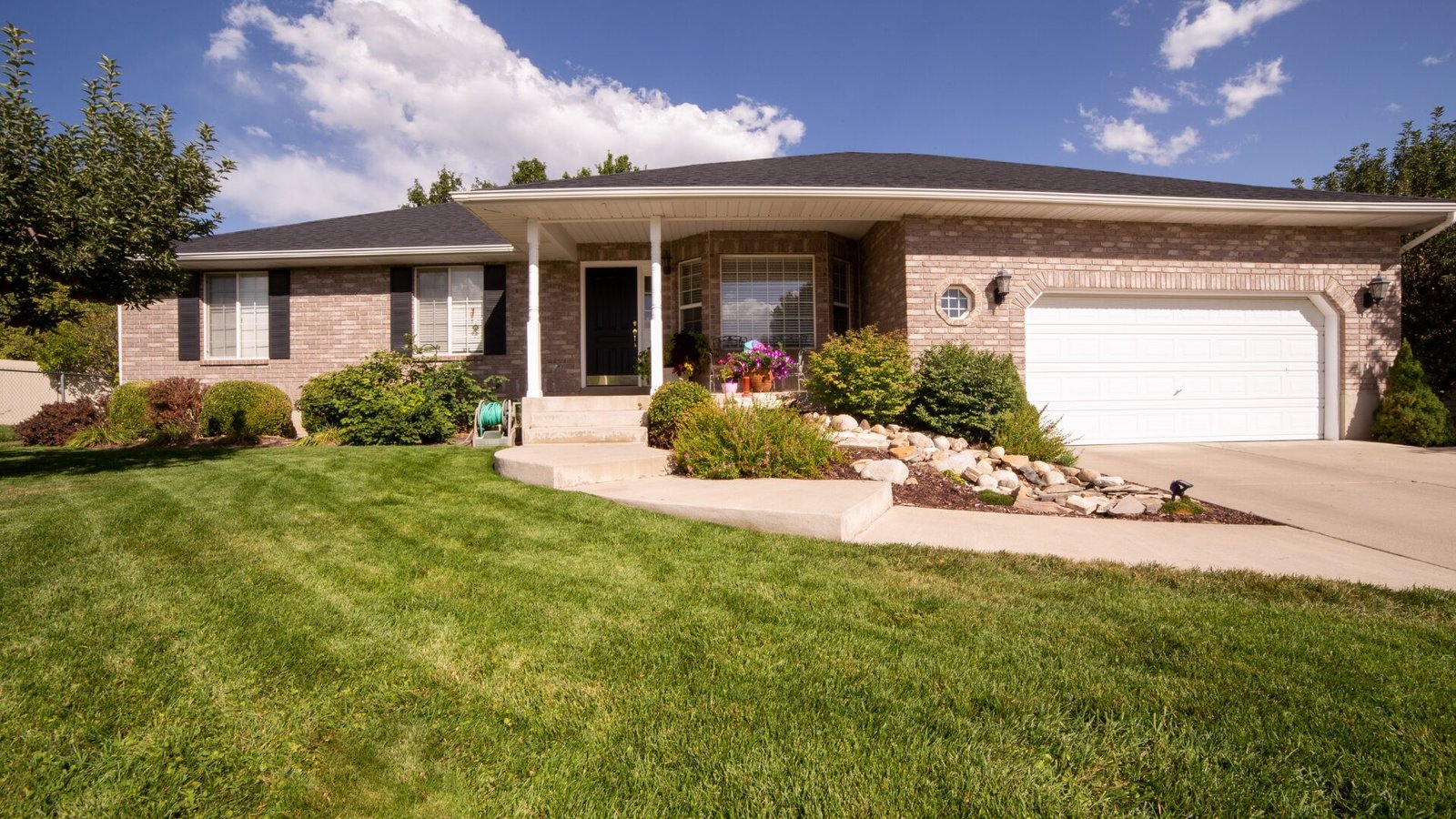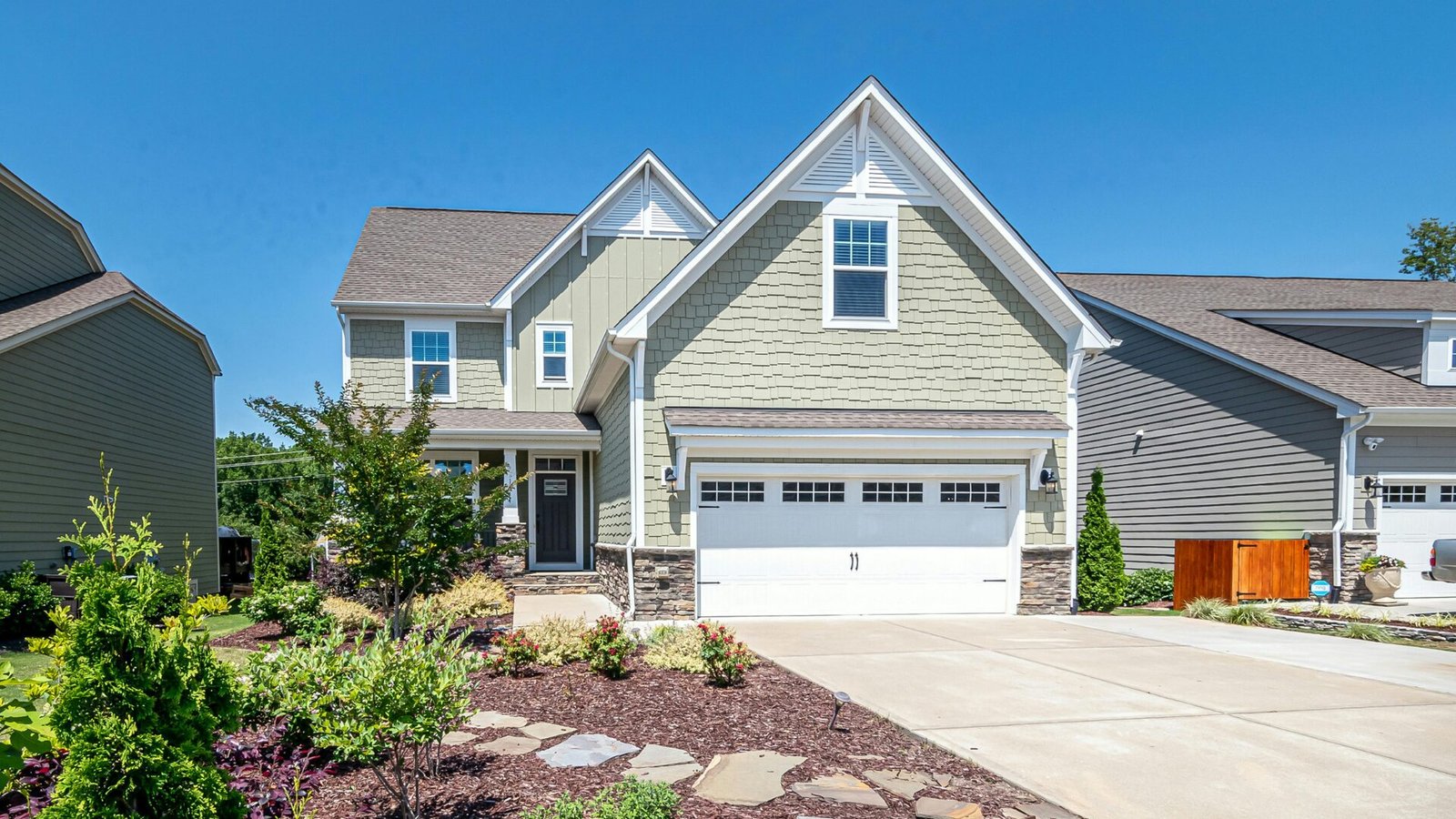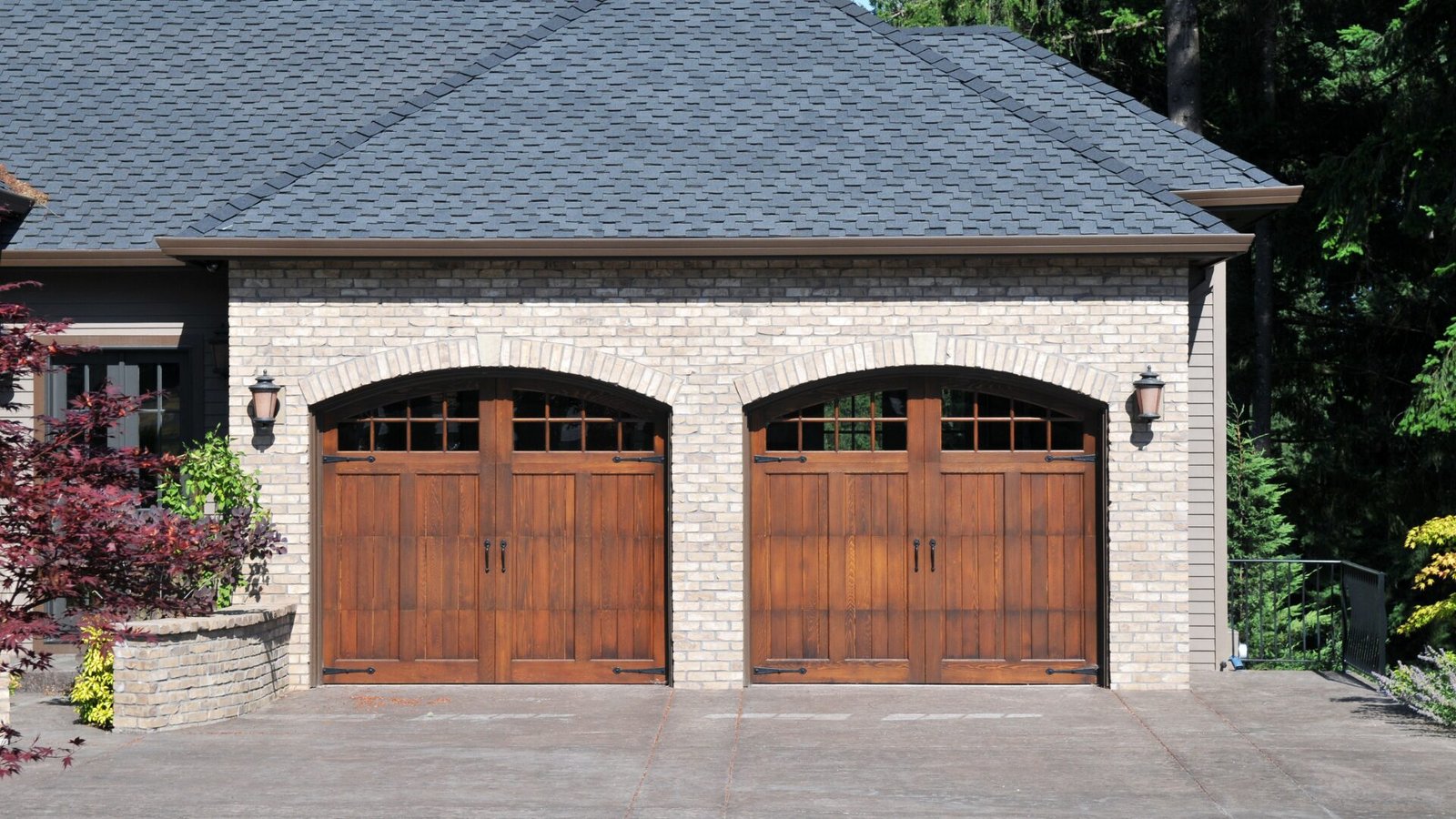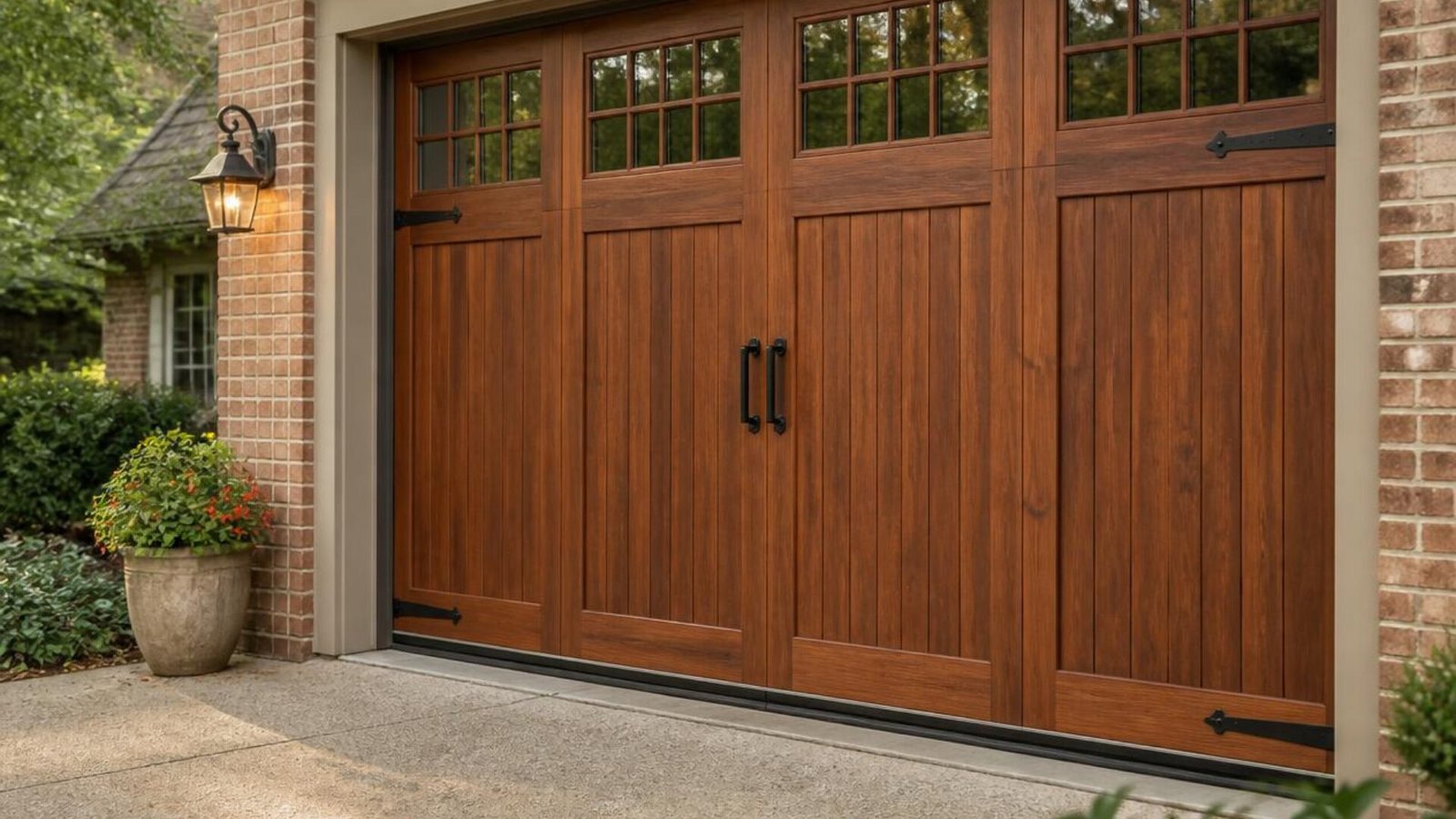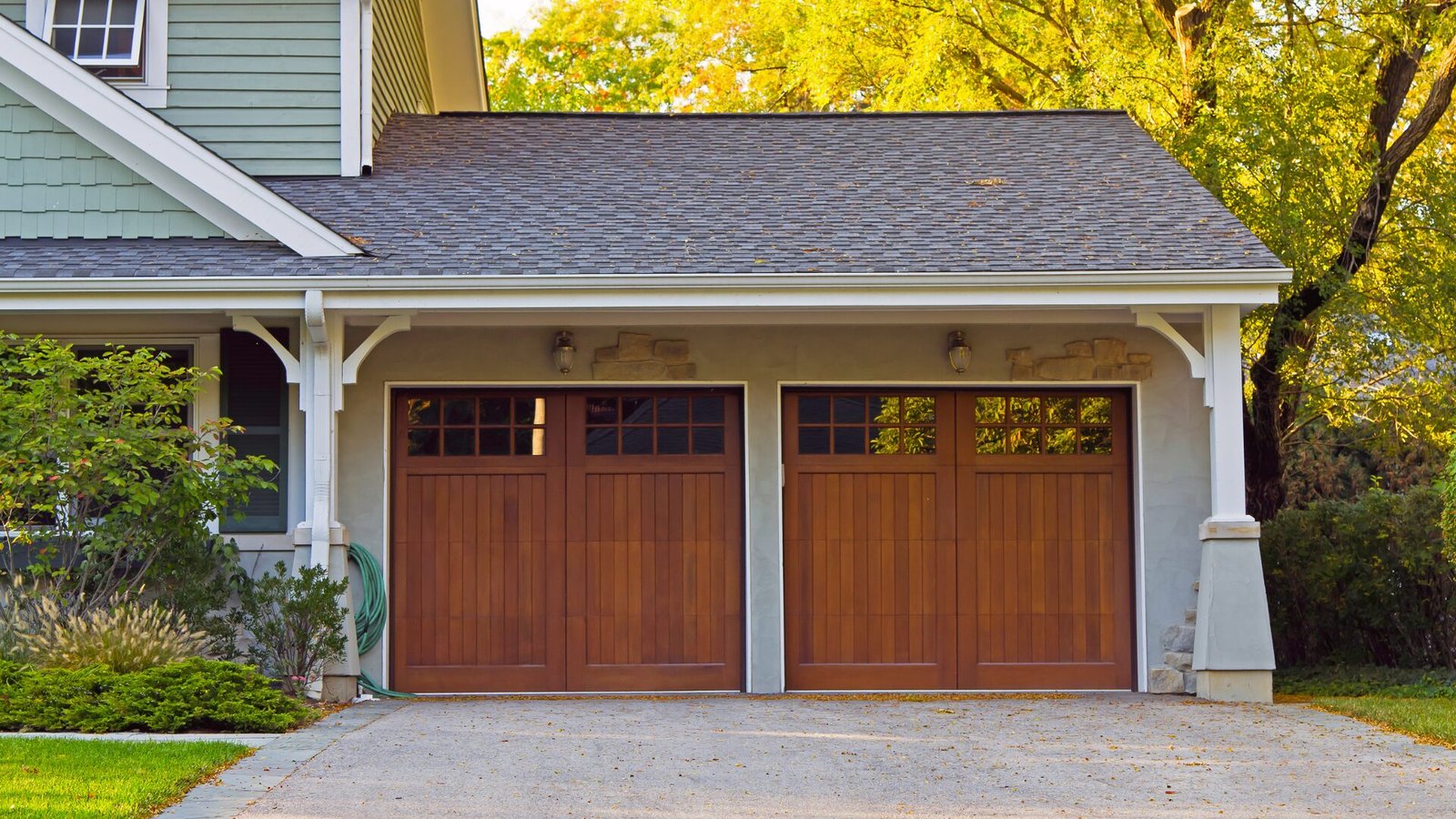
Garage Door Installation Services In The Woodlands, TX

Get Stress-Free Garage Door Service in The Woodlands, Texas

Make a call

(346) 574-0359

Email address

info@garagedoorswoodlandstx.com

June 5, 2026 admin No Comments

Garage Door Off Track? Causes, Quick Fixes, And When To Call A Pro

Garage Door Off Track? Causes, Quick Fixes, And When To Call A Pro There is nothing quite as frustrating as walking into your garage and finding the door hanging crooked, making grinding noises, or simply refusing to move. A garage door coming off its track is one of the most common issues homeowners face, and it can be overwhelming if you’ve never seen it before. The good news is that understanding why it happens and what your options are can save you time, money, and stress. This guide walks you through everything you need to know. What Does It Mean When a Garage Door Is Off Track? Your garage door runs along metal tracks on both sides of the opening. Each garage roller sits inside the track and allows the door to glide smoothly up and down. When one or more rollers slip out of the track, the door can no longer move properly. An off-track garage door may look visibly bent, sagging, or tilted. It might make scraping or popping sounds when you try to operate it. In some cases, it will not move at all. Common Causes a Garage Door Goes Off Track Knowing what causes a garage door to come off track helps you prevent it from happening again. Physical Impact This is one of the most frequent culprits. Accidentally bumping into the door with your car, or even a strong wind blowing the door into something solid, can knock a garage roller out of position. Even a small hit can cause the door to come off the track over time. Worn or Broken Rollers Rollers are made from materials like nylon or natural rubber and are designed to last several years. But with regular use, dust, debris, and general wear cause them to crack or flatten. A worn-out garage roller has trouble staying inside the track and may eventually slip out entirely. Bent Track If part of the garage door track gets dented or bent – from impact or age – it creates a narrow point that forces the roller out. Even a slight bend in the track can throw off the entire system. Misaligned Track Over time, the hardware holding the tracks in place can loosen. A misaligned track pulls away from the wall, creating gaps that allow rollers to fall out. This kind of problem tends to get worse the longer it goes unaddressed. Broken Garage Door Springs Your garage door springs do a significant amount of heavy lifting. When a spring breaks, the door becomes unbalanced. That imbalance puts pressure on the track and roller system, and that uneven stress can cause the door to go off track. Debris or Obstruction Sometimes it is something simple. A buildup of dust, dirt, or small debris inside the track can force a roller to jump out of place. Regular inspection and cleaning can prevent this entirely. Signs Your Garage Door Is Off Track You do not always have to see it to know something is wrong. Watch for these warning signs: If you notice any of these, stop using the door right away. Forcing the door to open or close while it is off track can cause more damage to the door and the surrounding components. A Step-by-Step Guide to Fixing a Minor Off-Track Door This is a basic guide to fixing a garage door that has only partially slipped. If the damage looks severe, skip this and call a professional. Step 1 – Disconnect the Opener Pull the emergency release cord (usually a red handle hanging from the opener rail) to disconnect the opener and allow you to operate the door manually. This will also prevent accidental activation while you work. Step 2 – Secure the Door in Place Use locking pliers or a C-clamp on the track just below the bottom roller to keep the door in place and prevent it from dropping. Step 3 – Open the Track Use a pair of pliers or a socket wrench to loosen the bolts on the track where the roller slipped out. Gently bend the track open just enough to guide the roller back into place. Do not bend the track too far, or you risk warping it permanently. Step 4 – Guide the Roller Back With the track open, carefully lift the door and guide the roller back inside the track. A hammer can be used gently to tap the roller into position if needed. Step 5 – Close the Track Securely Once the rollers are back inside the track, use your pliers to close the track securely around them. Tighten the bolts back down with your wrench and check the track alignment visually. Step 6 – Test the Door Apply a small amount of lubricant along the track and roller before you test the door. Reconnect the garage door opener and test the door slowly. If it moves smoothly, you may have fixed the problem. When to Call for Professional Garage Door Repair Knowing when to call a professional is just as important as knowing how to try to fix it yourself. Doors are heavy, and garage door components are under significant spring tension. Attempting a repair beyond your skill level can result in injury or property damage. Call a professional if: Garage door repair is the safest path when the problem is structural. A trained technician has the tools and experience to fix the problem safely and efficiently without risking further damage. At 2Quick Garage Doors Woodlands, the team is experienced in handling everything from a simple off-track door to full replacement jobs. If you are in The Woodlands and need a local garage door repair company you can trust, they offer fast response times and transparent pricing. You can reach them at (346) 574-0359 to learn more about how they repair garage doors and help fix problems like these every day. Conclusion A broken garage door does not have to ruin your day. Understanding what causes the issue and knowing

Read More
June 3, 2026 admin No Comments

Garage Door Chain Loose? Quick Fixes To Stop The Rattle And Restore Smooth Operation

Garage Door Chain Loose? Quick Fixes To Stop The Rattle And Restore Smooth Operation That clunking, rattling noise coming from your garage every time you open or close it is more than just annoying. It’s usually a warning sign that something is off, and more often than not, the culprit is a loose garage door chain. The good news? This is one of those home improvement issues that a careful homeowner can often address without calling in help right away. But you need to know what you’re doing before you start turning bolts. Here’s a clear, step-by-step breakdown of why this happens, how to fix it, and when it’s time to call a professional. Why Does a Garage Door Chain Come Loose? A garage door chain doesn’t go slack overnight without reason. Normal wear over time is the most common cause. Every time your garage door opens and closes, the chain stretches slightly. Do that thousands of times and the sag becomes noticeable. Temperature changes also play a role. Heat causes metal to expand, and in a place like The Woodlands, where summers are intense, that thermal movement adds up. Rust and weather exposure can further weaken the chain’s integrity, making it more likely to become loose. Sometimes a loose chain is tied to a worn sprocket or a failing bushing near the motor unit. If the chain and sprockets aren’t meshing correctly, the chain keeps slipping out of position no matter how many times you tighten it. What Happens When a Chain Is Loose? A slack chain might seem like a minor issue, but ignoring it causes real problems. A chain that has come loose creates excessive vibration during operation, which puts stress on the garage door opener and the door itself. It can also cause the chain to droop low enough to scrape the bottom of the rail, generating noise and accelerating wear on both the chain and the rail. In worse cases, a slack chain can jump off the sprocket entirely, leaving your door stuck or unable to operate correctly. What You’ll Need Before You Start Before you tighten your garage door chain, gather a few basic tools. You’ll need a wrench, ideally an adjustable one, and possibly a socket set depending on your opener model. A step ladder, safety glasses, and a suitable garage-door lubricant (not WD-40 for long-term use) are also helpful to have nearby. Brands like LiftMaster and Chamberlain use slightly different adjustment systems, but the general process is similar. If you’re unsure about your specific model, check the manual or look it up at Home Depot’s website or the manufacturer’s support page. How To Tighten a Loose Garage Door Chain – Step by Step Step 1: Disconnect the Door From the Opener Safety first. Unplug the garage door opener from the power outlet. Then pull the red emergency release cord hanging from the carriage to disconnect the door from the opener. This ensures the door doesn’t accidentally move while you’re working. Make sure the door is fully closed before you disconnect it. Never work on the chain while the door is open or in a raised position. Step 2: Locate the Adjustment Bolt Find the trolley, which is the piece that travels along the rail and is connected to the door. Near the motor unit, you’ll see the adjustment bolt and two nuts – typically a locking nut and an adjustment nut – threaded onto a screw that controls chain tension. Step 3: Loosen the Locking Nut First Use your wrench to loosen the locking nut slightly. Don’t remove it completely. You just need enough movement to turn the adjustment nut freely. This is the step most people skip, and it causes frustration when the chain adjustment doesn’t seem to hold. Step 4: Tighten the Chain Turn the adjustment nut to tighten the chain. As you thread it forward, you’ll notice the chain begin to lift and tighten along the rail. The goal is to get the chain snug, with roughly half an inch of sag at the midpoint of the rail. Too much slack and the chain will slap the bottom of the rail. Too tight and you’ll strain the opener motor. Check that the chain is connected properly to the sprocket and that it sits evenly on both sides. The chain doesn’t need to be perfectly rigid – just properly tightened with minimal droop. Step 5: Re-Tighten the Locking Nut Once you’re satisfied with the chain tension, hold the adjustment nut in place and tighten the locking nut back against it. This locks the bolt in position so everything works as it should and the adjustment doesn’t loosen again from vibration. Step 6: Lubricate the Chain After tightening, take a moment to lubricate the chain with a proper garage door lube. Avoid using WD-40 as a permanent solution – it’s a solvent, not a lubricant. A silicone or lithium-based lubricant will reduce friction and protect the chain and sprockets from rust and wear. Apply it along the full length of the chain while running the opener slowly if possible. Step 7: Reconnect and Test Plug the opener back in and reconnect the door to it. Run the door fully open and then close it again. Listen for noise and watch for any unusual movement. If the door doesn’t travel smoothly or the chain keeps sagging, there may be a deeper issue to inspect. When Should You Call a Professional? If you’ve followed all the steps and the chain is loose again within a day or two, that’s a signal you might need to replace a worn sprocket, a stretched chain, or even the chain-drive mechanism itself. A chain that is coming loose and has visible kinks, broken links, or severe rust is past the point of adjustment – it’s time to replace it. A qualified technician can assess whether it’s just the chain or if the cable, sprocket, or opener itself needs attention. Attempting major repairs without experience can create

Read More
June 1, 2026 admin No Comments

Easy Guide on How to Change Garage Door Opener Code

Easy Guide on How to Change Garage Door Opener Code If you’ve just moved into a new home or suspect someone has your old access code, knowing how to change your garage door opener code is one of the smartest things you can do as a homeowner. The good news? You don’t need to hire anyone to get it done. This is a straightforward home repair task that most people can handle in under ten minutes. This guide to changing your garage door opener code walks you through everything clearly, from understanding your opener to programming a brand new code with confidence. Why You Might Need to Change Your Garage Code There are a few common reasons you might need to reset or update your code. Maybe you’re moving into a new home and want to clear out whoever had access before. Maybe a garage door remote went missing, or you simply want to update your code as a routine security habit. Changing a garage door code is one of the easiest ways to protect access to your home without spending a dime on a technician. It’s something every homeowner should know how to do. What You’ll Need Before You Start Before you change a garage door keypad code, gather a couple of things: If you can’t find the manual, most brands like LiftMaster, Chamberlain, and Genie have their documentation available online. Knowing your opener’s brand makes it much easier to find the right steps. Step-by-Step Guide to Changing Your Garage Door Opener Code Step 1 – Clear the Old Code The first thing you’ll want to do is erase the old code stored in the opener. This is done directly on the garage door motor unit, not through the keypad. Locate the “LEARN” button – usually a small colored button on the back or side of the motor unit. Press and hold the learn button until the indicator light next to it turns off. This usually takes about six seconds and confirms the memory has been cleared. All previously programmed remotes and codes will be erased at this point. Step 2 – Program a New Keypad Code Now it’s time to set a garage door keypad code. Walk over to your wireless keypad, which is typically mounted outside your garage on the door frame. Enter your desired 4-digit code on the garage door opener keypad, then press the “LEARN” button on the opener unit once and release it. The LED will light up briefly. Within 30 seconds, go back to the keypad and enter your new code again, then press the enter or send button. If done correctly, the opener light will flash, or you’ll hear two clicks, confirming the new code is active. Step 3 – Test the Keypad Code Enter your new code on the keypad to open the garage door. If the door moves, you’re all set. If nothing happens, repeat the process – timing matters here, since you need to sync the keypad within 30 seconds of pressing the learn button. Don’t get discouraged if it takes a second attempt. This is normal, especially if you’re working with an older model. How to Reprogram Your Remotes After Resetting When you reset the code and clear the opener’s memory, you’ll also need to sync any garage door remotes you use. This step is easy to overlook but important. To reprogram remotes, press the learn button on the opener once. Then, within 30 seconds, press and hold the button on the remote you want to sync. When the opener light blinks or you hear a click, the remote is paired. Repeat this process for each remote you want to work with the system. If you use a smart garage door app or have a smart opener connected to your home’s Wi-Fi, you’ll need to reset the code through the app as well. Check your unit’s settings menu or consult the app for guidance. Tips for a Craftsman Garage Door Keypad Code Reset If you have a Craftsman model, the process is very similar, but the learn button is typically located on the back of the opener near the antenna wire. To reset a Craftsman garage door keypad, press the button until the indicator light blinks twice, then program the keypad within 30 seconds. Always refer to the manual for instructions if the light sequence looks different. Keeping Your Garage Door Code Secure Once you’ve completed changing your garage door code, there are a few habits worth building. Change your code periodically – every six to twelve months is a good rule of thumb. Avoid using obvious combinations like birth years or repeating digits. If you have a smart garage door opener with remote access and remote control features, make sure your app account is also secured with a strong password. A smart opener is only as secure as the account protecting it. Also, if you’re moving into a home for the first time, treat it the same as you would the locks on your front door. Reset the code before anything else. It’s a simple step that delivers real peace of mind. When to Call a Professional Instead Sometimes, the need to reset your garage door opener code reveals a deeper issue. If the learn button isn’t responding, the opener keeps losing its programming, or the door won’t open and close properly after reprogramming, there may be a hardware or wiring problem behind the scenes. In that case, calling a trusted opener repair service is the right move. Conclusion Learning how to change a garage code is one of those small tasks that makes a big difference for your home’s security. With this step-by-step guide, most homeowners can handle it without any professional help. But if something isn’t working as it should, 2Quick Garage Doors Woodlands is ready to help. From opener repair to full installations, their team keeps your garage running safely. Call (346) 574-0359 to get started.

Read More
May 25, 2026 admin No Comments

How to Sync a Garage Door Opener to Car: Quick Step-by-Step Guide

How to Sync a Garage Door Opener to Car: Quick Step-by-Step Guide Ever pulled into your driveway and wished you could open your garage without fumbling for a separate remote? Syncing your garage door opener to your car makes that possible. It is one of those small upgrades that adds real convenience to your daily routine. What Is HomeLink and Why Does It Matter? Most modern vehicles come with a built-in system called HomeLink – a technology that lets you integrate your car’s controls with your garage doors. The HomeLink system acts as a radio receiver inside your car’s visor or overhead console, replacing the need for a handheld garage door remote. If your vehicle has this feature, programming your garage door opener to it is usually straightforward. How to Programme Your Garage Door Opener to Your Car Before you start, grab your owner’s manual for both your car and your garage opener. You will also want to programme from inside your vehicle with the engine off. Step 1: Locate the HomeLink Buttons Look at your car’s visor or overhead console. You should find two or three small buttons. Choose the button you want to program for your garage. Step 2: Clear Previous Programming Press and hold the two outer HomeLink buttons simultaneously for about 10 seconds until the indicator light begins to flash. This clears any previous programming stored in the device. Step 3: Programme the Remote Button Hold your garage door remote button close to the HomeLink buttons. Press and hold both the remote button and your chosen HomeLink button at the same time. The indicator light will flash slowly, then rapidly – this rapid blink will indicate the signal has been received. Step 4: Find the Learn Button on the Motor Unit Go to your opener motor and locate the “learn” button, usually found on the back or side of the opener’s motor unit. Press it once. You have 30 seconds to return to your car. Step 5: Complete the Sync Press and hold the HomeLink button you selected. The garage opener should activate. If your opener doors use rolling codes, this final step is essential to ensure the frequency is matched correctly. Troubleshooting Tips If the door does not respond, check your battery in the garage door remote first. Consult your vehicle’s owner’s manual if the programming steps do not match your car’s system. Some newer openers like myQ-compatible models may require additional instruction to close your garage properly using car controls. Conclusion Syncing your door opener to your car is a simple process once you know the steps. A functional, compatible garage opener system saves time and keeps your home secure.  If you run into issues or need professional help with your garage doors in The Woodlands, Texas, the team at 2Quick Garage Doors Woodlands is ready to assist. Call (346) 574-0359 to visit us to get expert support today.

Read More
May 22, 2026 admin No Comments

How To Sync Remote To Garage Door In Minutes (Step-By-Step Guide)

How To Sync Remote To Garage Door In Minutes (Step-By-Step Guide) If your garage door remote stopped working or you just got a new one, syncing it to your opener is easier than you think. Most homeowners in The Woodlands can handle this in just a few minutes with the right guidance. What You Need Before You Start Before jumping into the programming steps, gather a few basic items. You will need your remote control, a ladder to reach the motor unit, and possibly your owner’s manual. Check the model of your garage door opener. Different brands use slightly different methods, so knowing your model helps you avoid frustration. If you no longer have the manual, most manufacturers post programming instructions on their websites. How To Program Your Garage Door Remote Step 1: Find the Learn Button Look for the “learn” button on your overhead garage door opener. It is usually located on the back or side of the motor unit, near the light bulb socket. The button is often color-coded depending on the brand and model. Step 2: Press and Hold the Button Press the learn button once and release it. You typically have about 30 seconds to complete the next step before it resets. Step 3: Sync the Remote Press and hold the button on your garage door remote control for a few seconds until the opener light blinks or you hear two clicks. That blink confirms the remote has been successfully paired. Step 4: Test It Stand a reasonable distance from the door and press the button on your garage door remote. If the door moves, you are done. If not, repeat the process and make sure you are within range. When You Need To Reprogram Each Remote If you have multiple remotes or just replaced your opener, you will need to reprogram each remote individually. The same programming steps apply, but clear all previous codes from the motor unit first using the learn button. For newer “smart” openers, you may also be able to sync through an app. Always follow your specific model’s instruction guide for the most accurate process. Still Having Trouble? Sometimes the issue is not the remote but the opener itself. A worn-out remote or keyless-entry system, a faulty button, or a damaged overhead unit may require a closer look. Our team offers garage door opener repair and installation services for exactly these situations. You can also explore professional garage door repair in The Woodlands if the door itself is not responding properly. And if you want to avoid future issues, consider routine garage door maintenance services to keep everything running smoothly. For homeowners thinking about an upgrade, check out our new garage door installation options to find the right fit for your home. Conclusion Syncing garage doors to a remote is a quick process once you know the steps. Most homeowners can do it in under five minutes. But if your opener is not responding, your remote or keyless-entry system is damaged, or you’re dealing with a larger mechanical issue, do not guess. Contact 2Quick Garage Doors Woodlands at (346) 574-0359 for fast, reliable help. Our team is ready to make sure your garage door remotes and opener work exactly as they should.

Read More
May 20, 2026 admin No Comments

How to Replace Garage Door Seal: A Step-By-Step DIY Guide

How to Replace Garage Door Seal: A Step-By-Step DIY Guide If you’ve noticed drafts, water, or pests sneaking under your garage door, a worn-out seal is likely the culprit. The good news? This is one of the more beginner-friendly home repairs you can tackle on a weekend. This guide walks you through everything you need to know. Why the Bottom Seal Matters The garage door bottom seal is your first line of defense against the elements. Over time, rubber degrades, cracks, and loses its flexibility – especially in climates with fluctuating temperatures. Replacing it promptly protects your floor, your belongings, and your energy bill. Tools You Will Need Before you start, gather the right tools for each step: You can find replacement seals at most hardware stores. If you want to learn more about compatible seal types, YouTube has some useful visual references worth checking out. Step-By-Step Guide to Replacing Your Garage Door Seal Step 1 – Remove the Old Seal Use a utility knife or flathead screwdriver to carefully remove the old seal from the track at the bottom of the door. Take your time here – rushing can damage the track. Step 2 – Measure the Door Width Measure the full width of your garage door before purchasing a replacement. It is better to buy slightly more than you need and trim the excess later. Step 3 – Slide in the New Seal Most rubber seals fit into a retainer track. Slide or fold the new seal into place along the track, working from one end to the other. Step 4 – Secure the Seal in Place Use screws or the existing retainer to lock the seal in place. Double-check that the seal sits flush against the ground when the door is closed to ensure a proper fit. Step 5 – Trim Any Excess Use your utility knife to cut any excess material cleanly. A neat finish helps the seal perform better and last longer. When to Call a Professional If you notice damage beyond the seal – like misaligned tracks, broken springs, or a door that won’t close properly – it’s time to reach out for professional garage door repair services. You should also consider scheduling routine garage door maintenance to catch issues before they become costly repairs. For newer installs or full door replacements, learn more about expert garage door installation. And if your springs are showing wear, look into garage door spring repair and replacement. This type of seal replacement project is straightforward, but your garage door system as a whole deserves regular attention. Conclusion Replacing a garage door seal is a simple project that pays off in comfort, energy savings, and protection. With the right tools and this step-by-step guide, most homeowners can handle it in under an hour. That said, if you run into bigger issues along the way, the team at 2Quick Garage Doors Woodlands is ready to help. Call us at (346) 574-0359 to learn more about our services.

Read More
May 18, 2026 admin No Comments

How To Change Battery In Garage Door Opener (Quick And Easy Guide)

How To Change Battery In Garage Door Opener (Quick And Easy Guide) Your garage door opener stops responding, and you immediately wonder if something is seriously wrong. Before you call for repairs or spend money on a new unit, check the battery first. A low or dead battery is one of the most common reasons an opener acts up, and replacing it is easier than most people think. What You Need Before You Start Gather a few simple items before you begin. You will need a screwdriver, a replacement battery that matches your opener model, and your owner’s manual for reference. If you have a LiftMaster garage door opener, the battery type is usually printed inside the remote or on the back panel of the unit. Not sure which battery to buy? Check YouTube for a quick video walkthrough specific to your model. Many manufacturers, including those under the Chamberlain Group, publish step-by-step instruction videos to guide homeowners through the process. How To Replace a Garage Door Opener Battery Step by Step Follow these simple steps to replace the battery in your overhead opener: Some units use button cells, while others use 9-volt or AA batteries. Always follow the instructions in your manual to avoid using the wrong type. When a Battery Swap Is Not Enough If you replace the battery and the opener still does not work, the issue may go deeper. Safety sensor misalignment, worn motor components, or wiring faults can all affect performance. In those cases, it helps to reach out to professionals who perform reliable garage door repair services rather than guessing at a fix. For homeowners in The Woodlands who need expert help, 2Quick Garage Doors Woodlands offers professional garage door opener repair and installation, comprehensive garage door maintenance, and expert garage door installation services. Whether your replacement needs are simple or complex, their team is ready to assist. Conclusion Changing a garage door opener battery is a simple task that can save you time and money. Following the right steps and using the correct battery will get your opener back to full power quickly. However, if the problem persists after the swap, do not ignore it. Schedule a service call with a trusted local expert to keep your garage door running safely and smoothly. Contact 2Quick Garage Doors Woodlands at (346) 574-0359 to learn how they can help.

Read More
May 15, 2026 admin No Comments

Why Your Garage Door Opener Light Stays On And How To Fix It

Why Your Garage Door Opener Light Stays On And How To Fix It You close the garage door, head inside, and notice the light from your garage is still glowing. It has been several minutes, maybe longer. Sound familiar? A garage door opener light that refuses to turn off is one of the more common issues homeowners deal with, and while it might seem minor, it can waste energy, indicate a deeper problem, or simply be annoying. The good news is that this issue is usually fixable without calling anyone. But understanding why it happens is the first step. What Controls the Garage Door Opener Light? Your garage door opener has a built-in light system designed to illuminate your garage whenever the door opens or closes. Most systems are designed to keep the light on for a set period after each use, typically around four and a half minutes. The timer that controls how long the light stays on can usually be adjusted. This is done through the wall control panel or the opener’s settings. Most modern openers, including brands like Chamberlain and Genie, let you adjust the light timer using the wall control or the opener’s settings. Common Reasons Your Garage Door Opener Lights Stay On The Light Timer Is Set Too Long This is the simplest explanation. If the opener light stays on longer than expected, your timer may just be set to a high duration. Check the opener’s manual or the wall control to see if you can adjust the light timer. Sometimes, staying on longer than usual is just a matter of tweaking a setting. A Motion Sensor Is Triggering the Light Many newer garage door openers include a motion sensor that detects movement and keeps the garage door light on as long as it senses movement nearby. If something in your garage is reflecting heat or moving, such as a fan, hanging objects, or even animals, the motion sensor could be keeping the light active. If the sensor repeatedly detects movement, the light will keep resetting. Try removing objects near the sensor and see if the garage door opener light stays off. Sensor Issues from Dirt or Misalignment The photo-eye sensors near the bottom of your garage door track infrared beams to detect obstructions. Dirt or misalignment on these sensors can cause a glitch in your garage door system that affects more than just door movement. It can also cause the opener lights to blink or stay lit unexpectedly. Cleaning the sensors with a soft cloth and checking for proper alignment can resolve the issue quickly. Inspect both sensor units and make sure the red light on each one is solid, not blinking. A Faulty Light Button or Wall Control If the light button on your wall control panel is stuck or malfunctioning, the garage door opener may receive a constant signal to keep the light on. Inspect the button for debris or physical damage. If the wall control panel is unresponsive or behaves erratically, it may need to be replaced. Wiring Problems Damaged wiring or loose wires inside the opener can cause the light to stay on indefinitely. Wiring connections that fray or short-circuit send incorrect signals to the logic board, which then keeps the light active. You can use a multimeter to check for continuity issues, but if you are not comfortable working with electrical wiring, this step may require professional help. Check the wiring between the wall control and the opener unit if the light still stays on after other troubleshooting steps. A Faulty Control Board The logic board is essentially the brain of your garage door opener. If this printed circuit board develops a fault, it can cause all kinds of strange behavior, including lights that won’t turn off. A faulty control board usually requires a technician to inspect and replace. How to Troubleshoot a Garage Door Light That Won’t Turn Off Here are the basic troubleshooting steps to work through before calling for help: If the light still won’t turn off after these steps, the issue may be internal, pointing to the logic board or an electrical issue that needs a licensed electrician or garage door professional. When to Call a Professional If the issue persists after basic troubleshooting, or if you are dealing with damaged wiring or a failed control board, it is time to get expert help. Regular maintenance can prevent many of these problems from developing in the first place. For issues with your garage door opener, our team offers garage door opener repair and installation services to get things working properly again.  We also provide professional garage door repair in The Woodlands for anything beyond a simple fix, along with routine garage door maintenance services to keep your system functioning properly year-round. If you are looking for a full upgrade, we also offer new garage door installation services. Conclusion A garage door opener light that stays on is usually the result of a timer setting, a motion sensor, sensor issues, or a faulty component. Most cases have simple solutions you can handle yourself. But when the light still stays on after all your troubleshooting steps, do not ignore it. A dark garage is safer than one with a mysterious electrical issue lurking behind the walls. Reach out to our team at (346) 574-0359 and let a trusted door company handle it right the first time.

Read More
May 13, 2026 admin No Comments

How to Lubricate a Garage Door the Right Way (and What to Avoid)

How to Lubricate a Garage Door the Right Way (and What to Avoid) Your garage door works hard every single day. It opens, closes, and takes the full brunt of weather, humidity, and constant mechanical stress. Over time, that wear and tear adds up, and one of the simplest ways to keep things running well is proper lubrication. However, most homeowners either skip this step entirely or do it incorrectly. Using the wrong lubricant for your garage door can actually attract dirt and debris, cause buildup, and lead to costly repairs down the road. This guide walks you through exactly what to do, what to avoid, and how to extend the life of your garage door with minimal effort. Why Lubrication Matters More Than You Think A well-lubricated garage door does more than just operate smoothly and quietly. It reduces friction between metal-to-metal contact points, prevents rust from forming on key components, and lowers the risk of premature failure on springs, rollers, and hinges. In a climate like The Woodlands, Texas, where humidity can swing dramatically between seasons, moisture is a real threat. Without proper lubrication, grime and grit work their way into the moving parts and grind them down faster than you would expect. Noise reduction, smooth operation, and a longer lifespan all start with a consistent lubrication routine. What You Will Need Before You Start Before you lubricate your garage door, gather the right supplies. Choosing the right lubricant makes all the difference. Recommended products: What to avoid using: Step-by-Step Guide to Lubricating Your Garage Door Step 1: Inspect and Clean First Start by disconnecting the door opener and manually operating the door to check for loose hardware, damaged rollers, or anything that looks out of place. Wipe away old lubricant, dirt, and debris, and any grime from each component using a clean rag. Applying fresh lube over old lubricant defeats the purpose. Step 2: Lubricate the Torsion Springs The torsion spring sits above the door and bears a significant amount of tension every time you open or close your garage door. Apply white lithium grease or a lithium-based spray lubricant along the length of each torsion spring. Be careful and precise here. If a torsion spring looks cracked or worn, stop and call a professional. Torsion spring work carries real risk, and garage door spring repair and replacement should not be a DIY experiment. Step 3: Work on the Hinges Each hinge connects the door panels and allows them to bend as the door moves along the track. Apply lubricant directly to the hinge pin and the joint of each hinge. Door hinges are one of the biggest sources of squeaking, and a properly lubricated hinge pin makes an immediate difference. If your door hinges are made of steel, use white lithium grease. For nylon or plastic hinges, silicone is the safer option. Step 4: Lubricate the Rollers Steel rollers with exposed roller bearings need lubrication on the bearing itself, not the roller body. For nylon wheels with sealed bearings, just apply a small amount to the bearing area. Avoid getting lubricant on the tracks, as this can cause the door to slip or become unbalanced. Step 5: Do Not Forget the Cables and Pulley The cable runs along the sides of the door and connects to the torsion system. Apply a light coat of spray lubricant along each cable. Spray the pulley as well, since friction there affects how smoothly the door operates. This is often an overlooked part of the overhead door system. Step 6: Wipe Off Any Excess After applying lubricant to each section, wipe off any excess with a clean cloth. Excess lubricant drips onto the floor, collects dirt and dust, and can work its way onto the tracks where you do not want it. Step 7: Test the Door Plug the door opener back in and open and close your garage door several times to work the lubricant into each joint and bearing. Listen for any remaining noise. If things still grind or feel stiff, something may need a closer look. How Often Should You Lubricate? A good rule of home maintenance is to lubricate every 6 months. If you use your garage door heavily or notice it sounding rough, bumping it every 3 months is reasonable. Keeping things well-lubricated is far cheaper than ignoring the problem until something breaks. If you’re unsure about a component or notice something off, contact 2Quick Garage Doors Woodlands for professional garage door maintenance in The Woodlands. When Lubrication Is Not Enough Sometimes, noise, resistance, or rough movement is not a lube issue. It could be a failing spring, a bent track, or a worn-out door opener. If you have done everything right and the door still does not operate correctly, it is time to call in someone who knows what they are looking at. For repairs or opener services, 2Quick Garage Doors Woodlands offers repair and installation throughout The Woodlands. Whether it is a minor fix or a full component swap, having an experienced installer handle it keeps your door safe and working the way it should. Conclusion Lubricating your garage door is one of the easiest ways to protect a system you rely on every day. Use the right products, focus on the hinges, rollers, torsion spring, cables, and pulleys, and stick to a regular schedule. Avoid WD-40 as a lube and keep it off the tracks.  A little consistency goes a long way toward quiet operation and a door that lasts. If you ever need a hand, 2Quick Garage Doors Woodlands is ready to help – just call (346) 574-0359.

Read More
May 11, 2026 admin No Comments

Can You Buy a Universal Garage Door Opener? What Homeowners Should Know

Can You Buy a Universal Garage Door Opener? What Homeowners Should Know If you’ve ever lost a remote, moved into a new home with a mystery opener, or just wanted one remote control to rule them all, you’ve probably wondered: Can you actually buy a universal garage door opener? The short answer is yes. But like most things in the world of garage doors, the details matter. Here’s what you need to know before you buy. What Is a Universal Garage Door Opener Remote? A universal garage door opener remote is a replacement or add-on remote designed to work with a wide range of garage door openers from different manufacturers. Instead of being locked into one brand’s ecosystem, a universal remote control is built to communicate with multiple systems through shared radio frequencies and programming methods. Think of it like a universal TV remote. It won’t work with absolutely every device on the planet, but it covers a wide range of brands and models under one remote. How Well Do Universal Remotes Actually Work? This depends heavily on the age and brand of your opener. Modern universal garage door remotes are designed to be compatible with major brands, including LiftMaster, Chamberlain, Craftsman, Genie, and Overhead Door. Products like the garage door opener remote 893LM and related models – including 893MAX, 891LM, 971LM, and 973LM – are popular examples that work across a broad range of systems. Some of these remotes use color-learn buttons or a 10-dip switch system for programming, depending on the age of your opener. Newer openers that are learn button ready typically pair with universal remotes quickly and with minimal effort. The key phrase here is compatibility. A remote compatible with LiftMaster Chamberlain Craftsman systems, for example, covers a huge share of residential garage door openers in use today. If your system falls outside that range, you may need a brand-specific solution. Popular Universal Remote Options Worth Knowing When you search on Amazon.com or visit a home improvement store, you’ll find a wide selection. Here are some worth noting: If you’re shopping, look for labels like works with Chamberlain, compatible with LiftMaster Chamberlain Craftsman, or controls the most popular brands to gauge how broad the compatibility is. What About a Universal Garage Door Opener Keypad? Beyond handheld remotes, a universal garage door opener keypad lets you open and close your garage door with a PIN code rather than a physical remote. These are great for garage access when you don’t want to carry a remote, or when you need to give a family member or trusted visitor access to your garage without handing over a key or remote garage button. Keypads are particularly useful for households that want flexible access to their garage without dealing with extra fobs or remotes. Can One Remote Control Multiple Garage Doors? Yes, and this is one of the biggest advantages of going universal. A multi-button or universal remote lets you manage multiple garage doors or even a gate remote from one device. If your home has 2 garage bays or separate garage doors with 2 different garage door openers, a single remote with the right programming can handle both. This is also where remote solutions shine for homeowners who simply want to simplify their setup. When a Universal Remote Won’t Cut It Some older garage door systems – specifically older openers that use fixed-code radio frequencies rather than rolling codes – may not pair cleanly with modern universal garage door remotes. If your opener predates the mid-1990s, a universal remote might not work at all. In those cases, it may be time to upgrade your garage door opener entirely. The team at 2Quick Garage Doors Woodlands offers professional garage door opener repair and installation services to help you find the right fit. Whether you want to upgrade your garage with a modern LiftMaster or Chamberlain system, or simply need your current opener assessed, professional help makes the process much easier. And if you’re dealing with a door that needs more than just a new remote, their reliable garage door repair services and routine garage door maintenance and tune-ups keep everything running smoothly year-round. Frequently Asked Questions Can I use a universal remote on a brand-new garage door opener? Most new garage door openers are learn button-ready and easy to program with a compatible universal remote. Check your opener’s manual for supported remote formats. Does a universal remote work as a gate opener remote? Some do, but not all. If you need a gate remote specifically, look for a model listed as compatible with gate systems before purchasing. Is a Craftsman garage door opener remote the same as a LiftMaster? Craftsman, Genie, and LiftMaster garage door opener systems often share technology because the Chamberlain Group manufactures products across these brands. A Chamberlain or LiftMaster remote may work across these brands with the right programming. The 2 for Chamberlain LiftMaster Craftsman labeling on many remotes reflects this overlap. Where can I find a range of garage door opener remotes? Hardware stores, Amazon.com, and specialty suppliers all carry universal garage door remotes. For help choosing the right one or installing a new system, reach out to a local technician. Conclusion Yes, you can buy a universal garage door opener remote, and for most homeowners in The Woodlands, it’s a practical and affordable solution. Whether you need a simple 2-button remote or a full upgrade with a new opener and keypad, knowing your options puts you in control. If you’re not sure what will work with your system, the experts at 2Quick Garage Doors Woodlands are ready to help. Call (346) 574-0359 to get started.

Read More