
Garage Door Installation Services In The Woodlands, TX

Get Stress-Free Garage Door Service in The Woodlands, Texas

Make a call

(346) 574-0359

Email address

info@garagedoorswoodlandstx.com

November 27, 2025 admin No Comments

Garage Door 1 Spring vs 2 Springs: Which Option Saves You More?

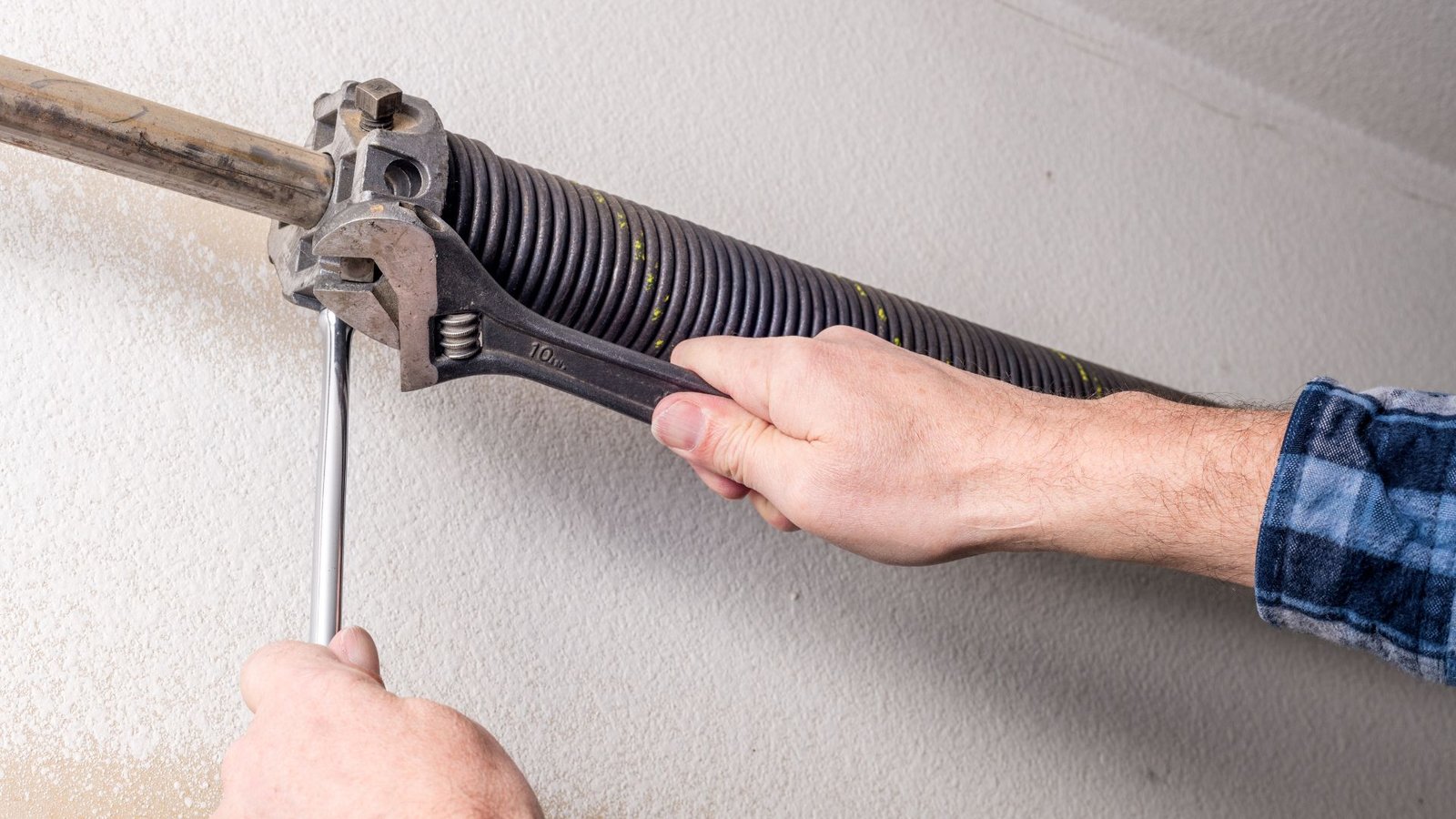
Garage Door 1 Spring vs 2 Springs: Which Option Saves You More? When you’re facing a noisy or stuck garage door, it might be time to look at the springs. As a homeowner in The Woodlands, Texas, you’re not alone if you’re unsure whether your garage door should have one spring or two. It might seem like a small detail, but this choice can make a big difference in your door’s performance, safety, and lifespan. Let’s break down the differences between garage door 1 spring vs 2 springs and help you choose what’s best for your door system, budget, and peace of mind. Understanding Your Garage Door Spring System Your garage door doesn’t open with just the push of a button from your garage door opener. The opener helps, but most of the heavy lifting is done by the springs. Garage doors can weigh several hundred pounds, and the spring system handles that pressure. Common Types of Garage Door Springs Most garage doors in The Woodlands come with one of two systems: Torsion spring: Mounted above the door opening on a metal shaft called a torsion tube. It uses torque (rotational force) to lift the door’s weight with a smooth, balanced motion. Extension spring: Stretches and contracts to counterbalance the garage door weight. Located on either side of the door and generally used on lighter or older door models. Garage Door Torsion Spring: What It Does A torsion spring works by applying torque to help lift the door off the ground. As the torsion spring winds and unwinds, pressure is distributed evenly through the torsion tube and cable drums. This controlled force helps keep the door stable as it opens and closes. Why Would You Use More Than One? Some garage doors operate with one torsion spring, while others use two torsion springs instead. The number of springs you need depends on several factors: The weight of the door The door height The spring size (spring length and wire size) Desired lifespan Type of garage door opener you’re using One Spring vs Two Springs: Key Differences Systems with One Spring Having a single torsion spring is often chosen in budget installations or lighter single-car garage doors. It’s a simpler setup but lacks some important benefits. Pros: Lower initial cost Fewer parts mean quicker installation Cons: If one spring breaks, the whole door stops working Shorter lifespan due to more strain Imbalanced lifting can stress your garage door opener Many homeowners find themselves calling for garage door service sooner when using only one spring. Systems with Two Springs Two torsion springs offer better performance and longevity, especially for a heavy or two-car garage door. Pros: Even pressure distribution If one breaks, the other can temporarily keep the door stable Smoother, quieter operation Longer lifespan and reduced stress on the garage door motor Cons: Slightly more expensive upfront Requires a skilled garage door company to install and balance properly Why Two Springs Instead of One Could Save You Money At first glance, choosing one spring for your garage door may seem cheaper, but consider what happens when that single spring breaks. Your door may slam shut, the cable can whip loose, and your garage door opener might strain to lift the door. Choosing two springs instead of one brings peace of mind and often lowers repair costs over time. Benefits of having two springs instead of one: Extends the lifespan of individual springs (since weight distribution is shared) Reduces wear and tear on the sides of the spring and cables Helps maintain door balance, especially for steel rolling door models Makes garage door spring replacement safer and easier Converting to Two Springs: Is It Worth It? If your garage door currently has one spring and it’s time for a new spring, converting to a dual spring setup could be a smart move. Here’s when converting to two springs makes sense: You own a two-car garage door You’ve had a broken spring within a few years of installation Your door feels off-balance when using the door manually The current spring system strains or squeals when the door opens Many garage door companies in The Woodlands recommend this upgrade during garage door repair or during a new garage door installation for long-term reliability. How to Know What Springs You Need Not sure which spring system your door uses or needs? You’re not alone. Many homeowners run into this question when something breaks or during garage door maintenance. Here’s how to tell: Check These Indicators: Look above the door: if there’s one spring on a metal tube (torsion tube), that’s a single torsion spring. If you see two shorter springs on each side of the door, it may be extension springs. Consider the door weight. Heavier doors generally need two torsion springs for balanced operation. Ask yourself: how often are you using the garage door? Higher cycles mean faster spring wear. Knowing the weight and spring size your door needs is key to selecting a good spring system that will last. Garage Door Springs and Safety Remember, springs are under intense pressure. Whether it’s torsion spring systems or extension springs, trying to replace them without special tools can be extremely dangerous. When a spring goes, it can damage the cable, fly out of place, or leave your whole door stuck. You should never attempt garage door spring replacement yourself unless you have the right experience. We always recommend working with a trusted local garage door professional in The Woodlands, especially when the ends of the spring fail or the springs work unevenly. The Role of Garage Door Opener and Cables Don’t forget the rest of your garage door system. While springs are doing the heavy lifting, the opener guides the door, and cables keep the door secure as it opens and closes. If the springs are mismatched or failing, they can strain the opener and unspool the cable drums. That’s why a balanced spring system is essential to stop the door from suddenly dropping

Read More
November 25, 2025 admin No Comments

Garage Door Torsion vs Extension Springs: Which Type Should You Choose?

If you’ve ever taken a look at the springs attached to your garage door, you might have noticed they’re not all the same. In fact, when it comes to garage door springs, there are two main types: the torsion spring and the extension spring. If you’re not sure which type you have or which one you need, you’re not alone. Many homeowners across The Woodlands, Texas, ask the same questions when faced with a broken spring or a new garage door installation. Let’s walk through the key differences between torsion and extension springs, and help you make an informed choice for your garage door setup. What Are Garage Door Springs, and Why Are They Important? Garage door springs are essential for lifting the heavy weight of the door smoothly and safely. These springs store energy and use it to help with door movement, whether you’re opening or closing it manually or using a garage door opener. Without a properly functioning spring system, the door opener would struggle—or fail entirely—to lift the door, which could weigh anywhere from 130 to 400 pounds, depending on the size, material, and design. Types of Garage Door Springs There are two main types of garage door springs: Torsion Springs Extension Springs Each of these types serves the same basic function but does so in a slightly different way. Let’s break them down. Torsion Spring: Power and Stability A torsion spring operates using torque and is mounted above the garage door. When the garage door is closed, the spring winds up, storing energy in the form of tension. That energy is released as rotational force when the door opens, helping the motor work more efficiently. How Torsion Springs Operate Springs are mounted directly above your garage door opening. As the door closes, the torsion springs store energy by winding tightly. When the door opens, that stored energy unwinds smoothly, assisting the lift. Torsion Springs Offer These Benefits: Longer lifespan compared to extension springs Provide more controlled and balanced door movement Torsion springs are generally safer than extension springs because they are securely mounted Better at minimizing strain on the door and supporting the garage door opener Design of Torsion Springs Their helical design (a type of helix) allows them to apply consistent torque, making door operation smoother and limiting wear and tear over time. They tend to wear more slowly than extension springs, especially with regular maintenance. Extension Spring: Simpler and Budget-Friendly An extension spring system is typically mounted on either side of the garage horizontally above the door tracks. These springs stretch when the garage door closes and compress to assist in lifting when the door opens again. How Extension Springs Work Springs are usually placed on each side of the door When the door is closed, the springs stretch, storing energy As the door opens, the stored energy releases to lift the door Extension Springs Offer These Advantages: Lower cost in most cases Often the go-to option for older or budget garage door systems Takes up less space in the garage (residential) ceiling area Downsides of Extension Springs: More prone to wear and tear Extension spring breaks can send parts flying, increasing the risk of injury Require safety cables to reduce the danger when a spring breaks Shorter lifespan compared to torsion springs Extension Springs Come in Pairs Often, they come in sets of two, mounted on either side of the garage door for balance. If one spring fails, it’s recommended to replace both for consistent performance and door operation. Key Differences Between Torsion and Extension Springs Let’s take a closer look at the difference between torsion and extension systems. Feature Torsion Springs Extension Springs   Mounting Location Mounted above the garage door in a metal shaft On either side of the door, above the tracks Motion Type Uses torque (rotational motion) Uses tension (stretching motion) Lifespan Longer–up to 20,000 cycles Shorter–around 10,000 cycles Safety More secure and springs are safer Higher risk if spring breaks Cost Higher initial cost Extension springs are more budget-friendly Door Movement Smooth, even door opens and closes Can be jerky or uneven in door movement Maintenance Less frequent if properly installed Requires regular checks for damage to the springs Ideal Use Best for residential and commercial garage doors Better suited for light-duty setups Torsion Springs vs Extension: Which Should You Choose? Still unsure between torsion vs extension springs? Here’s a quick summary. Choose torsion springs if: You want a smoother, more reliable operation Your garage door is heavier or used frequently You’re focused on long-term cost and safety You have a newer or more modern garage door system Choose extension springs if: You’re working within a tighter budget You have an older setup that already uses them Your garage door is lightweight Why It Matters for Your Garage in The Woodlands Choosing the right type of spring doesn’t just improve how your garage door operates—it extends the lifespan of your springs, reduces wear, and keeps your family safer. The weight of the door, how often you use it, and even the garage setup all influence which spring type will perform better. If a spring breaks, it can bring everything to a halt. That’s why we strongly recommend getting help from a professional garage door service to inspect, install, or repair your door spring system. Whether you’re dealing with garage door spring repair or planning a spring replacement, getting expert advice from someone you trust makes a big difference. At 2Quick Garage Doors, we specialize in helping homeowners in The Woodlands stay safe and secure with quality garage door solutions. When to Call for Garage Door Spring Repair or Replacement Here are some signs that it might be time to look into garage door spring replacement or repair: The garage door is closed and won’t open You hear a loud snap or pop—this could mean a broken spring The door opens unevenly or too quickly There’s a visible gap at the end of the spring Your garage door

Read More
November 21, 2025 admin No Comments

Single Garage Door vs Double: Which One Saves Money and Boosts Curb Appeal?

Single Garage Door vs Double: Which One Saves Money and Boosts Curb Appeal? Trying to decide between a single and a double garage door for your home? You’re not alone. Homeowners across The Woodlands are often unsure which setup is best for their budget, lifestyle, and curb appeal goals. Whether you’re building a new garage or replacing an old garage door, there are a few key factors to weigh before making your decision. Let’s break it down in simple terms so you can confidently choose the right garage door for your home. Understanding the Basics: Single Garage Door vs Double Before we go into the nitty-gritty, here’s a quick overview of what we mean when we talk about single and double garage doors: Single Garage Door: Typically used for one car and about 8’ or 9’ wide. Double Garage Door: Designed to fit two cars, often around 16’ wide or more. Most residential garage doors come in standard widths of 8’, 9’, or 16’ feet wide. The garage door size you choose can affect not only your vehicle storage but also how you use your garage overall. Key Considerations When Choosing Between a Single or Double Garage Door The difference between a single garage door and vs double is more than just size. Here are the key things to consider: 1. Garage Space and Layout Ask yourself: What’s the total size of your garage? If you have a 20×20 garage or larger, you might have the flexibility to go either way. Two single garage doors allow each car to operate independently. One double garage door offers a wide door opening, which is helpful if you want to back a trailer or park an SUV. Consider whether you use your garage as a workshop or need storage space on the sides. Two singles create a central wall section, while a double garage door allows for a broader, uninterrupted interior. 2. Convenience and Operation Opening one door at a time may seem small, but over time, it impacts convenience. With a double door, one garage door opener can control the full width. With two single doors, you’ll need two different door openers – more buttons and more moving parts. Think about how quickly you want access to your whole garage. If you often need the whole vehicle area open, a single double garage door may feel easier. 3. Cost Difference: Materials and Labor Yes, budget matters. Here’s how the cost difference can play out: 2 single doors require two garage door openers, two sets of hardware, and double the installation labor. A 1 double door could cost more upfront for the wide door, but might save on openers and parts. However, labor costs for two single doors can stack up. If you’re aiming for the most budget-friendly option, choosing one door that’s wide may be the smarter bet. Check out our professional garage door installation services to get an accurate quote. 4. Curb Appeal: The Face of Your Garage First impressions matter. The style and symmetry of your garage door make a noticeable impact on curb appeal. Two singles can create a balanced and traditional look. A one large double door offers a modern and seamless appearance. Modern garage doors come in a variety of styles, including wood, steel, and glass. Whether you want to match your home’s architecture or stand out on the street, door style plays a role. 5. Security and Maintenance When it comes to safety and maintenance: A single garage door has fewer mechanical parts if you only install one opener. Double doors mean you only have one big moving part to maintain, but it’s heavier and more complex to repair. Also, with two single garage doors or one double garage door, the chance of one failing while leaving the other operable only applies to the setup with 2 doors. 6. Temperature Control and Weather Sealing In The Woodlands, where the weather can shift, two singles often provide slightly better insulation since there’s more framing between them. A double garage door may lose more heat or air depending on its seal and insulation. 7. Vehicle and Entry Access You’ll want to match your garage door with your vehicle lifestyle: Drive a truck or SUV? A tall door or wide entry might be necessary. Only have one car? A smaller, single garage door may be plenty. Need to avoid hitting car doors or mirrors when opening? Two singles let you space out the vehicles. If you have two cars or more, it’s best to plan your garage door size around at least 18 feet wide to accommodate parking and movement. Should You Choose Two Singles or One Double? Here’s a quick look at when different options make sense: Garage Type Best Option Why It Works   Garage with 2 cars 1 double Easier to open, fewer operating parts Need backup entry 2 single doors One door may still work if the other fails Want to store tools 2 single doors Lets you partition space Looking for symmetry 2 singles Enhances curb appeal Parking a large vehicle 1 wide door Simplified entry for trucks/SUVs Smaller garage Single door More space along side walls Every home is different. Selecting the right garage door setup depends on how you want to use your garage day-to-day. If you’re still debating 2 single doors or 1, think about what meets your needs beyond just the number of vehicles. Choosing Between a Single and Double Garage Door: Key Takeaways If you’re comparing single doors vs double garage door options in The Woodlands, here are some final thoughts: Single garage doors offer more customization and backup options if one opener fails. Double garage doors provide sleek looks, ease of operation, and a bit more space for moving cars in and out. The garage door may look better depending on your home’s design, whether you’re opting for traditional or modern garage doors. Always factor in total garage space, your budget, and what’s best for your home

Read More
November 20, 2025 admin No Comments

Garage Door With Windows vs Without: Which Style Boosts Curb Appeal?

Garage Door With Windows vs Without: Which Style Boosts Curb Appeal? Thinking about installing a new garage door and can’t decide between a garage door with windows vs without? You’re not alone. Many homeowners wonder if the added style and light from glass panels are worth the trade-offs in privacy or energy efficiency. Let’s walk through everything you need to know before making the switch. Pros and Cons of a Garage Door With Windows A garage door with windows is more than just a stylish statement. It brings a number of benefits to your home — but there are also practical considerations to keep in mind. Benefits of Adding Windows to Your Garage Door Here’s what makes garage door windows an attractive option: Natural light: Windows allow sunlight to shine into your garage, reducing your reliance on artificial lighting during the day. This can be helpful if you use the garage for hobbies, a workshop, or as a home gym. Curb appeal: An attractive garage door with windows can increase the curb appeal and even help sell your home. Design customization: With a variety of window designs, glass options, and panel configurations, windows in garage doors let you match your garage door to your home’s exterior. Resale value: Doors with windows may help boost your home’s resale value, especially in markets like The Woodlands, Texas, where upscale curb appeal makes a difference. A row of windows in the top section of the door can add light without sacrificing too much privacy. You can even select tinted or frosted glass to control visibility. Downsides to Consider While windows in the garage door have their perks, there are also trade-offs: Privacy concerns: Glass windows may expose the contents inside your garage to prying eyes — including tools, cars, and stored items. Security risks: Unfortunately, glass windows can be a potential break-in point. This risk is higher if the windows are not placed high on the door or are made with non-reinforced glass. Insulation and energy efficiency: Garage door windows will reduce the wall’s overall R-value (a measure of insulation). Unless you use double-pane or insulated windows, heat or cold could leak in. Maintenance: Another con — windows require additional cleaning, and over time, the seals on glass can wear out, especially in varying climates. Doors Without Windows: The Simple Alternative If your garage has no windows currently, a new garage door without windows is a solid option, particularly if your goal is privacy and better insulation. Advantages of Solid Garage Doors Here’s what makes garage doors without windows compelling: Better energy efficiency: A door without windows has a higher R-value, keeping your garage more stable in temperature year-round. That can really help bring down energy bills. More secure: Solid doors offer greater security and privacy, especially if your garage faces the street or is used for storage. Lower up-front cost: A new garage door without windows is generally less expensive. There are fewer components to build and maintain. Less maintenance: No glass panels mean fewer things that can get smudged, scratched, or broken. Limitations of a Door Without Windows However, going this route isn’t perfect. Here are some disadvantages: No natural light: If you use the garage during the day, not having any windows means you’ll rely completely on electric lighting. That could be frustrating during a power outage. Less aesthetic appeal: While it’s possible to choose a stylish design, the absence of windows can make the exterior look flat. Missed curb appeal: Doors have windows for a reason — they simply look more refined and help tie together the home’s exterior. Factors to Consider When Deciding When considering which type of door is right — garage door with or without windows — think about how you use your garage, what look you want, and your energy and privacy concerns. Key Questions to Ask Do you want a garage door that offers extra light during the day? Is energy efficiency and insulation a top priority? Are you concerned about security or visibility from the street? Does your garage function as more than just car storage — perhaps a studio or workspace? Glass Options and Practical Add-Ons If you’re leaning toward garage door windows but want to mitigate the downsides, there are smart options available: Tinted windows: Tinted windows allow natural light to pass through while reducing solar heat gain and visibility from outside. Frosted glass: This glass offers both style and privacy, blocking prying eyes without shutting out the light. Insulated windows: Double pane or insulated garage door windows can help maintain energy efficiency. Top section placement: Keeping the windows in the top section of the door helps maintain privacy and adds a stylish look without reducing security. Each of these window designs keeps style and practicality in mind. It’s all about finding the right balance. Material Matters: Steel, Aluminum, and More The type of door you choose also affects performance and style: Steel garage doors: Durable, long-lasting, and energy-efficient — great for doors with or without windows. Aluminum garage doors: Lightweight and rust-resistant, perfect for a modern look, especially with glass garage panels. Insulated garage doors: Ideal for reducing temperature fluctuations inside your garage, especially important if you use the space year-round. Whether you want a garage door that’s bold and eye-catching or discreet and practical, you have options that cater to all preferences and needs. Ready for a New Look? Choosing between a door with windows or without doesn’t have to be a guessing game. It all comes down to your priorities: privacy vs. light, aesthetics vs. energy performance. Not sure which direction to go? Our team at 2Quick Garage Doors can help walk you through the decision and provide professional garage door installation you can trust. Need inspiration? Check out these garage door styles for your home to get a better feel for your options. Final Thoughts: Garage Door With Windows vs Without The decision over whether to get a garage door with windows vs without really boils

Read More
November 18, 2025 admin No Comments

How to Winterize a Garage Door and Keep Cold Air Out for Good

How to Winterize a Garage Door and Keep Cold Air Out for Good Winter is right around the corner, and if your garage isn’t properly sealed up, that cold air is going to sneak its way inside. Whether you use your garage for storage, as a workspace, or just to keep your car out of the elements, a chilly, inefficient space can become a problem fast. If you’re wondering how to winterize a garage door in The Woodlands, Texas, you’re in the right place. This guide will walk you through practical steps to winter-proof your garage, improve comfort, and even lower your energy costs along the way. Why Winterizing Your Garage Door Matters Your garage door is essential to protecting your garage from wind, rain, ice, and everything The Woodlands’ winter brings with it. A poorly sealed or uninsulated overhead door allows cold air, moisture, and pests to enter—leading to rusted tools, frozen pipes, and less energy efficiency in the home. Winterizing your garage door can help: Keep the garage warmer and more energy-efficient Protect stored items from moisture and temperature swings Extend the life of the door and its moving parts Reduce heating bills if your garage is attached to your home Whether you’re doing a full garage winterization or just trying to keep warm air in, these tips will help you make sure your garage is ready for winter. Step 1: Inspect Your Garage Door Closely Before anything else, inspect your garage door for cracks, gaps, and general wear. Check: Around your garage door for light seeping through The door panel edges for cracks or warping The door frame and hinges for signs of rust or damage The garage floor where the door closes for gaps under the door If light, wind, or water is getting in, the door isn’t doing its job. This is where garage door weatherstripping and other seals come into play. Step 2: Seal Gaps with Weatherstripping and a Threshold Seal Sealing is crucial when winterizing your garage door. Cold air has a sneaky way of entering wherever it can. Here’s how to eliminate drafts: Add or replace the garage door weatherstripping. This gasket material lines the perimeter of the door and compresses when closed to block air and water. Install or inspect the threshold seal – a strip that attaches to the garage floor and meets the bottom of the door to block wind, dust, and water. Use a high-quality sealant or caulk to fill cracks in the wall or door frame for extra protection. The goal is full perimeter sealing—no gaps means better heat retention and draft control. Step 3: Insulate Your Garage Door and Walls Garage door insulation is a game-changer. If you want to keep your garage warm and reduce heat transfer, you must insulate your garage door and garage walls. There are a few options to choose from: Foam board insulation: Rigid panels offer a high R-value (insulation rating) and are easy to cut and install. Reflective foil insulation: Reflects radiant heat and is ideal in warmer climates like The Woodlands, where temperature swings can go both ways. Door insulation kits: Pre-cut to fit most doors, they’re great for DIY insulation projects. Don’t forget to insulate the walls and any windows in the garage with proper building insulation material to maximize efficiency. Having an insulated garage door can make a noticeable difference in both comfort and utility bills. If your current door isn’t cutting it, it may be time to replace your garage door with a new insulated door. Step 4: Lubricate All Moving Parts Cold weather can stiffen moving parts, causing your overhead door to open and close slower or even jam. Be sure to: Use a garage-rated grease lubricant on ball bearings, hinges, and rollers Wipe down any exposed metal surfaces to prevent salt or moisture-induced rust Check the door’s alignment and balance as part of basic garage door maintenance Regular upkeep extends the life of the door and keeps everything functioning smoothly. Get expert help with garage door maintenance services if things seem off during your inspection. Step 5: Prepare Your Garage Floor Your garage floor takes a beating during the winter months. Between ice melt, moisture, and salt from the roads, it can deteriorate or become slippery. Here are ways to protect it: Use an epoxy paint or sealant that resists water and road salt Apply a non-slip garage floor coating to prevent accidents Lay down rubber mats or polyvinyl chloride runners in high-traffic areas Prep now and your winter garage will be safer and easier to clean throughout the season. Step 6: Consider a Garage Heater for Extreme Cold If you truly want to keep your garage warm, installing a small garage heater might be worth considering. This is especially important if: Your garage is attached to your home You use your garage as a workspace You store temperature-sensitive items Pairing a heater with proper door insulation and wall insulation can create a surprisingly cozy space during even the coldest days. Make sure to follow safety guidelines for space heaters and ventilation if your heating system isn’t central. Step 7: Winterizing Your Garage Should Include Extra Small Touches Sometimes, it’s the little things that make a big difference. As part of winterizing your garage door and space, you can: Add insulation behind electrical outlets with foam gaskets Caulk around windows and doors Install weatherproof gasket seals around the window edges Use natural rubber draft blockers along the bottom of side doors Check vents for pest entry points and seal accordingly You can also find helpful advice on air sealing your home. From chemical substances in salt to dust and moisture that can build up, protecting your garage from winter elements is about creating a holistic barrier. Should You Replace Your Garage Door? If you’ve done all the above and your door just doesn’t seal properly or insulate well, it might be time for a new garage door. Look for a modern insulated garage

Read More
November 14, 2025 admin No Comments

How to Align Garage Door Sensors Quickly and Safely Without a Pro

How to Align Garage Door Sensors Quickly and Safely Without a Pro Having issues with your garage door not closing? It might not be your opener or remote – your garage door sensors may be out of alignment. If the green or red light on the sensor is blinking or off, it’s a clear sign that something’s off with alignment. Fortunately, aligning your garage door sensors doesn’t have to mean calling a professional right away. You can often fix this issue yourself with a few basic tools, some patience, and the right guidance. In this guide, we’ll walk you through how to align garage door sensors step-by-step so your garage door works smoothly and safely again. Why Garage Door Sensors Are Essential Garage door sensors are a critical part of your home’s safety system. They use infrared light to send and receive signals across the bottom of the garage doorway, detecting if anything is in the path of the closing door. If something blocks the laser beam – a car, pet, or child – the door will stop or reverse to avoid injury or damage. If the sensors aren’t aligned properly, they’ll think something is in the way even when nothing is. That’s when the garage door refuses to close or keeps reopening. So making sure the sensors are aligned is not just about convenience – it’s about personal safety too. Signs That Your Garage Door Sensors Aren’t Aligned Before you dive into a fix, be sure you’re actually looking at an alignment issue. Here are some clues: One of the sensor lights is off or blinking The garage door closes partway and then immediately reverses You have to press and hold the button on the wall control to close the garage door A flashing light appears on your garage door opener These are all red flags that your garage door sensors are misaligned. How Do Garage Door Sensors Work? Garage door sensors work as a pair. You’ll find two sensors mounted on each side of the garage doorway, a few inches off the ground. One sends an infrared beam, and the opposite sensor receives it. When that laser beam is blocked or sensors are out of alignment, it prevents the garage door from closing. Time and use can cause these sensors to shift. Kids knock them, bumps loosen them, or vibrations from the garage door opener shift the mounting bracket over time. Luckily, realigning them is easier than it sounds. Align Garage Door Sensors in 7 Simple Steps Follow this step-by-step guide to get your garage sensors back in perfect sync. 1. Turn the Power Off Before you touch anything, turn off the power to the opener at the breaker box. This prevents any injury and protects the sensors. Optional safety tip: Wear electrically insulated gloves to protect against accidental contact with wires. 2. Inspect the Sensors Check that the sensor lenses aren’t covered in dust or grime. Dirty lenses can block the infrared beam. Use a clean, soft cloth to gently wipe off each sensor. 3. Check for Obstructions Ensure nothing is blocking the sensors. Sometimes, a forgotten bike tire, storage box, or even spiderwebs are all it takes to stop the door from working properly. 4. Loosen the Screws on the Mounting Brackets Gently loosen the screws holding the sensors in place. Be careful not to completely remove the screws – you just want to adjust the sensor height and angle. Once the screws are loosened, you should be able to slide the mounting brackets up or down. 5. Align the Sensors To align your garage door sensors, use either a string or a level: Option A – With a Level: Place a level on top of one sensor Adjust it until the bubble is centered Repeat on the opposite sensor Option B – With a String: Tie a string from one end of the garage to the other, across the garage doorway Line up the sensors with the string so they point directly at each other Ensure the line is level using your level Once sensors are level and aligned with one another, your alignment is close to complete. 6. Tighten the Screws Once you’re confident the sensors are aligned, tighten the screws in the mounting brackets to hold everything firmly in place. Be careful not to overtighten, which could break the brackets or strip the screws. 7. Restore Power and Test the Sensors Go back to your breaker and turn the power to the garage door opener back on. Press the wall button or remote to close the garage door If the door moves properly without reversing, your alignment is successful If you still have problems, it’s time to test the sensors again or realign them until the sensor is working as expected. What If the Sensors Still Aren’t Working? If you’re still having issues, try these troubleshooting steps: Make sure the fuse isn’t blown See if one yellow light is lit while the other is dark – that suggests the opposite sensor isn’t receiving a signal Inspect for broken wiring or cracked casing Try slightly tilting the sensor downward, then redo your alignment And remember: some older models (like certain Chamberlain or LiftMaster systems) can be more sensitive to small misalignments. If the alignment process still doesn’t fix it, consider reaching out for professional help. When to Call a Garage Door Professional Sometimes, no matter how many times you try to realign, the sensors just won’t cooperate. That could be due to: A damaged garage door opener Bad internal wiring Overly bent or broken mounting bracket In that case, the safest move is to call a garage door specialist. For fast, expert help you can trust in The Woodlands area, check out our garage door repair services. A local tech can provide the door service to align or replace sensors and make sure every part of your system is working properly. You’ll save time, avoid potential injury, and keep your garage door trouble-free.

Read More
November 13, 2025 admin No Comments

Carport vs Garage: Which One Adds More Value to Your Home and Why?

Carport vs Garage: Which One Adds More Value to Your Home and Why? Deciding between a carport or a garage for your property can feel overwhelming, especially when you’re trying to figure out which one adds more value, offers better protection for your vehicle, or simply makes more sense for your home in The Woodlands, Texas. Understanding the real-world differences between a garage and a carport can help any homeowner make a smart, well-informed decision. Let’s break it down in simple, practical terms. The Basics: What Is the Difference Between a Carport vs Garage? Before diving into cost, aesthetics, and added value, let’s define the key terms to clear up any confusion. What is a Garage? A garage is a fully enclosed structure with four walls, a solid roof, and often includes one or more garage doors that can be opened and closed for secure vehicle storage. A garage provides protection from: Rain Snow Hail Ice UV (ultraviolet) rays Pollen Tree sap Dust Insects Garages are enclosed, often attached to the main house, or can be a detached garage, giving more flexibility in design and layout. A garage offers weather protection and adds extra functionality like storage space, a workshop, or even a home gym. What is a Carport? A carport is usually an open-sided structure with a roof supported by posts. Unlike garages, carports are typically not fully enclosed and don’t have doors or walls on all sides. Carports are typically: Made from metal, wood, or other building materials Placed adjacent to or in front of the home Easier and cheaper to build Carports offer overhead protection from sun, rain, and falling leaves but minimal protection from wind, dust, and theft. Because they have no doors or four walls, carports provide less security and storage space than a garage. Cost Comparison: Carports vs Garages For many homeowners in The Woodlands, the biggest factor is cost. Let’s compare. Feature Carport Garage   Average Cost $2,000 – $6,000 $16,000 – $40,000+ Construction Time Faster Slower Permits Often simpler More complex Maintenance Lower Higher Carports cost significantly less upfront and are easier to build. Garages, boasting a fully enclosed structure, come with a higher additional cost but offer more long-term benefits. If you’re looking to invest in home improvements, the cost to build a garage might be justified by the security, curb appeal, and functionality it adds. Protect Your Vehicle: Which One Does It Better? Let’s be honest: no one enjoys scraping frost off a windshield in the morning or stepping into a burning-hot car during a Texas summer. If your top concern is to protect your vehicle year-round, then the differences between a garage and a carport matter. Garages Provide Greater Protection A garage is a much more secure place to park your car. Enclosed parking means shielding vehicles from UV rays, air pollutants, rain, hail, and storm debris. Lower risk of theft or vandalism. Better insulation to manage temperature fluctuations. Garages can also double as storage space or a place to work on your car, adding more value. Carports Are Weather-Friendly, But Limited A carport may protect against sunlight, rain, and tree droppings. Doesn’t prevent wind-blown dust, pollen, or insects. Offers no security for stored items. A carport usually works best in milder climates where heavy storms or theft risk isn’t a major concern. Garage and Carport Design: How Do They Affect Curb Appeal? The appearance of your home matters – especially when you’re thinking about how to add value to your property or enhance curb appeal. Garage Aesthetics A garage to match the style of your home can do wonders for property value. You can: Add a garage with siding and a garage door that enhances the front of the home. Use it as a functional living space, a shed, or a workshop. Improve insulation, HVAC, and even ventilation (architecture) features. Want to improve your current look? Try a professional garage door installation to update the curb appeal instantly. Carports and Visual Impact Metal carports, while cost-efficient, can sometimes look industrial and not complement a home’s architecture. However, quality carports designed correctly can still improve the style of your home, especially with decorative posts or roofing materials that blend in. Carport or Garage: Does It Affect Property Value? Now to the big question: which one will add value to your home in The Woodlands? Garages May Add More Long-Term Value A garage provides: Enclosed structure with four walls Better resale appeal Potential living space or home gym Extra storage space More secure parking Many homeowners planning to sell their home down the road find that garages often provide a return on investment, especially if the space is finished, insulated, and aesthetically pleasing. Carports Cost Less, Add More Flexibility If you’re not ready for the investment, carports offer: Quick protection for your car from the elements Lower upfront costs Easy installation (especially suitable for carports that don’t have local permit restrictions) Installing a carport may make sense if: You need immediate protection from the sun or rain. You live in a neighborhood without strict building codes. You don’t want the additional cost of full garage construction. Converting a Carport into a Garage: Is It Possible? Don’t think you have to choose just one. If you already have a carport, you can enclose it and turn that carport into a garage. Here’s what to consider: Building codes: The Woodlands may have specific zoning rules about what structures can be built or enclosed. Foundation: You may need to update the flooring or foundation to support the extra walls. Garage door: Adding a garage door provides full closure and security. Cost: Lower than new garage builds but higher than simple carport upgrades. Carport-to-garage conversions are popular among homeowners who want to maximize space on their property without a full rebuild. When to Build a Garage Instead of a Carport You should build a garage if you: Want a fully enclosed garage space with HVAC and storage. Need a place to work on

Read More
November 11, 2025 admin No Comments

Roll Up Garage Door vs Regular: Which One Saves More Space & Money?

Roll Up Garage Door vs Regular: Which One Saves More Space & Money? Trying to decide between a roll-up garage door and a traditional garage door? You’re not alone. Many homeowners and business owners in The Woodlands, Texas find themselves comparing features, space requirements, and cost to figure out what fits their garage best. Both options are strong in their own right—but depending on your ceiling space, budget, and style preferences, one may stand head and shoulders above the other. Let’s dig into the differences to help you make an informed choice. What’s the Difference: Roll-Up Garage Door vs Regular? Before we weigh pros and cons, let’s clarify what we mean by “regular”. In most homes, a traditional garage door refers to a sectional garage door, also called a sectional door or overhead door. These doors are made of horizontal panels that roll back, parallel to the ceiling. A roll-up garage door (also called a rolling door or rolling steel door) works differently. As the name suggests, it coils into a drum above the garage opening, making it ideal for garages with limited overhead space. How Roll-Up Garage Doors Work Roll-up garage doors consist of narrow steel slats that roll tightly into a coil. These are commonly used in commercial and industrial settings, but their benefits make them appealing to residential garages too. Key Features of a Roll-Up Garage Door: Designed to coil into a narrow drum Slats made from heavy-duty steel Takes up less overhead space Often used in loading docks, warehouses, and storage units Typically offers enhanced security How Sectional Overhead Doors Work Sectional garage doors operate by lifting panels upward along tracks that run parallel to the ceiling or roof. When the door is opened, it lies flat just below your ceiling space. Key Features of a Traditional Sectional Door: Made of steel, fiberglass, or wood panels Slides into tracks mounted on your walls and ceiling Well suited for most residential applications Allows room for customization and aesthetics Often highly insulated, which helps with temperature control Comparing Benefits: Roll-Up Garage Door vs Sectional Space Efficiency Roll-up garage doors are winners when space is tight. Since the doors coil above the opening, they don’t interfere with lights, HVAC systems, or fire sprinkler systems mounted on your ceiling. This makes them perfect for garages with limited overhead space. In comparison, a sectional door needs clear overhead space, which might limit lighting and plumbing layouts in garages with complex design or construction elements. Maintenance and Durability Roll-up doors typically have fewer moving parts, thanks to their slat-based coil structure. That translates to less wear and tear, easier regular maintenance, and extended durability, particularly useful in commercial or industrial applications. Sectional doors have hinges, rollers, and multiple panels—each creating more potential points of wear over time. However, quality designs can still handle heavy usage with proper care. Insulation and Energy Efficiency If thermal insulation matters more to you (say, if your garage is attached to your home or stores temperature-sensitive items), sectional steel garage doors often have better insulation options. You’ll find options like heavily insulated sectional doors, which can help regulate temperature in your garage and even impact your heating, ventilation, and air conditioning (HVAC) bills. Roll-up doors also come in insulated variations, but they typically don’t insulate as well as sectional steel doors unless custom-upgraded. Security When it comes to enhanced security, commercial roll-up doors shine. Their solid steel construction and compact design make them difficult for an intruder to tamper with. That said, modern steel garage doors also offer solid locks, manual release systems, and smart opener systems that help keep your home or business secure. Cost and Investment Roll-up doors may come at a higher upfront cost, particularly for residential usage. However, they can be a better long-term investment in high-use settings due to their ability to handle heavy usage and require less maintenance. Sectional garage doors typically cost less at installation, especially basic models. They’re also more common and may be more affordable when shopping for a new garage door. Quick Table: Roll-Up vs Sectional Feature Roll-Up Garage Door Traditional Sectional Garage Door   Overhead Space Minimum needed Requires ceiling space Installation Cost Higher upfront cost Lower cost options available Maintenance Fewer moving parts Hinges and rollers require care Insulation Moderate, customizable Excellent with insulated models Security Extremely durable Good, varies by model Aesthetic Variety Limited designs More options and materials Common Use Commercial & tight-space garages Residential homes Ideal Applications for Each Type Choosing the right garage door depends on your specific space, budget, and what you want from the door. A Roll-Up Garage Door Is Ideal If: You have limited ceiling space You need something strong for a commercial or industrial setting You want to minimize regular maintenance You value enhanced security A Sectional Garage Door Is Ideal If: You’re designing or renovating a new garage in a traditional home Insulate the space for controlled temperature You want a stylish steel garage door with good aesthetic options You have enough overhead line and ceiling structure to support it Considerations Beyond Cost Choosing between a roll-up door and sectional door isn’t just about price. Think about how the doors are designed, how they move inside the garage, and whether they fit your building insulation needs. Also, be aware of features like doors that roll fully above the garage, smart opener integrations, and personalized design elements. For help with a proper fit, consider getting a professional garage door installation from experienced installers who understand layout limitations in The Woodlands, Texas. Final Thoughts When comparing a roll-up garage door vs regular, the “right choice” depends on your garage’s needs and layout. Need tough, compact, and secure? A roll-up garage might be the way to go. Want cost-efficient, well-insulated, stylish options? A traditional sectional garage door may be perfect. Still unsure which garage door for your home matches your needs? Work with a trusted door company that understands The Woodlands and can assess your space in your

Read More
November 7, 2025 admin No Comments

Long Panel vs Short Panel Garage Door: Which Style Boosts Curb Appeal?

Long Panel vs Short Panel Garage Door: Which Style Boosts Curb Appeal? Choosing the right garage door may seem simple, but when it comes down to long panel vs short panel garage door designs, the decision can impact your home’s curb appeal more than you might think. Let’s break it down so you can feel confident in selecting the panel garage door that matches your style, budget, and the role in your home’s exterior. Understanding Panel Garage Door Styles Your garage door isn’t just about function. It’s one of the first things people notice about your home. Whether you go with a long panel garage door or one with short panel doors, your choice affects the surface of the door and the visual interest it adds. What Are Short Panel Garage Doors? Short panel garage doors, sometimes called “raised” or “colonial” panels, feature more rectangular panels along the width of the garage door. These panels add depth and classic styling to traditional homes. Panels are smaller and typically more numerous Often feature raised garage door panels, adding shadow and texture Match well with smaller or detailed architectural styles Short panel doors offer decorative appeal and work beautifully when the garage door complements colonial or craftsman homes. What Is a Long Panel Garage Door? Long panel garage doors, or “ranch-style” panels, have fewer, broader rectangular panels. These doors offer a smoother look, making them popular for more modern or streamlined homes. Fewer panels with more width across the garage Often complement mid-century or newer builds with horizontal lines Create a less busy appearance in your garage panel door Long panel doors are often chosen to give a modern look, especially when combined with flush panels or glass inserts. Difference Between Long and Short Panel Garage Styles Let’s compare the two based on details that matter: Feature Short Panel Doors Long Panel Doors   Number of Panels More (smaller rectangles) Fewer (elongated rectangles) Decorative Effect High – more detailed shadowing Subtle – smoother, elongated style Best For Traditional or detailed homes Modern or minimalist homes Fits With Vertical lines, raised panels Horizontal lines, flush panels Panel Design Vibes Classic, textured Clean, contemporary look Panel Garage Door Design Guide: What to Consider Before choosing between short and long panel garage styles, consider a few elements beyond just looks. Architectural Style Traditional homes? Go with raised short panel garage doors. Contemporary builds? A long panel garage may better complement your architecture. Garage Door Materials Door panels are available in various materials: Steel garage door – Steel is the most popular garage door material thanks to durability and affordability. Wood and wood composite doors – Add warmth, but can be prone to discoloration and bleaching. Fiberglass or vinyl doors – Offer limited design options but resist rust and require less maintenance. Glass panels – Perfect for a contemporary look that complements modern aesthetics. Function & Comfort Flush panels offer a modern, seamless surface of the door. Raised garage door panels add texture and visual interest. Building insulation options matter if your garage connects to your home. Design Options & Customization Panel design goes beyond appearance. Many garage panel doors feature additional touches like: Carriage house panels add a rustic charm Long beadboard panels for a craftsman effect Short and long bead board styles for hybrid appeal These elements help improve your home’s overall aesthetic. Choosing Between Long and Short Panel Garage Styles Ultimately, choosing the right garage door panel types comes down to personal preference. Here’s what you can do to decide: Look at your home’s exterior – Does it have ornate trim, vertical lines, or a sleek facade? Think about how wide your garage is – The width of the garage door can influence how many panels you want across the face. Consider maintenance and materials – Some materials like aluminium or composite may better fit your goals for durability or upkeep. Factor in energy efficiency – Heavily insulated panel doors provide better thermal performance. Need Help Choosing the Right Panel Garage Door? If you’re a homeowner in The Woodlands, Texas, still unsure about whether short or long panel garage doors are the right fit, you’re not alone. The good news? We’re here to help. At 2Quick Garage Doors, we specialize in guiding homeowners through choosing between long and short panel garage door options. Whether you want a garage door that’s easy to open, matches your home, or adds a little decorative flair, we’ll make sure you get what’s right for you. Ready to upgrade your new garage door? Reach out for professional garage door installation and free new door estimates. Your garage door plays a huge role in your home’s curb appeal – make sure it says the right thing about you.

Read More
October 31, 2025 admin No Comments

Insulated vs Non Insulated Garage Door: Which One Saves You More?

Insulated vs Non Insulated Garage Door: Which One Saves You More? If you’re thinking about upgrading your garage door, you’re probably staring at a bigger decision than you expected. Should you choose an insulated garage door or a non-insulated one? And more importantly, which one is actually going to save you money in the long run? Let’s break down the differences between insulated vs non insulated garage doors in practical, easy-to-understand terms, so you can make the right choice for your home in The Woodlands. What Is the Difference Between an Insulated and a Non-Insulated Garage Door? At a basic level, it all comes down to what’s inside the garage door. An insulated garage door has built-in thermal insulation material like polystyrene or polyurethane to help regulate temperature inside your garage. A non-insulated garage door is just that – a single door without any type of insulation. Types of Insulation Used in Garage Doors There are a few common types of insulation that builders use in garage doors: Polystyrene panels – lightweight and cost-effective, but with lower R-values (a measure of thermal insulation effectiveness). Polyurethane foam – injected into the panel and expands for a denser, more effective barrier with higher r-value results. Why Insulation Matters in The Woodlands Climate Living in The Woodlands, Texas means dealing with heat and humidity for a big chunk of the year. If your garage gets direct sun or if it’s attached to your house, temperature creep can affect adjoining rooms like bedrooms or living spaces. An insulated garage door helps slow heat transfer and keeps the temperature inside the garage more stable, making a big difference in comfort and efficiency. Key Benefits of an Insulated Garage Door Choosing to insulate your garage door can come with several real-world benefits. Improves Energy Efficiency Whether you’re using your garage as a workshop, laundry area, or for storage, garage door insulation keeps outside air out and cool air in. That means your air conditioning isn’t constantly fighting the weather. Helps save on your energy bill Reduces demand on your home’s heating, ventilation, and air conditioning system Enhances Comfort An insulated door adds an extra layer between your home and whatever the thermometer says. Keeps space warmer in the winter Maintains a cooler environment in the summer Helps if you use the garage as a home gym, office, or living space Offers Noise Reduction Anyone who’s spent time in a garage with an opener and metal tools knows there’s plenty of vibration and noise. An insulated garage door naturally dampens sound. Less noise from outside (like lawnmowers or traffic) Quieter garage door operation Excellent noise control if the garage is under or next to a bedroom Better Durability and Strength A non-insulated door is essentially just a thin sheet of steel or wood, which makes it more vulnerable to dents. Insulated options are: More durable due to multiple layers Able to withstand bumps and bangs better Less warping due to extreme temperatures or moisture Value-Adding Curb Appeal If you’re thinking about selling your home or just want to improve its look, an insulated garage door contributes to visible quality. Increases curb appeal Looks more finished and complements your home’s design When a Non-Insulated Garage Door Might Work There are cases where a non-insulated garage door might fit your needs – especially if you’re on a tight budget or don’t use your garage often. A Few Scenarios Where They’re a Fit: You’ve got a detached garage where temperature control doesn’t matter The garage is solely for vehicle storage or basic utility access You plan to install a new garage door soon but need a temporary solution Just understand that a non-insulated garage door can cause higher energy costs in homes with attached garages, and it offers no barrier to the outside temperatures or moisture. Key Differences at a Glance Feature Insulated Garage Door Non-Insulated Garage Door   Insulation Materials Polystyrene or Polyurethane foam None Energy Efficiency High Low Noise Reduction Yes None Durability More durable and dent-resistant Less protection against weather and impact Investment Cost Higher upfront investment Lower initial cost Comfort Keeps it usable year-round Affects adjacent interior areas R-value Higher the R-value, better the performance R-value of 0 What R-Value Should You Look For? The higher the R-value, the better the performance of the thermal insulation. For most residents in The Woodlands, a garage door with an R-value between R-9 and R-17 will help manage typical climate needs. Use polyurethane-insulated models for the best option in terms of performance A denser foam-stuffed panel equates to better thermal protection Can You Insulate an Existing Non-Insulated Garage Door? Yes, you can. DIY garage door insulation kits are available at hardware stores. These often include foil, foam, or sheet panels you can attach to your existing door. But it’s worth noting: Results are limited compared to a factory-insulated door Installation can take some time and may require weather-seal adjustments Saves some energy, but not always significant If you’re not handy or want it done right, consider a professional garage door installation or maintenance from a local expert you can trust. Common Misconceptions “My garage is just for my car, I don’t need insulation.” Actually, even storing a car or vehicle in a non-insulated garage can expose it to rapid temperature swings, affecting battery health and overall longevity. “It doesn’t get that cold in The Woodlands, so insulation isn’t necessary.” While we don’t experience extreme cold often, heat gain is a major issue. An uninsulated door invites unnecessary energy waste in the summer months. “Insulation adds too much weight.” Modern insulated doors are engineered not to place excess strain on your opener. Just be sure it’s compatible and calibrated following any renovation. Has Insulation Made a Huge Difference for Others? Absolutely. One local customer who converted their garage into a workshop shared how adding polyurethane insulation and a propane heater helped them use the garage comfortably during last winter’s cold snap. They even said it “made a huge difference”

Read More