Garage Door Installation Services In The Woodlands, TX

Get Stress-Free Garage Door Service in The Woodlands, Texas

Make a call

(346) 574-0359

Email address

info@garagedoorswoodlandstx.com

January 9, 2026 admin No Comments

Garage Door Wall Button Not Working, But the Remote Works? Here’s How To Fix It

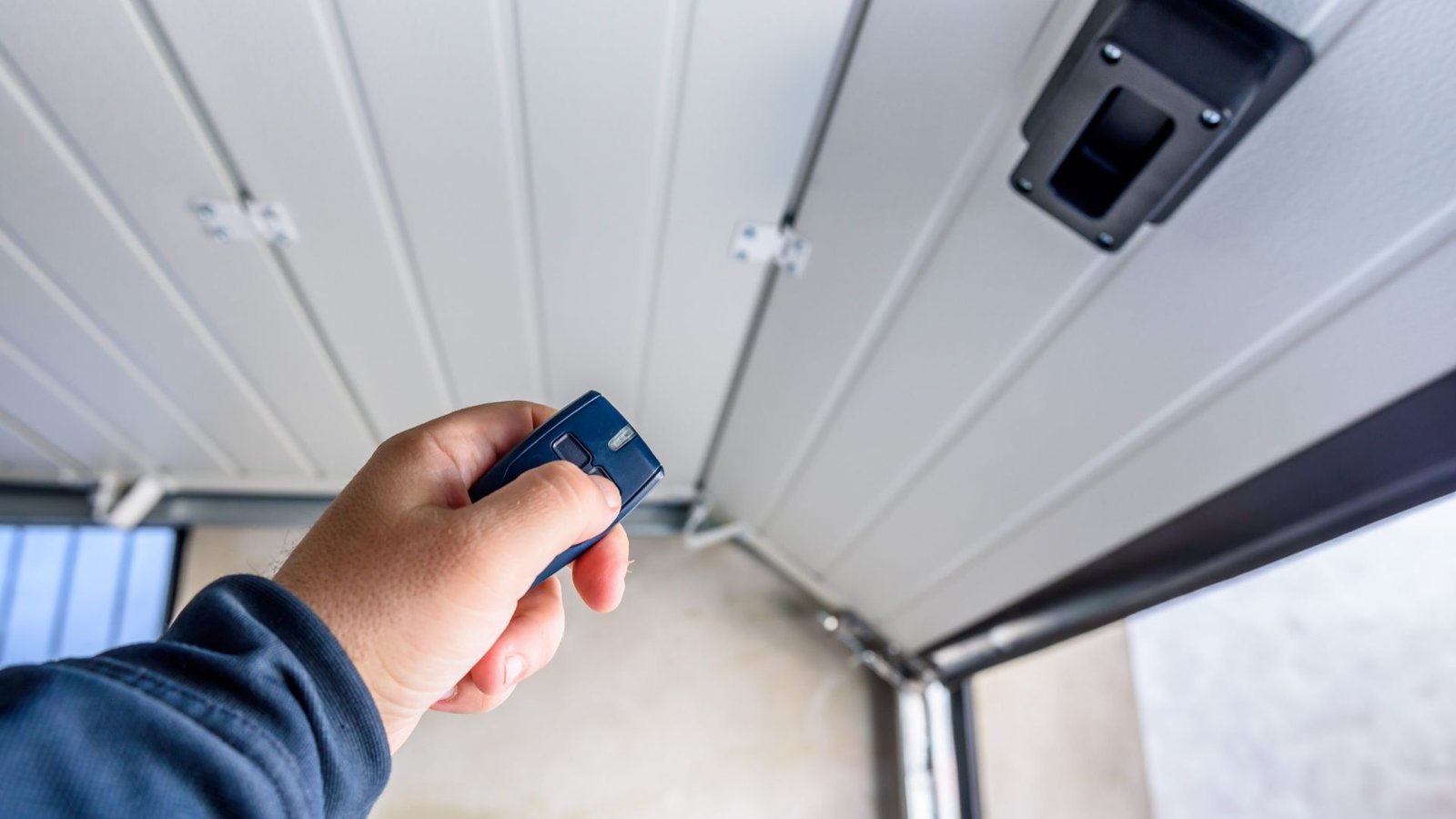
Garage Door Wall Button Not Working, But the Remote Works? Here’s How To Fix It If your garage door wall button is not working but the remote works, you are not alone. This is a very common issue for homeowners in The Woodlands, Texas. The good news: if the remote control still works, your garage door opener and motor are usually fine. The problem is almost always with the button, wall control wires, or a small wiring issue. Below is a clear, step-by-step way to troubleshoot the problem so you can decide what you can safely try yourself and when it is time to call a professional technician. Common causes when the garage door wall button is not working When the door opens and closes with your remote but not from the button on the wall, the issue is usually one of these common causes: The wall control is locked, damaged, or its contacts are worn. Low voltage or loose electrical wiring at the screw terminal. Broken or shorted wire between the button and the garage door opener motor unit. The logic board inside the opener has a bad circuit for the wall control. A recent power outage or surge confused the electronics and a simple reset is needed. The fact that the door moves from the remote means the power supply and power source are probably fine and the safety sensor system and photo eye are doing their job. Check the garage door opener power supply and safety basics Before touching anything, confirm the opener actually has power and is safe to work around. Look at the opener housing on the ceiling and confirm that the LED light or indicator on the unit is on. Make sure the circuit breaker for the garage is not tripped. Verify the photo eye sensors near the bottom of the garage door are aligned and their LED lights are solid, not blinking. If needed, unplug the opener and plug it back in to perform a basic reset (computing) style reboot of the electronics. If the opener runs from the remote and the door operates normally, you can move on to the wall control itself. How to troubleshoot the wall button and wall control Most LiftMaster, Chamberlain, Genie, and similar units use a simple low-voltage wired wall control. Here is how to quickly diagnose if the wall control needs to be replaced or if it is a wiring problem. 1. Confirm that the button on the wall is the problem Stand by the wall control and: Try to press the button normally. Then press and hold it for a few seconds. If nothing happens and there are wall control lights (small LED indicators) that should be on but are dark, that points to power or wiring. If the button still works intermittently or only when you push very hard, the wall control is likely worn out. Also check: The faceplate screws are snug. The cover is not cracked or full of dust and dirt. If the button on the wall is cracked or loose, you will probably need to replace the wall control. 2. Check the wiring and connections at the wall and opener Next, you will check the wiring at both ends. Turn off power at the circuit breaker or unplug the opener for safety. Remove the wall control from the wall and gently pull it out so you can see the wall control wires. Make sure the connections are secure under the tiny screws on the back of the wall control. At the opener on the ceiling, check the low-voltage terminal labeled for wall control or Door. Tighten each screw so the wires are secure in the screw terminal block. Loose connections, corrosion, or a nicked wire can stop the button from working, even when remotes and new remotes work fine. Simple test: bypass the wall control and test the wiring If tightening the screws did not solve the problem, you can test the wiring with a simple jumper. If you are not comfortable with basic electrical repairs, skip this step and call a local technician. At the opener, disconnect the wires for the wall control from the low-voltage terminal. Cut a short piece of wire and wire and strip about 1/2 inch of insulation off each end. Use this as a jumper wire and briefly touch the bare ends to the two wall control terminals. If the door opens or closes when you do this, the garage door working behavior tells you: The logic board and button on the motor unit circuitry are fine. The problem is likely in the wire run in the garage door wall or in the wall control itself. If the jumper does nothing, the garage door opener’s internal wall-control circuit or logic board may be faulty, and the unit needs to be replaced or professionally repaired. Try a garage door opener reset and learn button check Since your remote control still works, we know the radio side is fine, but it can still help to verify the learn button and memory. Locate the button on the motor (also called the button on the motor unit) typically labeled “Learn” on LiftMaster, Chamberlain, and others. Lightly tap the learn button and confirm the LED light near it responds. Do not hold it long enough to erase remotes, unless you plan to reprogram with a new remote or new remotes. Follow the manufacturer’s instructions for a soft reset if available. If the garage door opener isn’t responding properly to this or the logic board is acting erratically, that again points toward internal electronic failure instead of the wall button. When to call a professional technician in The Woodlands, Texas If you reach any of these points, it is better to call a professional: You are not comfortable working with low-voltage wiring or electrical repairs. The jumper test worked, but you cannot easily rerun new wire inside the wall and disconnect the old cable. You suspect a bad logic
Read More
January 7, 2026 admin No Comments

How Do I Know If My Garage Door Sensor Is Bad? 7 Signs to Check Immediately

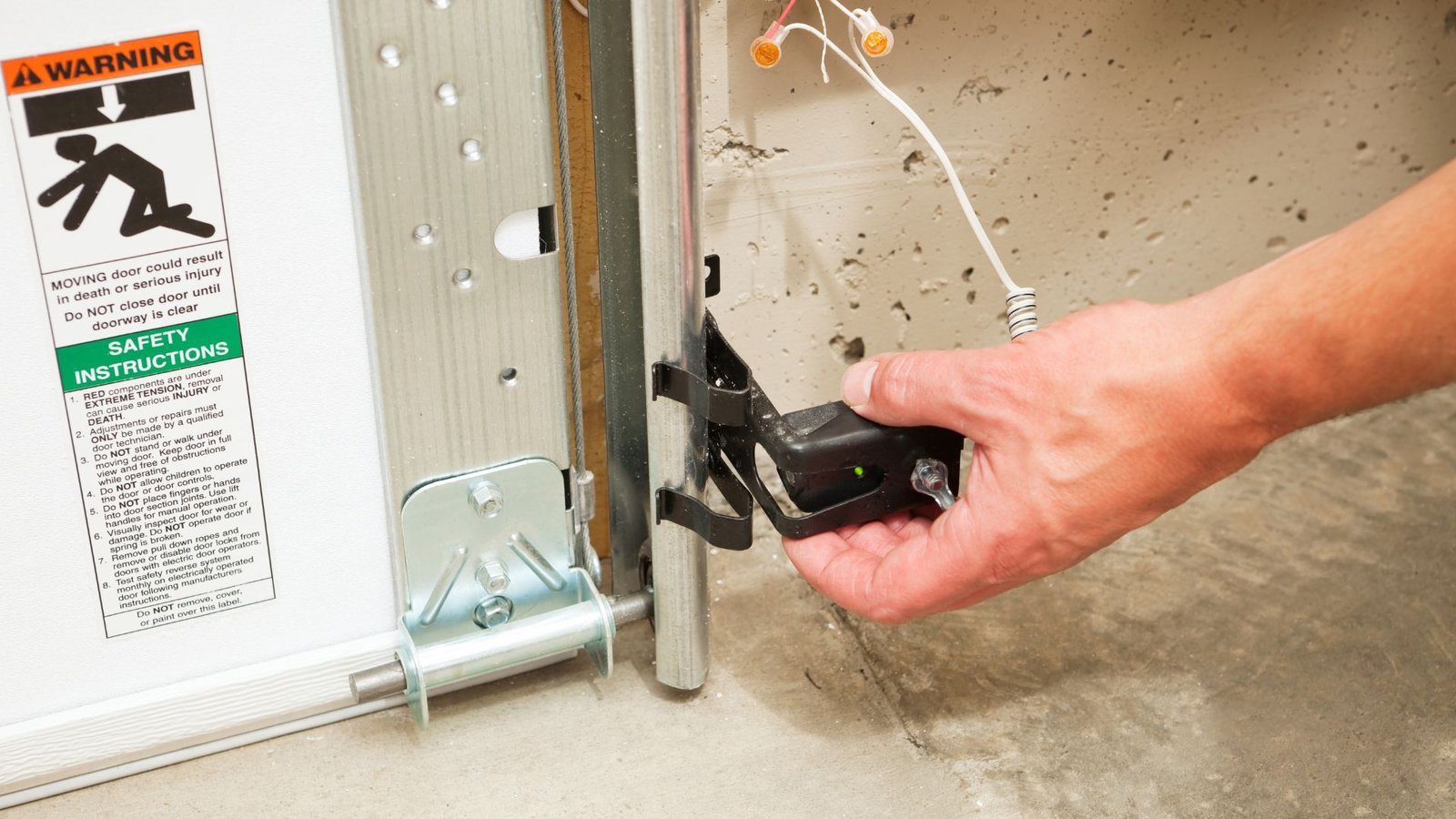
How Do I Know If My Garage Door Sensor Is Bad? 7 Signs to Check Immediately If you have a garage door refusing to close or acting strangely, your first thought is usually the springs or the garage door opener. But very often, the problem starts with a small part near the floor: the sensor. Your automatic garage door has two sensors on either side, near the bottom of the garage door frame.  These are part of the safety features that can prevent the door from closing on a person, pet, or your car. When these sensors go bad or get misaligned, your door will not close, or it will behave like it has a mind of its own. Below, we will walk through how garage door sensors work, the most common signs of sensor issues, simple troubleshooting steps, and when it is time to replace the sensors or call a professional garage door technician in The Woodlands, Texas. How Garage Door Sensors Work & Why They Matter Modern garage door sensors play a critical safety role. They sit on the sides of the garage door, a few inches off the floor, attached to a mounting bracket on each side of the door. Here is how these door sensors work: There are two sensors: One sensor sends an infrared beam across the garage doorway. The receiving sensor picks up that beam on the opposite side of the door. If something is directly in the path of that beam, the sensors prevent the door from closing. If the beam is blocked, misaligned, or there is sensor failure, the opener will stop or reverse the door opening or closing to prevent the door from closing on anything. These safety eyes are an important safety feature in any automatic garage door system. When the sensors work correctly, they help prevent injuries and damage. When they malfunction, they can prevent the door from closing at all. 7 Common Signs Your Garage Door Sensor Is Bad If you are wondering “How do I know if my garage door sensor is bad?”, start with these signs. Any of these problems with your garage door can point to sensor issues. 1. The door will not close or won’t close unless you hold the button If your garage door refuses to close from the wall button or remote, but it will close the garage door only when you hold down the wall button continuously, your safety sensor may be the issue. Most openers, including LiftMaster and similar brands, are designed so that holding the button down overrides the safety mechanism. When you have to do this, it is a clear warning that the sensor is not working properly. 2. Door closes normally sometimes, then suddenly reverses If the door closes normally on one try and then suddenly reverses halfway the next time, that inconsistency points to a possible sensor malfunction or misalignment. The sensors could be: Slightly misaligned Intermittently blocked by debris or a spider web Experiencing loose sensor wires or wiring problems This kind of intermittent malfunctioning garage door behavior is very common when sensors start to fail. 3. Flashing lights or unusual LED lights on the sensor Each sensor has small LED lights that tell you if the sensor is working or not: One sensor usually has a steady light when it is powered. The receiving sensor should have a solid light when the infrared beam is lined up. If one sensor is dark, flickering, or a light is blinking, the sensor may have: Misalignment Wiring issues Internal sensor failure Pay close attention to what the lights are doing, as they often point directly to the problem. 4. The sensor lenses look dirty or foggy Your sensor lenses sit near the floor, so they collect: Dust and dirt Grass clippings Debris and weather-related grime Spider web buildup If the lenses are dirty, the sensors could interpret that as something blocking the infrared beam. That will prevent the door from closing properly and can make it look like the sensors go bad, even if they are fine. 5. Sensors are obviously misaligned or loose on the bracket If you look at the sensors on either side of the garage door and notice: One sensor is pointing slightly up or down The mounting bracket feels loose A screw is missing or the bracket is bent Then alignment issues are very likely. Even a small misalignment can prevent the safety sensor from seeing the infrared beam. In this case the sensor is still probably good, but it needs to be aligned correctly so the sensors work as designed. 6. Sunlight interference at certain times of day Direct sunlight can interfere with the infrared beam on some garage door systems. If you notice the door doesn’t close the garage at a specific time of day when the sun hits one side of the door, that is a clue. In those cases: The sunlight can trick the receiving sensor. The opener thinks something is in the way, so it will prevent the door from closing. You can sometimes install a sun shield to help keep the sensors working despite the sun. 7. Visible damage to the sensors or wiring If there is clear damage to the sensors or sensor wires, such as: Cracked plastic on the sensor housing Exposed electrical wiring A bent bracket on the side of the door Wires pulled loose from the back of the sensors Then it is likely time to replace the sensors and possibly address wiring problems in the garage door system. This type of damage to the sensors can happen from kids, pets, tools, or even a car tire hitting the sensor. Simple Troubleshooting Steps Before You Call a Professional Before you assume you need garage door sensor replacement, you can start troubleshooting with a few safe, simple steps. Start troubleshooting your garage door with a safety check Unplug the opener to cut electricity to the system. Open the garage door and secure

Read More
January 5, 2026 admin No Comments

Garage Door Cable Snapped And Can’t Open The Door? Fast Fixes That Work Immediately

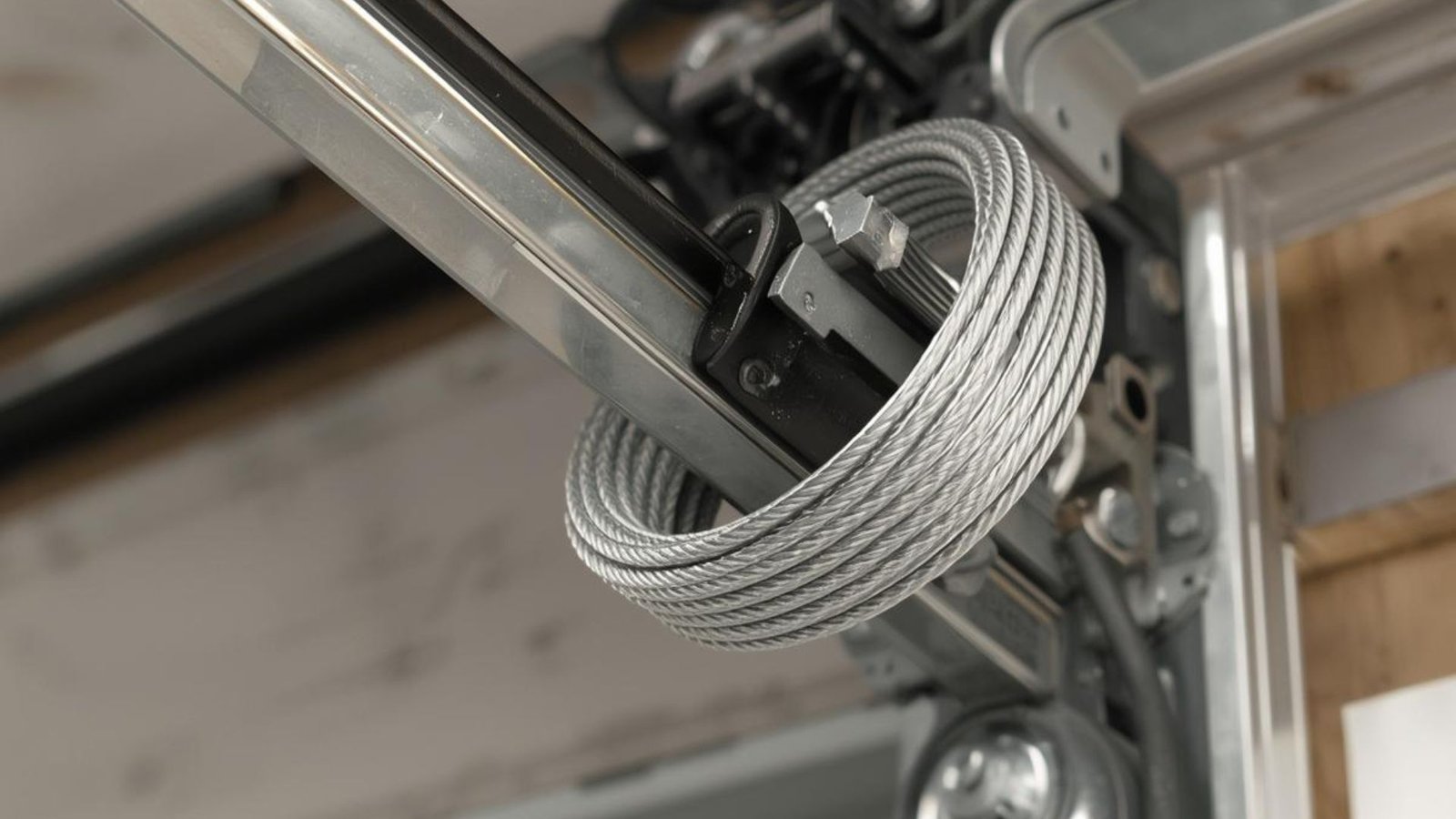
Garage Door Cable Snapped And Can’t Open The Door? Fast Fixes That Work Immediately If your garage door cable snapped and you suddenly cannot open the door, you are not alone. Many homeowners in The Woodlands, Texas discover the problem only when they need to get the car out in a hurry. This guide walks you through what is happening, what you can safely do right now, and when you should call a professional instead of trying to do it yourself. How Your Garage Door Cable Works With Springs & Opener A modern garage door uses a spring system and cables to help lift the heavy door with very little effort. Here is the simple version of the door mechanism: Torsion springs or extension springs provide the lifting force. Cables connect the spring system to the bottom of the door. A garage door opener pulls the door, but the springs and cables and springs do most of the work. Rollers on each side slide in the tracks to raise the door smoothly. When everything is set up correctly, the tension on both sides feels balanced, the pressure is controlled, and the door glides without much noise. If one of the cables breaks, comes loose, or unwinds from the pulley, the whole system becomes unbalanced very quickly. Signs Your Garage Door Cable Snapped Or Cable Is Broken You might not see the broken garage door cable right away, but you will usually notice something is wrong. Common signs include: You heard a loud snap or strange sounds from the garage. The door is crooked, sagging on one side, or jammed near the bottom of the door. One side of the cable is still tight while the cable on one side is loose or off the pulley. The opener runs but the door will not lift. There is a wire or cable hanging down near a bottom roller. If the cable is broken or one of the cables has come off the pulley, stop using the opener immediately to prevent further damage. Is It Safe To Open The Garage Door With A Broken Cable? A garage door with a broken cable is heavy, unstable, and can move suddenly. Trying to open the garage door when the cable snapped can: Bend tracks and rollers. Cause a broken spring or overload the torsion spring. Drop the door without warning and damage your car or injure someone. If the garage door cable snapped, do not try to lift the door like a normal lightweight door. The spring system is no longer doing its job correctly, and you have lost the assistance it normally provides to hold the door safely. In many cases, the safest move is to call a professional instead of attempting a risky diy fix. Emergency Basics: How To Safely Disconnect The Opener If the door is stuck partially open or closed and the opener keeps straining, you may need to disengage it. Most overhead door systems have a red cord that hangs from the opener rail. This emergency cord: Disconnects the door from the opener Lets you try to move the door manually (if it is safe) Important: If the door is very heavy, crooked, or you already know the cable is broken, do not try to lift the door on your own. Here is how the release lever works in general: Make sure the door is not in danger of falling – If it looks like it could drop, keep the door closed as much as possible and do not pull the cord. Stand to the side of the door – This helps prevent the door from hitting you if it moves suddenly. Pull the red cord firmly – This disengage feature disconnects the carriage from the opener trolley and disconnects the door from the opener. Once the carriage is released, the opener will run without moving the door. This can help prevent the door from being forced against a broken cable or roller. Can You Manually Open A Garage Door After A Cable Snapped? In some situations, you can manually open a garage door with extreme caution. However, if the cable snapped and the door is heavy or crooked, it is usually safer not to open the garage door at all. If you must try to lift the door to get a car out, take these precautions: Have at least two strong adults to hold the door. Use a sturdy ladder and clamps or locking pliers on the tracks to hold the door open if it does move. Keep the door supported at all times to prevent the door from dropping. Because a door with a broken cable can weigh more than you expect, it is easy for a homeowner to get hurt trying to raise the door. In The Woodlands, Texas, most reputable door company teams strongly recommend letting skilled technicians handle this kind of emergency. What To Do Right Away When A Garage Door Cable Snapped If your garage door cable snapped cannot open door, use this quick troubleshooting checklist: Stop pressing the opener remote – More pressure from the motor will not fix the problem and can cause more damage. Visually inspect the cables and springs. Look at each side near the bottom of the door. See if the cable needs to be reattached or if the old one is clearly broken. Check for rust on the wire, loose cable loops, or a cable on one side off the pulley. Check for a broken spring – A gap in the torsion spring or loose extension springs along the track can also stop the door. Check the sensor lights – While a sensor problem can keep the door from closing, it will not usually cause a snapped cable. Still, note anything unusual. Do not try to tighten or loosen the torsion system – The set screw and torsion spring tensioning bars are not diy items. They store huge energy and can cause serious injury. If anything looks

Read More
December 25, 2025 admin No Comments

Why Is the Garage Door Light Blinking and Not Opening? Fix It Fast Today

Why Is the Garage Door Light Blinking and Not Opening? Fix It Fast Today If you’re standing in your driveway, pressing the button on the remote, and your garage door won’t open but the garage door light is blinking,  don’t panic. You’re not alone, and this issue is more common than you might think. At 2Quick Garage Doors, we help homeowners across The Woodlands, Texas, troubleshoot these exact garage door problems every day. Let’s walk through why your garage door light is blinking and not opening, and how to fix it. Understanding Why the Garage Door Light Is Blinking First things first: when the opener light blinks instead of opening the door, the system is trying to alert you. Most modern garage door openers are programmed with self-diagnostic capabilities. If there’s a problem, it tells you by blinking a specific number of times. It’s like an error code system built into the garage door opener light. So, what does it mean when your garage door light blinks? The most common reasons include: Safety sensor issues Obstruction in the door’s path Wiring issues The door is locked via the wall control Logic board malfunction RPM sensor failure Let’s break these down step by step. Sensor Trouble: The Most Common Cause of a Blinking Garage Door Light Modern garage doors use a safety sensor system to prevent injury or damage. These sensors sit at the bottom of the door, and they send signals to ensure the path is clear before closing the door. If the sensors are misaligned or blocked, the opener won’t close the door, and the light will blink. Signs This Is the Problem: The garage door light blinks 10 times when trying to close the door One of the sensor lights (usually a green or amber light) is off or flickering You see an obstruction at the bottom of the door How to Fix It: Inspect both sensor lenses – Clean them gently with a soft cloth. Dirty or dusty lenses can interfere with the signal. Make sure sensors are properly aligned – The LED lights on both sensors should be solid (not flashing) when properly aligned. Inspect the wires from the sensors – Look for any loose connections or visible damage. Remove any obstruction – Check the garage floor for small objects blocking the sensor. If you recently nudged the sensor with a tool, car, or even a broom, it may be misaligned. A small nudge can go a long way in offsetting their alignment. The Lock Button Could Be Engaged Sometimes, the issue is right on your wall control. If the lock button on the wall is turned on, the door can’t be operated using your remote control. What to Check: Look for a light on the wall button or wall control panel. If it’s blinking, the lock is likely engaged. Press and hold the lock button for 3-5 seconds to disengage it. This simple solution solves more blinking garage door mysteries than you’d think! Wiring Issue or Damaged Wires Another possible culprit is damaged or loose wiring inside or near your garage door opener system. Symptoms: The light blinks a specific number of times after a failed attempt No power to sensors LED lights on sensors are off even after alignment Check These Areas: Inspect wiring connections between the opener unit and the safety sensor Check for pinched or broken wires along the garage wall, especially near mounting brackets A faulty wire may require professional help to safely fix. Read the Light Codes from Your Garage Door Opener Garage door openers, especially LiftMaster and Chamberlain models, use flashing patterns to tell you what’s wrong. Common Light Flashes: 4 flashes – Sensor wires are reversed or open 10 flashes – Obstruction or safety sensors are out of alignment Continuous blinking – Possible RPM sensor or logic board issue Other Reasons Your Garage Door Is Flashing but Won’t Open 1. The Door Is Locked Manually Inside the Garage Some doors have a manual lock feature. Check inside the garage near the tracks to ensure no lock bar is engaged. 2. Misaligned Tracks or Broken Rollers While not directly tied to the blinking, mechanical resistance combined with a strong safety feature will stop the door. Inspect the tracks and rollers for damage or obstruction. If the door lifts slightly, then stops and blinks, this could be your issue. 3. Garage Door Opener Malfunction or Logic Board Failure The logic board is like the brain of your opener. If it’s fried, glitched, or otherwise unresponsive, the system may only show blinking lights and no movement. This could happen after a power surge, storm, or age-related wear. In that case, you might need professional garage door opener repair or installation. Visit our page on garage door opener repair and installation for fast, local help in The Woodlands, Texas. 4. RPM Sensor Issues On belt-drive and screw-drive systems, the RPM sensor monitors motor rotations. A failed RPM sensor can trigger 5 or more flashes on the LiftMaster garage door models and cause intermittent opening. If your opener blinks but doesn’t even try to move the door, it could be a failed RPM sensor. Still Seeing a Blinking Light? Here’s What to Do Next If you’ve checked the obvious issues and still see a flashing garage door without movement, here are your next steps: Unplug the opener Wait 60 seconds Plug it back in This resets the system and sometimes clears temporary glitches in the motherboard or opener unit. Consider Calling a Pro If: You’ve addressed sensors, wiring, and locks, but the problem persists The logic board or RPM sensor needs replacement You see unusual or inconsistent lights flashing from the unit At 2Quick Garage Doors, we offer top-rated garage door service throughout The Woodlands, Texas. Whether it’s a safety sensor replacement, wiring issue, or a full opener logic board repair — we’re here to diagnose and fix your system fast. FAQs About Light Blinking but Door Not Opening What does it

Read More
December 23, 2025 admin No Comments

How Often Garage Door Maintenance Is Needed (and Why It Pays Off)

How Often Garage Door Maintenance Is Needed (and Why It Pays Off) Keeping your garage door in good condition might not be top of mind, but it plays a huge role in your daily routine. Whether you’re rushing to work or getting the kids to school, you rely on that garage door to open and close smoothly – every day. If you’re wondering how often garage door maintenance is actually needed, you’re not alone. Let’s break it down in plain English, so you know exactly what your garage door needs and when. Why Regular Garage Door Maintenance Is a Smart Move A garage door is a complex system with many moving parts. Over time, wear and tear build up. Hinges, rollers, sensors, springs, and cables all experience stress every time you open and close the door. Without proper care, small issues can grow into expensive problems. Routine maintenance helps: Keep your garage door running smoothly Prolong the lifespan of your door system Catch early warning signs before they become more serious Lower your long-term repair costs Maintenance isn’t just about avoiding failures; it’s also about keeping your family safe. A faulty torsion spring, loose cable, or misaligned sensor can create serious safety hazards. Plus, who wants to deal with a garage door failure in bad weather? How Often Should You Service Your Garage Door? You should service your garage door at least once a year. That’s the minimum for most homes. However, in places like The Woodlands, Texas, where weather changes can accelerate rust and debris buildup, twice a year might be best. When in doubt, consider how often you use it. If yours is the main entry and exit point, it’s working overtime. That’s extra stress on the door mechanism and all its moving parts. Signs Your Garage Door Needs Servicing: It’s taking longer than usual to open or close You hear unusual noise, grinding, or screeching The door shakes or moves unevenly You see rust, loose parts, or damaged hinges The sensor fails to detect objects and might not prevent the door from closing If any of these sound familiar, your garage door needs servicing sooner rather than later. What Does Garage Door Maintenance Include? A professional garage door maintenance check is more thorough than most DIY jobs. But if you’re comfortable tackling diy maintenance, you can start with the garage door maintenance tips from trusted sources. Still, a professional garage door technician will: Inspect and test all moving parts Examine the torsion spring, cables, rollers, and hinges Check door balance and door alignment Test the door opener and backup safety systems Apply proper lubricant to parts that need lubrication Clean out debris and look for signs of wear Don’t forget that regular garage door maintenance also helps spot minor issues early. That means fewer emergency calls and a longer lifespan for your door system. Should I Try Lubricating My Garage Door Myself? Yes, applying lubrication is something many homeowners in The Woodlands can handle. Just make sure you use the right lubricant (typically silicone-based, not grease) and apply it only to the rollers, hinges, and torsion parts as needed. Avoid overdoing it, and never lubricate the tracks, as that can cause more harm than good. When you lubricate properly: You reduce friction You quiet the noise You help the door operate smoothly Always test all the components after lubricating to ensure your garage door is functioning as it should. How Professional Maintenance Services Add Value Let’s be real, some jobs are just better left to pros. A garage door company like 2Quick Garage Doors here in The Woodlands offers targeted maintenance services to keep you safe and hassle-free. Professional maintenance ensures: The garage door operates safely and reliably No safety features are jeopardized You avoid downtime and potential hazards The door remains in working order through all seasons Don’t wait until you need to replace critical garage door parts because you skipped your annual service. Preventative maintenance saves money and stress over the long run. Looking for a complete breakdown of what professional care involves? Visit our guide on routine garage door maintenance in The Woodlands. Final Thoughts: Stay Ahead with Consistent Maintenance Still wondering how often garage door maintenance should be scheduled? In most cases, at least once a year is a good benchmark—though twice a year is ideal for a heavily used or older residential garage door. If your garage door needs servicing, don’t wait for it to break down. Keeping up with routine maintenance ensures your home stays secure, your car is safe, and your entryways remain reliable. So start with the garage door. Regular checkups, seasonal garage door tune-up appointments, and the occasional call to your trusted local garage door company can keep everything running smoothly and safely. Have questions or noticed some warning signs? Reach out to a local door company like 2Quick Garage Doors to help you maintain your garage door the right way.

Read More
December 19, 2025 admin No Comments

Chain Drive vs Screw Drive Garage Door Opener: Which One Wins for You?

Chain Drive vs Screw Drive Garage Door Opener: Which One Wins for You? If you’re trying to pick between a chain drive and a screw drive garage door opener, you’re not alone. Choosing the right garage door opener can feel like a puzzle, especially when you’re not sure what drives what – literally. At 2Quick Garage Doors, we’ve seen all kinds of garage door setups and know how crucial a smooth, reliable opener is for daily life in The Woodlands, Texas. Let’s walk through a clear comparison of chain drive vs screw drive garage door opener types to help you make the right choice for your garage. Understanding the Main Types of Garage Door Openers There are several garage door opener types out there, including belt drive, chain drive, and screw drive models. Each has different strengths depending on your home layout, garage use, and budget. Chain Drive Garage Door Openers Chain drive garage door openers use a metal chain – similar to a bicycle chain – to move the door up and down. They’re known for durability and strength, particularly with heavy garage doors. Pros of Chain Drive: Strong enough to lift heavy doors Generally, more affordable than screw drive and belt drive systems Reliable in a variety of climates and garage conditions Cons: Can be noisy, especially in garages with bedrooms above them Require periodic lubrication and maintenance due to the metal chain Chain drive openers are great for detached garages where noise isn’t a big issue. They’re also favored for larger or double-door setups. Screw Drive Garage Door Openers Screw drive garage door openers work using a threaded steel rod to move the door. Rather than relying on a chain or belt, these openers use a unique screw mechanism to lift and lower the garage door. Pros of Screw Drive Garage Door Openers: Fewer moving parts mean less maintenance over time Good at performing in hot or varying weather conditions Faster door operation Cons: Louder than belt drive openers Less ideal for very heavy doors or garage doors that require frequent cycling Screw drive openers offer strength and reliability with a little less fuss about upkeep. Still, they may not be the quietest choice – something to consider if your garage is connected to a living space. How They Compare: Screw Drive vs Chain Drive Garage Door Opener Let’s compare screw drive and chain drive garage door openers head-to-head: Feature Chain Drive Screw Drive   Noise Level Noisy (metal chain rattles) Quieter than a chain drive but not silent Strength Excellent for heavy garage doors Good, best for medium-weight doors Maintenance Needs Requires regular lubrication Minimal upkeep Speed Moderate Fast open/close speeds Durability Durable, weather-resistant Durable, good for hot climates Price Range Less expensive than a screw drive Often more expensive than a chain When comparing screw drive vs chain drive, think about where your garage is, how often you use it, and how much noise your home can tolerate. If your garage has a low ceiling or is attached to a bedroom, a screw drive or a belt drive might be better. The Belt Drive Option: A Comfortable Middle Ground Interestingly, there’s a third player in this conversation: the belt drive garage door opener. For homeowners who want quiet operation and smoother door travel, belt drives are worth a look. Belt drive garage door openers use a belt made from polyurethane, fiberglass, or natural rubber instead of a chain. This design is much quieter than a chain and requires less maintenance. Why Consider Belt Drive Garage Door Openers? Much quieter than a chain drive Smooth door operation – ideal for bedrooms over your garage Belt drive systems are known for reliability However, they can be more expensive than chain and screw drive models. If noise is your top concern, though, the quiet belt drive opener may be worth the investment. Pros and Cons: What’s Best for Your Garage and Lifestyle? Choosing the right garage door opener depends on how your garage sits within your home and what matters most – strength, speed, sound, or simplicity. Chain Drive Garage Door Pros and Cons: Pros: Strength, affordability Cons: Noise, more upkeep Screw Drive Garage Door Pros and Cons: Pros: Low maintenance, good for warm climates Cons: Noise, cost Belt Drive Opener Highlights: Pros: Very quiet, smooth movement Cons: More expensive than a chain drive Factors to Consider When Choosing the Right Garage Door Opener Before you decide on a type of opener, consider the following: Garage location: Is it attached to quiet parts of your home? Garage usage: How often do you open and close the garage door? Climate in The Woodlands: Screw drive systems are better equipped for heat, but belt drives handle humidity well, too. Weight and size of garage doors: Larger or insulated garage doors need more lifting power; chain and screw drives shine here. Your budget: Chain drives are more affordable but can mean more headaches in the long run. Trust a Garage Door Company That Knows The Woodlands, TX When you need help choosing the right garage door opener for your home in The Woodlands, 2Quick Garage Doors is ready. We understand the drive vs drive debate better than most because we serve real families right here – not just houses, but homes. If you’re looking for guidance or need help with installation, we’ve got your back. Learn more about our garage door opener repair and installation services today. Final Thoughts: Is Chain Drive or Screw Drive Right For You? In the battle of chain drive vs screw drive garage door opener, context is everything. If strength and affordability are key, a chain drive garage door opener makes sense. If you’re aiming for fewer maintenance needs and faster operation, a screw drive might be the way to go. Still leaning toward quieter performance? The belt drive opener offers a peaceful middle ground, especially for garages connected to sleeping areas. No matter which direction you choose, a well-chosen garage door opener keeps your

Read More
December 18, 2025 admin No Comments

How to Check Garage Door Spring Tension Safely and Fix Common Issues

How to Check Garage Door Spring Tension Safely and Fix Common Issues If you’ve ever found yourself wondering, “How do I know if my garage door spring tension is off?”  you’re far from alone. A garage door might seem simple, but behind those smooth open-and-close motions is a set of tightly wound springs that carry a lot of responsibility (and weight). Getting the spring tension right is essential for your garage door to work properly and, just as importantly, safely. Let’s walk through how to check garage door spring tension, what signs to look for, and when you should call a professional in The Woodlands, Texas, for help. Why Spring Tension Matters on Your Garage Door The garage door springs, whether torsion or extension, handle the heavy lifting every time your door opens or closes. These springs store mechanical energy to counterbalance the door’s weight, so your garage door opener or your own hands don’t have to fight gravity alone. When spring tension needs adjustment, things can go wrong fast: The door opens too quickly or drops suddenly. The door feels heavy or is hard to open manually. It opens unevenly or stops short. And in some cases, poor tension can even prevent the door from opening or cause grinding noises that signal serious wear. Let’s go over how to check to see if the tension in the springs is off. How to Know If Your Garage Door Spring Tension Is Off Try the Balance Test You can perform a simple balance test to check spring tension: Close the garage door completely. Disconnect the garage door opener using the release cord. Manually open the door halfway and let go (with caution). Watch the door. If the door stays halfway, your spring tension is likely close to proper. If the door moves up or down, the tension is either too high or too low. If it falls, the spring tension is too weak. If it rises, there might be too much tension. Other Signs Something’s Off Be on the lookout if: The door opens unevenly (one side of the door is higher). You notice fraying on safety cables. The garage door’s rollers seem to strain or drag. One of the torsion springs looks stretched or broken. The door suddenly shuts or slams. Noticing any of these means it’s time to check garage door components more thoroughly or call a professional. How to Identify Your Garage Door Spring Type Before anything else, you’ll want to know whether you have torsion springs or extension springs. Torsion springs are mounted above the door on the center shaft, parallel to the door. Extension springs are mounted on either side and stretch out when the door opens. Each style requires a different method for adjusting the proper tension. Checking and Adjusting Torsion Spring Tension What You’ll Need Winding bars (never use a screwdriver!) C-clamps Safety gear (gloves and eye protection) Socket wrench Steady ladder Help, if possible Steps to Inspect and Adjust Close the garage door fully. Clamp C-clamps on the track just below the bottom roller to prevent the door from falling. Insert the winding bar into the winding cone. Loosen the set screw on the cone using the socket wrench. Use the second winding bar to increase tension (turn upwards) or decrease it (turn downwards). Typically, ¼ turn equals a meaningful difference. Re-tighten the set screw. Remove tools, and test the door again using the balance test. Warning: Torsion springs are under immense pressure; *DIYers should proceed cautiously or call a service tech from a professional garage door company like 2Quick Garage Doors in The Woodlands.* Inspecting Extension Springs and Making Adjustments Extension springs use a pulley system to lift the door and are easier (though still risky) to adjust. Key Points for Extension Springs Check for even tightness on both sides. Locate the s-hook that connects the spring to the bracket. To increase tension, move the hook to a hole further from the door. To loosen tension, move it closer. Be sure to wear safety gear, and check the cables, as aging mounting hardware and cables prone to fraying can cause injury if not secured. When Extension Springs Need Replacing If the springs have become overstretched, inconsistent in length, or no longer original to the door, they may need removal and replacement. This isn’t uncommon, especially after spring breaks, due to age or spring life cycles. How Often Should You Check Garage Door Spring Tension? Experts typically recommend you inspect and test the door at least twice a year. That’s often enough to catch worn parts, stretch the spring evenly, and ensure the door opens and closes correctly. Lubricate the bearings, wheels, and cables while you’re at it. This basic maintenance can extend your garage door spring’s lifespan and keep everything running smoothly. Common Garage Door Spring Issues and What to Do Even minor signs can lead to big problems if ignored. Here are some issues you might face: Door Feels Too Light or Opens Too Fast This usually points to too much torsion; the spring tension needs to be reduced. An overpowered spring can be just as bad as a weak one, as it can fling the door open or even damage your garage door opener. Door Is Hard to Open or Doesn’t Stay Open This means not enough tension or a broken spring. If the door won’t stay up or falls quickly, it’s a major safety hazard. One Side Opens Higher Than the Other Often caused by side-mounted springs losing balance or uneven tension. This could signal worn pulleys or a need for spring adjustments. Grinding Noises or Jerky Motion This might relate to rusted or dry springs, rollers, or cables. Periodic lubrication helps reduce friction. When to Call a Professional Garage Door Service If you’re unsure about anything while inspecting or adjusting your garage door spring, it’s always safest to call a professional. At 2Quick Garage Doors in The Woodlands, our local technicians are trained to handle precision tasks

Read More
December 16, 2025 admin No Comments

Top Reasons Behind What Causes a Garage Door Spring to Break Fast

Top Reasons Behind What Causes a Garage Door Spring to Break Fast If you’ve ever found yourself wondering what causes a garage door spring to break, you’re not alone. One day, your garage door works just fine, and the next, it won’t budge. This sudden malfunction often traces back to one small but mighty component: the garage door spring. When your garage door won’t open, the culprit is often a broken spring. Understanding spring systems and why garage door springs break can save you time, frustration, and potentially money down the road. What Are Garage Door Springs and What Do They Do? Garage door springs are tightly wound coils of steel designed to counterbalance the weight of the door. Their main job is to help lift the door, whether you’re using it manually or with a garage door opener. Because garage doors can weigh hundreds of pounds, the springs are responsible for managing that weight safely and effectively. There are two main types: Torsion spring: Mounted above the garage door, these rotate to apply tension. A torsion spring may be more durable and offer smoother operation. Extension spring: Located on either side of the door, stretching and contracting to counter the door’s weight. Whether you’re dealing with one spring or two springs, when these springs fail, the entire garage door system is compromised. Why Do Garage Door Springs Break? Spring break doesn’t just happen on beaches – it happens right inside your garage. Let’s look at the most common reasons garage door springs break. 1. Simple Wear and Tear (The Most Common Cause) Most garage springs are made to last around 10,000 cycles. A “cycle” is one complete opening and closing of the door. If you use your garage door four times a day (a common scenario for many families in The Woodlands), that adds up fast. When springs reach the end of their lifespan, they snap. It’s not a matter of if, but when. Regular use plus time equals fatigue. Once that limit is reached, expect a spring break situation. 2. Rust Buildup Rust weakens the coils on your garage door spring. It increases friction and also leads to corrosion, accelerating the rate at which the spring wears out. Here’s how rust can cause problems: Rust adds unnecessary friction to the coil. Creates small cracks that weaken the steel. Leads to broken torsion or extension springs sooner than expected. To help prevent this, it’s a smart idea to lubricate your garage door spring regularly with white lithium grease or a silicone-based lubricant. This adds a protective layer and reduces friction. 3. Poor Maintenance or Lack of Lubrication Without proper lubrication, the chances of a broken spring go up significantly. A well-maintained garage system should be lubricated with white lithium grease two to three times a year. Keep an eye on other parts too, like the cable, garage door track, and rollers. These affect the door’s ability to lift and lower the door evenly and safely. 4. Incorrect Spring Size or Installation If a wrong spring or an incorrect spring is installed, you’re inviting trouble. An incorrect spring: Doesn’t match the weight of the door Changes the tension on the spring Can wear out faster or snap unexpectedly Always weigh the door and choose the correct spring size. Only a local garage door professional can safely ensure that the spring is installed correctly. 5. Sudden Temperature Changes In The Woodlands, temperature swings between seasons matter. Sudden freezes or heat can impact garage door components. In cold months, steel coils contract, creating additional stress. Combine that with years of use, and it’s a recipe for a broken garage door spring. Extreme temperatures can alter the amount of force needed to operate your garage door. This is when already weakened springs snap. 6. Unbalanced Doors and Misaligned Components When a garage door is not properly balanced, the strain doesn’t stay evenly distributed. That increases the chance of failure. Signs of imbalance include: The garage door seems heavy Loud noise during movement The door opens just a few inches before stopping This uneven wear strains unbroken springs and leads to early failure. If you notice these signs, call a professional before things get worse. 7. One Spring Breaks – The Other Will Too Most residential garage door setups have two springs. When one breaks, the other often follows soon after. Since springs are used at the same time, they experience the same wear. It’s a good idea to replace both springs even if only one has broken. This helps maintain balance and extends the life of your system. Signs You Have a Broken Garage Door Spring Not sure if a spring is broken? Here are common signs: Your garage door won’t open all the way There’s a loud bang (like a firecracker) from the garage You can’t lift the door manually The door feels very heavy Cables appear loose, but the cable isn’t broken There’s a visible gap in the torsion spring Don’t try to open the door using the door opener if you suspect a broken spring. It can damage the garage door opener or cause injury. Can I Replace My Garage Door Spring Myself? Technically, yes. But should you? Definitely not unless you have experience. Replacing any kind of garage door spring – torsion or extension – involves managing tension (physics). If mishandled, it can lash out with deadly force. Serious injuries can and do happen. Many have been injured by garage springs during DIY attempts. Instead, trust a reputable local garage door company like 2Quick Garage Doors in The Woodlands. Our trained technicians ensure safe spring replacement, proper lubrication, and offer advice to keep your garage functioning smoothly. To learn about our expert services, visit our garage door spring repair and replacement page. What to Do if You Have a Broken Garage Here’s what to do if you suspect a broken garage door spring: Stop using the door immediately (both manually and with an opener). Don’t attempt to lift

Read More
December 12, 2025 admin No Comments

Can You Insulate a Non-Insulated Garage Door?

Can You Insulate a Non-Insulated Garage Door? If you’ve ever walked into your garage in the middle of July or January and felt like you just entered a sauna or a freezer, you’re not alone. Many homeowners wonder: can you insulate a non-insulated garage door?  The answer is yes, and doing so can save energy, regulate temperature, and make your garage space far more comfortable. Whether your garage acts as a workshop, gym, or simple storage area, properly insulating your non-insulated garage door is a smart move. Let’s break down how it works, what materials to use, and whether it’s really worth it. Why Insulate a Non-Insulated Garage Door? A non-insulated garage door is typically a single steel panel or sheet that offers little to no protection against external weather. In places like The Woodlands, Texas, where summers bring intense heat, and winters can still dip down unpredictably, that means the temperature inside the garage can swing drastically. Benefits of Insulating a Garage Door Reduces heat transfer, keeping the garage 10 degrees warmer in winter and cooler in summer Helps lower energy costs Reduces outside noise Protects belongings inside the garage from hot or cold extremes Increases comfort if you use the garage as a workspace Improves the overall R-value of your garage If you’re thinking about insulating your door, you’re probably already noticing a significant difference in temperature inside the garage based on the weather outside. Types of Insulation for Garage Doors Not all garage door insulation is the same. The types of insulation you choose will impact how much benefit you get from the project. Here’s a quick look at materials available on the market: 1. Polystyrene Panels Common in DIY kits Lightweight Rigid foam board that easily fits between door panels Provides decent thermal insulation Needs to be trimmed to fit most doors Polystyrene insulating panels must be covered – they’re flammable 2. Polyurethane Foam Offers high thermal conductivity and resistivity Denser and gives better R-value than polystyrene Usually sprayed or pressure-injected Sturdier and more durable Comes installed in most high-end insulated garage door options 3. Fiberglass or Mineral Wool Blankets Affordable Easily cut to fit Good thermal and sound insulation Must be sealed to prevent air leaks Must be protected with a barrier – flammable and itchy to handle Each of these has pros and cons depending on your door type and use of the garage space. How to Insulate a Non-Insulated Garage Door If you’re ready to insulate a non‑insulated garage door, here’s what to expect from the process: Step 1: Check the Door’s Condition Make sure your garage door is in good condition and can handle the extra weight before applying added insulation. Older doors or those with damaged hinges, tracks, or spring systems might need adjustment or repair first. Step 2: Measure and Buy Your Materials At your local construction store, pick up pre-cut insulation panels or a DIY polystyrene insulating kit. If your door is a steel door with flat door panels, foam boards, or rigid foam panels may be a seamless fit. Always check the panel thickness and pay attention to the R-value Kits made for single garage doors are widely available Step 3: Install the Insulation Each type has its preferred method of installation, but generally you’ll: Cut the insulation to fit rectangles inside the door panel indentations Use weather-resistant adhesive or the clips included in kits Avoid blocking any area near the garage door opener Ensure a tight fit to avoid infiltration of cold air Step 4: Add a Thermal Break This is optional but recommended. A thermal break involves installing a material that stops heat from transferring between metals, like placing a foam or plastic layer between steel sheets. Great for reducing heat transfer through metal doors. Is a Non-Insulated Garage Door Worth Insulating? Now comes the core question: is a non-insulated garage door worth insulating, or should you consider buying a new one? In many cases, yes, insulating a standard steel door pays off quickly in improved comfort and reduced utility bills. However, if your current system is outdated or warped, or the rest of the garage has minimal insulation to the walls or ceiling, a new fully-insulated garage door might be the better route. Insulated vs Non-Insulated Garage Doors Feature Insulated Garage Door Non-Insulated Door   Temperature control Excellent Poor Soundproofing Moderate to high Low Energy conservation Very good Weak Durability More rigid, multi-layered Single or 2-layer steel Initial Cost Higher Lower Return on Investment Better over time Less impact long term What to Expect Post-Installation Once you’ve insulated the door, you can expect: Up to 10 10-degree shift in garage temp Improved thermal performance Decreased load on connected heating, ventilation, and air conditioning systems Less noise from outside A noticeably more stable garage environment Most DIY kits are relatively simple if you’re handy with a few power tools and aren’t bothered by precise measurement and cutting. If not, consider reaching out to your local garage door company for support. Need help with upkeep? Don’t miss our expert garage door maintenance services to ensure your newly insulated setup continues to run smoothly. Final Thoughts: Should You Insulate or Replace? If you’re still deciding between insulating your current non-insulated door or upgrading to an insulated garage door, think beyond the upfront price. Consider how you want to keep the heat, manage air leaks, and improve insulation across the garage in general. For many homeowners, insulating a garage door adds more than comfort. It’s peace of mind – knowing your tools, car, and stored items are protected from extreme temperature changes. Trust Local Experience At 2Quick Garage Doors, we understand the unique climate challenges The Woodlands, Texas, residents face – from blazing summer sun to surprise cold snaps brought by fierce winds. Whether it’s a choice between an insulated or non-insulated setup, or finding the best insulation material for your current door, we’re here to help. Have questions about materials, installation, or garage door performance? Don’t hesitate

Read More
December 11, 2025 admin No Comments

Fix Your Garage Door Opener Not Working When Cold: Try These Quick, Easy Tips

Fix Your Garage Door Opener Not Working When Cold: Try These Quick, Easy Tips Is your garage door opener not working when it’s cold? If it suddenly stops responding during a chilly morning in The Woodlands, Texas, you’re not alone. Cold weather can cause several garage door problems that leave you stranded or frustrated. Let’s walk through what really happens when temperatures drop, and your garage door won’t open properly. This guide will help you assess what might be going wrong, suggest easy at-home troubleshooting tips, and point out when it’s time to call a professional garage door technician. How Cold Weather Affects Your Garage Door When the winter months arrive, colder temperatures can cause all kinds of issues with your garage door system. Whether you’re dealing with a craftsman garage unit or another model, understanding how the cold impacts specific components is key. Why Garage Doors Struggle in Cold Weather Frozen lubricant: When grease thickens or freezes, it can prevent moving parts like the roller or track from operating smoothly. Metal contraction: The garage door’s metal parts, including steel tracks and springs, contract in the cold, affecting alignment and tension. Sensor issues: Sensors can get dirty or misaligned. Cold air and moisture may also interfere with their signals. Battery efficiency drops: Both the garage door remote and keypad can stop working due to weak or cold-drained batteries. Stiff weather stripping: Rubber weather stripping along the bottom of the door can stiffen or freeze, causing the door to stick. Common Garage Door Problems in Freezing Temperatures Here’s what might be going wrong when your garage opener isn’t working in cold weather: Your Garage Door Remote Fails in the Cold If your garage door remote isn’t working, it could be due to: Weak or dead batteries in colder weather Moisture inside the remote control Radio wave interference is blocking the signal A cold-damaged receiver inside the opener Try using a remote when it’s warmer inside. If it works under those conditions, cold weather is likely affecting the remote’s performance. Overhead Door Opens Partway and Stops If the door function seems sluggish or your overhead door stops midway: Check for frozen grease or lubricant that’s become too thick Inspect the garage door springs for tension loss or a broken spring Look at the track for misalignment caused by contraction Keypad or Garage Opener Isn’t Responding If the keypad or garage opener isn’t working: Replace the batteries Make sure no moisture or ice buildup is interfering with signal transmission Try using the wall button to rule out remote or keypad issues Quick Troubleshooting Tips to Try at Home When your garage door won’t open or refuses to close during colder temperatures, use these expert-approved steps to get the garage back in gear: 1. Inspect the Garage Door and Moving Parts Cold air and ice can cause the door to stick or even freeze shut. Be sure to: Check for ice buildup near the door bottom or along the tracks Make sure the rollers haven’t seized up Inspect the garage door springs for signs of wear or snapping 2. Apply a Silicone-Based Lubricant Use a silicone-based lubricant on frozen or tight areas. Lubricating the: Springs Track Rollers Hinges …will help restore smooth motion even in cold weather. Avoid petroleum-based grease, which thickens in colder weather and may gum up your system. 3. Replace Remote and Keypad Batteries During extreme cold weather, battery capacity drops. Be sure to: Swap out the batteries in your garage door remote and keypad Test them again near the door to see if the signal goes through Avoid reusing old or rechargeable batteries in freezing temperatures 4. Try Opening the Door Manually If you’re stuck inside or outside and the door won’t open: Pull the red emergency release cord Raise the door manually Check for sticking or resistance points while lifting Close the garage door manually if needed for safety 5. Check the Garage Door Opener’s Safety Sensors Dirty, misaligned, or foggy sensors can cause the door to stop unexpectedly or not close at all. Wipe the sensor lenses clean with a dry cloth Make sure they face each other correctly Remove any debris or snow piles near the sensor path When to Call a Professional Garage Door Technician If you’ve tried all the above and your garage door opener is still giving you grief in cold temperatures, it may be time to call a garage door expert. You may need help with: A broken spring is affecting the lift assist Advanced sensor diagnostics Garage door opener repair and installation For higher-end models like a Craftsman garage system, getting specialized help ensures your door will work properly during the winter months and beyond. Consider booking a trusted garage door service at 2Quick Garage Doors for fast and reliable support in The Woodlands, Texas. Pro Tips for Winter Garage Door Maintenance Stay ahead of the cold and keep your residential garage running smoothly all season: Lubricate all moving parts monthly with a silicone-based lubricant Keep the bottom of the door clear of snow and ice Make sure weather stripping is intact and flexible Get regular garage door maintenance before and during colder weather Adjust opener settings to match winter resistance if supported Routine upkeep reduces the risk of a door that won’t open on cold days when you’re trying to get the garage open and drive out. Final Thoughts: Get Your Garage Door Moving No Matter the Temperature When your garage door opener in cold weather refuses to work, don’t panic. Often, it’s just a battery swap, a little lubrication, or some ice that needs clearing. Cold weather can cause common garage door issues, but staying alert and proactive can keep your door working all winter long. If all else fails and your garage opener still acts up, don’t hesitate to schedule professional garage door repairs. Whether it’s a broken garage door spring, sensor problem, or frozen lubricant, expert help makes sure the door will open and close reliably when

Read More