Garage Door Installation Services In The Woodlands, TX

Get Stress-Free Garage Door Service in The Woodlands, Texas

Make a call

(346) 574-0359

Email address

info@garagedoorswoodlandstx.com

April 1, 2026 admin No Comments

How Often Should Garage Door Rollers Be Replaced? A Homeowner’s Guide to Smoother, Safer Doors

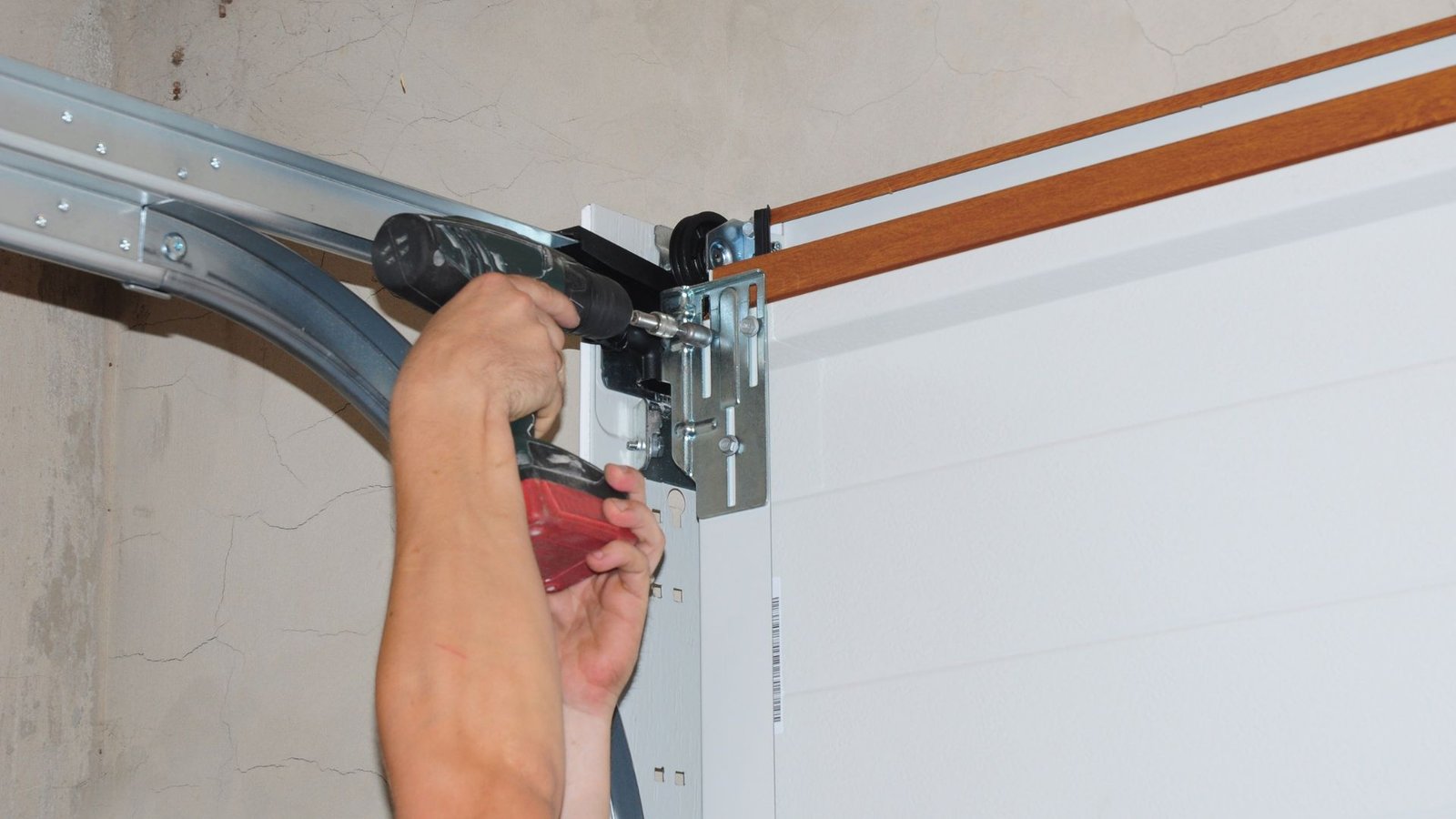
How Often Should Garage Door Rollers Be Replaced? A Homeowner’s Guide to Smoother, Safer Doors If your garage door makes more noise than it used to, shakes as it moves, or just feels “off,” you are not imagining things. In many cases, the issue comes down to one small but critical part – the garage door roller. Garage doors are heavy systems with many moving parts. When even one garage door roller starts to wear out, the entire garage door system can struggle. Over time, that strain affects other garage door components like hinges, tracks, springs, and even your garage door opener. So, how often should garage door rollers be replaced? Let us break it down in plain English, so you know what to expect and how to protect the life of your garage door in The Woodlands, Texas. What Does a Garage Door Roller Actually Do? Your garage door rollers play a simple but powerful role. They guide the door along the tracks so it opens and closes smoothly. Each roller has a wheel attached to a stem. Many use a ball bearing system to reduce drag and support the garage door’s weight. Without properly functioning rollers, your garage door opening and closing cycle becomes rough, loud, and potentially unsafe. Because garage doors open and close multiple times a day, those small wheels absorb constant wear, vibration, and force. The weight of your garage door presses down on many rollers at once, and over time, they break down. These rollers are crucial to overall performance. When they begin to fail, the door may move unevenly, create excess noise, or even jump off track. How Often Should You Replace Garage Door Rollers? On average, the lifespan of garage door rollers ranges from 5 to 10 years. However, the real answer depends on three main factors: If you use your garage door multiple times daily, like most families in The Woodlands, Texas, the rollers will wear faster. Garage door rollers may need replacement sooner in busy households. In general: That said, rollers may need attention sooner if you notice issues with your garage doors. Types of Garage Door Rollers and How Long Rollers Last The type of roller greatly affects performance and durability. Plastic Rollers Plastic rollers come in basic designs and are usually the most affordable option, but they wear out quickly. Because they do not include a ball bearing, friction increases, which leads to more noise and vibration. They are budget-friendly, but replacement is usually needed more often. For most homeowners, they are a short-term option. Steel Rollers Steel rollers are stronger and generally last longer compared to plastic rollers. Many contain a bearing to reduce friction. However, steel rollers can be noisy. Over time, rust, debris, and weather exposure can damage the rollers. Compared to steel rollers, nylon options are much quieter. Nylon Rollers Nylon garage door rollers are considered the best choice for garage doors in residential settings. High-quality nylon rollers, especially nylon rollers with ball bearings, reduce vibration and make the garage door open or close more smoothly. Unlike metal rollers, they do not rust. They also produce far less noise when the door opens and closes. If you want to make your garage door quieter and extend its lifespan, this type of roller is often the best fit. Signs Your Garage Door Rollers Need to Be Replaced Many homeowners are unsure what to watch for. Here are common signs your garage door rollers are wearing down: Worn rollers increase stress on the entire garage door system. As they wear down, they create drag and vibration that can damage hinges, tracks, and even prevent the door from closing properly. If you notice any of these problems, it may be time for replacement. Why It Is Important to Replace Rollers on Time Delaying garage door roller replacement does more than increase noise. It can lead to bigger and more expensive issues. When rollers may be the culprit behind rough movement, the added strain can impact: These small components play a major role in how smoothly your door operates. When replacement is overdue, continuing to use the system can shorten the overall lifespan of your garage door. It is important to address failing rollers early to maintain a reliable garage door and avoid emergency calls later. Should You Replace Garage Door Rollers Yourself? Technically, it is possible to replace garage door rollers yourself. But this is where caution is needed. Garage doors are under high tension. The springs counterbalance the weight of your garage door, and improper handling can lead to injury. Garage door rollers require careful removal without disturbing high-tension components. If you need to replace a roller on the lower section near the springs, you must do it safely while avoiding tension release. That is why many homeowners choose to hire a professional for garage door roller replacement. A trained garage door professional knows how to inspect the condition of your rollers and determine if other garage door components need attention. If you are unsure, it is safest to call a garage door expert rather than risk injury. How Inspecting Your Garage Door Rollers Helps Prevent Bigger Problems Regularly inspecting your garage door is one of the simplest ways to extend the lifespan of garage door rollers. During inspection, look for: Weather changes in The Woodlands, Texas, can also affect performance. Humidity and temperature shifts contribute to wear. Keeping rollers clean and applying proper lubrication to metal bearings helps keep your garage door operating smoothly. Just avoid over-oiling nylon wheels. Routine garage door maintenance can catch small issues before the rollers need replacement unexpectedly. For structured inspections and lubrication, consider scheduling routine garage door maintenance with a local expert. What Is the Cost to Replace Garage Door Rollers? The cost to replace a garage door varies depending on: Rollers vary in price by material. Plastic is usually the least expensive, steel is mid-range, and high-quality nylon models cost more upfront but tend to last longer.
Read More
March 18, 2026 admin No Comments

Lithium Vs Silicone Grease For Garage Door: Which Lubricant Keeps Your Door Quieter And Smoother?

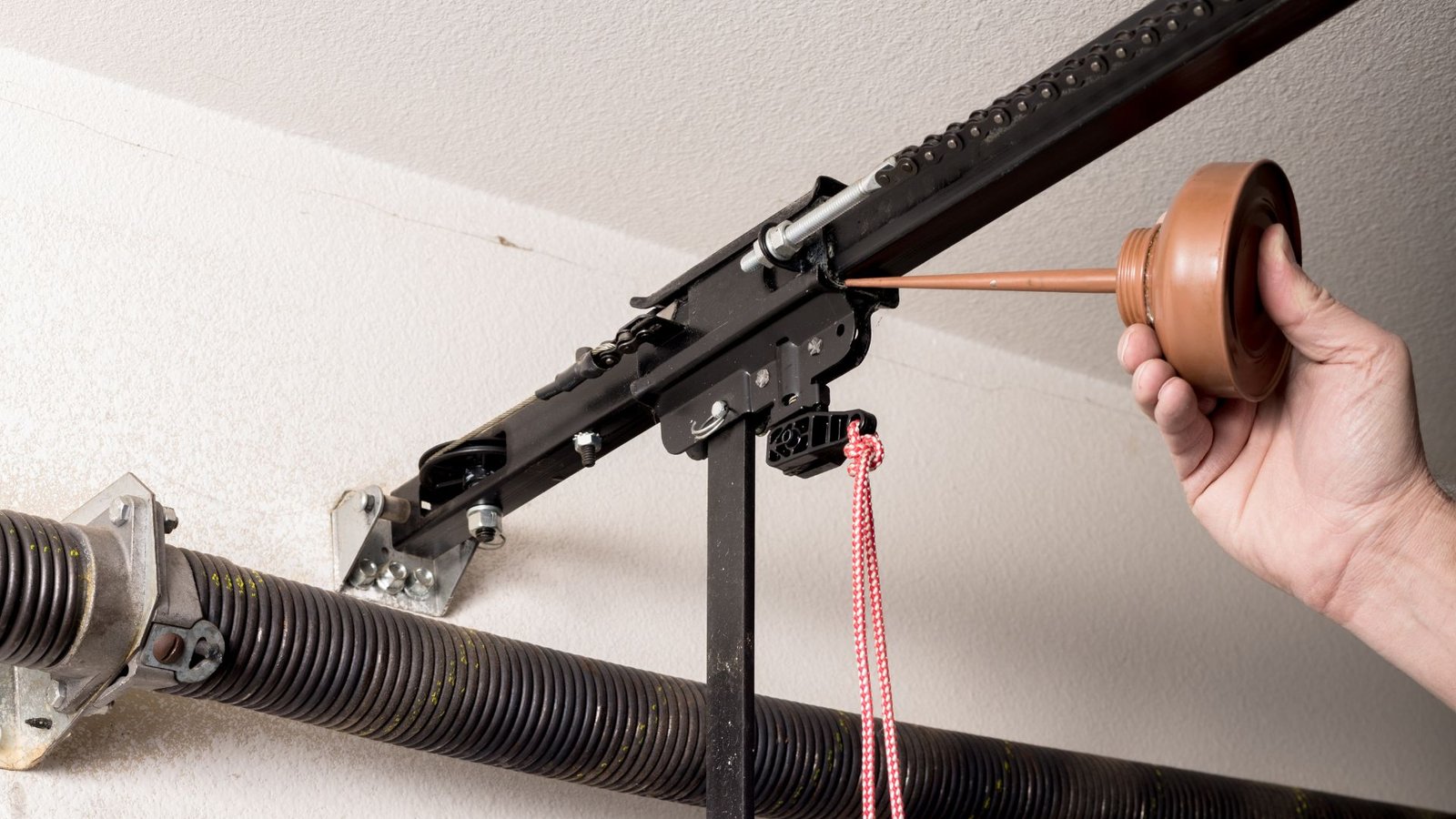
Lithium Vs Silicone Grease For Garage Door: Which Lubricant Keeps Your Door Quieter And Smoother? If your garage door has started squeaking, grinding, or shaking the whole house when it moves, you are not alone. Many homeowners in The Woodlands, Texas, ask the same question: Should I use lithium or silicone grease? It sounds simple, but choosing the right lubricant can mean the difference between a smooth door and one that keeps waking up the neighbors. The wrong product can attract dirt, cause buildup, or even damage certain parts. The right one improves lubrication, reduces friction, and protects against rust and corrosion. Let’s break it down in plain English so you can make the best choice for your garage door. Why Garage Door Lubrication Matters More Than You Think Your garage door is the largest moving system in your home. It has rollers, hinges, torsion springs, bearing plates, pivot points, and a garage door track that all work together every time you open and close it. These moving parts experience friction every single day. That friction leads to wear and tear, noise, and eventually expensive repairs. Proper garage door lubrication helps: Without regular lubrication, ball bearings dry out, rollers grind, and hinge joints stiffen. Heat, temperature fluctuations, and harsh weather conditions only make it worse. That is why choosing the right grease matters. What Is White Lithium Grease? White lithium grease is a lithium-based grease thickened with lithium soap. It is widely used as a heavy-duty lubricant for metal parts that handle loads and pressure. You may have seen products like WD-40 Specialist White Lithium Grease or WD-40 White Lithium on store shelves. The WD-40 company created several specialty products beyond the traditional spray, and this is one of them. How White Lithium Grease Works White lithium grease forms a thick, protective layer over metal surfaces. It offers: Strong lubrication and protection Because of its higher viscosity, it sticks well to parts like bearings, axle components, and torsion springs. It is long-lasting and does not drip easily. This makes it a solid choice for garage systems that operate under weight and pressure. What Is Silicone Grease? Silicone grease is made from Silicone oil mixed with a thickener. It is a synthetic chemical substance designed to repel water and handle temperature changes. You will often find it in silicone spray or aerosol form. Silicone lubricants are popular because they are less messy and safe for metal, plastic, and even natural rubber parts. How Silicone Grease Works Silicone-based lubricants create a slick film that reduces friction without becoming sticky. They are known for: Unlike heavier grease, silicone grease does not attract dust as easily. That makes it helpful for areas exposed to the elements. Lithium Vs Silicone: Key Differences for Garage Door Use Both products are technically greases, but they behave very differently on the moving parts of your garage. Here is how they compare. Thickness and Staying Power White lithium grease is thicker. It stays in place on high-friction components like wheel bearings, roller bearings, and bearing plates. If you want strong protection for metal rollers or ball bearing assemblies, lithium often lasts longer. Silicone grease is thinner and cleaner. It spreads easily but may not stay as long under heavy pressure. If your door systems see constant door open and close cycles, lithium may provide more durability. Dirt and Debris Attraction Thicker grease can attract dirt and dust over time. That buildup can clog certain parts, especially if applied too heavily. Silicone grease tends to repel debris better. For dusty garage door components, this can be an advantage. This is important in an overhead door that is frequently exposed to the elements. Dust and dirt mixed with thick grease can increase friction instead of reducing it. Weather and Moisture Performance In The Woodlands, weather conditions include high humidity, heat, and sudden temperature swings. White lithium grease offers solid protection against rust and corrosion. It handles heat and provides waterproofing qualities. Silicone grease excels at water resistance. It does not break down as quickly in high humidity and helps repel moisture effectively. If your garage is not climate-controlled, both can work, but choosing the right one depends on the specific part. Where to Use White Lithium Grease on a Garage Door White lithium grease is often considered the best lubricant for heavy-duty metal contact. It works well for: Some professionals prefer to use white lithium grease with a grease gun for precise control. Others use a lithium spray version in aerosol form. Products like WD-40 Specialist White Lithium Grease or even Blaster Garage Door spray are commonly used specifically for garage doors. If you use white lithium grease, apply it lightly. Too much can create buildup. You want a thin coating that provides lubrication and protection without clogging the pivot points. Where to Use Silicone Grease on a Garage Door Silicone grease or silicone spray works well on: Because silicone-based lubricants are safe for rubber and plastic, they are a safer choice if your garage system includes non-metal pieces. Many homeowners prefer silicone spray lube for easy application and less mess. It is also helpful for light lubrication, where heavy grease or oil would be overkill. What About WD-40? This part causes the most confusion. Standard WD-40 is primarily a water displacement product, not a long-term garage door lubricant. It is great to remove any dirt, loosen stuck parts, or provide temporary help. But do not rely on it alone. If you use WD-40, use it to clean first, then apply the lubricant designed for lubrication. If you really want a WD-40 company product for ongoing protection, look for WD-40 Specialist formulas like their lithium spray. Those are built for lubrication rather than short-term fixes. In other words, do not just spray and hope for the best. Step-by-Step: How to Lubricate Your Garage Door Properly If you enjoy a little do-it-yourself care, here is a simple step-by-step approach to lubricating your garage door safely. This promotes reducing friction and ensuring

Read More
March 13, 2026 admin No Comments

Best Garage Door Insulation for Hot Climates: Stay Cooler, Cut Energy Bills & Beat the Heat

Best Garage Door Insulation for Hot Climates: Stay Cooler, Cut Energy Bills & Beat the Heat If you’re living in a place known for soaring temperatures like The Woodlands, Texas, you’re probably on the hunt for the best garage door insulation to keep those energy bills down and your space comfortable. Let’s break it down so you can make the best choice for your garage. Why Insulate Your Garage Door? Garages often become a major source of heat gain or loss in your home, directly affecting your comfort and energy costs. Without insulation, garages can become uncomfortably hot, especially during the summer heat. Insulation helps in multiple ways: Choosing the Right Garage Door Insulation When it comes to selecting the right garage door insulation, it’s essential to consider the type of garage door insulation and the materials for hot climates that best suit your needs. Types of Garage Door Insulation Materials R-Value: Key to Energy Efficiency The R-value measures the thermal resistance of an insulation material. A high R-value means better insulation and greater energy efficiency. For garages in hot climates, choosing a material with a high R-value is crucial to curb the heat transfer and keep energy bills low. Insulation Kits for Garage Doors If you’re looking for an easy-to-install solution, door insulation kits are worth considering. They usually include everything you need to insulate your garage door, such as: Among the options, the 3009 garage door insulation kit is popular for 2-car garage door insulation. This kit offers an effective way to improve comfort without a hefty price tag. Best Garage Door Insulation Kit for Hot Climates Finding the best garage door insulation kit depends significantly on your door’s size, material, and style. While fiberglass is a common choice for its ease, reflective garage door insulation might be the best for reflecting radiant heat effectively. Guidelines for Insulating Your Garage Door Insulating your garage door can be a rewarding DIY project. Here’s a simple guide: Following these steps can make your garage a more comfortable and functional space, even during extreme heat. Choosing the Right Garage Door Material for Better Insulation The material of your garage door can impact insulation efficiency. Here are some common garage door materials and their thermal properties: Insulated Garage Doors: Built-in Efficiency Opting for an insulated garage door can be a wise investment in areas that endure significant hot weather. These doors come with pre-installed insulation, offering higher energy efficiency and improved comfort. Conclusion In hot climates like The Woodlands, Texas, choosing the best garage door insulation can make a noticeable difference in your home’s energy efficiency and comfort. When selecting the right insulation materials, consider R-value, ease of installation, and your specific needs. Whether you prefer DIY solutions or expert installations, ensuring your garage door is well-insulated can beat the summer heat, reduce your energy bills, and enhance your home’s overall comfort.If you’d like more garage door maintenance tips or need personalized guidance, feel free to reach out to a trusted professional or garage door company near you. Keep your garage cooler this summer, and enjoy the benefits of a well-insulated space!

Read More
March 6, 2026 admin No Comments

How Long Garage Door Cables Last? Key Factors To Cable Longevity Explained.

How Long Garage Door Cables Last? Key Factors To Cable Longevity Explained. Understanding how long your garage door cables last is crucial to maintaining a safe and functional garage door system. If you’re confused about what role garage door cables play or how to ensure your garage door operates safely, you’re not alone. Let’s dive into the key factors affecting the lifespan of your garage door cables and tips to keep them in top shape. Understanding Garage Door Cables Garage door cables are essential for the proper functioning of the door. They work alongside springs to lift and lower the door safely.  These cables are typically made of strong metal wires wrapped in a coil, providing the tension needed to support the weight of the door. When a cable breaks, it can cause significant damage to your garage door and may pose a safety risk. Role of Garage Door Cables The primary purpose of garage door cables is to act as a safety net. They support the weight of the door and help manage its movement. By ensuring the force of the door is evenly distributed, they allow the garage door opener to move the door smoothly without causing damage. Lifespan of Garage Door Cables So, how long do garage door cables typically last? On average, garage door cables will eventually wear out after about 7-10 years, depending on several factors. Here’s what you need to consider: Signs That Your Garage Door Cables Need Attention It’s important to be aware of the signs that your garage door cables may need repair or replacement. Here are some things to look out for: Signs That Your Garage Door Cables May Need Replacement Tips to Keep Your Garage Door Cables in Good Condition To keep your garage door cables last longer, consider these maintenance steps: Garage Door Cable Maintenance Tips These proactive steps in garage door cable maintenance can extend their life and ensure your garage door functions smoothly and safely. When to Replace Garage Door Cables If you find that a cable has snapped or there are severe signs that the cables may fail, it’s best to replace your garage door cables immediately. Delay in replacing worn or broken cables can cause the door to become unbalanced and pose an injury risk. Professional Garage Door Cable Replacement Attempting to replace garage door cables yourself can be dangerous. The cables are under significant tension, and improper handling could lead to injury. It’s advisable to consult a professional for cable replacement to ensure a safe and proper installation. Conclusion Maintaining the health of your garage door cables is vital to ensuring your garage door operates safely and efficiently. By understanding garage door cable maintenance and recognizing signs of wear, you can prevent potential damage to your garage door and enhance the safety of your home.For additional insights and garage door maintenance tips, visit our website. Stay informed and keep your door functioning safely!

Read More
February 13, 2026 admin No Comments

How to Fix Gap Under Garage Door and Keep Out Pests, Water, and Drafts

How to Fix Gap Under Garage Door and Keep Out Pests, Water, and Drafts If you’ve spotted daylight peeking through the bottom of your garage door, or you’re dealing with water, insects, or even rodents slipping inside, you’re not alone. A visible gap under your garage door can lead to unwanted problems like moisture damage, heating loss, or even a flood during heavy rain. Let’s look at why it happens and how to fix the gap under your garage door quickly and efficiently. Why Is There a Gap at the Bottom of the Garage Door? The most common reason for a gap at the bottom of the garage door is an uneven garage floor or a worn-out seal. But there are other culprits too: Many homeowners in The Woodlands, Texas, may notice gaps under their garage doors due to uneven concrete, frequent weather changes, or natural settling of the structure. How to Fix the Gap in Your Garage Door Step 1: Inspect the Bottom of the Garage Door and Measure the Gap Before jumping to conclusions, inspect the entire bottom of the door and check how wide the gap is. Take note of whether it’s wider in one area or consistent all the way across. A level can help you see if the door is straight or if the slope of your garage floor is causing the issue. Step 2: Replace or Add a Seal on the Bottom A damaged weather seal is a simple but often overlooked reason there’s a gap. Replace it with a new weatherstrip or rubber seal. Some seals are thicker and better suited for uneven garage floors. You’ll want to keep your garage sealed tightly, especially during heavy rain or cold months when moisture and insects become a concern. Step 3: Install a Garage Door Threshold If your gap is due to concrete settling or if your driveway has too much slope, consider installing a threshold directly onto the garage floor. This is a rubber or vinyl strip that bonds to the concrete and forms a barrier. Make sure your threshold is tightly bonded and thick enough to eliminate the gap. Step 4: Adjust or Reinstall the Overhead Door If your door closes unevenly or the gap consistently reopens after sealing efforts, the cause may be roller wear, misalignment, or a bent track. A professional can perform an adjustment, inspect each bolt, and ensure the opener is functioning correctly. Sometimes it’s as simple as having the bottom seal installed slightly off. A badly installed rubber flap won’t create a proper seal. To avoid ongoing DIY trouble, it’s best to call a professional for precision alignment and long-term solutions. Creative DIY Tricks to Temporarily Fix a Gap If a full repair is not in the cards just yet, some homeowners get creative: These DIY options aren’t long-term solutions but can help fix a gap temporarily while you explore more durable repairs. When to Call a Garage Door Company If you’ve tried to fix this problem on your own but still have a gap between the bottom of your garage door and the floor, don’t wait for it to grow worse. Misalignment or track damage can get worse over time and even impact your opener or cause the door to not close properly. A trained technician can: In The Woodlands, many homes experience door gap concerns due to humidity and shifting soil. A garage door company familiar with the area understands these conditions and knows how to fix the gap effectively. Keep Your Garage Sealed and Protected Fixing a garage door gap does more than improve appearance; it helps eliminate moisture exposure, keeps out insects and rodents, and prevents a potential flood.  Whether it’s replacing a worn strip, addressing a concrete slope, or installing a seal on the bottom, these fixes keep your garage functioning the way it should. If you’re unsure where to start, or if a DIY fix hasn’t done the trick, it’s smart to reach out for professional garage door repair services to get expert assistance. It’s the best way to ensure your overhead door, equipment, and seal are working together to keep your home protected.

Read More
February 2, 2026 admin No Comments

Smart Tricks to Open Your Garage Door Without Power Safely and Fast

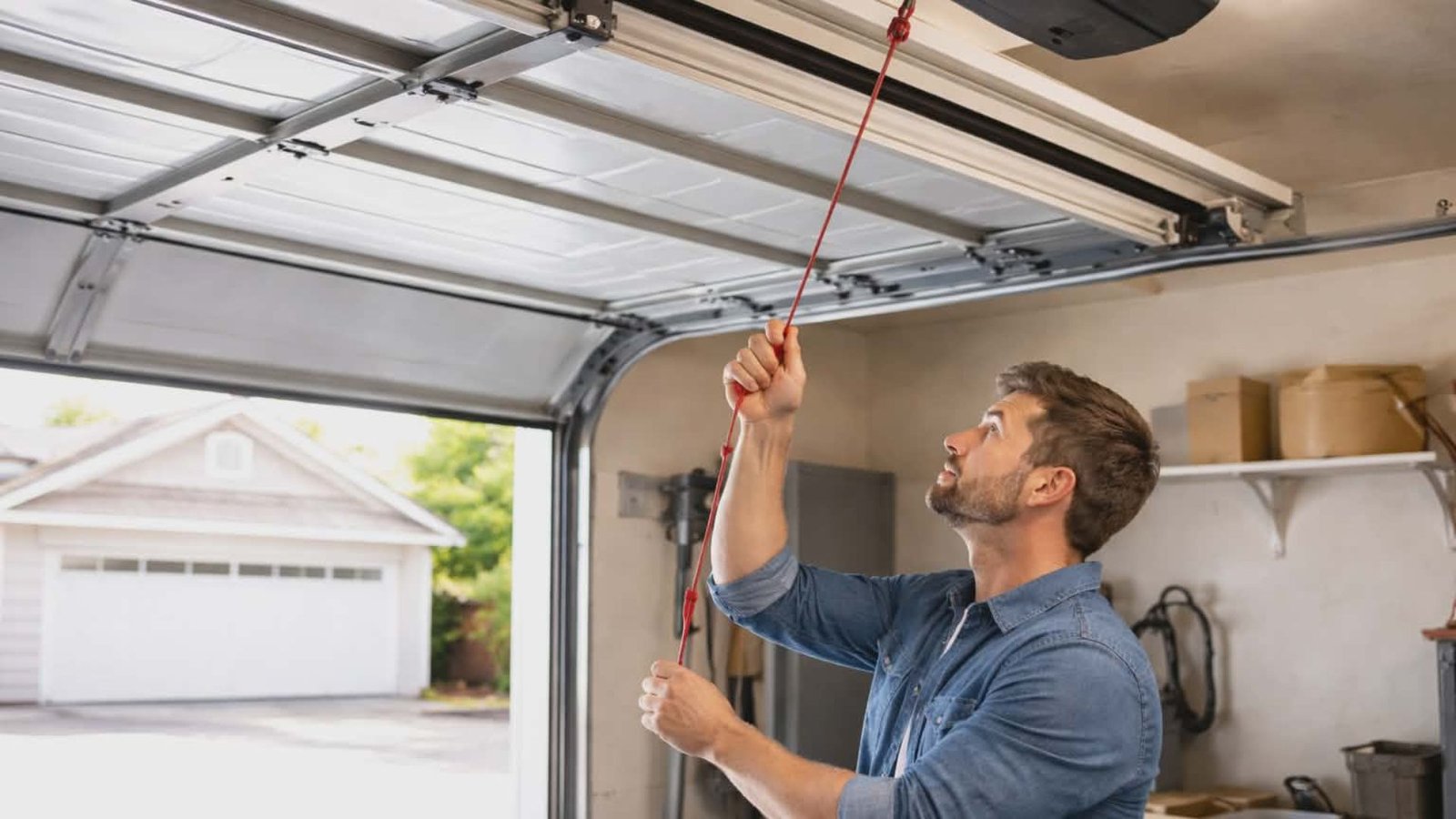
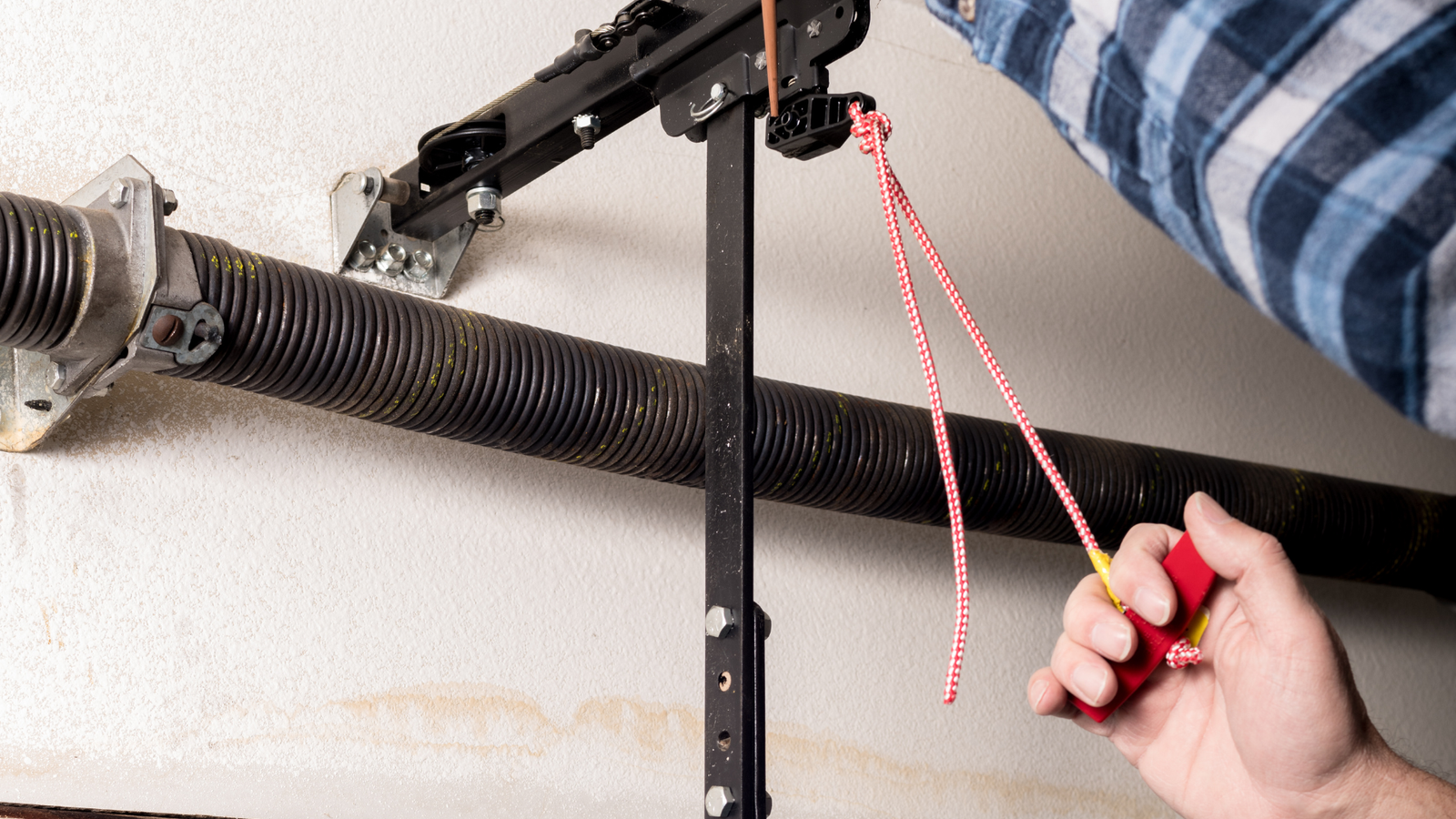
Smart Tricks to Open Your Garage Door Without Power Safely and Fast When the power goes out in The Woodlands, Texas, one of the first frustrations many homeowners face is figuring out how to open a garage door without power. Whether it’s a storm, a blown circuit, or an outage in your neighborhood, losing electricity shouldn’t mean getting stuck. Thankfully, with a bit of know-how, you can safely and quickly operate your garage door manually. Why You Might Need to Open Your Garage Door Manually Your garage door opener relies on electricity. During a power outage, even a simple task like getting your car out can seem complicated. Learning how to manually open the door gives you peace of mind when you need to leave or secure your home. Whether your garage door is stuck in the closed position or you’re inside the garage trying to get out, the methods below work with most residential garage doors found in The Woodlands homes. Locate and Use the Emergency Release Cord Most modern garage door systems are equipped with a safety feature called the emergency release. This is what allows you to disconnect the garage door from the opener. What is the Emergency Release Cord? How to Use It Once released, your garage door can now be lifted manually. Keep in mind that garage doors are heavy – lift slowly to avoid injury. How to Lift the Door Manually After pulling the emergency release cord, you’re ready to lift the door manually from the outside or from inside the garage. Steps to Open a Garage Door Manually Don’t forget to close your garage door manually once you’re done and reconnect the system when power is restored. What If I Can’t Open My Garage Door? Sometimes, the emergency release cord alone isn’t enough. Maybe the garage door opener carriage is jammed, or you don’t have access inside the garage. Here are some alternatives: Using the Manual Lock Cylinder from the Outside Some garages have a lock cylinder with a key. If yours does: Use a Man Door If Available If your garage has a man door (a separate entry door), you can go inside and trigger the manual release from there. This increases safety and gives you better control over the process. Reconnecting the Garage Door to the Opener Once power returns, it’s important to re-engage the garage door opener to ensure it resumes automatic operation. If the door doesn’t move, it might be time to check for damage or contact a professional for help. Safety Tips for Manual Operation In some cases, installing a battery backup or uninterruptible power supply can help keep your opener functional during outages. If you’re interested, check out our garage door opener repair and installation services to explore options suited for homes in The Woodlands. Final Thoughts: Be Ready for the Next Power Outage Knowing how to open your garage door manually during a power outage isn’t just about convenience; it’s also about safety. Whether you need to open and close your garage to take the kids to school or access tools, this knowledge comes in handy. Always take care when pulling the emergency release cord and be mindful of the door’s weight. If anything seems unsafe or off, don’t hesitate to call a trusted garage door expert. And remember: If you’re often stuck thinking, “How do I open my garage door during an outage?”, it might be time to consider a battery backup system or a new door with easier manual release features.Got questions? Let us know how we can help with your garage door repair or setup in The Woodlands.

Read More
January 12, 2026 admin No Comments

Why Are Garage Door Springs Dangerous? What Every Homeowner Must Know

Why Are Garage Door Springs Dangerous? What Every Homeowner Must Know If you have a residential garage in The Woodlands, Texas, you probably use your garage door every single day without thinking about it. You hit the remote, the garage door opens, the heavy door glides up, and life goes on. Hidden inside that smooth motion is a lot of force, weight, and energy held inside your garage door spring system. That is exactly why garage door springs are dangerous when something goes wrong. This guide will walk you through the dangers of garage door springs, what happens when a spring breaks, and when to put safety first and call a professional garage door technician instead of attempting to repair anything yourself. How A Garage Door Spring Works On Modern Garage Doors Every modern garage door system relies on springs to counterbalance the weight of the door. Without springs, most garage doors would be far too heavy for you or your opener to lift and lower safely. A typical residential garage door has: A torsion spring mounted above the overhead door, or A pair of extension springs running along the sides of the door system The job of each garage door spring is to: Store energy when the garage door is closed Release that energy as the garage door opens and closes Counterbalance the weight of the garage door so the opener does not struggle These springs are wound tight around a metal coil and placed under immense tension. That tension that makes them work is also what makes garage door springs so dangerous if anything fails. Why Are Garage Door Springs Dangerous? There are several reasons garage door springs are dangerous, especially if you attempt to repair or replace them yourself. 1. High tension can turn parts into projectiles Garage door springs are wound tight to hold the weight of the door. When a torsion spring or coil suddenly releases, the spring could cause: Flying metal pieces Sudden violent motion of the door Broken cables whipping around the garage This can cause injuries such as laceration, head injuries, or harm to your hands and fingers if you are nearby. In the worst cases, severe injuries or even death have occurred when homeowners tried to do spring repair on their own. 2. The weight of the garage door is much higher than you think A typical residential garage door can weigh well over one hundred pounds, sometimes several hundred, depending on the type of garage door and material. Without springs to counterbalance the weight: The door becomes a heavy door that can slam down unexpectedly A falling door with that kind of pound-force can cause serious garage door injuries A garage door with a broken spring might look harmless, but the weight of the door is no longer controlled. A door with a broken spring can drop suddenly if anyone tries opening a garage door by hand or with the opener. 3. One of the most dangerous moving parts in your home Because springs are under high tension and sit inside your garage, they are one of the most dangerous parts of your entire house when handled incorrectly. Garage door springs are dangerous because: There is high torsion (mechanics) involved Springs are wound and can unwind violently The entire door is connected to that energy Attempting to repair a broken garage door spring without the right expertise and equipment is simply not worth the risk. Types Of Garage Door Spring Systems Understanding the type of spring you have can help you understand the risks. Torsion spring systems A torsion spring sits on a shaft above the overhead door. This is the most common type of spring in a modern professional garage door setup in The Woodlands. The coil twists as the door closes It unwinds as the door goes up Springs are wound tight to store energy When a torsion spring breaks, the spring failure can be sudden and loud, like a gunshot. The dangers of garage door springs in this setup come from that sudden release of force and the loss of control over the door. Extension springs Some older garage doors use extension springs along each side of the garage door system. They stretch as the door closes They contract as the garage door opens If an extension spring breaks, it can snap back and become extremely dangerous, especially if safety cables are missing or worn. Common Signs Of Garage Door Spring Issues Knowing the common signs of garage door spring issues can help you react before something fails completely. Watch for: The door will not open or close fully The garage door opens a few inches then stops The garage door’s opener strains or makes new noise The door looks crooked or unbalanced when you open and close it You see a gap in the coil of a torsion spring – a clear sign the spring is broken Any of these spring issues mean you should always call a professional and avoid using the garage until a technician checks the system. What Happens When A Garage Door Spring Breaks? When a spring breaks, several dangers appear at once. The counterweight and counterbalance that lift and lower the door are gone The weight of the garage door is no longer supported The opener may try to move the door without that support A garage door with a broken spring might: Slam shut unexpectedly Refuse to open or close Cause the opener to fail or burn out Trying to operate garage doors when a spring is broken can turn your door into a serious safety hazard very quickly. If a spring breaks while someone is under the door, the consequences can include severe injuries and head injury. This is why the dangers of garage door springs should never be taken lightly. Why You Should Never Attempt To Replace Or Repair Springs Yourself The internet is full of tutorials that show you how to repair a garage door, but

Read More
January 9, 2026 admin No Comments

Garage Door Wall Button Not Working, But the Remote Works? Here’s How To Fix It

Garage Door Wall Button Not Working, But the Remote Works? Here’s How To Fix It If your garage door wall button is not working but the remote works, you are not alone. This is a very common issue for homeowners in The Woodlands, Texas. The good news: if the remote control still works, your garage door opener and motor are usually fine. The problem is almost always with the button, wall control wires, or a small wiring issue. Below is a clear, step-by-step way to troubleshoot the problem so you can decide what you can safely try yourself and when it is time to call a professional technician. Common causes when the garage door wall button is not working When the door opens and closes with your remote but not from the button on the wall, the issue is usually one of these common causes: The wall control is locked, damaged, or its contacts are worn. Low voltage or loose electrical wiring at the screw terminal. Broken or shorted wire between the button and the garage door opener motor unit. The logic board inside the opener has a bad circuit for the wall control. A recent power outage or surge confused the electronics and a simple reset is needed. The fact that the door moves from the remote means the power supply and power source are probably fine and the safety sensor system and photo eye are doing their job. Check the garage door opener power supply and safety basics Before touching anything, confirm the opener actually has power and is safe to work around. Look at the opener housing on the ceiling and confirm that the LED light or indicator on the unit is on. Make sure the circuit breaker for the garage is not tripped. Verify the photo eye sensors near the bottom of the garage door are aligned and their LED lights are solid, not blinking. If needed, unplug the opener and plug it back in to perform a basic reset (computing) style reboot of the electronics. If the opener runs from the remote and the door operates normally, you can move on to the wall control itself. How to troubleshoot the wall button and wall control Most LiftMaster, Chamberlain, Genie, and similar units use a simple low-voltage wired wall control. Here is how to quickly diagnose if the wall control needs to be replaced or if it is a wiring problem. 1. Confirm that the button on the wall is the problem Stand by the wall control and: Try to press the button normally. Then press and hold it for a few seconds. If nothing happens and there are wall control lights (small LED indicators) that should be on but are dark, that points to power or wiring. If the button still works intermittently or only when you push very hard, the wall control is likely worn out. Also check: The faceplate screws are snug. The cover is not cracked or full of dust and dirt. If the button on the wall is cracked or loose, you will probably need to replace the wall control. 2. Check the wiring and connections at the wall and opener Next, you will check the wiring at both ends. Turn off power at the circuit breaker or unplug the opener for safety. Remove the wall control from the wall and gently pull it out so you can see the wall control wires. Make sure the connections are secure under the tiny screws on the back of the wall control. At the opener on the ceiling, check the low-voltage terminal labeled for wall control or Door. Tighten each screw so the wires are secure in the screw terminal block. Loose connections, corrosion, or a nicked wire can stop the button from working, even when remotes and new remotes work fine. Simple test: bypass the wall control and test the wiring If tightening the screws did not solve the problem, you can test the wiring with a simple jumper. If you are not comfortable with basic electrical repairs, skip this step and call a local technician. At the opener, disconnect the wires for the wall control from the low-voltage terminal. Cut a short piece of wire and wire and strip about 1/2 inch of insulation off each end. Use this as a jumper wire and briefly touch the bare ends to the two wall control terminals. If the door opens or closes when you do this, the garage door working behavior tells you: The logic board and button on the motor unit circuitry are fine. The problem is likely in the wire run in the garage door wall or in the wall control itself. If the jumper does nothing, the garage door opener’s internal wall-control circuit or logic board may be faulty, and the unit needs to be replaced or professionally repaired. Try a garage door opener reset and learn button check Since your remote control still works, we know the radio side is fine, but it can still help to verify the learn button and memory. Locate the button on the motor (also called the button on the motor unit) typically labeled “Learn” on LiftMaster, Chamberlain, and others. Lightly tap the learn button and confirm the LED light near it responds. Do not hold it long enough to erase remotes, unless you plan to reprogram with a new remote or new remotes. Follow the manufacturer’s instructions for a soft reset if available. If the garage door opener isn’t responding properly to this or the logic board is acting erratically, that again points toward internal electronic failure instead of the wall button. When to call a professional technician in The Woodlands, Texas If you reach any of these points, it is better to call a professional: You are not comfortable working with low-voltage wiring or electrical repairs. The jumper test worked, but you cannot easily rerun new wire inside the wall and disconnect the old cable. You suspect a bad logic

Read More
January 7, 2026 admin No Comments

How Do I Know If My Garage Door Sensor Is Bad? 7 Signs to Check Immediately

How Do I Know If My Garage Door Sensor Is Bad? 7 Signs to Check Immediately If you have a garage door refusing to close or acting strangely, your first thought is usually the springs or the garage door opener. But very often, the problem starts with a small part near the floor: the sensor. Your automatic garage door has two sensors on either side, near the bottom of the garage door frame.  These are part of the safety features that can prevent the door from closing on a person, pet, or your car. When these sensors go bad or get misaligned, your door will not close, or it will behave like it has a mind of its own. Below, we will walk through how garage door sensors work, the most common signs of sensor issues, simple troubleshooting steps, and when it is time to replace the sensors or call a professional garage door technician in The Woodlands, Texas. How Garage Door Sensors Work & Why They Matter Modern garage door sensors play a critical safety role. They sit on the sides of the garage door, a few inches off the floor, attached to a mounting bracket on each side of the door. Here is how these door sensors work: There are two sensors: One sensor sends an infrared beam across the garage doorway. The receiving sensor picks up that beam on the opposite side of the door. If something is directly in the path of that beam, the sensors prevent the door from closing. If the beam is blocked, misaligned, or there is sensor failure, the opener will stop or reverse the door opening or closing to prevent the door from closing on anything. These safety eyes are an important safety feature in any automatic garage door system. When the sensors work correctly, they help prevent injuries and damage. When they malfunction, they can prevent the door from closing at all. 7 Common Signs Your Garage Door Sensor Is Bad If you are wondering “How do I know if my garage door sensor is bad?”, start with these signs. Any of these problems with your garage door can point to sensor issues. 1. The door will not close or won’t close unless you hold the button If your garage door refuses to close from the wall button or remote, but it will close the garage door only when you hold down the wall button continuously, your safety sensor may be the issue. Most openers, including LiftMaster and similar brands, are designed so that holding the button down overrides the safety mechanism. When you have to do this, it is a clear warning that the sensor is not working properly. 2. Door closes normally sometimes, then suddenly reverses If the door closes normally on one try and then suddenly reverses halfway the next time, that inconsistency points to a possible sensor malfunction or misalignment. The sensors could be: Slightly misaligned Intermittently blocked by debris or a spider web Experiencing loose sensor wires or wiring problems This kind of intermittent malfunctioning garage door behavior is very common when sensors start to fail. 3. Flashing lights or unusual LED lights on the sensor Each sensor has small LED lights that tell you if the sensor is working or not: One sensor usually has a steady light when it is powered. The receiving sensor should have a solid light when the infrared beam is lined up. If one sensor is dark, flickering, or a light is blinking, the sensor may have: Misalignment Wiring issues Internal sensor failure Pay close attention to what the lights are doing, as they often point directly to the problem. 4. The sensor lenses look dirty or foggy Your sensor lenses sit near the floor, so they collect: Dust and dirt Grass clippings Debris and weather-related grime Spider web buildup If the lenses are dirty, the sensors could interpret that as something blocking the infrared beam. That will prevent the door from closing properly and can make it look like the sensors go bad, even if they are fine. 5. Sensors are obviously misaligned or loose on the bracket If you look at the sensors on either side of the garage door and notice: One sensor is pointing slightly up or down The mounting bracket feels loose A screw is missing or the bracket is bent Then alignment issues are very likely. Even a small misalignment can prevent the safety sensor from seeing the infrared beam. In this case the sensor is still probably good, but it needs to be aligned correctly so the sensors work as designed. 6. Sunlight interference at certain times of day Direct sunlight can interfere with the infrared beam on some garage door systems. If you notice the door doesn’t close the garage at a specific time of day when the sun hits one side of the door, that is a clue. In those cases: The sunlight can trick the receiving sensor. The opener thinks something is in the way, so it will prevent the door from closing. You can sometimes install a sun shield to help keep the sensors working despite the sun. 7. Visible damage to the sensors or wiring If there is clear damage to the sensors or sensor wires, such as: Cracked plastic on the sensor housing Exposed electrical wiring A bent bracket on the side of the door Wires pulled loose from the back of the sensors Then it is likely time to replace the sensors and possibly address wiring problems in the garage door system. This type of damage to the sensors can happen from kids, pets, tools, or even a car tire hitting the sensor. Simple Troubleshooting Steps Before You Call a Professional Before you assume you need garage door sensor replacement, you can start troubleshooting with a few safe, simple steps. Start troubleshooting your garage door with a safety check Unplug the opener to cut electricity to the system. Open the garage door and secure

Read More
December 23, 2025 admin No Comments

How Often Garage Door Maintenance Is Needed (and Why It Pays Off)

How Often Garage Door Maintenance Is Needed (and Why It Pays Off) Keeping your garage door in good condition might not be top of mind, but it plays a huge role in your daily routine. Whether you’re rushing to work or getting the kids to school, you rely on that garage door to open and close smoothly – every day. If you’re wondering how often garage door maintenance is actually needed, you’re not alone. Let’s break it down in plain English, so you know exactly what your garage door needs and when. Why Regular Garage Door Maintenance Is a Smart Move A garage door is a complex system with many moving parts. Over time, wear and tear build up. Hinges, rollers, sensors, springs, and cables all experience stress every time you open and close the door. Without proper care, small issues can grow into expensive problems. Routine maintenance helps: Keep your garage door running smoothly Prolong the lifespan of your door system Catch early warning signs before they become more serious Lower your long-term repair costs Maintenance isn’t just about avoiding failures; it’s also about keeping your family safe. A faulty torsion spring, loose cable, or misaligned sensor can create serious safety hazards. Plus, who wants to deal with a garage door failure in bad weather? How Often Should You Service Your Garage Door? You should service your garage door at least once a year. That’s the minimum for most homes. However, in places like The Woodlands, Texas, where weather changes can accelerate rust and debris buildup, twice a year might be best. When in doubt, consider how often you use it. If yours is the main entry and exit point, it’s working overtime. That’s extra stress on the door mechanism and all its moving parts. Signs Your Garage Door Needs Servicing: It’s taking longer than usual to open or close You hear unusual noise, grinding, or screeching The door shakes or moves unevenly You see rust, loose parts, or damaged hinges The sensor fails to detect objects and might not prevent the door from closing If any of these sound familiar, your garage door needs servicing sooner rather than later. What Does Garage Door Maintenance Include? A professional garage door maintenance check is more thorough than most DIY jobs. But if you’re comfortable tackling diy maintenance, you can start with the garage door maintenance tips from trusted sources. Still, a professional garage door technician will: Inspect and test all moving parts Examine the torsion spring, cables, rollers, and hinges Check door balance and door alignment Test the door opener and backup safety systems Apply proper lubricant to parts that need lubrication Clean out debris and look for signs of wear Don’t forget that regular garage door maintenance also helps spot minor issues early. That means fewer emergency calls and a longer lifespan for your door system. Should I Try Lubricating My Garage Door Myself? Yes, applying lubrication is something many homeowners in The Woodlands can handle. Just make sure you use the right lubricant (typically silicone-based, not grease) and apply it only to the rollers, hinges, and torsion parts as needed. Avoid overdoing it, and never lubricate the tracks, as that can cause more harm than good. When you lubricate properly: You reduce friction You quiet the noise You help the door operate smoothly Always test all the components after lubricating to ensure your garage door is functioning as it should. How Professional Maintenance Services Add Value Let’s be real, some jobs are just better left to pros. A garage door company like 2Quick Garage Doors here in The Woodlands offers targeted maintenance services to keep you safe and hassle-free. Professional maintenance ensures: The garage door operates safely and reliably No safety features are jeopardized You avoid downtime and potential hazards The door remains in working order through all seasons Don’t wait until you need to replace critical garage door parts because you skipped your annual service. Preventative maintenance saves money and stress over the long run. Looking for a complete breakdown of what professional care involves? Visit our guide on routine garage door maintenance in The Woodlands. Final Thoughts: Stay Ahead with Consistent Maintenance Still wondering how often garage door maintenance should be scheduled? In most cases, at least once a year is a good benchmark—though twice a year is ideal for a heavily used or older residential garage door. If your garage door needs servicing, don’t wait for it to break down. Keeping up with routine maintenance ensures your home stays secure, your car is safe, and your entryways remain reliable. So start with the garage door. Regular checkups, seasonal garage door tune-up appointments, and the occasional call to your trusted local garage door company can keep everything running smoothly and safely. Have questions or noticed some warning signs? Reach out to a local door company like 2Quick Garage Doors to help you maintain your garage door the right way.

Read More