Garage Door Installation Services In The Woodlands, TX

Get Stress-Free Garage Door Service in The Woodlands, Texas

Make a call

(346) 574-0359

Email address

info@garagedoorswoodlandstx.com

December 12, 2025 admin No Comments

Can You Insulate a Non-Insulated Garage Door?

Can You Insulate a Non-Insulated Garage Door? If you’ve ever walked into your garage in the middle of July or January and felt like you just entered a sauna or a freezer, you’re not alone. Many homeowners wonder: can you insulate a non-insulated garage door?  The answer is yes, and doing so can save energy, regulate temperature, and make your garage space far more comfortable. Whether your garage acts as a workshop, gym, or simple storage area, properly insulating your non-insulated garage door is a smart move. Let’s break down how it works, what materials to use, and whether it’s really worth it. Why Insulate a Non-Insulated Garage Door? A non-insulated garage door is typically a single steel panel or sheet that offers little to no protection against external weather. In places like The Woodlands, Texas, where summers bring intense heat, and winters can still dip down unpredictably, that means the temperature inside the garage can swing drastically. Benefits of Insulating a Garage Door Reduces heat transfer, keeping the garage 10 degrees warmer in winter and cooler in summer Helps lower energy costs Reduces outside noise Protects belongings inside the garage from hot or cold extremes Increases comfort if you use the garage as a workspace Improves the overall R-value of your garage If you’re thinking about insulating your door, you’re probably already noticing a significant difference in temperature inside the garage based on the weather outside. Types of Insulation for Garage Doors Not all garage door insulation is the same. The types of insulation you choose will impact how much benefit you get from the project. Here’s a quick look at materials available on the market: 1. Polystyrene Panels Common in DIY kits Lightweight Rigid foam board that easily fits between door panels Provides decent thermal insulation Needs to be trimmed to fit most doors Polystyrene insulating panels must be covered – they’re flammable 2. Polyurethane Foam Offers high thermal conductivity and resistivity Denser and gives better R-value than polystyrene Usually sprayed or pressure-injected Sturdier and more durable Comes installed in most high-end insulated garage door options 3. Fiberglass or Mineral Wool Blankets Affordable Easily cut to fit Good thermal and sound insulation Must be sealed to prevent air leaks Must be protected with a barrier – flammable and itchy to handle Each of these has pros and cons depending on your door type and use of the garage space. How to Insulate a Non-Insulated Garage Door If you’re ready to insulate a non‑insulated garage door, here’s what to expect from the process: Step 1: Check the Door’s Condition Make sure your garage door is in good condition and can handle the extra weight before applying added insulation. Older doors or those with damaged hinges, tracks, or spring systems might need adjustment or repair first. Step 2: Measure and Buy Your Materials At your local construction store, pick up pre-cut insulation panels or a DIY polystyrene insulating kit. If your door is a steel door with flat door panels, foam boards, or rigid foam panels may be a seamless fit. Always check the panel thickness and pay attention to the R-value Kits made for single garage doors are widely available Step 3: Install the Insulation Each type has its preferred method of installation, but generally you’ll: Cut the insulation to fit rectangles inside the door panel indentations Use weather-resistant adhesive or the clips included in kits Avoid blocking any area near the garage door opener Ensure a tight fit to avoid infiltration of cold air Step 4: Add a Thermal Break This is optional but recommended. A thermal break involves installing a material that stops heat from transferring between metals, like placing a foam or plastic layer between steel sheets. Great for reducing heat transfer through metal doors. Is a Non-Insulated Garage Door Worth Insulating? Now comes the core question: is a non-insulated garage door worth insulating, or should you consider buying a new one? In many cases, yes, insulating a standard steel door pays off quickly in improved comfort and reduced utility bills. However, if your current system is outdated or warped, or the rest of the garage has minimal insulation to the walls or ceiling, a new fully-insulated garage door might be the better route. Insulated vs Non-Insulated Garage Doors Feature Insulated Garage Door Non-Insulated Door   Temperature control Excellent Poor Soundproofing Moderate to high Low Energy conservation Very good Weak Durability More rigid, multi-layered Single or 2-layer steel Initial Cost Higher Lower Return on Investment Better over time Less impact long term What to Expect Post-Installation Once you’ve insulated the door, you can expect: Up to 10 10-degree shift in garage temp Improved thermal performance Decreased load on connected heating, ventilation, and air conditioning systems Less noise from outside A noticeably more stable garage environment Most DIY kits are relatively simple if you’re handy with a few power tools and aren’t bothered by precise measurement and cutting. If not, consider reaching out to your local garage door company for support. Need help with upkeep? Don’t miss our expert garage door maintenance services to ensure your newly insulated setup continues to run smoothly. Final Thoughts: Should You Insulate or Replace? If you’re still deciding between insulating your current non-insulated door or upgrading to an insulated garage door, think beyond the upfront price. Consider how you want to keep the heat, manage air leaks, and improve insulation across the garage in general. For many homeowners, insulating a garage door adds more than comfort. It’s peace of mind – knowing your tools, car, and stored items are protected from extreme temperature changes. Trust Local Experience At 2Quick Garage Doors, we understand the unique climate challenges The Woodlands, Texas, residents face – from blazing summer sun to surprise cold snaps brought by fierce winds. Whether it’s a choice between an insulated or non-insulated setup, or finding the best insulation material for your current door, we’re here to help. Have questions about materials, installation, or garage door performance? Don’t hesitate

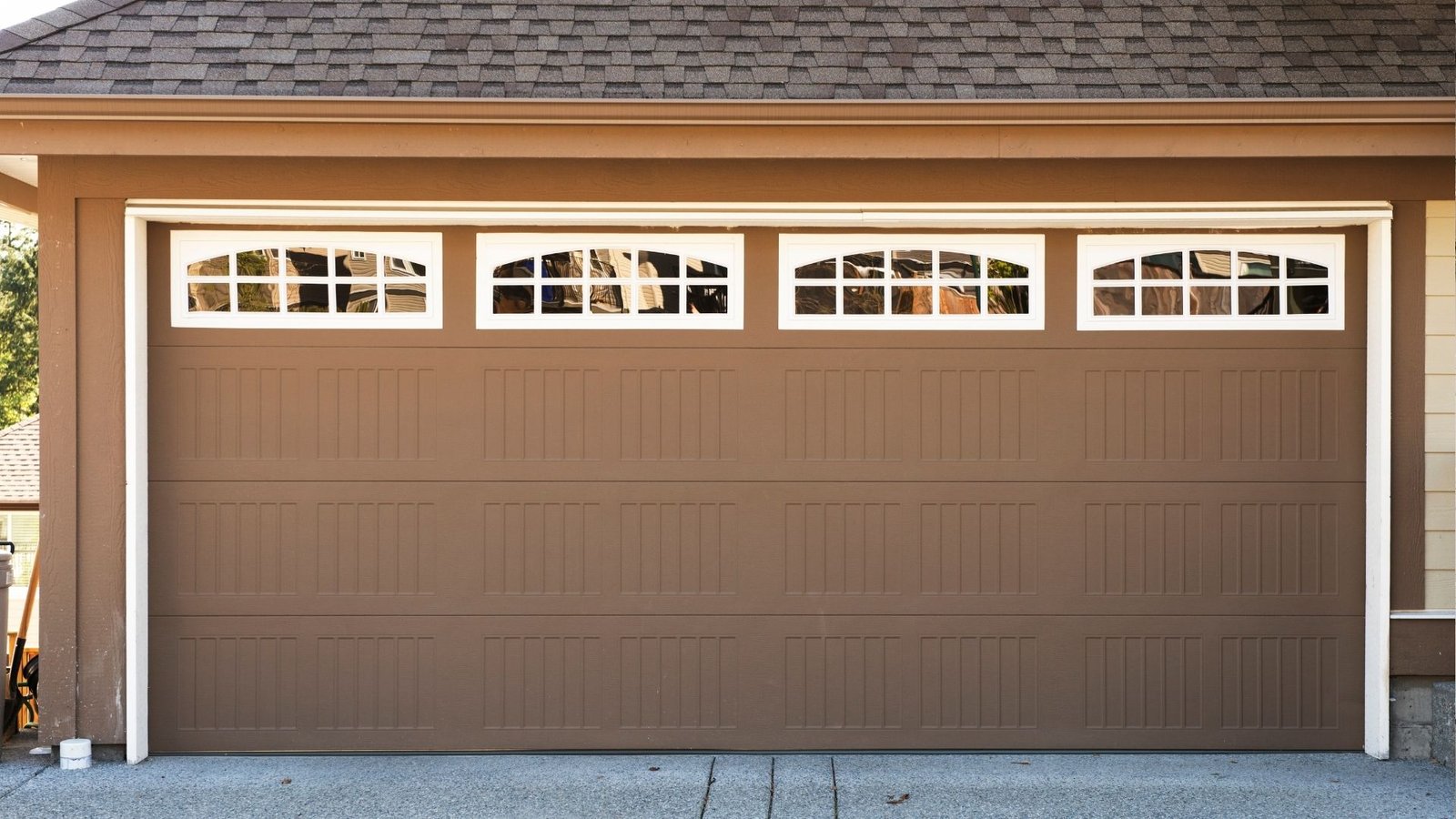
Read More
October 10, 2025 admin No Comments

Belt Drive vs Direct Drive Garage Door Opener: Which Is Better?

Belt Drive vs Direct Drive Garage Door Opener: Which Is Better? When it’s time to choose a new garage door opener, the options can feel overwhelming. One of the biggest decisions you’ll face is whether to go with a belt drive or a direct drive system. Both are reliable, but each has distinct pros and cons depending on your garage, budget, and preferences. At 2Quick Garage Doors Woodlands, we help homeowners across The Woodlands, Texas and nearby areas replace and install openers that fit both their technical needs and daily routines. If you’re looking for expert advice without the tech overload, you’re in the right place. Let’s break this down simply so you feel confident choosing what works best for your home. What’s the Difference Between Belt Drive and Direct Drive Openers? Before we dive deeper, let’s quickly clarify what each system is. Belt Drive Garage Door Opener A belt drive opener uses a reinforced rubber or fiberglass belt (instead of a metal chain) to move your garage door. It glides along a rail and quietly lifts the door using a motor typically mounted on the ceiling. Known for: Quiet operation and smooth performance. Best suited for: Attached garages where noise could travel into living spaces. Direct Drive Garage Door Opener Direct drive openers work differently. Instead of relying on a moving belt or chain, the motor itself travels along a stationary rail to lift and lower the door. This means fewer moving parts—and fewer things that can break down. Known for: Durability and minimal maintenance. Best suited for: Homeowners who want long-term reliability and operate their garage doors frequently. Now that you know the basic difference, let’s compare the two in detail. Noise Level: Which One Is Quieter? Noise is one of the major factors many homeowners care about—especially if your garage is connected to your home or under a bedroom. Belt Drive: One of its biggest selling points is silence. The rubber belt absorbs vibrations and cuts down on noise significantly. If you have kids sleeping upstairs or you’re tired of that rattling sound first thing in the morning, this is a huge win. Direct Drive: It’s nearly as quiet—if not quieter—than belt drives. Thanks to fewer moving parts, there’s less friction, which means less opportunity for noise. These openers almost glide like they’re not even there. Bottom Line: Both are very quiet, but direct drives have a slight edge because the motor movement design reduces even more noise potential. Durability and Maintenance Let’s talk longevity. How long will your opener last, and how much upkeep should you expect along the way? Belt Drive Durability Belt drive systems last a long time (garage door systems last up to 15 years according to InterNACHI’s Standard Estimated Life Expectancy Chart for Homes), especially newer models with steel-reinforced belts. However, climates with extreme heat, humidity, or cold (yes, even in Texas) can wear down the belt over many years. You may occasionally need to: Realign the belt. Replace worn-out belts (typically lasts 7–10 years). Lubricate moving components. Direct Drive Durability Direct drive openers are known for simplicity—and simplicity means fewer breakdowns. Since there’s just one moving part (the motor itself), there’s less that can go wrong. They’re built for the long haul with minimal maintenance and excellent resistance to wear and tear. Bottom Line: If hassle-free upkeep ranks high for you, direct drive gets the gold star. Cost: Which Is More Budget-Friendly? Budget often plays a central role in deciding what opener works best. Here’s how they compare in terms of upfront investment. Belt Drive: Generally more affordable than direct drive, especially in standard residential models. Direct Drive: Slightly pricier upfront, but that can be offset over time by reduced maintenance and longer life expectancy. Of course, the price also depends on specific models and features like smart controls, battery backup, or LED lighting. Bottom Line: Belt drive is friendlier to short-term budgets, while direct drive may save you money in the long run. Lifting Capacity and Door Compatibility Not all garage doors are created equal. If you’ve got a heavy insulated door or a custom wood design, your opener needs to be strong enough to handle the weight. Belt Drive: Works great for standard two-car garage doors. But for super heavy or oversized doors, it might lag a little unless you choose a higher horsepower motor. Direct Drive: Excellent for heavier doors, thanks to their stable and efficient motor mechanism. Bottom Line: Direct drive wins here if you have a nonstandard or heavy garage door setup. Technology and Smart Home Compatibility Modern garage openers often come with Wi-Fi features, app control, and integration with smart home devices like Alexa or Google Assistant. Good news—both belt drive and direct drive systems come with smart tech compatibility if you choose the right model. Look for features like MyQ, built-in cameras, or remote access via smartphone apps. Brands like LiftMaster and SOMMER have leading models in both categories. Bottom Line: It’s a tie—both drive types can support smart home features depending on the make and model. Which One Is Easier to Install? Installation might not be your DIY Sunday project, especially with all the wiring and setup required. But from a technician’s point of view, here are the main takeaways: Belt Drive: Standard to install with familiar ceiling-mounted motors. Most garage door pros are well-versed in belt drive systems. Direct Drive: Requires a slightly different installation style due to the motor movement, but still straightforward for skilled technicians. Whether you’re doing a professional garage door installation or upgrading your existing system, having an experienced team ensures the setup is safe and efficient. Bottom Line: For most homeowners, the difference in installation complexity is minimal—as long as it’s done by a pro. Lifespan and Warranty Most belt drive and direct drive openers are built to last, but warranty coverage and expected lifespan can reassure you even more. Belt Drive Models: Typically come with 5–10 year motor warranties, and around 3–5 years on on

Read More
September 18, 2025 admin No Comments

What Size Garage Door Opener Do I Need? Find the Perfect Fit Fast

What Size Garage Door Opener Do I Need? Find the Perfect Fit Fast If you’ve ever stood in your garage staring up at your old opener, wondering why it struggles to lift or rattles the house awake, you’re not alone. Choosing the right garage door opener can feel overwhelming. Between motor sizes, opener types, garage door materials, and smart features, it’s a lot to take in. We’re here to break it all down for you. Whether you just purchased a new garage door or are upgrading an aging opener, this guide will help you determine what size garage door opener you need for your home. Let’s make sense of horsepower, opener types, and how to match one with your garage in The Woodlands, Texas. Understanding the Basics: What Does a Garage Door Opener Actually Do? A garage door opener is the motorized device that allows you to open and close the door remotely, either with a clicker, keypad, or mobile app. While it may seem like it does all the work, it mainly supports the garage door springs, which carry most of the door’s weight. Still, the opener needs the right motor size, or horsepower (hp), to smoothly and reliably operate the garage door. Choosing the wrong size can put stress on the system, cause early wear, and even shorten its lifespan. Components of a Garage Door Opener Motor (AC or DC) – This powers the opener and determines its strength and speed. Drive Mechanism – This includes chain drive, belt drive, or screw drive systems that move the door. Remote Control & Sensors – Use wireless technology to open your garage from anywhere. Backup Power – Many garage door openers now include a battery backup to work during power outages. Choosing the Right Size Garage Door Opener for Your Door The motor’s strength is typically measured in horsepower (hp). You’ll most commonly see: 1/3 HP – Suitable for small, single-car garage doors, often made of lightweight materials like aluminum. 1/2 HP – Common for standard residential garage doors. Works well for sectional doors around 8-9 feet wide. 3/4 HP – Ideal for heavier doors (wooden, insulated) or double garage doors. 1-1¼ HP – Needed for oversized or extra-heavy doors. If you have a custom or extra-tall garage door, go with more power. Matching Horsepower to Garage Door Size and Weight Garage Door Size & Type Material Suggested HP   Single (8×7 ft), lightweight Aluminum 1/3 HP Single (8×7 ft), insulated Steel, Fiberglass 1/2 HP Double (16×7 ft) Wood/Insulated 3/4 HP Oversized or tall (>16×8 ft) Wooden, Custom 1 – 1¼ HP Key Factors to Consider: Door Type – One-piece doors or heavy wooden styles need stronger openers. Garage Door Size – A key factor in selecting a garage door opener. Weight of Your Garage – Insulated steel doors are heavier than uninsulated aluminum doors. Living Space – If bedrooms are above the garage, opt for quieter models. Garage Door Opening – Tighter or taller spaces may need specialty openers like a jackshaft opener. Types of Garage Door Openers: Which One Should You Choose? There are several types of garage door openers, each with pros and cons. Your selection depends on your needs, budget, and garage configuration. 1. Chain-Drive Garage Door Openers This is the most common garage door opener type. It uses a metal chain to pull the door along its track. Pros: Cost-effective and reliable Cons: Noisy – not ideal for garages beside bedrooms or noise-sensitive areas Chain-drive openers are great for detached garages or where noise isn’t a concern. If durability is your priority, this is a solid choice. 2. Belt-Drive Garage Door Openers This type uses a natural rubber or polyurethane belt instead of a chain, meaning less vibration and sound. Pros: Quiet, ideal for attached residential garages Cons: Slightly more expensive than chain options Many homeowners opt for belt-drive garage door openers in a standard garage, especially where bedrooms share a wall with the garage. 3. Screw Drive and Jackshaft Openers Screw Drive: Uses a threaded rod to move the door. Faster but sensitive to temperature changes. Jackshaft Opener: Mounted on the wall beside the garage door – best for garages with high ceilings or no overhead space. Choose a jackshaft option if your garage door tracks are obstructed or your ceiling space is limited. Do You Need a Smart Garage Door Opener? These days, smart garage door openers are more accessible and affordable. A smart opener uses Wi-Fi, a smartphone, or a mobile app to open your garage from anywhere. Smart Features to Consider: Control from Anywhere: Open and close the door remotely using a mobile app Alerts: Get notifications when the garage door is opened or left open Guest Access: Let friends or service providers in without sharing your keypad code Integrations: Work with smart home systems like Alexa, Google Assistant, or Apple HomeKit If convenience and security are priorities, a smart opener is well worth the extra investment. Should You Install It Yourself or Call a Pro? While installing a garage door opener might sound simple, it’s a heavier lift than it seems. From wiring sensors to aligning the opener unit with the door tracks, it can get tricky. Reasons to Use a Garage Door Professional: Fast and safe garage door opener installation Correct choice of opener size Accurate calibration based on door weight and dimension Guidance on choosing the right opener type Warranty coverage and long-term support We always recommend working with a local, professional garage door opener installer, especially when replacing an old opener or dealing with heavier garage doors. Need help? 2Quick Garage Doors offers expert garage door opener repair and installation in The Woodlands, Texas area. Tips for Selecting a Garage Door Opener Choosing the best garage door opener involves more than just horsepower. Here are a few more essential tips: Know Your Budget: Higher HP and smart features come at a price — but they also offer better performance and safety. Think About Noise: Belt-drive models

Read More
September 15, 2025 admin No Comments

Why Won’t My Garage Door Close? Quick Fixes & Expert Tips Inside

  Why Won’t My Garage Door Close? Quick Fixes & Expert Tips Inside If you’re standing inside your garage asking yourself, “Why won’t my garage door close?”—you’re not alone. Modern garage doors are reliable for the most part, but when something goes wrong, it can be frustrating and confusing. Whether you’re dealing with safety sensors, a garage door opener glitch, or a misaligned track, this guide will walk you through the most common issues and how to fix this issue safely. 6 Reasons Your Garage Door Won’t Close All the Way There are several reasons your garage door might refuse to cooperate. Let’s look at the most frequent culprits homeowners in The Woodlands, Texas face when their garage doors won’t close properly. 1. Dirty or Misaligned Sensors Are Blocking the Door Garage doors have safety sensors on either side of the door near the floor. These use a laser beam to detect obstructions and prevent the door from closing onto something (or someone). If these sensors are misaligned or blocked, your door may stay in the open position or reverse midway through closing. Try cleaning the sensors with a soft cloth to remove dust, dirt, or cobwebs. Check that the sensors are properly aligned. A blinking light may indicate sensor misalignment. Make sure nothing is in the path of the garage door. If your sensors are clean but the door still won’t close, you may be dealing with misaligned sensors that need a careful adjustment using a screwdriver. 2. Your Garage Door Opener Is Acting Up Your garage door opener may also be the reason your garage door won’t close all the way. Here’s how to troubleshoot: Check the batteries in your remote. Weak or dead batteries in the transmitter can prevent the signal from reaching your door. If the wall switch or remote doesn’t respond, test the circuit breaker connected to your garage. You may need to reprogram your remote or reset the opener to fix the issue. Faulty wiring, a broken gear, or a damaged circuit board inside the opener also could be the problem. If your remote works but the garage door won’t go past a certain point, your garage door opener limit might be set incorrectly. 3. Something’s Blocking the Door Tracks One overlooked reason why your garage door won’t close could be a problem with the door tracks. Dirt, rocks, or even a small screw can act as an obstruction and prevent the door from closing properly. Inspect both door tracks for visible signs of misalignment or blockage. Listen for grinding noises which might indicate a roller is stuck or off-track. Use a flashlight to examine the side of the door for dents or bends in the track. A misaligned garage door track is a serious issue and might need professional attention to realign or replace. 4. The Tension in Garage Door Springs or Cables Is Off Garage door springs and garage door cables hold a great amount of tension, and any failure here can cause the door to operate unevenly or not at all. A snapped garage door cable can make the door dangerously heavy. Worn-out torsion springs can’t support the weight of your garage door, preventing it from closing properly. These are not DIY-safe fixes. Always call a garage door professional to handle spring or cable replacements. A faulty garage door with broken springs is a potential safety hazard. It’s critical to call a professional to restore balance and make the door operate safely again. 5. Your Safety Reversal System Is Doing Its Job If the garage door closes partway, then reverses and goes back up, this might be the garage door’s safety reversal system taking action. This feature helps prevent injury and property damage. Here’s what to look for: Are there any objects or obstructions in the door’s path? Check for a misaligned beam between sensors that activates the safety reversal. Look for warp or pressure imbalances in the door’s movement. Testing the door manually can help isolate the issue. Pull the emergency rope to disconnect the opener and then try moving the door. If it’s not moving smoothly, the problem likely lies in the rollers or tracks. 6. The Garage Door Is Damaged or Off-Balance If none of the above seem to fit, you might be dealing with a more serious issue like a damaged garage door, or one that’s unbalanced due to wear and tear. Does the door look crooked when opening or closing? Does the weight of your garage door feel uneven while lifting it manually? Is the garage door opener working, but the door still won’t budge? These can point to broader mechanical issues that require a professional garage door repair service. How to Quickly Troubleshoot a Garage Door That Won’t Close If you’re unsure where to start, follow this step-by-step process to diagnose a garage door that won’t close. Press the button on your wall switch. If the door shuts when holding the button but not with the remote, this is a good clue the sensors are involved. Bring the door part of the way down, then up again using the remote. Hold the button continuously to override the sensor if you need to close in a hurry, but use caution and supervise the door closely. Check for dust, dirt, or buildup on the sensor lens and clean if needed. Inspect the side of the door and track for anything bent or broken. You don’t want to leave this overhead door malfunction unresolved—especially as weather, pests, or security concerns come into play in The Woodlands. If none of these steps resolve your problem, your best bet is to reach out to a trusted garage door company nearby. When to Call a Professional Garage Door Repair Service Modern garage doors are complicated systems that involve electronics, physics, and moving parts. If you’re dealing with anything beyond basic maintenance or manual testing, it’s best not to risk injury or damage. You should call a garage door professional if:

Read More
March 3, 2025 admin No Comments

How Weather Affects Your Garage Door

How Weather Affects Your Garage Door and Ways to Protect It Your garage door is one of the most used and often overlooked parts of your home. It plays a crucial role in security, insulation, and curb appeal. However, extreme weather conditions can significantly impact its performance, durability, and lifespan. Understanding how different weather elements affect your garage door and implementing protective measures can prevent costly repairs and ensure smooth operation throughout the year. From scorching summer heat to freezing winter conditions, weather changes can cause your garage door components to expand, contract, corrode, or even malfunction. This guide will explore the effects of various weather conditions on garage doors and provide actionable tips to weatherproof and maintain them effectively.   How Different Weather Conditions Affect Your Garage Door 1. Extreme Heat and Humidity High temperatures can cause metal components, including springs, tracks, and openers, to expand. This expansion can lead to misalignment, making it difficult for your garage door to operate smoothly. Additionally, excessive heat can thin lubricants, reducing their effectiveness and causing increased friction. For wooden garage doors, heat and humidity can lead to swelling, warping, or cracking, affecting both appearance and functionality. In humid conditions, moisture can cause mold or mildew growth, weakening the structural integrity of the door. How to Protect Your Garage Door: Apply a UV-resistant protective coating to prevent heat damage. Use a high-quality, heat-resistant lubricant for metal components. Install proper ventilation or insulation to regulate garage temperature. Consider using composite or steel doors that are less affected by heat and humidity.   2. Cold Weather and Freezing Conditions When temperatures drop, metal contracts, causing springs and cables to become brittle and more prone to snapping. Cold weather can also affect garage door openers by thickening lubricants, making it harder for the motor to function efficiently. Ice accumulation at the base of the door can cause it to stick, leading to difficulties in opening or closing the door. How to Protect Your Garage Door: Use a lubricant designed for low temperatures to prevent stiffness. Inspect and replace worn-out weatherstripping to prevent ice buildup. Keep the area around the garage door free from snow and ice. Consider installing an insulated garage door to regulate internal temperatures.   3. Rain and Moisture Damage Prolonged exposure to rain can cause rust and corrosion on metal parts, weakening the overall structure of the garage door. Wooden doors absorb water, leading to swelling and rot over time. Even small leaks can allow moisture to seep in, damaging garage door sensors and electrical components. How to Protect Your Garage Door: Regularly check and maintain weather seals to prevent water leakage. Apply a rust-resistant coating to metal components. Inspect wooden doors for signs of water damage and reseal them as needed. Ensure proper drainage around the garage to avoid standing water.   4. Strong Winds and Storms High winds, hurricanes, and storms pose a significant threat to garage doors, especially if they are not reinforced. A weak or unbalanced garage door can be pushed off track, causing damage to both the door and surrounding property. Flying debris during storms can also cause dents, cracks, or shattered windows on garage doors. How to Protect Your Garage Door: Install a wind-rated garage door designed to withstand high winds. Reinforce existing doors with bracing kits. Ensure all hardware, including hinges and tracks, is securely fastened. Consider impact-resistant windows or doors to minimize damage from debris.   Real-Life Case Studies: How Weather Damaged Garage Doors and How Homeowners Prevented It Case Study #1: Preventing Heat Damage Mark, a homeowner in Texas, noticed his garage door making loud creaking noises every summer. Upon inspection, he found that the metal tracks had expanded due to extreme heat, causing misalignment. Rather than waiting for a complete failure, he installed a garage insulation system and applied a heat-resistant lubricant. The result? His garage door continued to function smoothly, even in peak summer temperatures, and he avoided an expensive realignment service. Case Study #2: Ice-Free Garage in Winter Lisa, living in Minnesota, faced difficulties opening her garage door every winter because it would freeze shut. After consulting a garage door technician, she installed a high-quality weather seal and added a garage heater to maintain a moderate temperature. By taking these proactive steps, she prevented ice buildup and ensured year-round functionality of her garage door. Case Study #3: Storm-Proofing Against High Winds A coastal homeowner, Jim, had his garage door blown off its track during a tropical storm. To prevent future incidents, he upgraded to a wind-resistant garage door and reinforced the tracks with steel brackets. The following year, when another storm hit, his garage door remained intact, saving him thousands in potential repairs.   Essential Garage Door Maintenance Tips for Weather Protection 1. Regular Inspections and Maintenance Routine inspections can help identify potential issues before they escalate. Check for: Rust, cracks, or damage on door panels. Loose bolts, nuts, and hinges. Misaligned tracks or uneven door movement. Frayed cables or worn-out springs. 2. Keep Your Garage Door Clean Dirt, debris, and moisture can accumulate on the door’s surface and components. Cleaning the door regularly with mild soap and water prevents buildup and prolongs its life. For metal doors, applying a rust-resistant spray is highly recommended. 3. Apply Weatherproofing Sealants Sealing the edges of your garage door with weatherstripping or rubber seals helps keep out moisture, dirt, and cold air. Replace worn-out seals as needed to maintain effectiveness. 4. Use a High-Quality Lubricant Proper lubrication reduces friction, preventing wear and tear on moving parts. Use a weather-appropriate lubricant depending on the season to keep rollers, hinges, and springs in optimal condition. 5. Upgrade to a Weather-Resistant Garage Door If you live in an area prone to extreme weather conditions, investing in a durable, weatherproof garage door can save you time and money in the long run. Steel, fiberglass, and composite doors are excellent choices for increased resistance to weather elements.   Final Wording Weather can have a major impact on

Read More
March 2, 2025 admin No Comments

Garage Door Maintenance Tips

DIY Garage Door Maintenance Tips for Homeowners Your garage door is one of the largest moving parts in your home, and it plays a crucial role in security, energy efficiency, and daily convenience. Despite this, many homeowners neglect garage door maintenance until something goes wrong. Routine maintenance can help prevent unexpected breakdowns, extend the lifespan of your garage door, and save you from costly repairs. Imagine coming home after a long day, only to find that your garage door won’t open. This frustrating situation can often be avoided with simple, regular maintenance. In this guide, we’ll walk you through easy, do-it-yourself (DIY) garage door maintenance tips to keep your door operating smoothly year-round.   The Benefits of Regular Garage Door Maintenance Regular maintenance offers numerous benefits, including: Increased Lifespan: Prevents premature wear and tear on essential components. Enhanced Safety: Reduces the risk of accidents caused by faulty mechanisms. Cost Savings: Prevents expensive repairs by catching minor issues early. Improved Energy Efficiency: Seals gaps that could cause heat loss or drafts. Smooth Operation: Prevents noisy, jerky movements. Homeowners who maintain their garage doors properly can extend their functionality for over 15 years, avoiding costly replacements and emergency service calls.   Essential DIY Garage Door Maintenance Tips 1. Conduct a Visual Inspection Before performing any maintenance, conduct a thorough visual inspection. Look for signs of wear and tear on key components: Door Panels: Check for dents, cracks, or rust. Hinges and Brackets: Ensure they are securely fastened. Cables and Springs: Look for fraying or corrosion. Tracks and Rollers: Check for debris or misalignment. A quick inspection once a month can help you identify small issues before they turn into major problems.   2. Lubricate Moving Parts Proper lubrication is one of the easiest ways to keep your garage door functioning smoothly. Use a high-quality, non-silicone-based lubricant for the following components: Hinges: Prevents squeaking and excessive wear. Rollers: Ensures smooth movement along the tracks. Springs: Reduces strain and extends longevity. Tracks: Keeps the door moving effortlessly. Apply lubricant every six months for optimal performance. Avoid using WD-40, as it can attract dirt and grime over time.   3. Check the Door Balance An unbalanced garage door places extra strain on the opener and can cause premature wear. To check the balance: Disconnect the opener by pulling the manual release handle. Lift the door manually to about halfway and let go. If the door stays in place, it’s properly balanced. If it moves up or down, the springs may need adjustment. If your garage door is unbalanced, contact a professional to adjust the torsion springs, as handling them yourself can be dangerous.   4. Inspect and Clean the Tracks Dirty or misaligned tracks can cause the door to operate unevenly. Follow these steps to keep them in top shape: Clean the Tracks: Use a damp cloth to remove dirt and grime. Check Alignment: Tracks should be parallel and not bent. Tighten Bolts: Secure any loose brackets that hold the tracks in place. Keeping the tracks free of debris ensures smooth and safe operation.   5. Test Safety Features Modern garage doors include important safety features designed to prevent accidents. Test these features regularly: Auto-Reverse Function: Place a solid object, like a wooden block, in the door’s path. If the door doesn’t reverse upon contact, it needs repair. Photoelectric Sensors: Wave an object in front of the sensors while the door is closing. It should reverse immediately. Faulty safety mechanisms can lead to serious injuries, so always ensure they are working correctly.   6. Tighten Hardware and Fasteners Garage doors undergo constant movement, which can loosen bolts and screws over time. Every few months, check and tighten: Hinges Brackets Roller Mounts Track Fasteners A simple tightening session can prevent costly structural issues down the line.   7. Replace Weatherstripping The weatherstripping at the bottom of your garage door helps keep out moisture, dust, and pests. If it appears cracked or worn, replace it using these steps: Remove the old weatherstripping. Cut a new strip to the correct length. Secure it in place with nails or adhesive. This quick fix enhances insulation and protects your garage from the elements.   8. Keep Your Garage Door Clean Cleaning your garage door not only improves curb appeal but also prevents rust and deterioration. Wash the Door: Use mild soap and water. Inspect for Rust: Sand and repaint any rusty spots. Polish Wooden Doors: Apply a fresh coat of sealant to protect against weather damage. A well-maintained door boosts your home’s exterior and adds value to your property.   Real-Life Case Studies Case Study #1: Preventing Costly Repairs with Regular Maintenance Mark, a homeowner in Texas, noticed his garage door was making a grinding noise. Instead of ignoring it, he followed DIY maintenance steps—cleaning the tracks and lubricating the rollers. Within minutes, the noise disappeared, and he avoided what could have been a $500 repair job for roller replacement. Case Study #2: Extending the Life of a Garage Door Lisa had been using her garage door for over a decade. By regularly tightening hardware, checking balance, and replacing weatherstripping, she was able to extend its life by an additional five years without needing major repairs or replacements. These cases highlight how simple maintenance can lead to long-term savings and hassle-free operation.   Final Wording: Make Garage Door Maintenance a Priority Taking the time to perform regular garage door maintenance ensures your door operates smoothly, safely, and efficiently. By following these DIY tips, you can prevent breakdowns, save money on repairs, and extend the lifespan of your garage door. If you encounter complex issues or suspect major wear, don’t hesitate to seek professional help. A well-maintained garage door enhances your home’s functionality, security, and value. Need Professional Garage Door Service? For expert garage door maintenance and repairs, contact Garage Doors Woodlands tx today. Our experienced technicians provide top-notch service to keep your garage door in peak condition. Book your inspection now and ensure your garage door’s long-term reliability!

Read More
February 1, 2025 admin No Comments

Professional Garage Door Inspections

The Advantages of Scheduling Annual Professional Garage Door Inspections Your garage door plays a crucial role in your home’s security, energy efficiency, and curb appeal. Despite its importance, many homeowners overlook the need for regular maintenance until something goes wrong. A malfunctioning garage door can lead to safety hazards, unexpected expenses, and unnecessary inconvenience. To avoid these issues, scheduling an annual professional garage door inspection is essential. A thorough inspection ensures that all components are functioning optimally, extends the lifespan of your door, and enhances safety. In this guide, we’ll discuss the key benefits of annual garage door inspections, the risks of neglecting maintenance, and what to expect during a professional check-up. Why Are Annual Garage Door Inspections Important? Your garage door operates under constant strain, moving up and down multiple times a day. Over time, mechanical components wear out, requiring adjustments or replacements. Without regular inspections, minor issues can escalate into costly repairs or full system failures. 1. Early Detection of Potential Issues Garage door problems often develop gradually, with small signs appearing before a major breakdown. A professional inspection identifies these early warning signals, allowing homeowners to address them before they become expensive repairs. Some of the most common garage door issues include: Worn-out or broken springs – Can cause the door to suddenly crash down. Frayed or misaligned cables – Lead to instability and can snap under tension. Rusty or loose hardware – Affects the smooth movement of the door. Malfunctioning safety sensors – Prevent the door from reversing when an obstruction is detected. Track misalignment – Causes the door to get stuck or operate noisily. Catching these problems early prevents unexpected breakdowns, saving you time, money, and hassle. 2. Extending the Lifespan of Your Garage Door A well-maintained garage door can last 15 to 30 years, depending on usage and quality. However, neglecting maintenance drastically shortens its lifespan. Components such as springs, rollers, and openers wear out faster when not regularly checked. Annual inspections ensure that: ✅ Springs remain properly tensioned to support the weight of the door. ✅ Rollers stay lubricated and in good shape to prevent jerky movement. ✅ Tracks remain aligned and free from debris for smooth operation. ✅ Weatherstripping stays intact to improve insulation and energy efficiency. By investing in regular check-ups, homeowners can extend the longevity of their garage doors and avoid premature replacements. 3. Enhancing Safety for Your Family Garage doors are one of the heaviest moving objects in a home, weighing 200 to 400 pounds. If a faulty component fails, it can lead to serious injuries or property damage. A professional inspection ensures that safety mechanisms are working correctly, including: Auto-reverse system: Stops the door from closing on a person or pet. Emergency release function: Allows manual operation in case of a power failure. Torsion spring condition: Prevents sudden breakage that could send the door crashing down. Motion detection sensors: Stop the door from closing if movement is detected underneath. Neglecting these safety features puts your family at risk. Regular inspections eliminate potential hazards, ensuring a safe and reliable garage door system. What Happens During a Professional Garage Door Inspection? A professional garage door inspection covers multiple components to ensure your system is in peak condition. Here’s what to expect: 1. Visual Examination The technician will check for: 🔹 Dents, cracks, or signs of rust on door panels. 🔹 Loose or missing bolts, nuts, and screws. 🔹 Frayed cables and signs of wear on pulleys. 🔹 Track misalignment or obstructions. 2. Balance and Tension Testing A garage door must be properly balanced to function correctly. The technician will: ✔️ Disconnect the automatic opener and manually lift the door halfway to see if it stays in place. ✔️ Adjust the tension on the springs if the door feels too heavy or slams shut. 3. Safety Sensor Evaluation Garage doors have auto-reverse sensors that prevent accidents. The technician will: ✅ Place an object in the door’s path to check if it reverses automatically. ✅ Adjust misaligned sensors to improve accuracy. ✅ Clean sensor lenses to ensure they detect movement correctly. 4. Lubrication of Moving Parts Proper lubrication reduces friction and wear on components. The technician will apply: 💧 Silicone-based lubricant on hinges, rollers, and springs. 💧 Grease on the opener’s chain or screw drive. 5. Opener and Remote Testing The garage door opener is the brain of the system. The technician will: ✔️ Check if the opener responds promptly to remote commands. ✔️ Inspect battery strength in remotes and keypads. ✔️ Ensure motor and drive belts are in good shape. 6. Insulation and Weatherstripping Inspection Garage doors contribute to home insulation. The technician will: ✔️ Check for air leaks around the door edges. ✔️ Replace worn-out weatherstripping to improve energy efficiency. ✔️ Inspect insulation panels for cracks or damage. Cost Savings of Regular Inspections Avoiding Emergency Repairs Neglecting maintenance leads to unexpected failures. An annual inspection prevents costly emergency service calls, which can be 2-3 times more expensive than scheduled maintenance. Lowering Energy Bills A properly insulated and sealed garage door prevents energy loss. This reduces heating and cooling costs, especially for homes with attached garages. Increasing Property Value A well-maintained garage door enhances curb appeal and adds value to your home. If you plan to sell your property, a functioning garage door is a major selling point. DIY Garage Door Maintenance Between Inspections While professional inspections are essential, homeowners should perform basic maintenance to keep their garage doors in top shape. Here are some DIY tips: 🏠 Clean the tracks: Remove dust and debris for smooth operation. 🔧 Tighten hardware: Bolts and screws can loosen over time. 💡 Test sensors regularly: Make sure the auto-reverse system works. 🚪 Listen for unusual noises: Grinding or squeaking could indicate issues. ⚙️ Check weatherstripping: Replace if it’s cracked or missing. When Should You Call for an Immediate Inspection? Even if you schedule an annual inspection, some signs indicate you need immediate professional attention: ⚠️ The door is making loud noises (grinding, squeaking,

Read More
February 1, 2025 admin No Comments

Lifespan of Garage Door Components

The Lifespan of Garage Door Components: When to Repair or Replace Your garage door is one of the most frequently used components of your home, providing convenience, security, and aesthetic value. However, like any mechanical system, it consists of multiple components that wear down over time. Knowing the lifespan of these components and understanding when to repair or replace them is crucial for maintaining a safe and functional garage door system. In this guide, we’ll discuss the average lifespan of key garage door components, signs of wear and tear, and maintenance tips to extend their longevity. Understanding the Lifespan of Garage Door Components Several factors influence how long your garage door components last, including frequency of use, weather conditions, and maintenance habits. Let’s take a closer look at the key components and their expected lifespans. 1. Garage Door Springs Average Lifespan: 7 to 12 years or around 10,000 to 20,000 cycles Garage door springs are responsible for counterbalancing the door’s weight, making it easy to open and close. There are two main types of springs: Torsion Springs – Mounted above the garage door, these last longer and are more durable. Extension Springs – Installed on either side of the door, these stretch and contract when the door moves. Signs You Need to Replace Springs: ✔️ Loud snapping or popping noises ✔️ The garage door struggles to open ✔️ Visible gaps or breaks in the springs ✔️ The door closes too fast or unevenly 💡 Maintenance Tip: Lubricate the springs every six months with a high-quality garage door lubricant to prevent rust and wear. 2. Garage Door Cables Average Lifespan: 8 to 15 years Garage door cables work in conjunction with the springs to lift and lower the door safely. These cables bear a lot of tension and can fray over time. Signs You Need to Replace Cables: ✔️ Fraying or unraveling of the cable strands ✔️ Garage door jerks or moves unevenly ✔️ The door slams shut unexpectedly 💡 Maintenance Tip: Inspect the cables periodically for frays or rust. If you notice damage, avoid using the door and seek professional assistance immediately. 3. Garage Door Openers Average Lifespan: 10 to 15 years A garage door opener is an essential component for modern homeowners, offering convenience and security. The lifespan varies depending on the type of opener: Chain-Drive Openers: Durable but noisier; require regular lubrication. Belt-Drive Openers: Quieter with fewer vibrations; lasts longer with proper care. Screw-Drive Openers: Require minimal maintenance but may wear out faster in extreme temperatures. Signs You Need to Repair or Replace the Opener: ✔️ The door doesn’t respond to remote or wall switch commands ✔️ Unusual grinding or rattling noises ✔️ The opener reverses unexpectedly ✔️ Slow response time 💡 Maintenance Tip: Keep the opener motor and drive mechanism free from dust and lubricate moving parts every six months. 4. Garage Door Rollers Average Lifespan: 10 to 20 years (depending on material) Garage door rollers help the door move smoothly along the tracks. There are different types of rollers: Plastic Rollers: Last 2-3 years, often found in lower-end models. Steel Rollers (No Ball Bearings): Can last 5-8 years but may become noisy over time. Steel Rollers (With Ball Bearings): Last 10-20 years with proper lubrication. Nylon Rollers: Quieter and last around 12-20 years. Signs You Need to Replace Rollers: ✔️ Loud squeaking or grinding sounds ✔️ The door hesitates or gets stuck while moving ✔️ Visible wear or cracks on the rollers 💡 Maintenance Tip: Lubricate metal rollers regularly to reduce friction and replace worn-out rollers before they cause track misalignment. 5. Garage Door Tracks Average Lifespan: 15 to 30 years Garage door tracks provide a guide for the door to open and close smoothly. If misaligned or bent, the door may become stuck. Signs You Need to Repair or Replace Tracks: ✔️ The garage door is off-track ✔️ The door shakes or vibrates when moving ✔️ Bends or dents in the tracks 💡 Maintenance Tip: Keep the tracks clean and free of debris. If you notice misalignment, contact a professional to realign them. 6. Garage Door Panels Average Lifespan: 20 to 30 years The lifespan of garage door panels depends on the material: Steel Panels: Durable but may dent over time. Wood Panels: Provide a classic look but require maintenance to prevent rot. Aluminum Panels: Rust-resistant but prone to dents. Fiberglass Panels: Resistant to moisture but may crack in extreme temperatures. Signs You Need to Replace Panels: ✔️ Visible cracks or dents affecting the door’s aesthetics ✔️ Warping or rotting (for wooden doors) ✔️ Rust or corrosion on metal doors 💡 Maintenance Tip: Regularly clean and repaint panels to protect them from the elements. Should You Repair or Replace Your Garage Door Components? Knowing when to repair or replace a garage door component can save you money and enhance safety. Here’s a quick guide to help you decide: Component Repair If… Replace If… Springs Slight squeaking or minor wear Broken, stretched, or past lifespan Cables Minor frays Completely snapped or unsafe to use Openers Remote issues, minor lag Motor failure, excessive noise, or safety concerns Rollers Mild squeaking Excessive wear, visible damage, or stuck door Tracks Slight misalignment Bent, rusted, or broken beyond repair Panels Small dents or scratches Significant structural damage or multiple broken panels Extending the Lifespan of Garage Door Components Proper maintenance can help prolong the lifespan of your garage door system. Here are some best practices: ✔️ Schedule Regular Inspections: Check all components for signs of wear and tear at least twice a year. ✔️ Lubricate Moving Parts: Apply a silicone-based lubricant to springs, rollers, and hinges to prevent friction and rust. ✔️ Test the Balance: Disconnect the opener and manually lift the door halfway—if it doesn’t stay in place, the springs may need adjustment. ✔️ Keep the Tracks Clean: Remove debris and check for alignment issues. ✔️ Replace Weather Stripping: A well-sealed door prevents moisture damage and improves insulation. Final Thoughts: Keep Your Garage Door Functioning Smoothly Understanding the

Read More
January 31, 2025 admin No Comments

Regular Lubrication in Garage Door

The Role of Regular Lubrication in Garage Door Maintenance Your garage door is one of the most frequently used components of your home. Whether you’re leaving for work or returning home, it undergoes multiple open-and-close cycles daily. Over time, wear and tear can affect its performance, making it essential to maintain it properly. One of the simplest yet most effective ways to extend the lifespan of your garage door is through regular lubrication. Lubrication helps in reducing friction, preventing corrosion, and ensuring smooth operation. This blog will explore the importance of lubrication in garage door maintenance, the best products to use, and a step-by-step guide to lubricating your garage door. Why Lubrication Is Essential for Garage Door Maintenance 1. Reduces Friction and Noise Friction between moving parts is a common cause of noisy garage doors. If you hear grinding, squeaking, or rattling sounds when operating your garage door, it is likely due to a lack of lubrication. Applying lubricant to the moving parts helps reduce this friction and keeps your garage door operating quietly. 2. Prevents Wear and Tear Constant use causes mechanical parts to deteriorate. Lubrication minimizes metal-on-metal contact, reducing wear and tear on essential components such as rollers, hinges, and springs. This prolongs the lifespan of the door and prevents costly repairs. 3. Protects Against Rust and Corrosion Garage doors are exposed to varying weather conditions, making them susceptible to rust. Lubricants form a protective barrier that prevents moisture from reaching the metal parts, reducing the chances of corrosion and ensuring the longevity of the door’s components. 4. Ensures Smooth Operation A garage door that is not lubricated properly can become difficult to open and close. Lubrication ensures smooth movement of parts, reducing strain on the motor and improving overall efficiency. Recommended Lubricants for Garage Doors Not all lubricants are suitable for garage doors. Using the wrong type can attract dust and debris, causing more harm than good. Here are some of the best lubricants for garage door maintenance: 1. Silicone-Based Lubricants Silicone sprays are ideal for garage doors as they provide long-lasting lubrication and prevent dust buildup. They are especially effective for plastic components like rollers and tracks. 2. White Lithium Grease This heavy-duty grease is excellent for metal-to-metal contact points, such as hinges and springs. It is resistant to moisture, making it suitable for outdoor applications. 3. Teflon-Based Sprays Teflon lubricants create a non-stick surface, reducing friction and extending the life of moving parts. They are effective in extreme temperatures and provide lasting protection. 4. Avoid WD-40 While WD-40 is a common household lubricant, it is not recommended for garage doors. It is primarily a degreaser and can remove essential lubrication from metal components, leading to faster deterioration. DIY Guide: How to Lubricate Your Garage Door Lubricating your garage door is a simple task that can be done in under 30 minutes. Follow these steps to ensure proper maintenance: Step 1: Gather Your Supplies Before you start, make sure you have the following: A high-quality silicone-based spray or white lithium grease A clean cloth or rag A step ladder Safety gloves and goggles (for protection from drips and sprays) Step 2: Disconnect the Garage Door Opener For safety, disconnect the automatic garage door opener to prevent accidental movement while you work. Step 3: Clean the Tracks Use a clean cloth to wipe down the tracks. Avoid applying lubricant to the tracks, as this can cause dirt buildup. Instead, clean them thoroughly to ensure smooth operation. Step 4: Lubricate the Hinges Apply a small amount of lubricant to each hinge where it bends when the door moves. This will prevent squeaking and ensure easy movement. Step 5: Lubricate the Rollers Spray lubricant on the ball bearings inside the rollers. If your garage door has nylon rollers, be careful to avoid getting lubricant on the nylon itself, as it can degrade over time. Step 6: Lubricate the Springs Apply a generous amount of lubricant to the torsion or extension springs. This reduces the strain on the springs, extending their lifespan and preventing breakage. Step 7: Lubricate the End Bearing Plates The end bearings allow the torsion springs to rotate smoothly. Apply a few sprays of lubricant to keep them in optimal condition. Step 8: Lubricate the Lock and Keyhole If your garage door has a manual lock, spray a small amount of lubricant into the keyhole to prevent rust and ensure smooth locking/unlocking. Step 9: Lubricate the Armbar and Chain (if applicable) For garage doors with a chain drive, apply lubricant to the chain to prevent excessive wear. If your door has a belt drive, avoid using lubricant, as it can damage the belt material. Step 10: Reconnect the Opener and Test the Door After lubrication, reconnect the garage door opener and test the door by opening and closing it a few times. This helps distribute the lubricant evenly across all components. How Often Should You Lubricate Your Garage Door? Regular lubrication is key to keeping your garage door in top condition. Here’s a general schedule to follow: Every 6 months: Apply lubricant to all moving parts for smooth operation. Every 3 months (for high-usage doors): If you use your garage door multiple times a day, consider lubricating it quarterly. After extreme weather conditions: If your area experiences heavy rain, snow, or extreme heat, check for rust or dryness and lubricate as needed. Common Mistakes to Avoid When Lubricating a Garage Door 1. Over-Lubrication Using too much lubricant can attract dust and debris, leading to gunk buildup and inefficiency. Apply a thin, even layer. 2. Using the Wrong Lubricant Avoid household oils like WD-40, which can strip essential grease from components. 3. Neglecting Other Maintenance Tasks Lubrication is just one aspect of garage door maintenance. Regular inspections, tightening loose bolts, and replacing worn-out parts are equally important. Keep Your Garage Door Running Smoothly Regular lubrication is a simple yet crucial step in maintaining your garage door. It reduces noise, prevents wear and tear, protects against rust, and

Read More
January 17, 2025 admin No Comments

Garage Door Maintenance in Woodlands

Garage Door Maintenance in Woodlands, TX | Avoid Costly Repairs with Regular Care Do you have an irritating garage door that groans every time you open or close it? It is very annoying, and you wouldn’t understand it until you experience it. Though most people do not think a lot about garage door maintenance Woodlands, TX. But, regular garage door maintenance prevents expensive repair bills. Also, guarantees that the garage door works up to standard.  2Quick Garage Door as the best place to get the garage door maintenance services in Woodlands, TX. We are one of the leading companies providing the most affordable garage door maintenance the Woodlands, TX. Why Regular Garage Door Maintenance is Essential? Garage doors are among those items that are used on a regular basis so it is impossible to expect it will work for years without any problems. Routine garage door maintenance services help in many aspects. It would also prolong the lifespan of your parts and the door itself. Ensure to nip any small problem in the bud because this averts unnecessary expensive repairs and renovations.  This is also very much effective for safety as all mechanisms would work without a hitch. Noise levels will be reduced and will increase the energy efficiency. Another benefit is to maintain the aesthetics of your house.  Garage door maintenance performed by Woodlands, TX will keep the property secure and operational and save you a lot in the long run. Tips for Garage Door Maintenance in Woodlands, TX Keeping a garage door in best condition can be a real hustle. There is a proper guideline for having garage door maintenance the Woodlands, TX for you from having worries. Here are tip tips regarding practical maintenance for your door: Inspect and Tighten Hardware­ The bolts and screws connecting the various parts of your garage door can eventually come loose. Check these parts often and also tighten them up so that you are sure everything is holding as it should. It can help prevent other more complicated matters in advance. Look specifically at the roller brackets and the bolts sustaining the tracks; these components are mostly affected by stress during operations. Lubricating Moving Parts Lubrication is very important for the smooth operation of your garage door and to minimize friction. Smooth a high quality lubricant on the tracks, rollers, hinges, and springs. This will not only increase the lifespan of your door but also reduce noise. Testing the Balance of the Door In operations with an unbalanced door, the opener is subjected to an extra amount of pressure it does not need to handle. Lift the door halfway and then pull down the opener releasing the handle. If it doesn’t stay in place, it is time to balance it – something that is best done by engineers. This step is important in order to prevent grinding or other sort of malfunction to the motor. Examining Safety Options and Senors Auto-reverse sensors along with other features on your garage door ensure your family and property’s safety. Try these features frequently to see that they are operating to your expectations and properly positioned. Closely rub the door with an object like a wooden block to see whether or not the door will reverse. Offer Warranty Here at 2Quick Garage Door, we are confident in our work. Most of the garage door maintenance Woodlands, TX, we offer come with a warranty. Also, we guarantee quality in every inspection and repair, therefore giving you confidence in the durability of the garage door system. How Weather in Woodlands Impacts Garage Door Performance? Like any other area in the world, the climate in Woodlands can influence your garage door in one way, or the other. Inability to regulate humidity will see metal components rust while high temperatures will make the door material shrink or expand. That is why some of the doors such as wooden doors may blow or develop cracks especially during the harsh weather conditions. Regular garage door maintenance services in Woodlands, TX, help combat these issues by: Carbonization of metal parts to avoid formation of rust. Reactions to changes of thermal expansion and contraction of tracks and other components in a railway system. Worn weather seals on vehicles should be replaced to ensure your garage is insulated and uses the least energy. If you deal with weather related problems ahead of time, then you have the benefit of having your garage door last longer and work better. What Makes 2Quick Garage Door the Best Repair in Woodlands, TX? At 2Quick Garage Door we ensure to offer the best garage door services in Woodlands, TX. Starting with overhauling regarding detailed inspection and generic service needs to effective repairing and flawless replacements- we have it all readily available for you.  At 2Quick Garage Door, we know the problems that are why we offer services that specifically solve all. In our view quality is not expensive, that is why we produce our service inexpensively without any additional influence on the quality. Our main areas of concern are; giving you an ideal garage door, this means that every service that we will offer to you will be done to the highest standard. Final Thoughts If you want to schedule regular garage door maintenance Woodlands, TX then please reach out to 2Quick Garage Door for a properly working garage door in Woodlands, TX. Contact us at any hour for any garage door maintenance service problem. Get in touch with us, and let one of our representatives explain the features and help you protect your investment.

Read More