
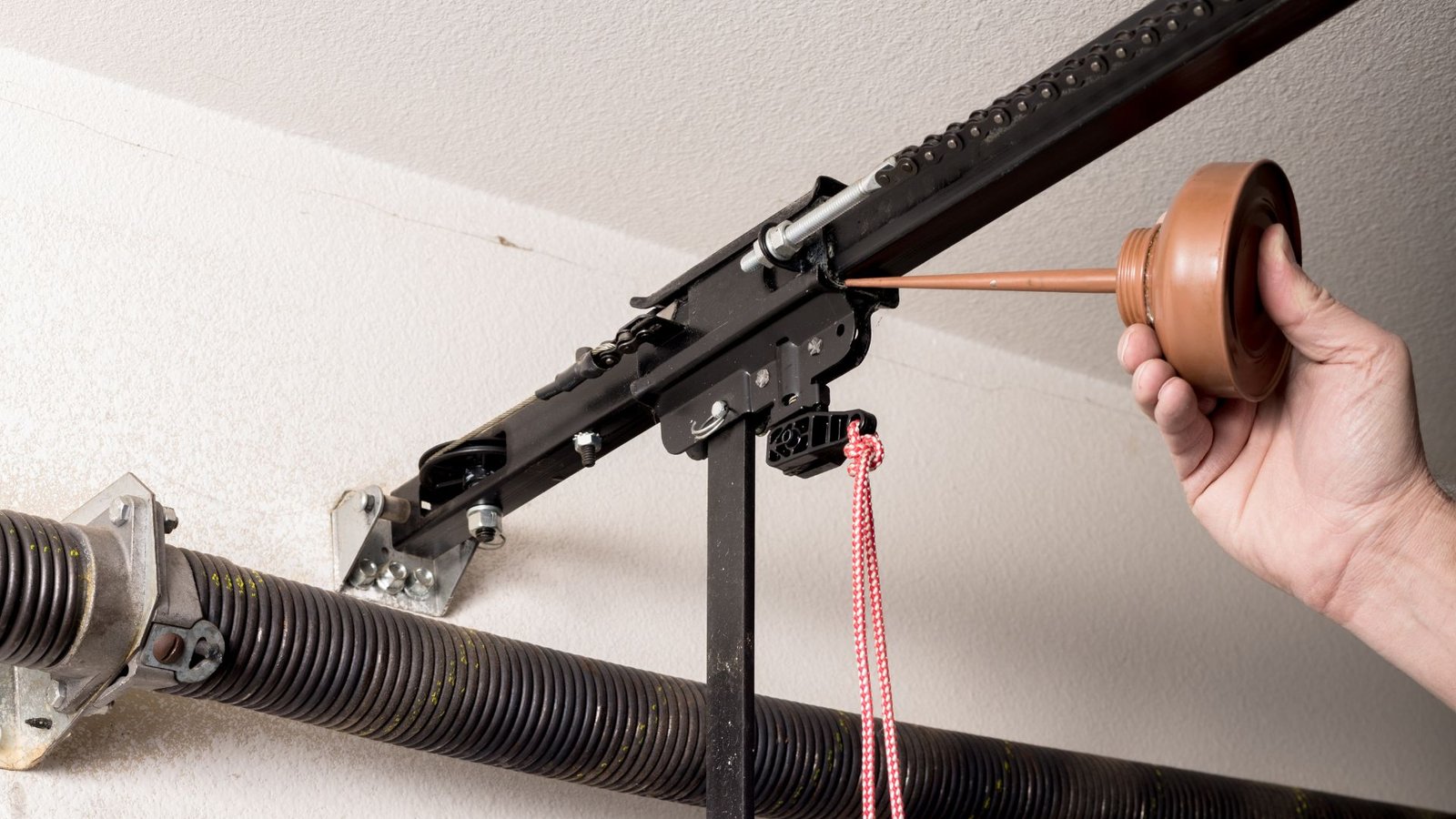
Lithium Vs Silicone Grease For Garage Door: Which Lubricant Keeps Your Door Quieter And Smoother?
If your garage door has started squeaking, grinding, or shaking the whole house when it moves, you are not alone. Many homeowners in The Woodlands, Texas, ask the same question: Should I use lithium or silicone grease?
It sounds simple, but choosing the right lubricant can mean the difference between a smooth door and one that keeps waking up the neighbors. The wrong product can attract dirt, cause buildup, or even damage certain parts. The right one improves lubrication, reduces friction, and protects against rust and corrosion.
Let’s break it down in plain English so you can make the best choice for your garage door.
Why Garage Door Lubrication Matters More Than You Think
Your garage door is the largest moving system in your home. It has rollers, hinges, torsion springs, bearing plates, pivot points, and a garage door track that all work together every time you open and close it.
These moving parts experience friction every single day. That friction leads to wear and tear, noise, and eventually expensive repairs.
Proper garage door lubrication helps:
- Reduce friction between metal-on-metal components
- Protect against rust and corrosion
- Handle moisture and high humidity in the Woodlands climate
- Extend the longevity of garage door components
- Keep your door operating smoothly
Without regular lubrication, ball bearings dry out, rollers grind, and hinge joints stiffen. Heat, temperature fluctuations, and harsh weather conditions only make it worse.
That is why choosing the right grease matters.
What Is White Lithium Grease?
White lithium grease is a lithium-based grease thickened with lithium soap. It is widely used as a heavy-duty lubricant for metal parts that handle loads and pressure.
You may have seen products like WD-40 Specialist White Lithium Grease or WD-40 White Lithium on store shelves. The WD-40 company created several specialty products beyond the traditional spray, and this is one of them.
How White Lithium Grease Works
White lithium grease forms a thick, protective layer over metal surfaces. It offers:
Strong lubrication and protection
- Good water-resistant properties
- Protection against wear
- Performance in extreme temperatures
Because of its higher viscosity, it sticks well to parts like bearings, axle components, and torsion springs. It is long-lasting and does not drip easily.
This makes it a solid choice for garage systems that operate under weight and pressure.
What Is Silicone Grease?
Silicone grease is made from Silicone oil mixed with a thickener. It is a synthetic chemical substance designed to repel water and handle temperature changes.
You will often find it in silicone spray or aerosol form. Silicone lubricants are popular because they are less messy and safe for metal, plastic, and even natural rubber parts.
How Silicone Grease Works
Silicone-based lubricants create a slick film that reduces friction without becoming sticky. They are known for:
- Excellent water resistance
- Ability to resist water and heat
- Smooth, clean finish
- Easy application with spray lube
Unlike heavier grease, silicone grease does not attract dust as easily. That makes it helpful for areas exposed to the elements.
Lithium Vs Silicone: Key Differences for Garage Door Use
Both products are technically greases, but they behave very differently on the moving parts of your garage.
Here is how they compare.
Thickness and Staying Power
White lithium grease is thicker. It stays in place on high-friction components like wheel bearings, roller bearings, and bearing plates. If you want strong protection for metal rollers or ball bearing assemblies, lithium often lasts longer.
Silicone grease is thinner and cleaner. It spreads easily but may not stay as long under heavy pressure.
If your door systems see constant door open and close cycles, lithium may provide more durability.
Dirt and Debris Attraction
Thicker grease can attract dirt and dust over time. That buildup can clog certain parts, especially if applied too heavily.
Silicone grease tends to repel debris better. For dusty garage door components, this can be an advantage.
This is important in an overhead door that is frequently exposed to the elements. Dust and dirt mixed with thick grease can increase friction instead of reducing it.
Weather and Moisture Performance
In The Woodlands, weather conditions include high humidity, heat, and sudden temperature swings.
White lithium grease offers solid protection against rust and corrosion. It handles heat and provides waterproofing qualities.
Silicone grease excels at water resistance. It does not break down as quickly in high humidity and helps repel moisture effectively.
If your garage is not climate-controlled, both can work, but choosing the right one depends on the specific part.
Where to Use White Lithium Grease on a Garage Door
White lithium grease is often considered the best lubricant for heavy-duty metal contact.
It works well for:
- Rollers with exposed ball bearings
- Bearing plates
- Torsion springs
- Metal hinge joints
- Axle points
Some professionals prefer to use white lithium grease with a grease gun for precise control.
Others use a lithium spray version in aerosol form.
Products like WD-40 Specialist White Lithium Grease or even Blaster Garage Door spray are commonly used specifically for garage doors.
If you use white lithium grease, apply it lightly. Too much can create buildup. You want a thin coating that provides lubrication and protection without clogging the pivot points.
Where to Use Silicone Grease on a Garage Door
Silicone grease or silicone spray works well on:
- Door track surfaces
- Plastic or nylon rollers
- Sliding surfaces
- Areas exposed to water
Because silicone-based lubricants are safe for rubber and plastic, they are a safer choice if your garage system includes non-metal pieces.
Many homeowners prefer silicone spray lube for easy application and less mess. It is also helpful for light lubrication, where heavy grease or oil would be overkill.
What About WD-40?
This part causes the most confusion.
Standard WD-40 is primarily a water displacement product, not a long-term garage door lubricant. It is great to remove any dirt, loosen stuck parts, or provide temporary help.
But do not rely on it alone. If you use WD-40, use it to clean first, then apply the lubricant designed for lubrication.
If you really want a WD-40 company product for ongoing protection, look for WD-40 Specialist formulas like their lithium spray. Those are built for lubrication rather than short-term fixes.
In other words, do not just spray and hope for the best.
Step-by-Step: How to Lubricate Your Garage Door Properly
If you enjoy a little do-it-yourself care, here is a simple step-by-step approach to lubricating your garage door safely.
- Close the door and disconnect the opener.
- Use a clean cloth to wipe down rollers, hinges, and tracks. Remove any dirt or debris.
- Lightly apply lubricant to rollers, bearings, and hinge pivot points.
- Avoid spraying directly into the garage door track. Focus on the roller and bearing instead.
- Open and close the door several times to spread the grease evenly.
This promotes reducing friction and ensuring smooth operation.
Never use synthetic motor oil unless specifically recommended. Some people try to use synthetic alternatives, but they can drip and create a mess. Also, avoid heavy tractor grease, not designed for residential systems.
Regular lubrication twice a year helps prevent wear and tear and keeps your smooth door running quietly.
Choosing the Right Lubricant for Your Garage
So what is the final choice for garage owners in The Woodlands?
If your focus is on heavy load, metal parts, and long-lasting durability, white lithium grease is often the better option.
If you want an easy application, cleaner results, and protection in high humidity with less mess, silicone grease is a strong contender.
In many cases, experienced technicians actually use different lubricants on different parts of your garage door. There is no rule that says you must choose only one.
That balanced approach offers better protection against wear and consistent performance through extreme temperatures and changing climate conditions.
When to Call a Professional
Lubrication helps, but it does not fix broken springs, worn bearings, or damaged rollers.
If your door is still loud after proper care, or if you notice uneven movement, grinding, or shaking, the issue might go beyond grease or oil.
At 2Quick Garage Doors Woodlands, we regularly service systems specifically for garage doors in The Woodlands, Texas. We inspect the moving parts of your garage, adjust tension on torsion springs, and ensure everything is aligned correctly for safe operation.
Our goal is simple – keep your door safe, quiet, and reliable.
If you are unsure about the best lubricant or want expert maintenance, you can call (346) 574-0359 or visit https://garagedoorswoodlandstx.com/ to schedule service.
Final Thoughts: Lithium or Silicone for a Smoother Garage Door?
There is no one-size-fits-all answer.
White lithium grease offers strong, long-lasting protection for heavy metal contact areas.
Silicone grease provides a cleaner application and excellent moisture resistance.
The best solution often depends on the specific garage door components involved, your local weather conditions, and how frequently your door operates.
If you want a quieter system and better longevity, consistent garage door lubrication is more important than the brand name on the can.
And if you ever feel unsure, remember that expert help is just a phone call away. A little preventative care today can save you from major repairs tomorrow. Reach out now.