Garage Door Installation Services In The Woodlands, TX

Get Stress-Free Garage Door Service in The Woodlands, Texas

Make a call

(346) 574-0359

Email address

info@garagedoorswoodlandstx.com

March 2, 2025 admin No Comments

Garage Door Maintenance Tips

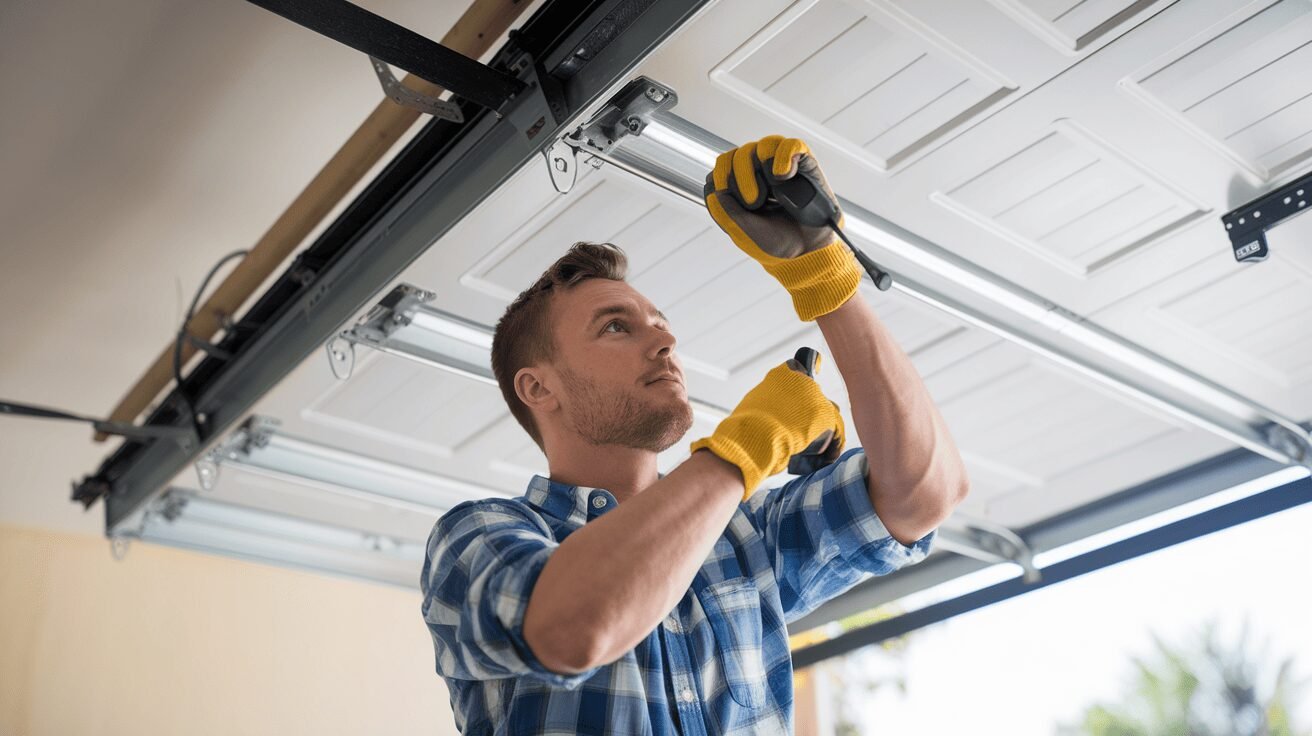
DIY Garage Door Maintenance Tips for Homeowners Your garage door is one of the largest moving parts in your home, and it plays a crucial role in security, energy efficiency, and daily convenience. Despite this, many homeowners neglect garage door maintenance until something goes wrong. Routine maintenance can help prevent unexpected breakdowns, extend the lifespan of your garage door, and save you from costly repairs. Imagine coming home after a long day, only to find that your garage door won’t open. This frustrating situation can often be avoided with simple, regular maintenance. In this guide, we’ll walk you through easy, do-it-yourself (DIY) garage door maintenance tips to keep your door operating smoothly year-round.   The Benefits of Regular Garage Door Maintenance Regular maintenance offers numerous benefits, including: Increased Lifespan: Prevents premature wear and tear on essential components. Enhanced Safety: Reduces the risk of accidents caused by faulty mechanisms. Cost Savings: Prevents expensive repairs by catching minor issues early. Improved Energy Efficiency: Seals gaps that could cause heat loss or drafts. Smooth Operation: Prevents noisy, jerky movements. Homeowners who maintain their garage doors properly can extend their functionality for over 15 years, avoiding costly replacements and emergency service calls.   Essential DIY Garage Door Maintenance Tips 1. Conduct a Visual Inspection Before performing any maintenance, conduct a thorough visual inspection. Look for signs of wear and tear on key components: Door Panels: Check for dents, cracks, or rust. Hinges and Brackets: Ensure they are securely fastened. Cables and Springs: Look for fraying or corrosion. Tracks and Rollers: Check for debris or misalignment. A quick inspection once a month can help you identify small issues before they turn into major problems.   2. Lubricate Moving Parts Proper lubrication is one of the easiest ways to keep your garage door functioning smoothly. Use a high-quality, non-silicone-based lubricant for the following components: Hinges: Prevents squeaking and excessive wear. Rollers: Ensures smooth movement along the tracks. Springs: Reduces strain and extends longevity. Tracks: Keeps the door moving effortlessly. Apply lubricant every six months for optimal performance. Avoid using WD-40, as it can attract dirt and grime over time.   3. Check the Door Balance An unbalanced garage door places extra strain on the opener and can cause premature wear. To check the balance: Disconnect the opener by pulling the manual release handle. Lift the door manually to about halfway and let go. If the door stays in place, it’s properly balanced. If it moves up or down, the springs may need adjustment. If your garage door is unbalanced, contact a professional to adjust the torsion springs, as handling them yourself can be dangerous.   4. Inspect and Clean the Tracks Dirty or misaligned tracks can cause the door to operate unevenly. Follow these steps to keep them in top shape: Clean the Tracks: Use a damp cloth to remove dirt and grime. Check Alignment: Tracks should be parallel and not bent. Tighten Bolts: Secure any loose brackets that hold the tracks in place. Keeping the tracks free of debris ensures smooth and safe operation.   5. Test Safety Features Modern garage doors include important safety features designed to prevent accidents. Test these features regularly: Auto-Reverse Function: Place a solid object, like a wooden block, in the door’s path. If the door doesn’t reverse upon contact, it needs repair. Photoelectric Sensors: Wave an object in front of the sensors while the door is closing. It should reverse immediately. Faulty safety mechanisms can lead to serious injuries, so always ensure they are working correctly.   6. Tighten Hardware and Fasteners Garage doors undergo constant movement, which can loosen bolts and screws over time. Every few months, check and tighten: Hinges Brackets Roller Mounts Track Fasteners A simple tightening session can prevent costly structural issues down the line.   7. Replace Weatherstripping The weatherstripping at the bottom of your garage door helps keep out moisture, dust, and pests. If it appears cracked or worn, replace it using these steps: Remove the old weatherstripping. Cut a new strip to the correct length. Secure it in place with nails or adhesive. This quick fix enhances insulation and protects your garage from the elements.   8. Keep Your Garage Door Clean Cleaning your garage door not only improves curb appeal but also prevents rust and deterioration. Wash the Door: Use mild soap and water. Inspect for Rust: Sand and repaint any rusty spots. Polish Wooden Doors: Apply a fresh coat of sealant to protect against weather damage. A well-maintained door boosts your home’s exterior and adds value to your property.   Real-Life Case Studies Case Study #1: Preventing Costly Repairs with Regular Maintenance Mark, a homeowner in Texas, noticed his garage door was making a grinding noise. Instead of ignoring it, he followed DIY maintenance steps—cleaning the tracks and lubricating the rollers. Within minutes, the noise disappeared, and he avoided what could have been a $500 repair job for roller replacement. Case Study #2: Extending the Life of a Garage Door Lisa had been using her garage door for over a decade. By regularly tightening hardware, checking balance, and replacing weatherstripping, she was able to extend its life by an additional five years without needing major repairs or replacements. These cases highlight how simple maintenance can lead to long-term savings and hassle-free operation.   Final Wording: Make Garage Door Maintenance a Priority Taking the time to perform regular garage door maintenance ensures your door operates smoothly, safely, and efficiently. By following these DIY tips, you can prevent breakdowns, save money on repairs, and extend the lifespan of your garage door. If you encounter complex issues or suspect major wear, don’t hesitate to seek professional help. A well-maintained garage door enhances your home’s functionality, security, and value. Need Professional Garage Door Service? For expert garage door maintenance and repairs, contact Garage Doors Woodlands tx today. Our experienced technicians provide top-notch service to keep your garage door in peak condition. Book your inspection now and ensure your garage door’s long-term reliability!
Read More
March 2, 2025 admin No Comments

Home Security with Advanced Garage Door Features

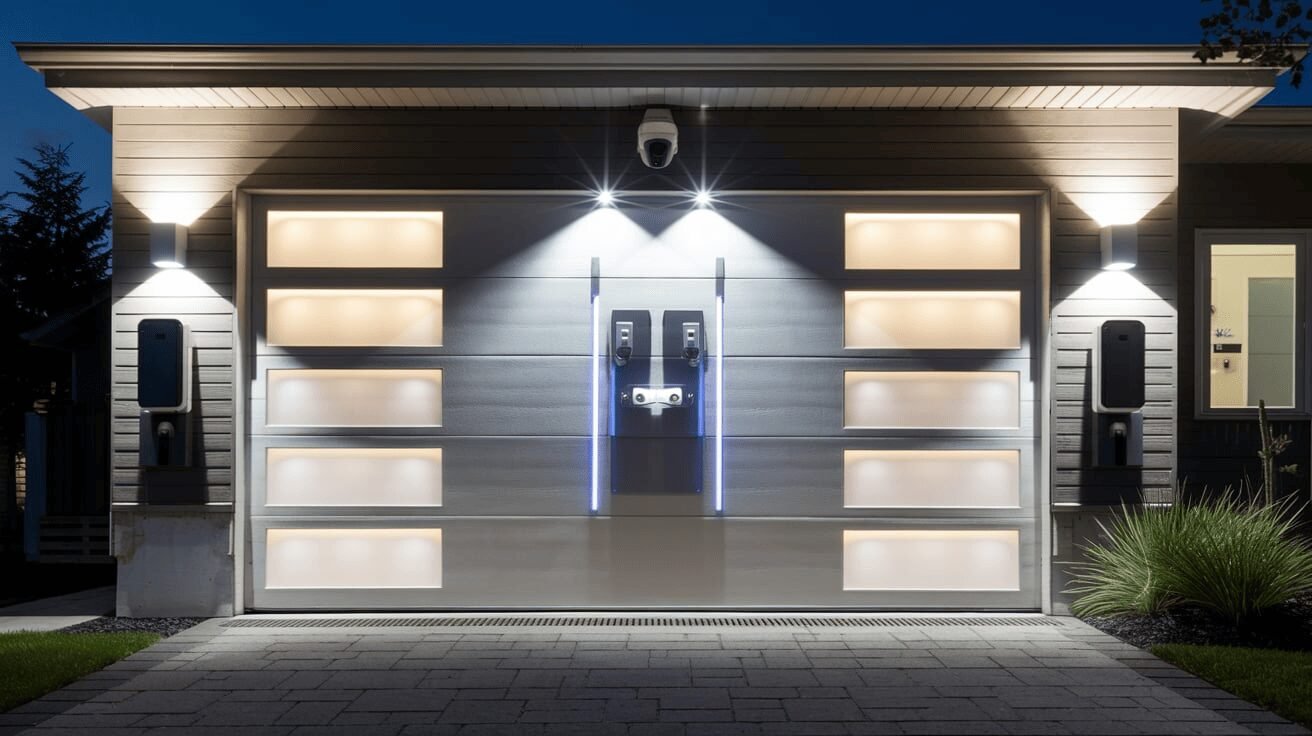
Enhancing Home Security with Advanced Garage Door Features Home security is a top priority for homeowners, yet one critical entry point often goes overlooked the garage. Many people focus on securing front doors and windows, but an outdated or poorly secured garage door can be an easy target for intruders. Modern advancements in garage door security now offer homeowners a variety of solutions to protect their property and family effectively. In this guide, we will explore the latest security technologies designed to fortify your garage, prevent break-ins, and integrate seamlessly with your home security system.   The Growing Threat of Garage Break-Ins Garages are a common target for burglars, as they often store valuable items such as vehicles, tools, and expensive equipment. Additionally, many garages have direct access to the house, making them a primary security concern. Real-Life Case Study: A Costly Oversight John and Lisa, a couple living in a suburban neighborhood, always took home security seriously. They installed surveillance cameras, reinforced front door locks, and even had a monitored alarm system. However, they overlooked their garage door. One evening, burglars exploited an outdated garage opener signal, gained access, and stole expensive power tools and bicycles. This unfortunate event led them to invest in advanced garage security features, including a smart garage door system and motion-detecting alerts. Their experience serves as a wake-up call for homeowners who may neglect this critical aspect of home security.   Key Features to Improve Garage Door Security 1. Smart Garage Door Openers Traditional garage door openers with fixed codes can be hacked using signal replay attacks. Smart garage door openers eliminate this risk by allowing homeowners to control and monitor their garage remotely via smartphone apps. These systems provide real-time alerts when the door is opened or left ajar, ensuring you have complete visibility and control over access. Benefits: Remote control via mobile devices Integration with home security systems Real-time alerts for unauthorized access Auto-close features to prevent accidental security lapses   2. Rolling Code Technology for Enhanced Protection Garage door openers that use rolling code technology generate a new security code each time the opener is used. This prevents hackers from intercepting the signal and using it to gain access. Why It Matters: Prevents signal hacking attempts Provides a unique code for every operation Works with most modern garage door openers   3. Reinforced Garage Door Locks Many standard garage doors come with minimal locking mechanisms that can be bypassed easily. Upgrading to reinforced garage door locks adds an extra layer of security. Homeowners can choose from deadbolts, slide bolts, or even smart locks that can be controlled remotely. Recommended Solutions: Side-mounted deadbolts Electronic keypads with biometric authentication Smart locks integrated with home automation   4. Motion-Activated Lighting and Alarms A well-lit exterior is a natural deterrent to potential burglars. Motion-activated lights and alarms ensure that any movement around the garage triggers an immediate response, making it harder for intruders to operate unnoticed. Best Practices: Install LED floodlights near the garage entry points Integrate alarms that trigger when unauthorized movement is detected Use lights with adjustable sensitivity to minimize false alarms   5. Garage Door Security Sensors Security sensors detect any forced entry attempts and alert homeowners instantly. These sensors can be integrated with a broader home security system for maximum protection. Features to Consider: Contact sensors that detect when the door is forced open Vibration sensors for detecting tampering Wireless alerts sent directly to a homeowner’s smartphone   6. Secure Windows and Visual Obstruction Garage door windows provide burglars with an easy way to assess whether the space is occupied and what valuables are stored inside. Frosting or covering garage windows can prevent outsiders from peeking in while maintaining natural light. Effective Solutions: Install frosted or tinted glass Use window films to block visibility Consider removing windows if security is a top priority   7. Regular Maintenance and Upkeep A faulty or outdated garage door mechanism can make break-ins easier. Routine maintenance ensures all security features function properly and reduces the risk of unexpected failures. Maintenance Checklist: Inspect and lubricate door hinges and tracks Test auto-reverse functionality to prevent accidents Check for signs of wear on locks and openers   Integrating Garage Security with Home Automation Modern home security solutions allow garage security to be seamlessly integrated with home automation systems. Homeowners can monitor all entry points, receive instant alerts, and control security settings remotely. Example Setup: Smart garage door connected to a home security app Voice-controlled commands via Alexa or Google Assistant Live camera feeds accessible through a mobile device This level of control ensures that even when you’re away from home, you can monitor and secure your garage effortlessly.   Why Upgrading Your Garage Security is a Worthwhile Investment 1. Protecting Your Home and Family A secured garage prevents unauthorized access to your home, reducing the risk of break-ins and keeping your loved ones safe. 2. Increasing Property Value A home equipped with advanced security features is more attractive to potential buyers. Investing in garage door security upgrades can boost property resale value. 3. Peace of Mind Knowing that your garage is secure means you won’t have to worry about break-ins, even when you’re away on vacation or at work. 4. Insurance Benefits Some home insurance companies offer discounts for homeowners who invest in advanced security measures. Installing security locks, alarms, and smart technology can lead to lower premiums.   Final Wording: Take Action to Secure Your Garage Today Garage security should never be an afterthought. Investing in modern security features such as smart garage door openers, rolling codes, reinforced locks, motion sensors, and home automation integration can make all the difference in protecting your property. Next Steps: Evaluate your current garage door security. Identify weak points and choose the right upgrades. Consult a professional garage door security expert. Implement smart security features for enhanced protection. A secure garage is not just about preventing theft—it’s about ensuring safety, peace of mind, and long-term property value. If you’re ready

Read More
February 19, 2025 admin No Comments

Garage Door Needs Immediate Repair

Top 5 Signs Your Garage Door Needs Immediate Repair A well-functioning garage door is essential for the security and convenience of your home. However, like any mechanical system, garage doors are susceptible to wear and tear, which can lead to malfunctions. Recognizing the early warning signs of a failing garage door can prevent costly repairs and ensure the safety of your household. This article outlines the top five indicators that your garage door requires immediate professional attention. 1. Unusual Noises During Operation Identifying the Sounds While some noise is normal during garage door operation, sudden or loud sounds such as grinding, squeaking, or banging are red flags. These noises often indicate underlying issues that need prompt attention. Potential Causes Worn or Damaged Rollers: Grinding noises may suggest that the rollers are worn out or need lubrication. Loose Hardware: Rattling sounds can result from loose bolts or hinges. Malfunctioning Springs: A loud bang may indicate a broken torsion spring, which can be dangerous if not addressed immediately. Recommended Actions If you notice any unusual noises, it’s crucial to consult a professional garage door technician. Attempting to fix these issues without proper knowledge can lead to further damage or personal injury. 2. Slow or Unresponsive Operation Signs of Delay A garage door that hesitates, moves slower than usual, or doesn’t respond promptly to commands is a clear indication of a problem. Possible Reasons Aging Components: Over time, parts like springs and cables can wear out, affecting the door’s performance. Opener Issues: Problems with the garage door opener, such as motor fatigue or faulty wiring, can cause delays. Lack of Maintenance: Inadequate lubrication or neglected maintenance can lead to sluggish operation. Recommended Actions Regular maintenance, including lubrication of moving parts and timely replacement of worn components, can enhance performance. If issues persist, seek professional assistance to diagnose and resolve the problem. 3. Door Doesn’t Close or Open Fully Incomplete Movements When your garage door fails to open or close entirely, it compromises security and functionality. Potential Causes Obstructed Tracks: Debris or dents in the tracks can hinder the door’s movement. Sensor Misalignment: Safety sensors that are out of alignment may prevent the door from closing properly. Broken Springs or Cables: Damaged components can restrict the door’s full range of motion. Recommended Actions Inspect and clear any obstructions from the tracks and ensure sensors are correctly aligned. For issues related to springs or cables, contact a professional technician, as these parts are under high tension and can be hazardous to repair without proper expertise. 4. Sagging or Imbalanced Door Visual Indicators A garage door that appears uneven or sags when partially open is a sign of imbalance. Possible Reasons Worn Springs: Springs that have lost tension can cause the door to sag on one side. Uneven Weight Distribution: Structural issues or damage to panels can lead to imbalance. Recommended Actions Perform a balance test by disconnecting the opener and manually lifting the door halfway. If it doesn’t stay in place, the door is imbalanced. Seek professional repair to adjust or replace the springs and address any structural concerns. 5. Increased Energy Bills Unexpected Costs A sudden rise in energy expenses can sometimes be traced back to your garage door. Potential Causes Poor Insulation: An uninsulated or poorly insulated garage door allows external temperatures to affect your home’s interior, leading to increased heating or cooling demands. Air Leaks: Gaps or cracks in the door or its seals can let conditioned air escape and outside air enter. Recommended Actions Consider upgrading to an insulated garage door to improve energy efficiency. Ensure weatherstripping and seals are intact and replace any damaged components. Consult with a garage door professional to assess and enhance your door’s insulation properties. Final Thoughts Being attentive to these warning signs can help you maintain a functional and safe garage door, preventing more severe issues and costly repairs down the line. Regular maintenance and prompt professional intervention are key to extending the lifespan of your garage door system. At Garage Doors Woodlands TX, we specialize in comprehensive garage door services, including repair, installation, and maintenance. Our team of experienced technicians is dedicated to ensuring your garage door operates smoothly and safely. If you’re experiencing any of the issues mentioned above, don’t hesitate to contact us for a professional assessment and prompt repair services. For more information or to schedule an appointment, visit our Contact Page or call us at (346) 574-0359.

Read More
February 19, 2025 admin No Comments

Insulating Your Garage Door in Texas

The Importance of Insulating Your Garage Door in Texas In the diverse climate of Texas, where temperatures can soar in the summer and dip in the winter, maintaining a comfortable and energy-efficient home is paramount. One often overlooked aspect of home insulation is the garage door. Properly insulating your garage door not only enhances comfort but also contributes significantly to energy efficiency. This comprehensive guide explores how garage door insulation impacts temperature regulation and energy consumption, providing actionable insights for Texas homeowners. Understanding Garage Door Insulation Garage door insulation involves adding a layer of insulating material to the door’s interior, creating a barrier against external temperatures. This barrier helps maintain a more stable internal environment within the garage, reducing the transfer of heat or cold into adjacent living spaces. In Texas, where climatic conditions vary widely, an insulated garage door can be a valuable addition to your home. Benefits of Insulating Your Garage Door 1. Enhanced Energy Efficiency An insulated garage door plays a crucial role in reducing energy consumption. By minimizing the exchange of heat between the garage and the outdoors, your home’s heating and cooling systems don’t have to work as hard to maintain desired temperatures. This reduction in workload can lead to noticeable savings on energy bills. Studies have shown that garage door insulation can keep your garage 20 to 25 degrees cooler in summer and 8 to 12 degrees warmer in winter. 2. Improved Temperature Regulation In Texas, garages can become extremely hot during summer months, affecting not only the comfort of the space but also the temperature of adjacent rooms. Insulating your garage door helps maintain a more consistent internal temperature, making the garage more usable for various activities and reducing heat transfer to other areas of the home. 3. Noise Reduction Insulated garage doors provide better soundproofing compared to their non-insulated counterparts. The added layers of insulation dampen external noises, creating a quieter environment inside the garage. This feature is particularly beneficial if you use your garage as a workspace, gym, or recreational area. 4. Increased Durability Insulated garage doors are typically constructed with multiple layers, enhancing their strength and durability. This robust construction makes them more resistant to dents, warping, and other forms of damage, ensuring a longer lifespan and reduced maintenance costs. Types of Garage Door Insulation When considering insulating your garage door, it’s essential to choose the right type of insulation material. Common options include: 1. Polystyrene Insulation Polystyrene panels are inserted into the garage door’s interior cavities. This type of insulation offers a balance between cost and thermal resistance, providing moderate insulation benefits. 2. Polyurethane Insulation Polyurethane is a foam that is injected between the door’s panels, expanding and solidifying to fill the space. It offers superior insulation properties due to its higher density, making it ideal for extreme temperature conditions. 3. Reflective Insulation Reflective insulation involves the use of foil-faced materials that reflect radiant heat away from the garage interior. This type is particularly effective in hot climates like Texas, where reflecting heat can significantly reduce cooling costs. Case Study: Energy Savings Through Garage Door Insulation A homeowner in Dallas, Texas, decided to insulate their garage door to combat the intense summer heat. Before insulation, the garage temperature often exceeded 100°F, making it unusable for most activities. After installing a polyurethane-insulated garage door, the garage maintained a temperature approximately 20°F cooler than before. This change not only made the space more comfortable but also reduced the strain on the home’s air conditioning system, leading to a noticeable decrease in monthly energy bills. Factors to Consider When Insulating Your Garage Door Before proceeding with garage door insulation, consider the following factors: 1. Garage Usage Determine how you use your garage. If it’s primarily for vehicle storage, basic insulation may suffice. However, if you use the space as a workshop, gym, or living area, investing in higher-grade insulation can enhance comfort and usability. 2. Climate Conditions In Texas, with its hot summers and mild winters, focusing on insulation that effectively blocks heat is essential. Reflective or polyurethane insulation materials are particularly effective in such climates. 3. Budget Insulation materials vary in cost. While polyurethane offers superior insulation, it is more expensive than polystyrene. Assess your budget and choose a material that provides the best balance between cost and performance for your needs. Professional Installation vs. DIY While DIY insulation kits are available, professional installation ensures insulation is applied correctly and effectively. Professionals can assess your specific garage door type and recommend the most suitable insulation material and method, ensuring optimal energy efficiency and longevity. Final Wording Insulating your garage door in Texas is a strategic investment that enhances energy efficiency, improves temperature regulation, reduces noise, and increases the durability of your garage door. By selecting the appropriate insulation material and considering professional installation, you can transform your garage into a more comfortable and functional space while reducing energy costs. At Garage Doors Woodlands TX, we specialize in providing top-quality garage door insulation services tailored to the unique climate challenges of Texas. Our team of experienced professionals is dedicated to enhancing your home’s comfort and energy efficiency. Contact us today to schedule a consultation and take the first step toward a more comfortable and energy-efficient home. For more information or to schedule an appointment, visit our Contact Page or call us at (346) 574-0359.

Read More
February 19, 2025 admin No Comments

Garage Door Material

How to Choose the Right Garage Door Material Selecting the appropriate garage door material is a crucial decision for homeowners, as it significantly impacts the home’s curb appeal, security, energy efficiency, and maintenance requirements. With various options available, understanding the pros and cons of each material can guide you toward making an informed choice that aligns with your aesthetic preferences and functional needs. Factors to Consider When Choosing a Garage Door Material Before delving into specific materials, consider the following factors to ensure your selection meets your requirements: Climate: The local weather conditions can influence the durability and performance of certain materials. Maintenance: Some materials demand more upkeep than others. Budget: Costs vary across different materials and styles. Aesthetic Appeal: The garage door should complement your home’s architectural style. Insulation Needs: Depending on your usage, insulation might be a priority to maintain energy efficiency. Common Garage Door Materials 1. Steel Garage Doors Pros: Durability: Steel doors are robust and can withstand harsh weather conditions. Low Maintenance: They resist warping and cracking, requiring minimal upkeep. Variety: Available in numerous styles and finishes, including options that mimic wood grain. Cost-Effective: Generally more affordable than wood or composite doors. Cons: Susceptibility to Dents: Thinner steel can dent upon impact. Rust Potential: Without proper coating, steel may rust, especially in coastal areas. Insulation: Steel alone offers poor insulation; however, many steel doors come with added insulation options. Ideal For: Homeowners seeking a durable, low-maintenance, and cost-effective solution with a variety of design options. 2. Wood Garage Doors Pros: Aesthetic Appeal: Offers a classic, timeless look with rich textures. Customization: Easily tailored to specific designs, sizes, and finishes. Insulation: Natural insulating properties help regulate garage temperatures. Cons: High Maintenance: Requires regular staining or painting to prevent rot and warping. Cost: Typically more expensive due to material and maintenance costs. Weight: Heavier than other materials, which may necessitate a more powerful opener and robust hardware. Ideal For: Homeowners prioritizing aesthetics and willing to invest in regular maintenance for a classic appearance. 3. Aluminum Garage Doors Pros: Lightweight: Easier to operate and puts less strain on the opener. Corrosion-Resistant: Ideal for humid or coastal regions. Modern Look: Often features sleek designs with glass panels for a contemporary appearance. Cons: Denting: More prone to dents and damage from impacts. Insulation: Generally offers less insulation unless equipped with thermal breaks or added insulation layers. Ideal For: Those seeking a modern aesthetic in areas where corrosion is a concern and insulation is less critical. 4. Fiberglass Garage Doors Pros: Durability: Resistant to rot, rust, and insects. Lightweight: Easier to handle and reduces wear on mechanisms. Low Maintenance: Does not warp or crack easily and requires minimal upkeep. Cons: Brittleness: Can become brittle in cold temperatures and may yellow with age. Limited Insulation: Typically offers lower insulation values unless specifically designed with insulating cores. Ideal For: Homeowners in mild climates looking for a durable, low-maintenance option that mimics the look of wood. 5. Vinyl Garage Doors Pros: Durability: Resistant to dents, rust, and cracks. Low Maintenance: Does not require painting and is easy to clean. Insulation: Often comes with good insulating properties. Cons: Color Limitations: Fewer color options, and color may fade over time. Customization: Limited design options compared to wood or steel. Ideal For: Families with children due to its durability and resistance to dents, and those seeking a low-maintenance option. Case Study: Selecting the Right Material in The Woodlands, TX Scenario: A homeowner in The Woodlands, Texas, seeks a new garage door that complements their home’s modern design, withstands the local humid subtropical climate, and requires minimal maintenance. Considerations: Climate: The area experiences high humidity and occasional storms. Aesthetic: The home features a contemporary design with clean lines. Maintenance: The homeowner prefers a low-maintenance solution. Recommended Material: Aluminum Garage Door Rationale: Corrosion Resistance: Aluminum’s natural resistance to rust makes it suitable for humid environments. Modern Appearance: Aluminum doors often feature sleek designs with glass panels, aligning with contemporary aesthetics. Low Maintenance: Requires minimal upkeep, addressing the homeowner’s preference. Additional Recommendations: Insulation: Opt for an aluminum door with thermal breaks or added insulation to enhance energy efficiency. Wind Resistance: Ensure the door meets local wind load requirements to withstand storms. Final Wording Choosing the right garage door material involves balancing aesthetics, functionality, climate considerations, and maintenance preferences. By evaluating the pros and cons of each material and considering your specific circumstances, you can select a garage door that enhances your home’s curb appeal and meets your practical needs. For personalized assistance and professional installation services in The Woodlands, TX, contact 2Quick Garage Doors. Our experienced team is ready to help you choose and install the perfect garage door for your home. Call us today at (346) 574-0359 or visit our contact page to schedule a consultation.

Read More
February 19, 2025 admin No Comments

Garage Door Technology

The Evolution of Garage Door Technology: From Manual to Smart Solutions The garage door has come a long way from being a simple wooden panel that homeowners lifted manually to highly advanced, smart technology-enabled systems. Over the years, innovations in materials, automation, security, and connectivity have transformed garage doors into an essential aspect of modern living. As more homeowners seek convenience, security, and energy efficiency, garage door technology continues to evolve. This article explores the history of garage doors, their transition from manual to automated systems, the rise of smart technology, and the future of garage door innovations. The Early Days: Manual Garage Doors The Origin of Garage Doors Garage doors have existed since the early 20th century when automobiles became widely available. Early garage doors were basic, manually operated structures made of wood and mounted on hinges. While they served their purpose, these doors were heavy, cumbersome, and lacked security features. The Challenges of Manual Garage Doors Inconvenience: Homeowners had to physically lift and lower the door each time they used it. Security Concerns: Traditional manual doors had simple locks that could be easily breached. Weather Vulnerability: Wooden doors were prone to warping, rotting, and weather damage over time. As technology advanced, the demand for a more efficient and secure garage door system increased, leading to the rise of automated garage doors. The Rise of Automated Garage Doors Introduction of Electric Garage Door Openers In the 1920s, the first electric garage door opener was invented, allowing users to control their garage doors with a push of a button. By the mid-20th century, automatic garage doors became more common, offering improved convenience and safety. Key Developments in Automated Garage Doors Rolling and Sectional Doors: By the 1950s, sectional garage doors became popular, replacing single-panel wooden doors with multiple sections that rolled upward. Remote Control Systems: The introduction of remote control technology allowed users to open and close their garage doors from a distance. Enhanced Safety Features: Automatic doors were equipped with sensors and auto-reverse mechanisms to prevent accidents and injuries. Despite these advancements, early automated doors had limitations, including signal interference, limited range, and basic security vulnerabilities. The Smart Garage Revolution The Advent of Smart Garage Door Openers With the rise of the Internet of Things (IoT), garage door technology took another leap forward. Smart garage door openers introduced Wi-Fi connectivity, remote access, and integration with home automation systems. Features of Smart Garage Doors Remote Access & Control: Homeowners can operate their garage doors using smartphone apps from anywhere in the world. Voice Control Compatibility: Integration with virtual assistants like Amazon Alexa, Google Assistant, and Apple HomeKit enables voice-activated control. Enhanced Security Measures: Smart garage doors provide real-time alerts, video surveillance, and encrypted access to prevent unauthorized entry. Scheduled Automation: Users can program their garage doors to open and close at specific times for added convenience. Integration with Smart Homes: Modern garage doors sync with security cameras, lighting systems, and alarm systems, creating a seamless home automation experience. Case Study: A Smart Garage in Action John, a busy professional, often worried about whether he had left his garage door open. After installing a smart garage door system, he received real-time alerts and could close the door remotely using his phone. The integration with his smart home system allowed him to enhance his home’s security while enjoying added convenience. The Future of Garage Door Technology AI & Machine Learning Enhancements Artificial intelligence is expected to play a significant role in future garage door systems. AI-powered automation will enable garage doors to learn user behavior, optimizing opening and closing times based on daily routines. Biometric Security Integration Fingerprint and facial recognition technology may replace traditional keypads and remotes, providing an additional layer of security for homeowners. Solar-Powered Garage Doors With sustainability becoming a priority, solar-powered garage doors will offer energy-efficient solutions, reducing reliance on traditional electricity. Predictive Maintenance & Self-Diagnosing Systems Smart garage doors of the future will include built-in diagnostic tools that monitor wear and tear, alerting homeowners when maintenance is needed before a malfunction occurs. Final Wording The evolution of garage door technology has significantly improved convenience, security, and energy efficiency. From manually operated wooden panels to AI-integrated smart systems, garage doors have become an integral part of modern smart homes. As technology continues to advance, homeowners can expect even greater innovations that enhance safety, convenience, and sustainability. If you’re considering upgrading to a smart garage door system, now is the perfect time to invest in cutting-edge technology. Contact our experts at Garage Doors Woodlands TX to explore the latest in garage door automation and security solutions!

Read More
February 1, 2025 admin No Comments

Trends in Garage Door Design

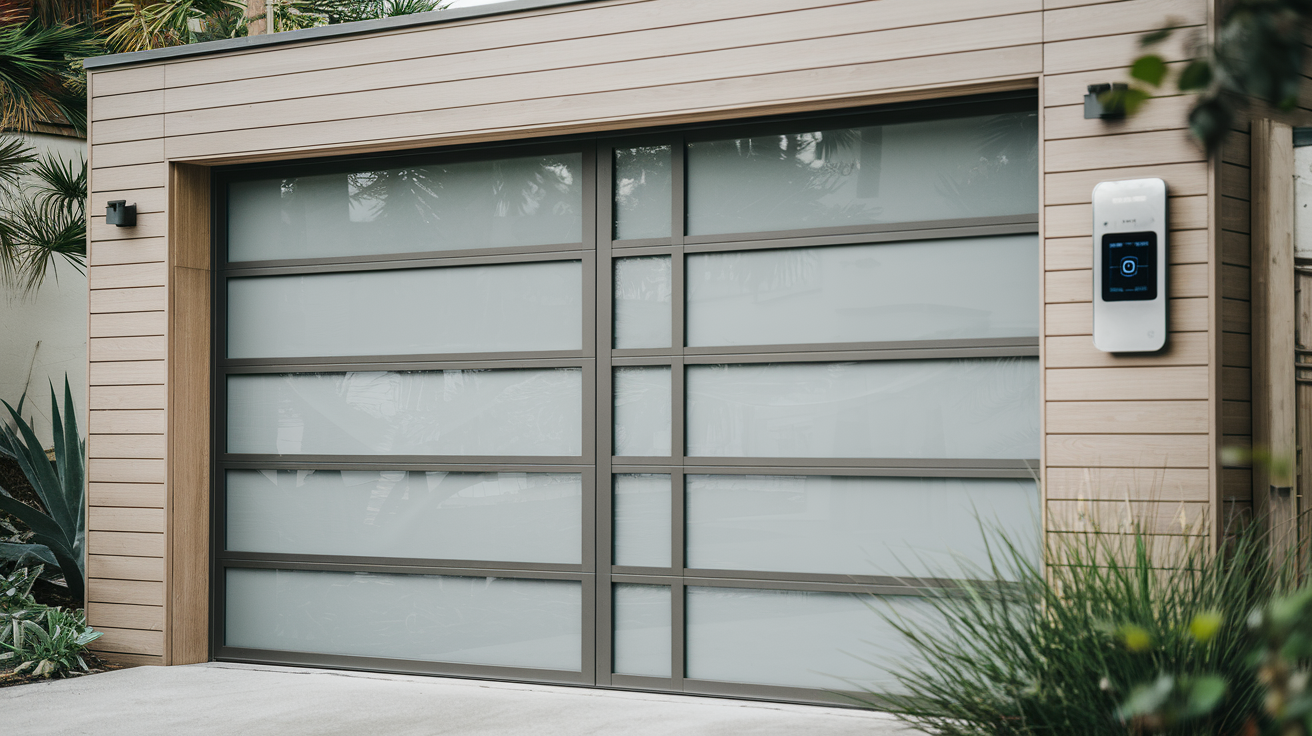
Emerging Trends in Garage Door Design and Technology Gone are the days when garage doors were merely functional components of a home. Today, they are integral to a property’s curb appeal, energy efficiency, and security. Homeowners are now embracing modern trends that merge aesthetics, sustainability, and smart technology to enhance their daily lives. From minimalist designs and eco-friendly materials to smart security features, the latest trends in garage door technology are shaping the future of residential and commercial properties. If you’re considering an upgrade, staying informed about these advancements will help you make the right choice for your home or business. 1. Minimalist and Contemporary Garage Door Designs Modern architecture has moved towards sleek, clean lines, and minimalist aesthetics, and garage doors are following suit. Minimalist designs eliminate excessive detailing and focus on functionality while enhancing the home’s overall curb appeal. Key Features of Minimalist Garage Doors Flush Panels & Smooth Finishes: Flat, seamless panels in neutral colors like black, gray, and white. Frameless Glass Garage Doors: These allow natural light to enter while maintaining privacy with tinted or frosted glass. Matte and Metallic Finishes: Homeowners are opting for matte black, brushed aluminum, and steel finishes for a modern touch. Minimalist garage doors not only enhance aesthetics but also increase property value, making them a worthwhile investment. 2. Eco-Friendly Materials for Sustainable Homes As homeowners prioritize sustainability, garage door manufacturers are offering eco-friendly and energy-efficient options. These doors reduce carbon footprints while improving insulation and durability. Popular Eco-Friendly Garage Door Materials Reclaimed Wood: Offers a rustic charm while reducing deforestation. Recycled Steel and Aluminum: Metal doors made from recycled materials are durable and sustainable. Composite Garage Doors: Mimic the look of wood but are made from recycled plastic and wood fibers, making them moisture- and pest-resistant. Energy-Efficient Insulation: Polyurethane foam insulation helps regulate indoor temperatures, reducing energy costs. Benefits of Sustainable Garage Doors Lower energy bills Reduced environmental impact Increased longevity and durability Compliance with green building initiatives 3. Smart Garage Door Technology: Convenience & Security Smart home technology has transformed garage doors, making them more secure, user-friendly, and efficient. Homeowners are now integrating their garage doors with smart home automation systems. Smart Features to Look For Wi-Fi Connectivity: Control your garage door remotely through a smartphone app. Voice Assistant Integration: Compatible with Alexa, Google Assistant, and Apple HomeKit for voice commands. Geofencing Technology: Automatically opens and closes your garage door when you arrive or leave. Real-Time Alerts & Security Monitoring: Notifies homeowners when the garage door is opened, preventing unauthorized access. Battery Backup Systems: Keeps the garage door functional during power outages. Smart garage doors improve security and accessibility, making them an essential upgrade for modern homeowners. 4. The Rise of Insulated Garage Doors for Energy Efficiency With fluctuating weather conditions, homeowners are opting for insulated garage doors to improve temperature control and energy savings. Advantages of Insulated Garage Doors Temperature Regulation: Keeps garages cooler in summer and warmer in winter. Energy Efficiency: Helps lower heating and cooling costs, especially for attached garages. Noise Reduction: Insulated doors minimize external noise, ideal for homes near busy streets. Structural Durability: Insulation adds extra strength, making garage doors more resistant to impact and wear. If your garage is attached to your home, upgrading to an insulated garage door can improve indoor comfort and reduce utility expenses. 5. Customization & Personalization: Tailoring Designs to Suit Every Home Homeowners no longer want one-size-fits-all garage doors. Customization allows them to match their garage doors with their home’s architecture and personal style. Popular Customization Options Color Matching: Homeowners can match their garage doors with their home’s exterior paint. Glass Panel Inserts: Adds aesthetic value and natural light. Carriage-Style Doors: A classic look for traditional or farmhouse-style homes. Decorative Hardware: Custom handles, hinges, and accents add unique character. A well-designed custom garage door boosts curb appeal and property value. 6. Advanced Security Features for Maximum Protection Security is a top concern for homeowners, and garage doors are now equipped with high-tech security features to prevent break-ins. Garage Door Security Innovations Rolling Code Technology: Changes remote codes every time the garage door is used, preventing hacking. Auto-Lock Mechanism: Ensures the door automatically locks when closed. Motion-Sensor Lighting: Illuminates the garage and driveway for better visibility and deterrence. Reinforced Steel Panels: Adds extra durability to withstand forced entry attempts. Upgrading to a secure garage door provides peace of mind and enhanced home security. 7. Biophilic Design: Merging Nature with Garage Spaces Biophilic design integrates natural elements into modern architecture, including garage doors. How Biophilic Design is Transforming Garage Doors Living Walls: Vertical gardens installed near garage doors add greenery and fresh air. Natural Wood Finishes: Wood-textured garage doors create a warm, organic feel. Large Glass Panels: Allows ample natural light, reducing the need for artificial lighting. Biophilic designs improve well-being and create a harmonious connection with nature. 8. Innovations in Commercial & Industrial Garage Doors Beyond residential properties, commercial garage doors are evolving to meet modern business needs. Latest Advancements in Commercial Garage Doors High-Speed Roll-Up Doors: Ideal for businesses requiring quick access. Fire-Rated Garage Doors: Enhances safety compliance for commercial spaces. Transparent Rolling Doors: Increases visibility and security in retail environments. Modern commercial garage doors optimize efficiency and security, reducing operational downtime. 9. The Future of Garage Doors: What to Expect? Looking ahead, garage door technology and design will continue evolving. Emerging trends include: Solar-Powered Garage Doors: Harness renewable energy for efficiency. AI-Enabled Smart Garage Systems: Uses artificial intelligence to optimize garage door operations. Self-Repairing Materials: Advanced materials that automatically repair minor dents and scratches. These innovations will redefine the way we interact with our garage doors. Final Thoughts: Upgrade Your Garage Door for a Modern Home Garage doors have come a long way from being just functional structures. With sleek designs, eco-friendly materials, smart technology, and enhanced security features, modern garage doors are now integral to home improvement. Investing in a custom, high-tech garage door improves curb appeal, energy efficiency, and security. If you’re considering a

Read More
February 1, 2025 admin No Comments

Professional Garage Door Inspections

The Advantages of Scheduling Annual Professional Garage Door Inspections Your garage door plays a crucial role in your home’s security, energy efficiency, and curb appeal. Despite its importance, many homeowners overlook the need for regular maintenance until something goes wrong. A malfunctioning garage door can lead to safety hazards, unexpected expenses, and unnecessary inconvenience. To avoid these issues, scheduling an annual professional garage door inspection is essential. A thorough inspection ensures that all components are functioning optimally, extends the lifespan of your door, and enhances safety. In this guide, we’ll discuss the key benefits of annual garage door inspections, the risks of neglecting maintenance, and what to expect during a professional check-up. Why Are Annual Garage Door Inspections Important? Your garage door operates under constant strain, moving up and down multiple times a day. Over time, mechanical components wear out, requiring adjustments or replacements. Without regular inspections, minor issues can escalate into costly repairs or full system failures. 1. Early Detection of Potential Issues Garage door problems often develop gradually, with small signs appearing before a major breakdown. A professional inspection identifies these early warning signals, allowing homeowners to address them before they become expensive repairs. Some of the most common garage door issues include: Worn-out or broken springs – Can cause the door to suddenly crash down. Frayed or misaligned cables – Lead to instability and can snap under tension. Rusty or loose hardware – Affects the smooth movement of the door. Malfunctioning safety sensors – Prevent the door from reversing when an obstruction is detected. Track misalignment – Causes the door to get stuck or operate noisily. Catching these problems early prevents unexpected breakdowns, saving you time, money, and hassle. 2. Extending the Lifespan of Your Garage Door A well-maintained garage door can last 15 to 30 years, depending on usage and quality. However, neglecting maintenance drastically shortens its lifespan. Components such as springs, rollers, and openers wear out faster when not regularly checked. Annual inspections ensure that: ✅ Springs remain properly tensioned to support the weight of the door. ✅ Rollers stay lubricated and in good shape to prevent jerky movement. ✅ Tracks remain aligned and free from debris for smooth operation. ✅ Weatherstripping stays intact to improve insulation and energy efficiency. By investing in regular check-ups, homeowners can extend the longevity of their garage doors and avoid premature replacements. 3. Enhancing Safety for Your Family Garage doors are one of the heaviest moving objects in a home, weighing 200 to 400 pounds. If a faulty component fails, it can lead to serious injuries or property damage. A professional inspection ensures that safety mechanisms are working correctly, including: Auto-reverse system: Stops the door from closing on a person or pet. Emergency release function: Allows manual operation in case of a power failure. Torsion spring condition: Prevents sudden breakage that could send the door crashing down. Motion detection sensors: Stop the door from closing if movement is detected underneath. Neglecting these safety features puts your family at risk. Regular inspections eliminate potential hazards, ensuring a safe and reliable garage door system. What Happens During a Professional Garage Door Inspection? A professional garage door inspection covers multiple components to ensure your system is in peak condition. Here’s what to expect: 1. Visual Examination The technician will check for: 🔹 Dents, cracks, or signs of rust on door panels. 🔹 Loose or missing bolts, nuts, and screws. 🔹 Frayed cables and signs of wear on pulleys. 🔹 Track misalignment or obstructions. 2. Balance and Tension Testing A garage door must be properly balanced to function correctly. The technician will: ✔️ Disconnect the automatic opener and manually lift the door halfway to see if it stays in place. ✔️ Adjust the tension on the springs if the door feels too heavy or slams shut. 3. Safety Sensor Evaluation Garage doors have auto-reverse sensors that prevent accidents. The technician will: ✅ Place an object in the door’s path to check if it reverses automatically. ✅ Adjust misaligned sensors to improve accuracy. ✅ Clean sensor lenses to ensure they detect movement correctly. 4. Lubrication of Moving Parts Proper lubrication reduces friction and wear on components. The technician will apply: 💧 Silicone-based lubricant on hinges, rollers, and springs. 💧 Grease on the opener’s chain or screw drive. 5. Opener and Remote Testing The garage door opener is the brain of the system. The technician will: ✔️ Check if the opener responds promptly to remote commands. ✔️ Inspect battery strength in remotes and keypads. ✔️ Ensure motor and drive belts are in good shape. 6. Insulation and Weatherstripping Inspection Garage doors contribute to home insulation. The technician will: ✔️ Check for air leaks around the door edges. ✔️ Replace worn-out weatherstripping to improve energy efficiency. ✔️ Inspect insulation panels for cracks or damage. Cost Savings of Regular Inspections Avoiding Emergency Repairs Neglecting maintenance leads to unexpected failures. An annual inspection prevents costly emergency service calls, which can be 2-3 times more expensive than scheduled maintenance. Lowering Energy Bills A properly insulated and sealed garage door prevents energy loss. This reduces heating and cooling costs, especially for homes with attached garages. Increasing Property Value A well-maintained garage door enhances curb appeal and adds value to your home. If you plan to sell your property, a functioning garage door is a major selling point. DIY Garage Door Maintenance Between Inspections While professional inspections are essential, homeowners should perform basic maintenance to keep their garage doors in top shape. Here are some DIY tips: 🏠 Clean the tracks: Remove dust and debris for smooth operation. 🔧 Tighten hardware: Bolts and screws can loosen over time. 💡 Test sensors regularly: Make sure the auto-reverse system works. 🚪 Listen for unusual noises: Grinding or squeaking could indicate issues. ⚙️ Check weatherstripping: Replace if it’s cracked or missing. When Should You Call for an Immediate Inspection? Even if you schedule an annual inspection, some signs indicate you need immediate professional attention: ⚠️ The door is making loud noises (grinding, squeaking,

Read More
February 1, 2025 admin No Comments

Lifespan of Garage Door Components

The Lifespan of Garage Door Components: When to Repair or Replace Your garage door is one of the most frequently used components of your home, providing convenience, security, and aesthetic value. However, like any mechanical system, it consists of multiple components that wear down over time. Knowing the lifespan of these components and understanding when to repair or replace them is crucial for maintaining a safe and functional garage door system. In this guide, we’ll discuss the average lifespan of key garage door components, signs of wear and tear, and maintenance tips to extend their longevity. Understanding the Lifespan of Garage Door Components Several factors influence how long your garage door components last, including frequency of use, weather conditions, and maintenance habits. Let’s take a closer look at the key components and their expected lifespans. 1. Garage Door Springs Average Lifespan: 7 to 12 years or around 10,000 to 20,000 cycles Garage door springs are responsible for counterbalancing the door’s weight, making it easy to open and close. There are two main types of springs: Torsion Springs – Mounted above the garage door, these last longer and are more durable. Extension Springs – Installed on either side of the door, these stretch and contract when the door moves. Signs You Need to Replace Springs: ✔️ Loud snapping or popping noises ✔️ The garage door struggles to open ✔️ Visible gaps or breaks in the springs ✔️ The door closes too fast or unevenly 💡 Maintenance Tip: Lubricate the springs every six months with a high-quality garage door lubricant to prevent rust and wear. 2. Garage Door Cables Average Lifespan: 8 to 15 years Garage door cables work in conjunction with the springs to lift and lower the door safely. These cables bear a lot of tension and can fray over time. Signs You Need to Replace Cables: ✔️ Fraying or unraveling of the cable strands ✔️ Garage door jerks or moves unevenly ✔️ The door slams shut unexpectedly 💡 Maintenance Tip: Inspect the cables periodically for frays or rust. If you notice damage, avoid using the door and seek professional assistance immediately. 3. Garage Door Openers Average Lifespan: 10 to 15 years A garage door opener is an essential component for modern homeowners, offering convenience and security. The lifespan varies depending on the type of opener: Chain-Drive Openers: Durable but noisier; require regular lubrication. Belt-Drive Openers: Quieter with fewer vibrations; lasts longer with proper care. Screw-Drive Openers: Require minimal maintenance but may wear out faster in extreme temperatures. Signs You Need to Repair or Replace the Opener: ✔️ The door doesn’t respond to remote or wall switch commands ✔️ Unusual grinding or rattling noises ✔️ The opener reverses unexpectedly ✔️ Slow response time 💡 Maintenance Tip: Keep the opener motor and drive mechanism free from dust and lubricate moving parts every six months. 4. Garage Door Rollers Average Lifespan: 10 to 20 years (depending on material) Garage door rollers help the door move smoothly along the tracks. There are different types of rollers: Plastic Rollers: Last 2-3 years, often found in lower-end models. Steel Rollers (No Ball Bearings): Can last 5-8 years but may become noisy over time. Steel Rollers (With Ball Bearings): Last 10-20 years with proper lubrication. Nylon Rollers: Quieter and last around 12-20 years. Signs You Need to Replace Rollers: ✔️ Loud squeaking or grinding sounds ✔️ The door hesitates or gets stuck while moving ✔️ Visible wear or cracks on the rollers 💡 Maintenance Tip: Lubricate metal rollers regularly to reduce friction and replace worn-out rollers before they cause track misalignment. 5. Garage Door Tracks Average Lifespan: 15 to 30 years Garage door tracks provide a guide for the door to open and close smoothly. If misaligned or bent, the door may become stuck. Signs You Need to Repair or Replace Tracks: ✔️ The garage door is off-track ✔️ The door shakes or vibrates when moving ✔️ Bends or dents in the tracks 💡 Maintenance Tip: Keep the tracks clean and free of debris. If you notice misalignment, contact a professional to realign them. 6. Garage Door Panels Average Lifespan: 20 to 30 years The lifespan of garage door panels depends on the material: Steel Panels: Durable but may dent over time. Wood Panels: Provide a classic look but require maintenance to prevent rot. Aluminum Panels: Rust-resistant but prone to dents. Fiberglass Panels: Resistant to moisture but may crack in extreme temperatures. Signs You Need to Replace Panels: ✔️ Visible cracks or dents affecting the door’s aesthetics ✔️ Warping or rotting (for wooden doors) ✔️ Rust or corrosion on metal doors 💡 Maintenance Tip: Regularly clean and repaint panels to protect them from the elements. Should You Repair or Replace Your Garage Door Components? Knowing when to repair or replace a garage door component can save you money and enhance safety. Here’s a quick guide to help you decide: Component Repair If… Replace If… Springs Slight squeaking or minor wear Broken, stretched, or past lifespan Cables Minor frays Completely snapped or unsafe to use Openers Remote issues, minor lag Motor failure, excessive noise, or safety concerns Rollers Mild squeaking Excessive wear, visible damage, or stuck door Tracks Slight misalignment Bent, rusted, or broken beyond repair Panels Small dents or scratches Significant structural damage or multiple broken panels Extending the Lifespan of Garage Door Components Proper maintenance can help prolong the lifespan of your garage door system. Here are some best practices: ✔️ Schedule Regular Inspections: Check all components for signs of wear and tear at least twice a year. ✔️ Lubricate Moving Parts: Apply a silicone-based lubricant to springs, rollers, and hinges to prevent friction and rust. ✔️ Test the Balance: Disconnect the opener and manually lift the door halfway—if it doesn’t stay in place, the springs may need adjustment. ✔️ Keep the Tracks Clean: Remove debris and check for alignment issues. ✔️ Replace Weather Stripping: A well-sealed door prevents moisture damage and improves insulation. Final Thoughts: Keep Your Garage Door Functioning Smoothly Understanding the

Read More
February 1, 2025 admin No Comments

Child-Proof Your Garage and Garage Door

How to Child-Proof Your Garage and Garage Door: A Complete Safety Guide For many families, the garage is an essential part of the home—serving as a storage space, a workshop, and even an entryway. However, while garages are useful, they can also be one of the most dangerous areas in a home, especially for children. With sharp tools, heavy machinery, hazardous chemicals, and a motorized garage door, the risk of injuries is significant if safety precautions are not taken. Child-proofing your garage is not just an option—it’s a necessity. In this guide, we’ll walk you through practical steps to make your garage safer, including securing hazardous materials, ensuring garage door safety, and setting up a child-friendly environment. Why Child-Proofing Your Garage Is Essential Most parents focus on child-proofing kitchens, bathrooms, and stairways, but garages are often overlooked. This can be a critical mistake because garages contain several hazards, such as: ✅ Hazardous Chemicals – Pesticides, antifreeze, paints, and motor oils can cause poisoning if ingested. ✅ Garage Door Injuries – An improperly functioning garage door can close unexpectedly and cause serious injuries. ✅ Sharp & Heavy Tools – Items like saws, drills, and lawnmowers can cause significant harm if left within reach. ✅ Fire Hazards – Flammable liquids, electrical malfunctions, or improperly stored materials can increase fire risks. ✅ Suffocation Risks – Poorly ventilated garages with gas leaks or carbon monoxide buildup can be dangerous. Understanding these risks is the first step toward making your garage a safer place for children. Let’s explore the most effective child-proofing measures. 1. Secure Hazardous Materials & Tools Lock Away Chemicals and Cleaning Supplies Many household and automotive chemicals contain toxic substances that can be fatal if ingested or cause skin burns. ✅ Solution: Store all cleaning products, paints, pesticides, and automotive fluids in lockable cabinets. Use high shelves to keep these materials out of reach. Label all bottles properly and never store hazardous liquids in unmarked containers. Dispose of unused chemicals through local hazardous waste programs. Properly Store Tools & Sharp Objects Power tools, hammers, and saws should never be left out in the open. ✅ Solution: Use a locked toolbox or tool chest. Hang hand tools on secured pegboards, out of reach. Always unplug power tools after use and store them in their original cases. 2. Prevent Garage Door Injuries Garage doors are one of the most overlooked dangers in a home. If your garage door is not functioning correctly, it can pose a serious threat to children. Test the Auto-Reverse Function Modern garage doors come with auto-reverse technology to prevent entrapment. You should test this feature regularly: 1️⃣ Place a roll of paper towels under the garage door. 2️⃣ Close the door using the remote. 3️⃣ The door should automatically reverse once it touches the object. 4️⃣ If it doesn’t reverse, contact Garage Doors Woodlands TX for an inspection. Install Motion Sensors & Safety Features Photo-eye sensors should be installed 6 inches off the ground to detect movement and prevent closing on a child. A manual lock feature ensures children cannot accidentally activate the door. Store Remote Controls Out of Reach Keep garage door remotes in high cabinets or drawers. Teach kids not to play with the wall switch or opener. 3. Eliminate Tripping & Falling Hazards Children love to run around, but garages often have uneven floors, clutter, or slippery surfaces. ✅ Solution: Clean up oil spills or water puddles immediately. Install anti-slip mats near entryways. Organize bicycles, sports gear, and storage bins properly to avoid clutter. 4. Improve Garage Ventilation & Air Quality Garages can become hot, humid, and poorly ventilated, leading to carbon monoxide buildup from vehicles or gas-powered tools. ✅ Solution: Install a carbon monoxide detector near the garage entrance. Open the garage door before starting any vehicle to allow fresh air in. Avoid running cars or lawnmowers indoors for extended periods. 5. Set Up a Safe Play Area (If Needed) If your garage doubles as a play space, set clear boundaries to separate the child-friendly zone from dangerous areas. Create a Designated Play Zone Use foam mats or carpet tiles to make the floor safer. Keep play areas away from workbenches, cars, and tools. Consider using safety gates to limit access to off-limits sections. Encourage Safe Play Rules Teach kids to never play near or under a garage door. Set rules about what can and cannot be touched in the garage. 6. Fire & Electrical Safety Measures Garages often have electrical panels, power cords, and flammable substances that increase fire risks. Fire Prevention Tips Store flammable liquids (gasoline, paint thinner, etc.) in metal safety cans. Keep a fire extinguisher near the entrance. Install a smoke detector for added security. Secure Electrical Wires & Outlets Cover unused outlets with safety covers. Ensure extension cords are secured and not overloaded. Regularly check for damaged wires that need repairs. 7. Regular Safety Inspections & Maintenance A child-proofed garage requires ongoing maintenance. Create a Safety Checklist ✅ Test garage door auto-reverse every month. ✅ Inspect safety sensors & remote controls. ✅ Check shelving units for stability. ✅ Keep floors free of clutter & tripping hazards. ✅ Ensure locks on storage cabinets work properly. Schedule Professional Garage Door Inspections Even with the best safety measures, regular professional inspections ensure your garage door remains safe and functional. At Garage Doors Woodlands TX, we provide: Safety Inspections & Tune-Ups Garage Door Repairs & Sensor Adjustments New Garage Door Installations with Child-Safe Features Final Thoughts: Protect Your Family with a Child-Proof Garage Child-proofing your garage is an investment in safety and peace of mind. By securing hazardous materials, maintaining a safe garage door, eliminating fall hazards, and setting up proper ventilation, you can make your garage a safer space for your children. Need Expert Garage Door Safety Solutions? Contact Us Today! For professional garage door safety inspections, maintenance, and repairs, reach out to Garage Doors Woodlands TX. We’re committed to helping families create safer homes with expert garage door solutions. 📞 Call us

Read More