Garage Door Installation Services In The Woodlands, TX

Get Stress-Free Garage Door Service in The Woodlands, Texas

Make a call

(346) 574-0359

Email address

info@garagedoorswoodlandstx.com

September 15, 2025 admin No Comments

Why Won’t My Garage Door Close? Quick Fixes & Expert Tips Inside

  Why Won’t My Garage Door Close? Quick Fixes & Expert Tips Inside If you’re standing inside your garage asking yourself, “Why won’t my garage door close?”—you’re not alone. Modern garage doors are reliable for the most part, but when something goes wrong, it can be frustrating and confusing. Whether you’re dealing with safety sensors, a garage door opener glitch, or a misaligned track, this guide will walk you through the most common issues and how to fix this issue safely. 6 Reasons Your Garage Door Won’t Close All the Way There are several reasons your garage door might refuse to cooperate. Let’s look at the most frequent culprits homeowners in The Woodlands, Texas face when their garage doors won’t close properly. 1. Dirty or Misaligned Sensors Are Blocking the Door Garage doors have safety sensors on either side of the door near the floor. These use a laser beam to detect obstructions and prevent the door from closing onto something (or someone). If these sensors are misaligned or blocked, your door may stay in the open position or reverse midway through closing. Try cleaning the sensors with a soft cloth to remove dust, dirt, or cobwebs. Check that the sensors are properly aligned. A blinking light may indicate sensor misalignment. Make sure nothing is in the path of the garage door. If your sensors are clean but the door still won’t close, you may be dealing with misaligned sensors that need a careful adjustment using a screwdriver. 2. Your Garage Door Opener Is Acting Up Your garage door opener may also be the reason your garage door won’t close all the way. Here’s how to troubleshoot: Check the batteries in your remote. Weak or dead batteries in the transmitter can prevent the signal from reaching your door. If the wall switch or remote doesn’t respond, test the circuit breaker connected to your garage. You may need to reprogram your remote or reset the opener to fix the issue. Faulty wiring, a broken gear, or a damaged circuit board inside the opener also could be the problem. If your remote works but the garage door won’t go past a certain point, your garage door opener limit might be set incorrectly. 3. Something’s Blocking the Door Tracks One overlooked reason why your garage door won’t close could be a problem with the door tracks. Dirt, rocks, or even a small screw can act as an obstruction and prevent the door from closing properly. Inspect both door tracks for visible signs of misalignment or blockage. Listen for grinding noises which might indicate a roller is stuck or off-track. Use a flashlight to examine the side of the door for dents or bends in the track. A misaligned garage door track is a serious issue and might need professional attention to realign or replace. 4. The Tension in Garage Door Springs or Cables Is Off Garage door springs and garage door cables hold a great amount of tension, and any failure here can cause the door to operate unevenly or not at all. A snapped garage door cable can make the door dangerously heavy. Worn-out torsion springs can’t support the weight of your garage door, preventing it from closing properly. These are not DIY-safe fixes. Always call a garage door professional to handle spring or cable replacements. A faulty garage door with broken springs is a potential safety hazard. It’s critical to call a professional to restore balance and make the door operate safely again. 5. Your Safety Reversal System Is Doing Its Job If the garage door closes partway, then reverses and goes back up, this might be the garage door’s safety reversal system taking action. This feature helps prevent injury and property damage. Here’s what to look for: Are there any objects or obstructions in the door’s path? Check for a misaligned beam between sensors that activates the safety reversal. Look for warp or pressure imbalances in the door’s movement. Testing the door manually can help isolate the issue. Pull the emergency rope to disconnect the opener and then try moving the door. If it’s not moving smoothly, the problem likely lies in the rollers or tracks. 6. The Garage Door Is Damaged or Off-Balance If none of the above seem to fit, you might be dealing with a more serious issue like a damaged garage door, or one that’s unbalanced due to wear and tear. Does the door look crooked when opening or closing? Does the weight of your garage door feel uneven while lifting it manually? Is the garage door opener working, but the door still won’t budge? These can point to broader mechanical issues that require a professional garage door repair service. How to Quickly Troubleshoot a Garage Door That Won’t Close If you’re unsure where to start, follow this step-by-step process to diagnose a garage door that won’t close. Press the button on your wall switch. If the door shuts when holding the button but not with the remote, this is a good clue the sensors are involved. Bring the door part of the way down, then up again using the remote. Hold the button continuously to override the sensor if you need to close in a hurry, but use caution and supervise the door closely. Check for dust, dirt, or buildup on the sensor lens and clean if needed. Inspect the side of the door and track for anything bent or broken. You don’t want to leave this overhead door malfunction unresolved—especially as weather, pests, or security concerns come into play in The Woodlands. If none of these steps resolve your problem, your best bet is to reach out to a trusted garage door company nearby. When to Call a Professional Garage Door Repair Service Modern garage doors are complicated systems that involve electronics, physics, and moving parts. If you’re dealing with anything beyond basic maintenance or manual testing, it’s best not to risk injury or damage. You should call a garage door professional if:
Read More
September 12, 2025 admin No Comments

Garage Door Sensor Not Working? Fix It Fast With These Expert Tips

Garage Door Sensor Not Working? Fix It Fast With These Expert Tips Is your garage door sensor not working, leaving your automatic garage stuck open or refusing to close? It can be frustrating when your smart, convenient setup suddenly acts stubborn. But don’t panic – many sensor issues are easy to diagnose and fix. At 2Quick Garage Doors, we’ve helped countless homeowners in The Woodlands get to the bottom of malfunctioning garage door sensors. In this guide, we’ll walk you through the most common signs, causes, and expert troubleshooting tips to fix your sensor and get your garage door moving again. Let’s simplify what’s going wrong – and how to fix it quickly and safely. How Garage Door Sensors Work (And Why They Matter) Before diving into fixes, it’s important to understand the role of the sensor in your garage door system. Garage door sensors are part of a safety mechanism required on all automatic garage doors. These small devices, usually mounted near the bottom of the door tracks, send an invisible infrared beam to each other. If anything blocks the beam – a bike tire, a stray toy, even a spider web – the garage door will refuse to close. This prevents injury or damage by stopping the door from shutting on something (or someone) beneath it. So when your garage door sensor stops working, it’s more than an inconvenience. It’s a safety issue. Signs Your Garage Door Sensor Is Not Working It’s easy to mistake the symptoms of a sensor malfunction for something else entirely. Here are the most common clues that your sensor is to blame: The garage door opens but won’t close The door will reverse mid-close and return to the open position The light on the sensor is blinking or completely off You have to close the door manually You hear the garage door opener motor hum but nothing moves Sensor lights don’t respond when objects are removed If any of this sounds familiar, keep reading. We’ll show you how to troubleshoot the problem and fix your garage door. Common Reasons Garage Door Sensors Stop Working There are several causes that can make your garage door sensor stop working. Here’s what to look for: 1. Dirt or Debris on the Sensor Lenses Dust buildup, spider webs, or grime can obstruct the sensor lenses, blocking the beam. Try to clean the sensor with a soft cloth and mild cleaner Make sure both lenses are visibly clear – if you can’t see a clean reflection, it might not be working properly If this doesn’t solve the problem, move on to the next possible cause. 2. Sensors Are Out of Alignment If one of the sensors is bumped or vibrates out of position, the beam can break even when there’s nothing in the way. To test: Check that both sensors are facing each other and aligned properly Use a level to ensure they’re even When the sensors are aligned properly and nothing is in the way, both sensor lights should glow steadily This alignment issue is one of the most common reasons safety sensors stop working. 3. Wiring Issues or Loose Connections If you’ve recently done work in your garage – added HVAC, bumped into the wall, pulled electrical circuits – this may have knocked loose the wires from the sensors. Inspect the wires running from the sensors to the opener Look for frayed, damaged, or disconnected wires If you see one of the wires pulled out or exposed, that’s possibly the culprit In this case, you’ll want to check the power and test continuity or consult a garage door repair professional. 4. Power Supply Problems Sometimes, it’s not the sensors at all, but a power problem affecting your garage door opener or its accessories. To check: Make sure the garage door opener is plugged in and the outlet works Check your circuit breaker – a tripped breaker can cut power to the sensors Unplug the garage door opener and plug the opener back in after a minute to reset the system If power returns and sensor lights glow again, it may have just needed a simple reset. Troubleshooting Tips: Fix Your Garage Door Sensor Fast Ready to get hands-on? Follow these practical troubleshooting steps to find out why your sensors are not working: Step 1: Clean the Sensor Lenses Use a gentle cloth to clean the sensor lenses. A dirty sensor is a common issue that’s often overlooked. Tip: Don’t use abrasive cleaners – just warm water or a basic glass cleaner is enough to clean the sensor safely. Step 2: Check That Nothing Is In The Way Ensure there’s nothing blocking the sensor beam. Even something small like a cobweb could break the connection and prevent the door from closing. Step 3: Confirm Lighting Status Look at each sensor’s LED light: One sensor will show a green light (receiving sensor) The other typically shows an orange light (sending sensor) If one light is blinking or off, sensors may not be aligned If both lights glow steadily, your garage door safety sensors are working properly. Step 4: Test Sensor Alignment If the light is blinking or one light is off: Loosen the screw holding the sensor onto the track Gently swivel the sensor until the light is lit steadily Tighten the screw back in place so the beam remains undisturbed This helps fix a sensor that appears faulty but just got bumped. Step 5: Check The Wiring If the sensor lights won’t turn on at all: Trace the wires from the sensors to where they connect to the garage door opener Look for any damaged wiring, loose connections, or signs of wear If safe and comfortable, you can splice and connect simple issues. Otherwise, call in a professional. Inconsistent power or frayed wires may lead to broken sensors or other issues with your garage door system. When Should You Call a Garage Door Technician? If you’ve performed all these steps and your garage door sensor still

Read More
September 10, 2025 admin No Comments

Garage Door Repair Cost: What to Expect and How to Save Big

Garage Door Repair Cost: What to Expect and How to Save Big   Is your garage door creaking, sticking, or just refusing to open? You’re not alone. Garage doors take on a lot of wear, especially when they’re used multiple times a day. And naturally, many homeowners in The Woodlands, Texas wonder—how much does it cost to repair a garage? The simple answer: it depends.  The garage door repair cost can vary widely based on repair type, parts, and the complexity of your setup. But don’t worry—we’ve broken it all down so you’ll know exactly what to expect, what affects the price, and how to avoid unnecessary expenses. Let’s dive into the real costs of garage door repair and how to keep your garage door functioning smoothly without breaking the bank. How Much Does It Cost to Repair a Garage Door? Garage door repair can range from small tweaks to full overhauls. The average cost to repair a garage door typically falls between $125 and $400, but more serious issues may push it much higher. For simple fixes like a misaligned sensor or noisy rollers, you might see lower prices. Complex jobs like replacing broken springs or openers? That’s going to cost more. According to a similar article from Forbes, the national average repair cost hovers around $250. But in The Woodlands, Texas, things like climate and local hourly rates also affect the cost. Typical Garage Door Repair Costs by Repair Type Here’s a quick look at what different garage door repairs typically cost: Repair Type Average Cost   Broken springs $150 – $350 Damaged panels $250 – $800 per panel Misaligned sensors $75 – $150 Garage door opener repair $100 – $300 Track alignment $125 – $400 Cable replacement $100 – $200 Roller replacement $90 – $220 Remote control replacement $30 – $100 Keep in mind: These are just estimates. The final cost depends on your specific garage, the parts needed, and the total labor. Key Factors That Influence Garage Door Repair Cost So, what drives up or down the cost of garage door repair? Several things come into play: 1. Type of Garage Door Depending on the type of garage door you have, repair complexity varies. These are the most common types seen in The Woodlands: Sectional garage doors – Made up of individual panels; easy to replace one damaged section. Roll-up doors – Found more often in commercial settings; higher repair costs. Side-hinged or swing-out doors – Less common today but still installed on older homes. Glass garage doors – Costlier due to fragile material and additional labor. Each type of door requires different parts and labor, which can affect the cost significantly. 2. Repair Type and Severity Fixing a slightly misaligned sensor is cheap. Replacing a broken spring or garage door opener? Not so much. More serious repairs require more expensive parts and more skilled labor. For example: Replacing springs: $150–$350 Fixing a garage door panel: $250–$800 Replacing full opener: $300–$500 3. Material of the Garage Door Different materials come with different price tags: Steel garage doors – Durable and cost-effective. Wood garage door – Gorgeous but expensive to maintain and repair. Aluminium or metal doors – Lightweight and mid-range cost. Composite material – Offers decent strength and style, priced mid-range. Fiberglass – Resists weather but may crack over time. The cost of garage door repair will climb if your door is made of high-end or specialty materials. 4. Age of the Door Older garage doors often need more than a quick fix. If it’s difficult to find parts for your model, that will increase the repair cost or even make replacement a better option. Doors older than 15 to 30 years may need a full replacement instead of constant fixing. 5. Labor Cost and Service Fees Paying a pro means you’re paying for expertise and time. Total labor costs in The Woodlands can vary, usually between $75 and $125 per hour. Some companies charge a flat service call fee ($50–$100) which might get rolled into the total if you proceed with the repair. Tip: Ask in advance if the fee goes toward the completed service. Garage Door Opener Repairs: What Should You Expect? The garage door opener is the motorized part that lifts and lowers your door. When it malfunctions, it can throw off your entire routine. Here are some common opener repair prices: Wiring or sensor issues: $100–$200 Remote or wall switch replacement: $30–$100 Replacing the entire unit: $300–$500 Some older units might not meet new safety codes, meaning you may need to replace the opener altogether. When a New Garage Door Opener Makes Sense If your opener is more than a decade old or frequently malfunctions, ask a technician whether you should repair or replace it. Sometimes, it’s cheaper to replace—especially when factoring in ongoing maintenance costs. Repair or Replace? How to Decide One of the biggest questions homeowners ask is whether to repair a garage door or get an entirely new door. Here are some decision points: Repair If: The door is under 15 years old The damage is cosmetic or affects only one panel The motor and opener work fine It’s cheaper to repair than replace Replace If: The door is over 20 years old Replacement parts are hard to find You’ve had frequent repairs recently Your energy bills are rising due to poor insulation Though a full replacement might come with a higher upfront door cost, savings over time in energy and repair bills could make it worth it. Keep Your Garage Door Working with Regular Service Many of the most expensive fixes can be avoided with routine garage door service. We recommend homeowners in The Woodlands: Schedule annual maintenance Test sensors, springs, and weather seals regularly Check tracks for debris or misalignment Lubricate moving parts every six months By staying ahead of issues with your garage door, you can lower your lifetime cost of garage door repair. DIY Garage Door Repairs: Worth It? Some small fixes, like replacing

Read More
March 27, 2025 admin No Comments

Garage Door Safety Features

The Top 5 Garage Door Safety Features Every The Woodlands Home Needs When it comes to home safety, one of the most overlooked aspects is the garage door. As the largest moving part of your home, a garage door poses significant risks if not properly maintained or equipped with modern safety features. In The Woodlands, where family safety and home security are top priorities, upgrading your garage door with the latest safety features is essential. In this comprehensive guide, we’ll discuss the top 5 must-have garage door safety features every The Woodlands home needs, their benefits, and how to schedule a safety inspection to ensure your door is functioning properly.   Why Garage Door Safety Matters Your garage door is not just an entryway for vehicles; it’s also a primary access point to your home. A faulty or unsafe garage door can lead to: Injuries and accidents involving children, pets, or family members. Security vulnerabilities that intruders can exploit. Costly repairs due to ignored maintenance issues. Investing in garage door safety features not only protects your loved ones but also enhances the overall value and security of your property. Let’s explore the top five safety features you need to keep your home safe.   1. Auto-Reverse Mechanism Why You Need It: The auto-reverse feature is a critical safety component that prevents the garage door from closing when an object or person is detected beneath it. How It Works: The garage door uses sensors to detect any obstruction in its path. If something triggers the sensor while the door is closing, it will automatically reverse direction to prevent injury or damage. Real-Life Example: One homeowner in The Woodlands shared how their child’s bike accidentally rolled under the garage door. Thankfully, the auto-reverse mechanism activated, preventing any damage to the bike or harm to the child. Benefits: Prevents accidents and injuries. Minimizes damage to property. Meets modern safety standards. Professional Tip: Test your auto-reverse feature regularly by placing a soft object, like a roll of paper towels, under the door as it closes. If the door doesn’t immediately reverse, schedule a repair or upgrade.   2. Garage Door Sensors How They Work: Garage door sensors, also known as photo-eye sensors, emit an invisible beam across the door opening. If this beam is broken while the door is closing, it signals the opener to stop and reverse. Why Sensors Are Essential: In The Woodlands, where families often have children and pets, sensors act as a critical line of defense against accidents. Common Problems: Dirty or Misaligned Sensors: These can cause the door to reverse unexpectedly or not close at all. Sensor Failure: Can occur due to wear and tear or accidental damage. Maintenance Tips: Clean the sensors regularly to remove dust or debris. Make sure both sensors are aligned and the indicator lights are steady. Did You Know? According to safety reports, nearly 20,000 people are injured by garage doors every year in the U.S. Properly functioning sensors drastically reduce this risk.   3. Manual Release Handle Why It’s Important: Power outages or mechanical failures can trap your car inside the garage. The manual release handle allows you to disengage the door from the opener and operate it manually. How to Use It: Locate the red emergency release cord hanging from the garage door opener. Pulling this cord disconnects the door from the automatic system, allowing you to open and close it manually. Safety Tips: Make sure all family members know how to use the manual release. Regularly inspect the cord for wear and tear. Real-Life Scenario: During a recent storm in The Woodlands, a homeowner lost power and couldn’t get their car out. Fortunately, they knew how to use the manual release handle, avoiding stress and inconvenience.   4. Rolling Code Technology Enhanced Security for Your Home Burglars have been known to use code-grabbing devices to open garage doors. Rolling code technology changes the access code every time you use the remote, making it nearly impossible for intruders to hack. Why You Need It: The Woodlands is known for its safe neighborhoods, but proactive security measures are essential to protect your family and belongings. How It Works: Modern garage door openers equipped with rolling code technology generate a new code each time the remote is activated. This significantly reduces the risk of unauthorized access. Benefits: Increased home security. Protection against code theft. Peace of mind knowing your garage is secure.   5. Motion Detection Lighting Added Safety and Convenience Motion detection lighting automatically turns on when someone approaches your garage. This is not only a safety feature but also a convenience for homeowners arriving at night. Why It’s Important: Enhanced Visibility: Reduces the risk of tripping or falling in dim lighting. Security Boost: Deters potential intruders from approaching your garage. Energy Efficiency: Lights turn off automatically when no motion is detected. Expert Tip: Integrate motion sensor lights with your security system for comprehensive protection.   The Benefits of Upgrading Your Garage Door Safety Features Investing in the latest safety features offers numerous advantages: 1. Protects Your Family and Pets With auto-reverse and sensors in place, the risk of accidents drops significantly. 2. Enhances Home Security Rolling code technology and motion detection lights make your garage a less attractive target for criminals. 3. Increases Property Value Homes with modern, safe garage doors appeal to potential buyers.   How to Schedule a Safety Inspection Regular inspections help ensure that your safety features are functioning correctly. Professional technicians can identify potential hazards and recommend upgrades or repairs. Step 1: Contact Us for a Free Quote Visit Garage Doors Woodlands TX or call to schedule your inspection. Step 2: Safety Assessment Our certified technicians will assess your garage door for potential safety issues. Step 3: Implement Upgrades We’ll discuss upgrade options and provide a transparent quote for services. Why Choose Us for Your Garage Door Safety Needs When it comes to garage door safety upgrades,in The Woodlands, we are your trusted partner. Our technicians are

Read More
March 13, 2025 admin No Comments

Right Garage Door Material

How to Choose the Right Garage Door Material for The Woodlands Climate Selecting the appropriate garage door material is crucial for homeowners in The Woodlands, Texas. The region’s hot and humid climate necessitates materials that can withstand high temperatures, resist humidity-induced damage, and provide lasting durability. In this guide, we’ll explore why climate considerations are vital, evaluate top garage door materials suitable for hot weather, and compare their costs to help you make an informed decision. Why Climate Matters for Garage Doors The Woodlands experiences a subtropical climate characterized by hot summers and mild winters. Such environmental conditions can significantly impact the performance and longevity of garage doors. Here’s why: Heat Resistance: Prolonged exposure to high temperatures can cause certain materials to warp, fade, or deteriorate. Humidity and Moisture: Elevated humidity levels can lead to swelling, rotting, or corrosion, depending on the material. Energy Efficiency: An insulated garage door can help maintain indoor temperatures, reducing energy consumption for cooling. Choosing a material that addresses these factors ensures your garage door remains functional and aesthetically pleasing for years to come. Top Garage Door Materials for Hot Weather When selecting a garage door material suitable for The Woodlands’ climate, consider the following options: 1. Steel Garage Doors Advantages: Durability: Steel doors are robust and can withstand high temperatures without warping. Low Maintenance: They resist cracking and are less susceptible to pests. Insulation Options: Many steel doors come with insulation, enhancing energy efficiency. Considerations: Heat Conductivity: Without proper insulation, steel can transfer heat, affecting indoor temperatures. Corrosion: In humid environments, untreated steel may rust over time. Opt for galvanized or powder-coated finishes to mitigate this risk. 2. Aluminum Garage Doors Advantages: Lightweight: Easier to operate and puts less strain on the garage door opener. Rust Resistance: Naturally resistant to corrosion, making it ideal for humid climates. Modern Aesthetics: Often used in contemporary designs with glass panels. Considerations: Denting: Aluminum is softer than steel and may dent more easily. Insulation: Typically less insulated, which can affect energy efficiency. 3. Fiberglass Garage Doors Advantages: Heat Resistance: Fiberglass can withstand high temperatures without warping. Moisture Resistance: Unaffected by humidity, reducing the risk of rotting or swelling. Lightweight: Easier to operate and reduces wear on mechanical components. Considerations: Yellowing: Over time, exposure to sunlight can cause discoloration. Brittleness: May become brittle with age, leading to cracks. 4. Wood Garage Doors Advantages: Aesthetic Appeal: Offers a classic and natural look that many homeowners desire. Customization: Easily tailored to various designs and finishes. Considerations: Maintenance: Requires regular sealing or painting to protect against moisture. Susceptibility to Warping: High humidity and temperature fluctuations can cause wood to warp or rot. 5. Vinyl Garage Doors Advantages: Durability: Resistant to dents and scratches. Low Maintenance: Doesn’t require frequent painting or sealing. Moisture Resistance: Unaffected by humidity, preventing warping or rotting. Considerations: Limited Styles: Fewer design options compared to wood or steel. Color Fading: Prolonged sun exposure can cause colors to fade over time. Cost Comparison of Garage Door Materials Understanding the cost implications of each material is essential for budgeting. Here’s a comparative overview: Material Average Cost Range Maintenance Costs Longevity Steel $1,259–$3,200 Low 15–20 years Aluminum $700–$1,200 Low 15–20 years Fiberglass $1,500–$2,500 Low 20–25 years Wood $900–$5,800 High 15–30 years (with maintenance) Vinyl $1,000–$2,500 Very Low 20–30 years Note: Prices are approximate and can vary based on design, insulation, and customization options. Additional Considerations: Insulation: Investing in insulated doors can increase upfront costs but lead to energy savings over time. Customization: Custom designs or finishes can elevate the price, especially with wood doors. Installation: Professional installation ensures optimal performance and may be included in the total cost. Making the Right Choice for Your Home To select the best garage door material for your home in The Woodlands: Assess Your Needs: Consider factors like aesthetic preferences, maintenance willingness, and budget. Prioritize Durability: Given the local climate, opt for materials that resist heat and humidity. Evaluate Energy Efficiency: An insulated door can enhance comfort and reduce energy bills. Consult Professionals: Engage with local garage door experts to gain insights tailored to your specific situation. Final Wording Choosing the right garage door material is a pivotal decision that affects your home’s curb appeal, energy efficiency, and maintenance requirements. In The Woodlands’ hot and humid climate, it’s essential to select a material that can withstand temperature fluctuations, resist moisture, and maintain its aesthetic appeal over time. Among the top choices, steel and aluminum garage doors offer excellent durability with low maintenance, while fiberglass provides a balance of heat resistance and lightweight design. Wood doors are undeniably beautiful but require more maintenance to stay in prime condition, and vinyl doors offer a practical, cost-effective solution for homeowners seeking minimal upkeep. Ready to Upgrade Your Garage Door? Don’t leave your home’s appearance and functionality to chance. At Garage Doors Woodlands TX, we specialize in helping homeowners choose and install the best garage doors for the local climate. Our experts are here to guide you through the selection process and ensure a hassle-free installation. 🔧 Schedule a Free Quote Today! 📞 Call Now for Repairs and Installation! 🌐 Visit our website at Garage Doors Woodlands TX for more information. Upgrade your garage door with durable, climate-resistant materials that stand the test of time. Contact us now to enhance your home’s curb appeal and efficiency!

Read More
March 12, 2025 admin No Comments

Smart Garage Door Opener

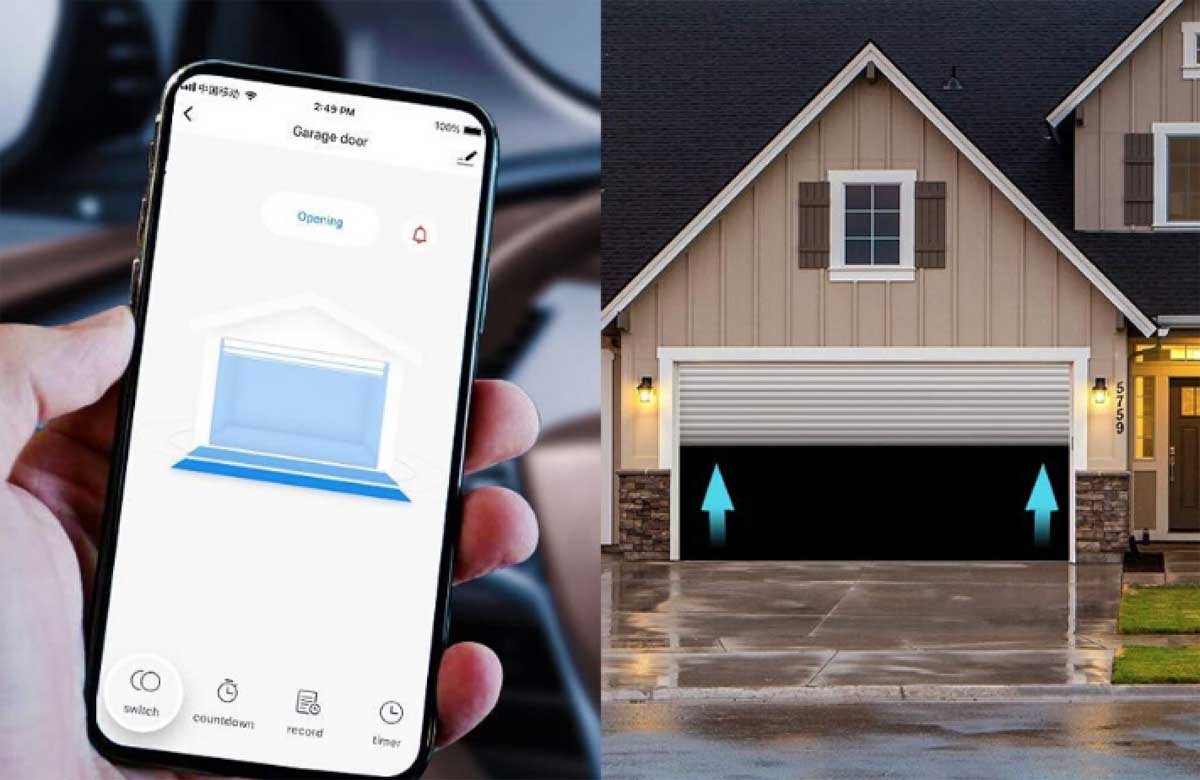
The Benefits of Upgrading to a Smart Garage Door Opener In today’s fast-paced, technology-driven world, home automation has become an essential part of modern living. From smart thermostats to voice-controlled lighting, homeowners are embracing smart technology to enhance security, convenience, and efficiency. One of the most impactful upgrades you can make to your home is investing in a smart garage door opener. Traditional garage door openers served their purpose well, but they lack the advanced features and integration that a WiFi garage door opener provides. Whether you want to monitor access, improve security, or control your garage remotely, a smart garage opener is a game-changer. In this guide, we will explore the benefits of upgrading to a smart garage door opener, the latest technology integrations, and how this upgrade can enhance your home’s functionality. Why Upgrade to a Smart Garage Door Opener? A smart garage door opener does more than just open and close your garage—it connects to your home’s WiFi network, allowing you to control, monitor, and automate access from anywhere using a smartphone app. Here are some compelling reasons to consider upgrading: 1. Remote Access and Control One of the biggest advantages of a WiFi garage door opener is the ability to control your garage remotely. Whether you’re at work, on vacation, or running errands, you can open or close your garage door with a simple tap on your smartphone. How It Works: Using a mobile app, homeowners can check if the garage door is open or closed in real-time. If you forget to close the door, receive an instant alert and close it remotely. Grant temporary or scheduled access to guests, service providers, or family members without needing a physical key. 2. Enhanced Security Features Security is a top concern for homeowners, and a smart garage opener adds an extra layer of protection to your home. Security Benefits: Real-time alerts: Get notified immediately if your garage door is opened unexpectedly. Automatic closing: Some models allow you to set a timer to automatically close the garage door after a set period. Live video monitoring: Many smart garage openers integrate with security cameras for real-time footage and cloud storage. Encrypted access codes: Prevents hacking or unauthorized entry attempts. 3. Seamless Integration with Smart Home Systems A smart garage opener can easily integrate with other smart home devices such as: Amazon Alexa, Google Assistant, and Apple HomeKit for voice commands. Smart locks and lighting to create automated home security routines. Home security systems for a comprehensive safety approach. For instance, you can set up automation where opening your garage door triggers lights to turn on, providing better visibility at night. 4. Increased Home Value and Appeal Smart home features are becoming a major selling point in the real estate market. A home with an upgraded WiFi garage door system not only attracts tech-savvy buyers but also adds to the overall convenience and security of the property. Real estate studies suggest that homes with integrated smart technology sell faster and can even increase property value by up to 5%. 5. Energy Efficiency and Noise Reduction Many smart garage openers come with ultra-quiet belt-driven motors, making them ideal for homes with attached garages. Additionally, energy-efficient LED lighting and battery backup systems ensure that the garage door operates smoothly during power outages. Choosing the Right Smart Garage Door Opener When selecting a smart garage opener, there are a few key factors to consider: 1. Compatibility with Existing Systems Ensure the opener is compatible with your garage door type and your preferred smart home platform. Some brands work exclusively with Alexa or Google Assistant, while others offer broader compatibility. 2. Connectivity and App Features A good WiFi garage door system should offer: Remote control & monitoring via a mobile app. Custom notifications for open/close activity. Integration with smart home hubs. Guest access management for family members or deliveries. 3. Security and Backup Features Look for: Rolling code technology to prevent hacking. Battery backup to ensure operation during power outages. Built-in cameras for additional surveillance. Real-Life Case Studies: How Smart Garage Openers Improve Daily Life Case Study #1: Preventing Package Theft John, a homeowner who frequently orders packages online, faced issues with porch piracy. After upgrading to a smart garage opener, he enabled Amazon Key integration, allowing delivery drivers to place packages safely inside his garage. Now, his deliveries remain secure even when he’s not home. Case Study #2: Emergency Access During a Power Outage Lisa, a single mother, was locked out of her home when a storm caused a power outage. Thanks to her WiFi garage door opener with a battery backup, she was able to remotely open the garage and regain access to her home without waiting for assistance. Case Study #3: Managing Rental Property Access Mike owns a vacation rental and used to rely on traditional keys for guest access. After installing a smart garage opener, he set up temporary guest access codes that automatically expire after each guest’s stay, eliminating the hassle of lost or duplicated keys. Installation and Setup: What to Expect Installing a smart garage opener can be a DIY project for those with experience, but professional installation is recommended for seamless integration. The installation process typically includes: Removing the old opener (if applicable). Mounting the new motor unit and sensors. Configuring the mobile app and connectivity. Testing safety and security features. Integrating with smart home devices. Professional installation ensures that the system is properly configured, especially when integrating with WiFi networks and voice assistants. Final Thoughts: Why a Smart Garage Opener is Worth It Upgrading to a smart garage door opener isn’t just about convenience—it’s about enhancing security, increasing home value, and improving daily functionality. With features like remote access, real-time alerts, and smart home integration, this upgrade offers homeowners a safer, smarter, and more efficient way to manage their garage. Ready to Upgrade Your Garage Door Opener? At Garage Doors The Woodlands, TX, we specialize in smart garage door installation, repair, and maintenance. Our team can

Read More
March 3, 2025 admin No Comments

How to Fix a Garage Door

How to Fix a Garage Door That Won’t Open or Close A garage door that refuses to open or close is more than just an inconvenience—it can be a security risk and a potential hazard. Whether your garage door is stuck, your garage opener needs repair, or you’re facing other mechanical issues, troubleshooting the problem early can save you time and money. Understanding the common reasons behind a malfunctioning garage door and knowing how to fix them can help homeowners restore their door’s functionality without immediately resorting to costly professional repairs. In this guide, we’ll explore various reasons why a garage door might not be working and the best ways to fix it.   Common Reasons Why Your Garage Door Won’t Open or Close Before diving into solutions, it’s important to identify what might be causing the issue. Here are some of the most common reasons a garage door might stop working: 1. Power Source Issues Garage doors rely on electrical power to operate. If your door isn’t opening or closing, check for the following: Disconnected or faulty power source: Ensure that the garage door opener is plugged in and that the outlet is working. Tripped circuit breaker: Reset any tripped breakers in your electrical panel. Dead batteries in remote or keypad: Replace batteries to rule out this simple fix. 2. Misaligned or Blocked Sensors Most modern garage doors come with photo-eye safety sensors that detect obstructions in the door’s path. If the sensors are misaligned or blocked, the door won’t close. Fix: Clean the sensor lenses with a soft cloth to remove dirt or debris. Realign: Adjust the sensors so they are facing each other at the same height. Check for damage: If sensors appear damaged, they may need to be replaced. 3. Broken Garage Door Springs Torsion springs and extension springs play a crucial role in lifting and lowering the door. If a spring is broken, your garage door will either not open or will slam shut unexpectedly. Signs of a broken spring: Loud banging noise, gaps in the spring, or a door that struggles to lift. Solution: DO NOT attempt to fix garage door springs yourself—they are under high tension and can be dangerous. Contact a professional for repairs. 4. Malfunctioning Garage Door Opener If your garage opener is malfunctioning, the door may not respond to remote commands. Possible causes include: Burned-out motor: If the opener motor makes a humming sound but doesn’t move, it may need replacement. Stripped gears: Over time, gears inside the motor can wear out. Loose wiring: Inspect connections to ensure everything is securely plugged in. 5. Track Misalignment Garage door tracks need to be properly aligned for smooth operation. If they become bent or out of place, the door can get stuck. Fix: Check for gaps between the rollers and rails. Realign: Use a level to ensure the tracks are straight. Loosen bolts slightly, tap into position, and re-tighten. Lubricate tracks: Apply a silicone-based lubricant to ensure smooth movement. 6. Damaged or Worn-Out Cables Cables work with the springs to support the door’s weight. If they fray or snap, the garage door may not open or close properly. Solution: If the cables are visibly damaged, call a technician to replace them as they are under high tension.   How to Fix a Garage Door That Won’t Open or Close Step 1: Check the Power Source Ensure the garage door opener is plugged in. Test the power outlet by plugging in another device. Reset the circuit breaker if it has tripped. Replace the remote control batteries if they are dead. Step 2: Inspect and Align the Safety Sensors Remove dust and dirt from the photo-eye sensors. Check that both sensors are aligned at the same level. Make sure nothing is blocking the sensor’s path. Step 3: Examine the Garage Door Springs If you hear a loud snap, check for broken torsion or extension springs. If a spring is broken, DO NOT attempt DIY repairs. Contact a garage door specialist. Step 4: Test the Garage Door Opener Try using the wall switch instead of the remote. Listen for any humming sounds—this may indicate a burned-out motor. Inspect the gears inside the motor for signs of wear. Step 5: Inspect the Tracks and Rollers Check for dirt, debris, or rust in the tracks. Tighten any loose bolts that hold the track in place. Lubricate the rollers and tracks with a silicone-based lubricant. Step 6: Look for Frayed or Broken Cables If the cables are dangling or snapped, avoid using the door. Call a professional to replace the cables safely.   Preventative Maintenance Tips To avoid future issues with your garage door, follow these maintenance tips: 1. Lubricate Moving Parts Apply garage door lubricant to hinges, rollers, and springs every 6 months. 2. Test the Auto-Reverse Feature Place a small object under the garage door and attempt to close it. If it doesn’t reverse, adjust the sensitivity settings or have a technician inspect it. 3. Check and Tighten Hardware Bolts and brackets can loosen over time—tighten them to prevent misalignment. 4. Inspect Weather Seals Replace worn-out weather stripping to prevent air leaks and keep pests out.   Real-Life Case Study: A Homeowner’s Quick Fix Mark, a homeowner in Texas, discovered his garage door was stuck halfway open one morning. Initially, he thought the opener was faulty, but upon closer inspection, he found that a piece of debris was blocking the track. After removing the obstruction and applying a small amount of lubricant, his garage door functioned perfectly again. This highlights the importance of inspecting your garage door before calling for repairs—sometimes, the fix is simple and quick.   Final Wording: Get Your Garage Door Back in Action A garage door that won’t open or close can disrupt your daily routine, but with the right troubleshooting steps, you can often resolve the issue yourself. Checking power sources, sensors, springs, tracks, and cables can help identify the root cause of the problem. For complex issues like broken

Read More
March 3, 2025 admin No Comments

Smart Garage Door Opener

The Benefits of Upgrading to a Smart Garage Door Opener In today’s fast-paced, technology-driven world, home automation has become an essential part of modern living. From smart thermostats to voice-controlled lighting, homeowners are embracing smart technology to enhance security, convenience, and efficiency. One of the most impactful upgrades you can make to your home is investing in a smart garage door opener. Traditional garage door openers served their purpose well, but they lack the advanced features and integration that a WiFi garage door opener provides. Whether you want to monitor access, improve security, or control your garage remotely, a smart garage opener is a game-changer. In this guide, we will explore the benefits of upgrading to a smart garage door opener, the latest technology integrations, and how this upgrade can enhance your home’s functionality.   Why Upgrade to a Smart Garage Door Opener? A smart garage door opener does more than just open and close your garage—it connects to your home’s WiFi network, allowing you to control, monitor, and automate access from anywhere using a smartphone app. Here are some compelling reasons to consider upgrading: 1. Remote Access and Control One of the biggest advantages of a WiFi garage door opener is the ability to control your garage remotely. Whether you’re at work, on vacation, or running errands, you can open or close your garage door with a simple tap on your smartphone. How It Works: Using a mobile app, homeowners can check if the garage door is open or closed in real-time. If you forget to close the door, receive an instant alert and close it remotely. Grant temporary or scheduled access to guests, service providers, or family members without needing a physical key. 2. Enhanced Security Features Security is a top concern for homeowners, and a smart garage opener adds an extra layer of protection to your home. Security Benefits: Real-time alerts: Get notified immediately if your garage door is opened unexpectedly. Automatic closing: Some models allow you to set a timer to automatically close the garage door after a set period. Live video monitoring: Many smart garage openers integrate with security cameras for real-time footage and cloud storage. Encrypted access codes: Prevents hacking or unauthorized entry attempts. 3. Seamless Integration with Smart Home Systems A smart garage opener can easily integrate with other smart home devices such as: Amazon Alexa, Google Assistant, and Apple HomeKit for voice commands. Smart locks and lighting to create automated home security routines. Home security systems for a comprehensive safety approach. For instance, you can set up automation where opening your garage door triggers lights to turn on, providing better visibility at night. 4. Increased Home Value and Appeal Smart home features are becoming a major selling point in the real estate market. A home with an upgraded WiFi garage door system not only attracts tech-savvy buyers but also adds to the overall convenience and security of the property. Real estate studies suggest that homes with integrated smart technology sell faster and can even increase property value by up to 5%. 5. Energy Efficiency and Noise Reduction Many smart garage openers come with ultra-quiet belt-driven motors, making them ideal for homes with attached garages. Additionally, energy-efficient LED lighting and battery backup systems ensure that the garage door operates smoothly during power outages.   Choosing the Right Smart Garage Door Opener When selecting a smart garage opener, there are a few key factors to consider: 1. Compatibility with Existing Systems Ensure the opener is compatible with your garage door type and your preferred smart home platform. Some brands work exclusively with Alexa or Google Assistant, while others offer broader compatibility. 2. Connectivity and App Features A good WiFi garage door system should offer: Remote control & monitoring via a mobile app. Custom notifications for open/close activity. Integration with smart home hubs. Guest access management for family members or deliveries. 3. Security and Backup Features Look for: Rolling code technology to prevent hacking. Battery backup to ensure operation during power outages. Built-in cameras for additional surveillance.   Real-Life Case Studies: How Smart Garage Openers Improve Daily Life Case Study #1: Preventing Package Theft John, a homeowner who frequently orders packages online, faced issues with porch piracy. After upgrading to a smart garage opener, he enabled Amazon Key integration, allowing delivery drivers to place packages safely inside his garage. Now, his deliveries remain secure even when he’s not home. Case Study #2: Emergency Access During a Power Outage Lisa, a single mother, was locked out of her home when a storm caused a power outage. Thanks to her WiFi garage door opener with a battery backup, she was able to remotely open the garage and regain access to her home without waiting for assistance. Case Study #3: Managing Rental Property Access Mike owns a vacation rental and used to rely on traditional keys for guest access. After installing a smart garage opener, he set up temporary guest access codes that automatically expire after each guest’s stay, eliminating the hassle of lost or duplicated keys.   Installation and Setup: What to Expect Installing a smart garage opener can be a DIY project for those with experience, but professional installation is recommended for seamless integration. The installation process typically includes: Removing the old opener (if applicable). Mounting the new motor unit and sensors. Configuring the mobile app and connectivity. Testing safety and security features. Integrating with smart home devices. Professional installation ensures that the system is properly configured, especially when integrating with WiFi networks and voice assistants.   Final Thoughts: Why a Smart Garage Opener is Worth It Upgrading to a smart garage door opener isn’t just about convenience—it’s about enhancing security, increasing home value, and improving daily functionality. With features like remote access, real-time alerts, and smart home integration, this upgrade offers homeowners a safer, smarter, and more efficient way to manage their garage. Ready to Upgrade Your Garage Door Opener? At Garage Doors The Woodlands, TX, we specialize in smart garage door installation, repair,

Read More
March 3, 2025 admin No Comments

How Weather Affects Your Garage Door

How Weather Affects Your Garage Door and Ways to Protect It Your garage door is one of the most used and often overlooked parts of your home. It plays a crucial role in security, insulation, and curb appeal. However, extreme weather conditions can significantly impact its performance, durability, and lifespan. Understanding how different weather elements affect your garage door and implementing protective measures can prevent costly repairs and ensure smooth operation throughout the year. From scorching summer heat to freezing winter conditions, weather changes can cause your garage door components to expand, contract, corrode, or even malfunction. This guide will explore the effects of various weather conditions on garage doors and provide actionable tips to weatherproof and maintain them effectively.   How Different Weather Conditions Affect Your Garage Door 1. Extreme Heat and Humidity High temperatures can cause metal components, including springs, tracks, and openers, to expand. This expansion can lead to misalignment, making it difficult for your garage door to operate smoothly. Additionally, excessive heat can thin lubricants, reducing their effectiveness and causing increased friction. For wooden garage doors, heat and humidity can lead to swelling, warping, or cracking, affecting both appearance and functionality. In humid conditions, moisture can cause mold or mildew growth, weakening the structural integrity of the door. How to Protect Your Garage Door: Apply a UV-resistant protective coating to prevent heat damage. Use a high-quality, heat-resistant lubricant for metal components. Install proper ventilation or insulation to regulate garage temperature. Consider using composite or steel doors that are less affected by heat and humidity.   2. Cold Weather and Freezing Conditions When temperatures drop, metal contracts, causing springs and cables to become brittle and more prone to snapping. Cold weather can also affect garage door openers by thickening lubricants, making it harder for the motor to function efficiently. Ice accumulation at the base of the door can cause it to stick, leading to difficulties in opening or closing the door. How to Protect Your Garage Door: Use a lubricant designed for low temperatures to prevent stiffness. Inspect and replace worn-out weatherstripping to prevent ice buildup. Keep the area around the garage door free from snow and ice. Consider installing an insulated garage door to regulate internal temperatures.   3. Rain and Moisture Damage Prolonged exposure to rain can cause rust and corrosion on metal parts, weakening the overall structure of the garage door. Wooden doors absorb water, leading to swelling and rot over time. Even small leaks can allow moisture to seep in, damaging garage door sensors and electrical components. How to Protect Your Garage Door: Regularly check and maintain weather seals to prevent water leakage. Apply a rust-resistant coating to metal components. Inspect wooden doors for signs of water damage and reseal them as needed. Ensure proper drainage around the garage to avoid standing water.   4. Strong Winds and Storms High winds, hurricanes, and storms pose a significant threat to garage doors, especially if they are not reinforced. A weak or unbalanced garage door can be pushed off track, causing damage to both the door and surrounding property. Flying debris during storms can also cause dents, cracks, or shattered windows on garage doors. How to Protect Your Garage Door: Install a wind-rated garage door designed to withstand high winds. Reinforce existing doors with bracing kits. Ensure all hardware, including hinges and tracks, is securely fastened. Consider impact-resistant windows or doors to minimize damage from debris.   Real-Life Case Studies: How Weather Damaged Garage Doors and How Homeowners Prevented It Case Study #1: Preventing Heat Damage Mark, a homeowner in Texas, noticed his garage door making loud creaking noises every summer. Upon inspection, he found that the metal tracks had expanded due to extreme heat, causing misalignment. Rather than waiting for a complete failure, he installed a garage insulation system and applied a heat-resistant lubricant. The result? His garage door continued to function smoothly, even in peak summer temperatures, and he avoided an expensive realignment service. Case Study #2: Ice-Free Garage in Winter Lisa, living in Minnesota, faced difficulties opening her garage door every winter because it would freeze shut. After consulting a garage door technician, she installed a high-quality weather seal and added a garage heater to maintain a moderate temperature. By taking these proactive steps, she prevented ice buildup and ensured year-round functionality of her garage door. Case Study #3: Storm-Proofing Against High Winds A coastal homeowner, Jim, had his garage door blown off its track during a tropical storm. To prevent future incidents, he upgraded to a wind-resistant garage door and reinforced the tracks with steel brackets. The following year, when another storm hit, his garage door remained intact, saving him thousands in potential repairs.   Essential Garage Door Maintenance Tips for Weather Protection 1. Regular Inspections and Maintenance Routine inspections can help identify potential issues before they escalate. Check for: Rust, cracks, or damage on door panels. Loose bolts, nuts, and hinges. Misaligned tracks or uneven door movement. Frayed cables or worn-out springs. 2. Keep Your Garage Door Clean Dirt, debris, and moisture can accumulate on the door’s surface and components. Cleaning the door regularly with mild soap and water prevents buildup and prolongs its life. For metal doors, applying a rust-resistant spray is highly recommended. 3. Apply Weatherproofing Sealants Sealing the edges of your garage door with weatherstripping or rubber seals helps keep out moisture, dirt, and cold air. Replace worn-out seals as needed to maintain effectiveness. 4. Use a High-Quality Lubricant Proper lubrication reduces friction, preventing wear and tear on moving parts. Use a weather-appropriate lubricant depending on the season to keep rollers, hinges, and springs in optimal condition. 5. Upgrade to a Weather-Resistant Garage Door If you live in an area prone to extreme weather conditions, investing in a durable, weatherproof garage door can save you time and money in the long run. Steel, fiberglass, and composite doors are excellent choices for increased resistance to weather elements.   Final Wording Weather can have a major impact on

Read More
March 2, 2025 admin No Comments

Different Types of Garage Door Springs

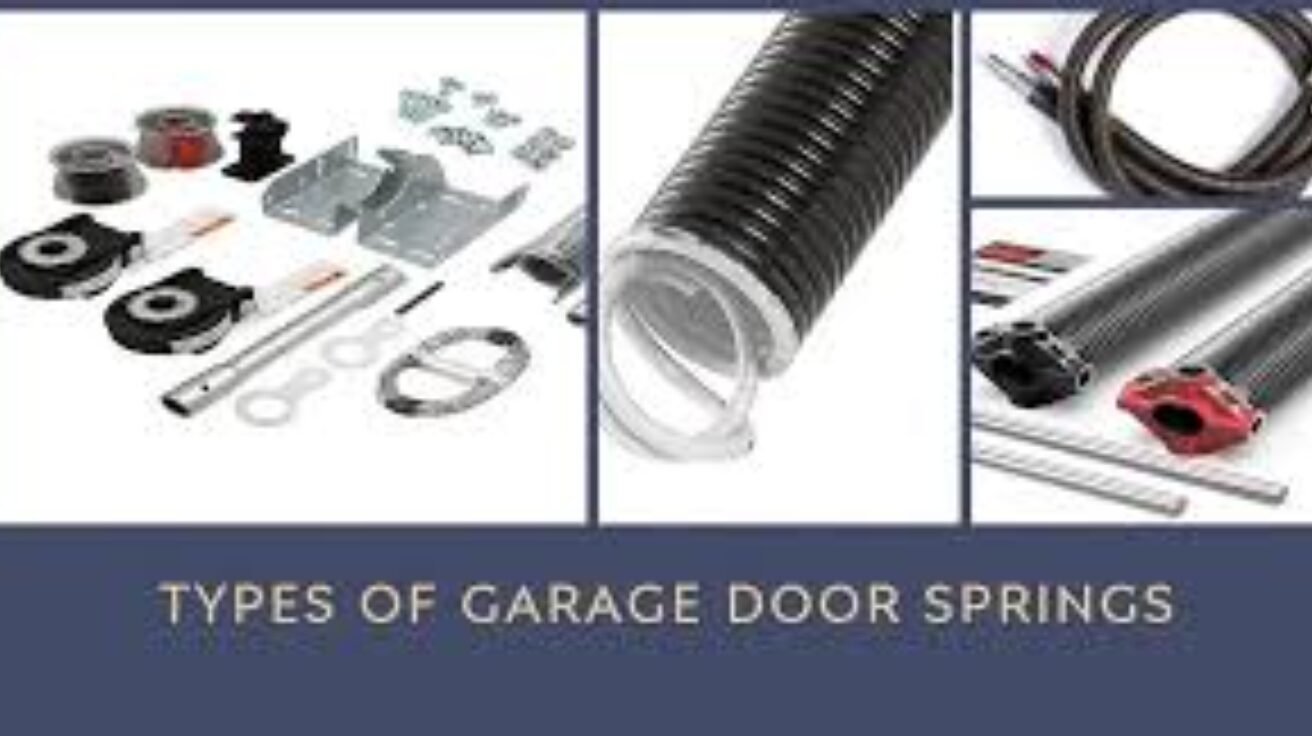
Understanding the Different Types of Garage Door Springs Garage doors are one of the most frequently used features in a home, often operating multiple times a day. However, few homeowners realize that the real workhorse behind their smooth function is the garage door springs. These springs play a crucial role in lifting and lowering the door safely and efficiently. If you’ve ever had a garage door suddenly refuse to open or slam shut unexpectedly, chances are your springs are failing or have broken. Understanding the different types of springs and their maintenance needs can save homeowners from unexpected breakdowns, costly repairs, and even potential safety hazards. In this comprehensive guide, we’ll explore torsion vs. extension springs, signs of wear and tear, maintenance tips, and real-life examples of homeowners who avoided expensive repairs through proper upkeep.   The Importance of Garage Door Springs Garage door springs are responsible for counterbalancing the heavy weight of the door, making it easy to open and close. Without properly functioning springs, your garage door opener would have to bear the entire weight of the door, leading to mechanical failure over time. A standard residential garage door weighs anywhere between 130 to 400 pounds. Imagine lifting that manually each day! This is why properly maintained springs are vital for the door’s operation and the safety of those using it.   Types of Garage Door Springs There are two main types of garage door springs: torsion springs and extension springs. Each has unique functions, lifespans, and maintenance requirements. 1. Torsion Springs Torsion springs are the most common type of garage door springs and are mounted horizontally above the garage door opening. They work by twisting and coiling on a metal shaft when the door is in motion. Benefits of Torsion Springs: Longer lifespan: Typically lasts 15,000 to 20,000 cycles (a cycle is one full open-and-close motion). Smooth operation: Reduces strain on the garage door opener. Better balance: Allows for even weight distribution, preventing jerky movements. Safer if broken: Unlike extension springs, torsion springs remain on the shaft if they snap, reducing injury risks. 2. Extension Springs Extension springs run parallel to the horizontal tracks on both sides of the garage door. These springs stretch and contract to help lift and lower the door. Benefits of Extension Springs: Lower initial cost: More affordable than torsion springs. Good for smaller garages: Requires less headroom compared to torsion springs. Effective lifting force: Provides strong lifting power, suitable for lighter garage doors. Downsides of Extension Springs: Shorter lifespan: Lasts 5,000 to 10,000 cycles, meaning more frequent replacements. Higher safety risks: Can break under tension and turn into dangerous projectiles. Less smooth operation: Can lead to an uneven garage door if one side wears out faster than the other. Torsion vs. Extension Springs: A Comparative Overview Feature Torsion Springs Extension Springs Installation Mounted above the door on a shaft Installed on sides, parallel to tracks Lifespan 15,000 – 20,000 cycles 5,000 – 10,000 cycles Safety Remain on shaft if broken Can become projectiles if broken Cost Higher initial investment More affordable upfront Maintenance Require less frequent adjustments Need regular checks for balance and wear How to Identify a Broken Garage Spring When a garage door spring breaks, it often happens unexpectedly. Here are some telltale signs that your springs may need repair or replacement: Loud Bang from the Garage: A snapping torsion spring can create a loud, gunshot-like noise. Garage Door Won’t Open: If the opener struggles to lift the door, a broken spring is likely the cause. The Door Opens Unevenly: One side might lift higher than the other if an extension spring is failing. Loose or Hanging Cables: A broken extension spring can cause cables to slacken or come off their drums. Heavy Door When Lifting Manually: If the door suddenly feels heavier, the counterbalancing effect of the springs is compromised. If you experience any of these issues, it’s crucial to stop using the door immediately and schedule professional service to prevent further damage or injury.   Real-Life Case Studies Case Study 1: Homeowner Avoids a Major Repair Bill with Routine Maintenance David, a homeowner in Houston, started noticing his garage door was making creaking noises. Instead of ignoring it, he decided to inspect the springs and noticed slight rusting. By applying a garage door lubricant and tightening loose bolts, he was able to prevent further wear. A professional technician later confirmed that this proactive maintenance extended the lifespan of his torsion springs by an additional five years, saving him hundreds in repair costs. Case Study 2: A Broken Extension Spring Leads to a Near Accident Lisa, a busy mother of three, was heading out to work when she heard a loud snap from her garage. As she tried to open the door, she realized one side was dragging while the other lifted. One of her extension springs had broken, causing the door to lift unevenly. Thankfully, she called a professional technician, who replaced the springs before any further damage occurred. Had she continued using the door, the unbalanced pressure could have caused the garage door to collapse, potentially damaging her car or injuring someone.   Garage Door Spring Maintenance Tips Regular maintenance can significantly extend the lifespan of your garage door springs and reduce safety risks. Follow these steps to keep your system running smoothly: 1. Lubricate Moving Parts Use white lithium grease or a garage door-specific lubricant every 6 months. Apply to springs, hinges, and rollers to reduce friction and prevent rust. 2. Perform a Balance Test Disconnect the opener and manually lift the garage door halfway. If it stays in place, your springs are in good shape. If it slams shut or feels too heavy, the springs may be worn out. 3. Inspect for Wear and Tear Check for gaps in the spring coils or fraying in extension springs. Look for signs of rust or corrosion. 4. Replace Springs in Pairs If one spring breaks, replace both to ensure balanced operation. 5. Call a Professional for

Read More