Garage Door Installation Services In The Woodlands, TX

Get Stress-Free Garage Door Service in The Woodlands, Texas

Make a call

(346) 574-0359

Email address

info@garagedoorswoodlandstx.com

March 6, 2026 admin No Comments

How Long Garage Door Cables Last? Key Factors To Cable Longevity Explained.

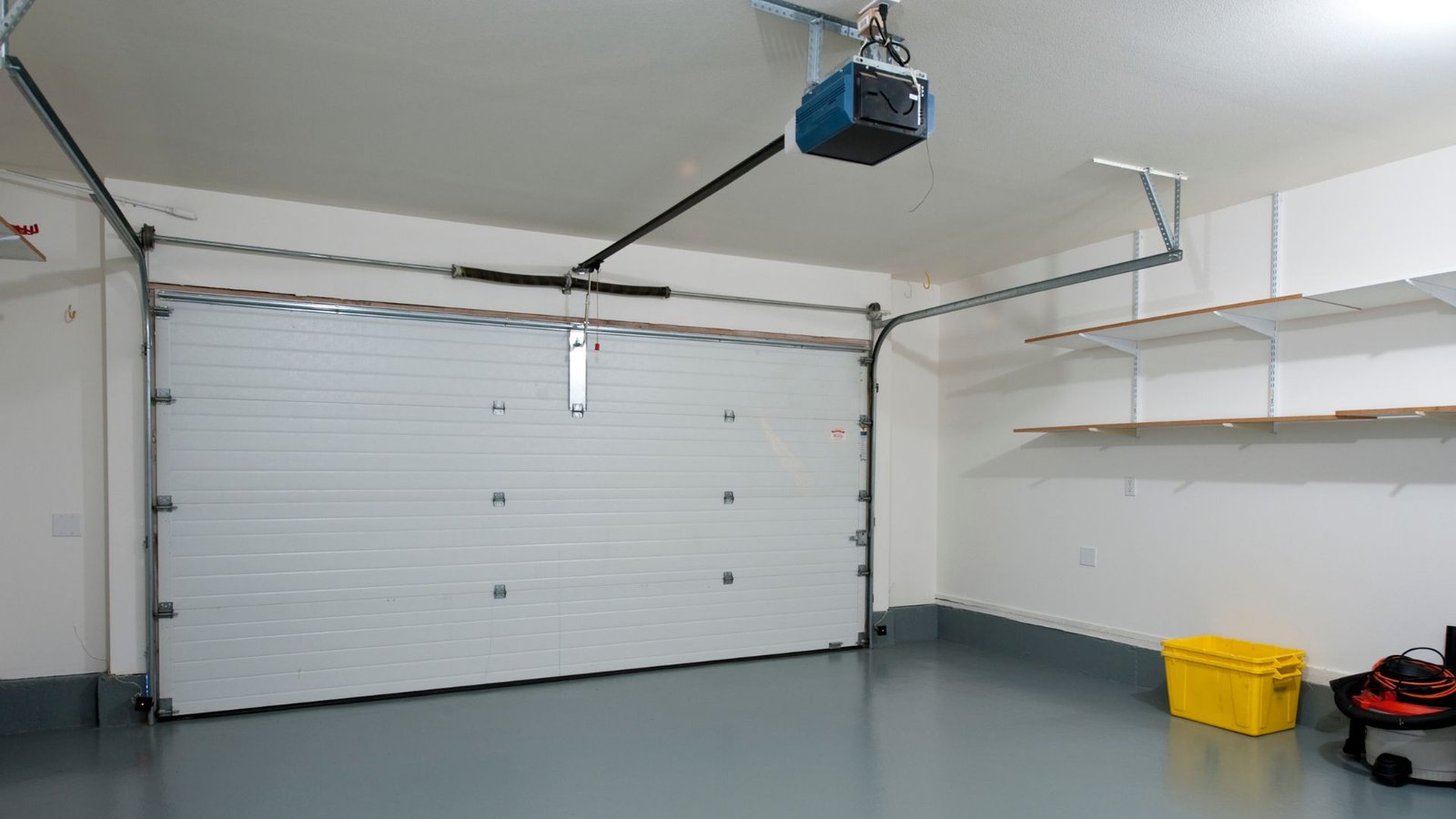
How Long Garage Door Cables Last? Key Factors To Cable Longevity Explained. Understanding how long your garage door cables last is crucial to maintaining a safe and functional garage door system. If you’re confused about what role garage door cables play or how to ensure your garage door operates safely, you’re not alone. Let’s dive into the key factors affecting the lifespan of your garage door cables and tips to keep them in top shape. Understanding Garage Door Cables Garage door cables are essential for the proper functioning of the door. They work alongside springs to lift and lower the door safely.  These cables are typically made of strong metal wires wrapped in a coil, providing the tension needed to support the weight of the door. When a cable breaks, it can cause significant damage to your garage door and may pose a safety risk. Role of Garage Door Cables The primary purpose of garage door cables is to act as a safety net. They support the weight of the door and help manage its movement. By ensuring the force of the door is evenly distributed, they allow the garage door opener to move the door smoothly without causing damage. Lifespan of Garage Door Cables So, how long do garage door cables typically last? On average, garage door cables will eventually wear out after about 7-10 years, depending on several factors. Here’s what you need to consider: Signs That Your Garage Door Cables Need Attention It’s important to be aware of the signs that your garage door cables may need repair or replacement. Here are some things to look out for: Signs That Your Garage Door Cables May Need Replacement Tips to Keep Your Garage Door Cables in Good Condition To keep your garage door cables last longer, consider these maintenance steps: Garage Door Cable Maintenance Tips These proactive steps in garage door cable maintenance can extend their life and ensure your garage door functions smoothly and safely. When to Replace Garage Door Cables If you find that a cable has snapped or there are severe signs that the cables may fail, it’s best to replace your garage door cables immediately. Delay in replacing worn or broken cables can cause the door to become unbalanced and pose an injury risk. Professional Garage Door Cable Replacement Attempting to replace garage door cables yourself can be dangerous. The cables are under significant tension, and improper handling could lead to injury. It’s advisable to consult a professional for cable replacement to ensure a safe and proper installation. Conclusion Maintaining the health of your garage door cables is vital to ensuring your garage door operates safely and efficiently. By understanding garage door cable maintenance and recognizing signs of wear, you can prevent potential damage to your garage door and enhance the safety of your home.For additional insights and garage door maintenance tips, visit our website. Stay informed and keep your door functioning safely!
Read More
March 4, 2026 admin No Comments

Say Goodbye To Sliding Gate Problems Today With These Solutions

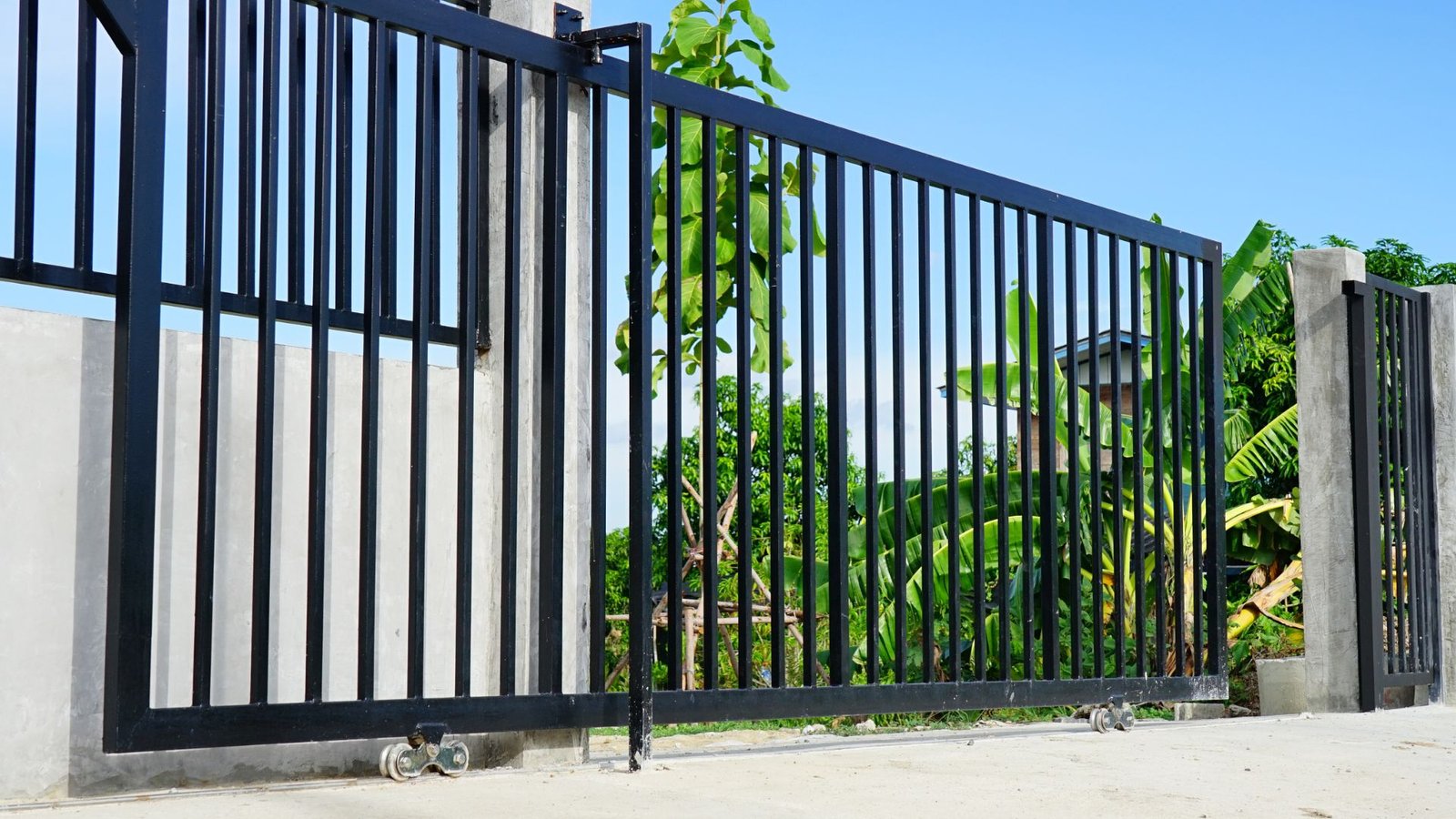
Say Goodbye To Sliding Gate Problems Today With These Solutions Struggling with sliding gate problems at your residential or commercial property in The Woodlands, Texas? You’re not alone. Sliding gates are a smart addition to any property, offering convenience and increased security. However, they can occasionally face issues that can hinder their performance. Here at 2Quick Garage Doors, we understand these challenges and are committed to helping you keep your sliding gate in top condition. Let’s dive into the common sliding gate problems and how you can troubleshoot them effectively. Understanding Common Sliding Gate Problems Sliding gates operate using a combination of components like motors, rollers, and sensors, all of which must function together for smooth operation. Common problems with sliding gates often stem from these elements. Motor Malfunctions and Gate Movement Issues Motor malfunctions can cause the gate to stop working altogether. If your gate suddenly stops working or doesn’t move, the problem may lie with the gate motor. Here’s what you can do: Sensor and Automation Challenges A malfunctioning sensor can prevent the gate from operating correctly. If the gate isn’t working as expected, here’s how to inspect for potential issues: Roller and Track Maintenance Wear and tear on the rollers can cause the gate to move unevenly or halt. To keep your gate running smoothly: Troubleshooting Common Gate Problems When facing slide gate challenges, many solutions are straightforward and can prevent costly repairs. Here’s how you can further troubleshoot common gate problems: Gate System and Components Inspection Maintaining the smooth movement of your gate involves: Reduce Friction and Enhance Performance To keep your gate in top condition, consider the following: Conclusion Sliding gate issues can arise from time to time, but with regular inspections and maintenance, you can keep your gate in top condition. For those in The Woodlands, Texas, who encounter more complex gate issues that require professional intervention, our gate repair services in Woodlands, TX, are available to help resolve your concerns. Maintaining an operational gate system is not only about immediate fixes but also about taking preemptive actions to keep your gate systems running smoothly for the long haul. Reach out today to learn more about how 2Quick Garage Doors can assist you in maintaining reliable and efficient sliding gate performance.

Read More
March 2, 2026 admin No Comments

Gate vs Door: What’s The Best Option For Your Home And Garage?

Gate vs Door: What’s The Best Option For Your Home And Garage? Choosing between a gate and a door for your property can be confusing. Both serve as essential elements in construction to control access, provide privacy, or secure a space. But what’s the difference between a door vs gate? At 2Quick Garage Doors, we’re here to guide you through making the best choice for your needs. Defining the Difference The Definition of a Gate A gate is typically an outdoor barrier that swings open and closed, serving as an entrance to properties like gardens or front yards. Gates are often made of strong materials like metal, wood, or iron and can be part of a fence that encloses a property. They provide privacy and controlled access while also offering some level of security. Common materials used for gates: The Definition of a Door A door is a solid barrier within walls that allows or blocks entrance to a room or building. Doors are typically used inside and outside buildings to control access to various spaces. They often attach to a wall using hinges and can be made from a range of materials, like wood or glass. Doors are essential elements in a building’s design, used for isolation, security purposes, and the privacy of internal spaces. Common materials for doors: Gate vs Door: What’s the Key Difference? The main difference between a door and a gate lies in their function and location. A door is typically a solid portal used for internal purposes to provide privacy within a building, while a gate is an external entrance or barrier, like a gate leading to a garden or driveway. Points of Access Purpose and Function Hinges and Openings Joining Us for Expert Guidance If you’re unsure about which is the right choice for your property, consider door vs gate consultations with 2Quick Garage Doors. We offer reliable and expert advice on installations tailored to your needs. For bespoke gate installation services in Woodlands, TX, you might want to explore our gate installation services in Woodlands, TX. Conclusion When deciding between a gate and a door, consider their purpose, material, and the level of security and privacy you need for your property. By understanding the differences and applications of each, you can choose the right access solution that suits your needs best.  Join our community of informed homeowners and stay updated with expert insights for maintaining your space.Take action now! Feel free to reach out to us at 2Quick Garage Doors for personalized advice or explore our resources for more information on improving your property’s entrances.

Read More
February 23, 2026 admin No Comments

Garage Door Not Responding to Remote? Quick Fixes That Actually Work

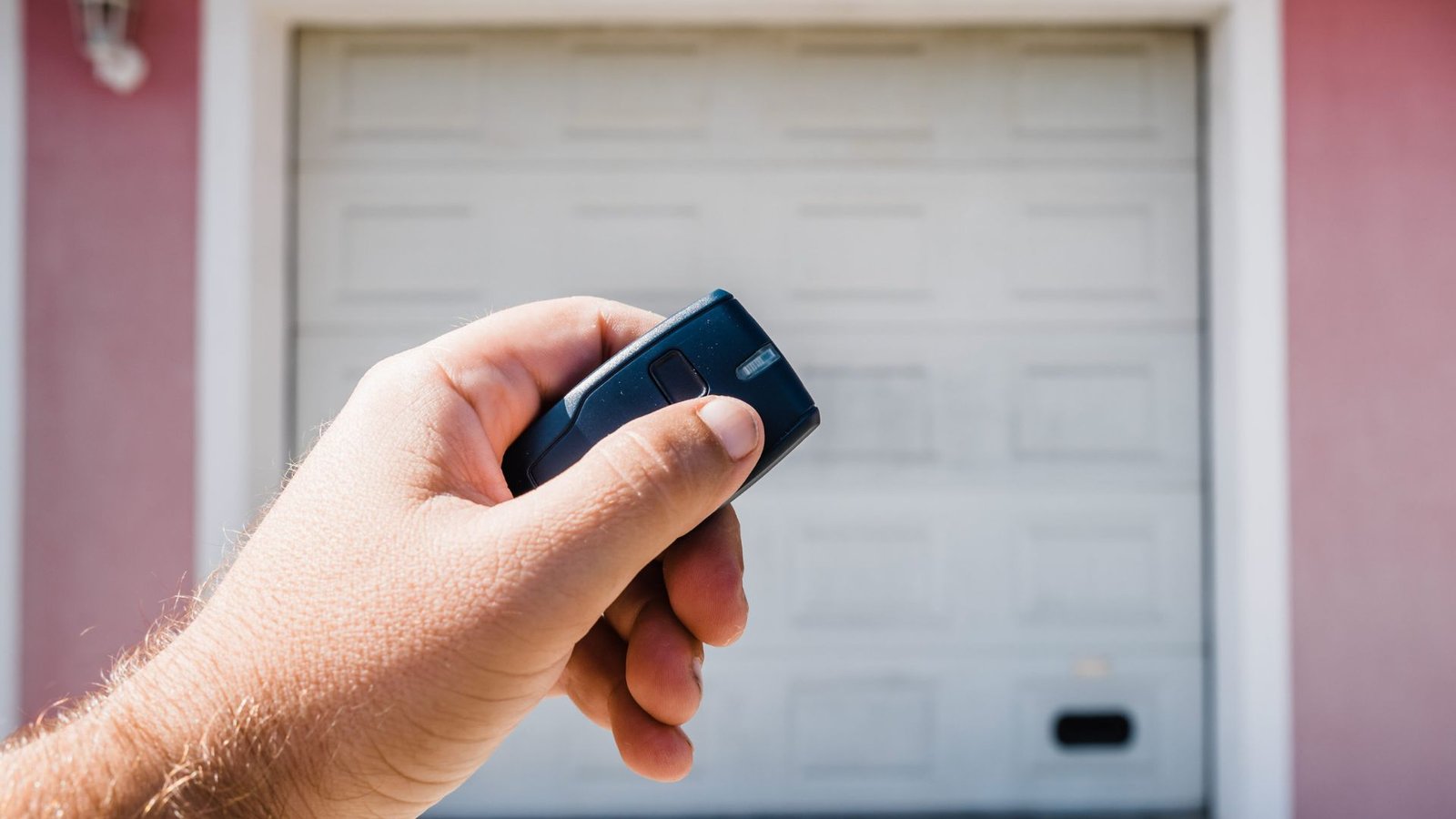
Garage Door Not Responding to Remote? Quick Fixes That Actually Work Is your garage door remote not working, no matter how many times you press the button? Few things are more frustrating than pulling into the driveway and pressing the remote control, only for nothing to happen.  Whether it’s before work or after a long day, you expect your garage doors to open or close smoothly every time. At 2Quick Garage Doors, we understand how annoying and puzzling this situation can be. The good news? In many cases, your garage door not responding to the remote can be fixed with a few simple troubleshooting steps. Let’s walk you through why garage door remotes stop working and how to get your opener system working again. Common Reasons Why Your Garage Door Isn’t Responding to the Remote There can be several reasons why your garage door remote isn’t working. Sometimes it’s a quick fix, other times, it may require professional help. Below are the most common culprits. Dead Batteries in the Remote It may sound obvious, but batteries are the most common reason your remote control stops working. After you replace the battery, press the remote control again. Often, that’s all it takes to get things working smoothly. Sensor or Signal Interference Your garage door opener uses radio waves to communicate with your remote. If there’s interference with garage signals, the door may not respond. Types of interference include: Try turning off nearby electronics and changing your opener’s frequency (if your model allows). Some LiftMaster and Chamberlain models let you change frequencies to reduce electromagnetic interference. You Need to Reprogram the Remote If the batteries are good and there’s no interference, your remote may simply need reprogramming. Here’s how to reprogramme most garage door openers: Double-check your opener manual (or search your model number on YouTube for step-by-step instructions). This is a common solution, especially if you recently had a power outage. Safety Sensors Might Be Misaligned Modern garage doors come equipped with safety sensors that prevent the door from closing if there’s something in the way. If these sensors aren’t aligned properly, it prevents the door from closing or may cause the remote to stop working. What to look for: Clean the lenses, align the sensors, and ensure the indicator light is steady—not blinking. Lock Button on the Wall Panel Was Accidentally Activated If your wall control is working but your remote doesn’t, the lock button might be on. Most garage door openers have a lock feature that disables remote signals as a security measure. It’s an easy fix, yet one that trips up homeowners all the time. Exploring the Opener System: Reset, Repair, or Replace? If basic steps didn’t fix the issue, it’s time to inspect your opener system more thoroughly. Check Your Garage Door Opener’s Status Light On many models, the garage door opener unit includes an indicator light. If this light is not on or blinking abnormally, it can point to deeper opener issues like: In some cases, you may need to reset your opener. To do this: Still no luck? Then it might be time to speak with a local garage door technician about garage door opener repair and installation options. This is especially important if your opener no longer responds to any remotes or the wall switch. Need help? Visit our garage door opener repair and installation service page for expert support. Wall Button Works But Remotes Don’t? If the door still opens via the wall switch or wired keypad but doesn’t respond to any remote controls, there’s a chance the radio receiver inside your garage door opener has failed. This small component listens for signals from the remote and tells the door to move. If damaged, you might notice: A faulty receiver will require either professional troubleshooting or replacing your opener or control panel. Try Universal Remotes or New Remotes If the remote itself may be broken, or you’ve confirmed that your current remote doesn’t work after all other fixes, consider these next steps: Don’t forget: with many remotes, you’ll still have to reprogram them using the learn button on your garage door opener. Advanced Troubleshooting Tips for Stubborn Cases If your garage door remote stops working but everything else seems in order, keep these tips in mind. Inspect the Antenna on Your Garage Door Opener Most garage door openers have a hanging antenna that receives the remote’s signal. Test for Remote Control Range Issues Sometimes, the remote doesn’t work until you’re right in front of the garage. That could point to signal range problems caused by electromagnetic interference or even aging electronics. Check the Light Bulb in the Opener Believe it or not, the type of light bulb in your opener can cause interference. Incandescent light bulbs are usually safe, while LED lamps can emit radio waves on the same frequency as your remote. Try switching bulbs and see if it improves remote performance. Preventive Steps to Keep Your Garage Door Working Smoothly Whether it’s heat, dust, or a sudden Texas storm, the weather in The Woodlands can be tough on your garage doors. Keeping everything working smoothly only takes a little routine care. Here are steps to help prevent common issues: When to Call a Garage Door Professional If you’ve tried all of the above and your garage door remote is still not working, it’s time to reach out. An experienced garage door technician can inspect the logic board, opener issues, remote and opener compatibility, and check for hidden problems that the average homeowner might miss. At 2Quick Garage Doors, we specialize in helping homeowners in The Woodlands keep their garage systems in top shape. That includes opener remote re-programming, smart garage system installation, and full replacements when necessary. Final Thoughts So, if your garage door is not responding to remote commands, don’t panic. Begin with simple troubleshooting: These are the most common causes of remote failure and can often fix the issue quickly. Still not working? Don’t wait for a total

Read More
February 20, 2026 admin No Comments

Can You Open a Garage Door With a Broken Spring? What to Do Next

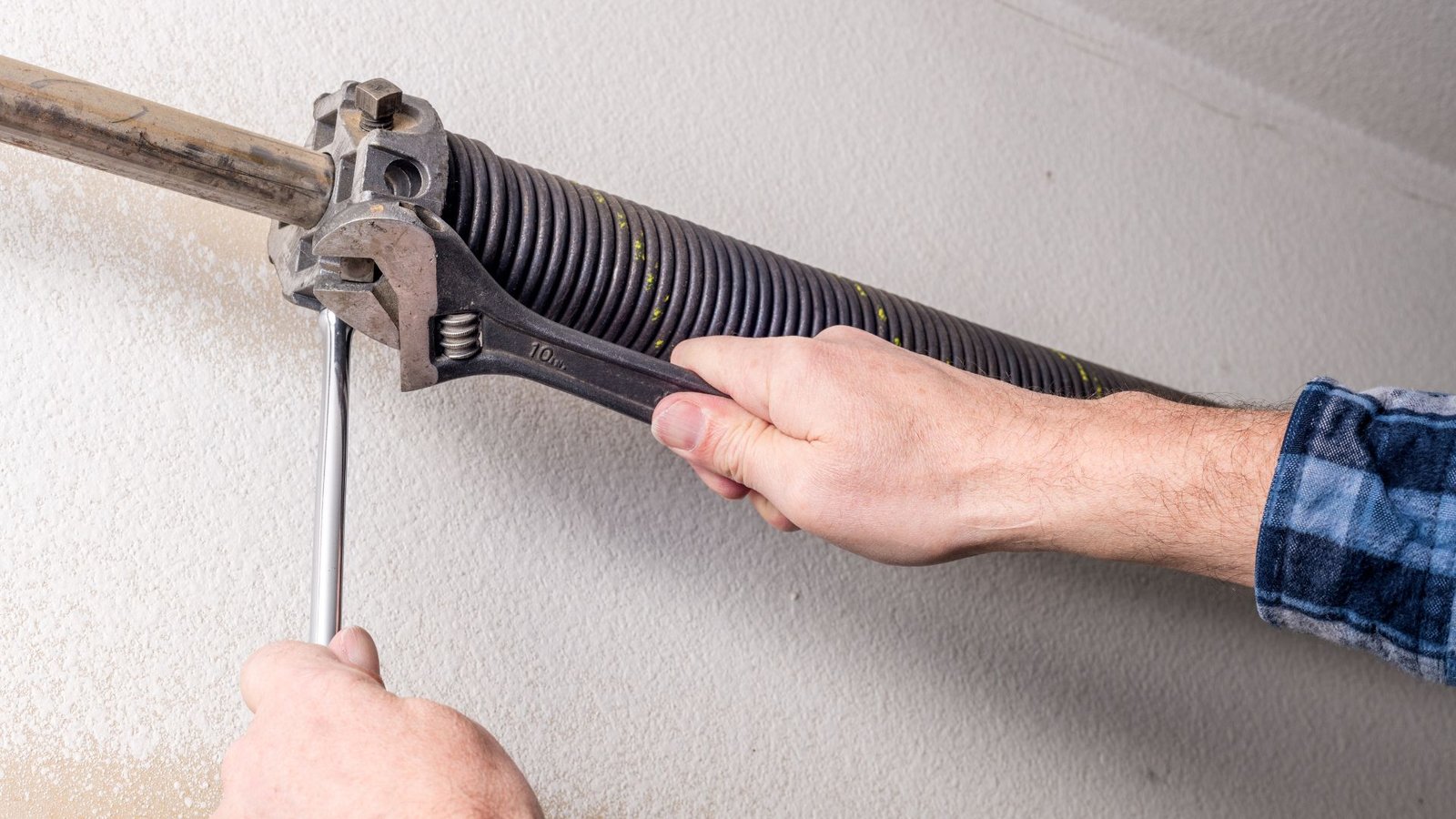
Can You Open a Garage Door With a Broken Spring? What to Do Next A garage door spring does a lot of heavy lifting behind the scenes, literally. It helps offset the door’s weight so your opener or your muscles don’t have to do all the work, but when that spring breaks? Everything changes. If you’re standing in front of a garage door with a broken spring in The Woodlands, Texas, wondering whether it’s safe to open the door, you’re not alone. Here’s the straight talk on what’s happening, what’s safe, and what you really should (or shouldn’t) do next. What Does a Garage Door Spring Actually Do? Your garage door spring plays a critical role. These springs store a lot of energy under tension to counterbalance the garage door’s weight. This makes it possible to easily open and close the door without needing to use too much force. There are mainly two types of springs used in garage doors: Both types of springs wear out over time. When one breaks, you may notice a loud bang from the tension being released. So, Can You Open a Garage Door With a Broken Spring? Yes, but you really shouldn’t, unless you absolutely must. When a garage door spring breaks, the door becomes extremely heavy. The spring is what helps offset the door’s weight, and without it, you could be trying to lift hundreds of pounds with minimal help from your garage door opener or manual effort. Trying to open a door with a broken spring can: If your spring is broken and you try forcing the door open, you risk property damage and personal safety. Manual Opening: What If You Must Open the Door? Manually opening the door with a broken spring should be a last resort. But if there’s an emergency, maybe your car is trapped inside, and you need to proceed with extreme caution. If you must manually open a garage door: Disconnect the opener Check for a second spring Some doors have two torsion springs. If only one breaks, the remaining spring might help you manually open the garage door, but it’s still risky. Have a second person assist Garage doors are heavy. Don’t try this alone. You need someone to help lift the door and keep the door from coming back down suddenly. Lift the door slowly Secure the door in place Once the door is fully open, use locking pliers or boards to hold it up before moving a vehicle. Otherwise, it might slam shut unexpectedly. Lower the door carefully When done, remove the supports and gently lower the door to avoid damage. Warning Signs the Door is Too Heavy to Lift: If the door feels extremely heavy or doesn’t budge, stop. You’re likely dealing with a fully failed counterbalance system. Attempting to lift it could lead to bodily injury or damage to the system. At this point, call a garage door professional. Should You Try the Opener? Tempted to press that garage door opener remote? Think twice. Using the opener when the spring is broken can: Even if the opener seems like it’s working, it wasn’t designed to operate the door without spring support. It should not be used until you’ve completed the spring replacement. What Happens When a Garage Door Spring Breaks? When your garage door spring breaks, you may hear a loud noise, similar to a firecracker or gunshot. That sound is caused by the sudden release of tension. Other signs of spring failure include: Whether you have torsion springs or extension springs, failure means your door won’t function properly. You need to replace the spring before safely using the system again. Is It Safe to Keep the Door Closed Until Help Arrives? Absolutely. If the door is closed and you’re not in urgent need to access your garage, keep it that way. The safest and smartest move is to book a professional garage door repair. Opening the door manually or using the opener can lead to more costly damage if done incorrectly. How Spring Replacement Works Spring replacement is a job best left to trained experts. A professional garage door technician will: Attempting a DIY fix isn’t recommended. These metal components store enough tension to cause major injury when mishandled. If you’re in The Woodlands, professional help ensures everything stays safe, secure, and efficient. You can learn more or get expert support through our trusted garage door spring repair and replacement services. What to Do If Your Garage Door Spring Breaks Garage doors are heavy, and a broken spring makes it even harder to open and close the door. If your door becomes unresponsive or the spring visibly looks broken, take the following steps: Delaying repair or forcing the system can result in damage to the system or even injury. In Summary: Know When to Call the Pros If you’re wondering whether you can open a garage door with a broken spring, the answer is: Only if you absolutely must, and only with proper precautions. Otherwise, you could risk: In most cases, the best solution is professional garage door repair. An expert can safely replace the spring, check the cables, balance the system, and fully restore the door’s function. Need help fast? Whether your garage door spring breaks unexpectedly or you’re dealing with a stubbornly heavy door, 2Quick Garage Doors is here to help The Woodlands homeowners with reliable, safe, and fast service. Don’t wait for a small issue to become dangerous. Contact us today to schedule your spring replacement or a full repair.

Read More
February 18, 2026 admin No Comments

Why Your Garage Door Starts to Close Then Goes Back Up – and How to Fix It

Why Your Garage Door Starts to Close Then Goes Back Up – and How to Fix It Is your garage door acting up? You’re not alone. One of the most common issues homeowners in The Woodlands, Texas experience is when the garage door starts to close, then goes back up unexpectedly. It can be frustrating and a bit confusing, especially if you’re unsure what’s causing it. Let’s walk through the most common reasons why your garage door keeps going back up and how you can troubleshoot or fix the problem effectively. Common Reasons Why Your Garage Door Keeps Going Back Up There are several factors that can prevent the door from closing properly. Some are simple fixes, while others may require a more in-depth repair or even professional help. Blocked or Misaligned Garage Door Sensor The garage door sensor is one of the most critical safety features. Located near the bottom of the door on either side, these sensors emit an invisible beam that detects obstacles in the path of the closing door. When something is obstructing that beam – even dirt or debris – the garage door will reverse as a safety measure. What to look for: If the sensors are aligned but the door won’t close, try cleaning the lenses and making sure there’s nothing nearby to trigger the safety mechanism. Obstruction in the Door Tracks Something as simple as a small object stuck in the garage door tracks can cause the door to close part of the way down and then reverse. Signs of trouble: Inspect the tracks for anything that might block the rollers. Remove any obstructions and check whether the tracks are properly aligned. Misaligned tracks can also lead to ongoing issues with your garage. Worn Rollers or Roller Misalignment The roller helps the garage door move smoothly along the rails. Over time, they can wear out or fall out of alignment. A damaged or misaligned roller may cause the door to close unevenly, triggering it to reverse. What to do: Malfunctioning Limit Switch Settings The limit switch determines how far the garage door opener should move the door before it stops. If these settings are off or set too low, your opener might think the bottom of the door has hit an obstacle – causing the door to reverse. You may need to reprogram your limit switch settings if: Adjusting the limit switch depends on your opener’s make and model. For LiftMaster and similar brands, this often involves turning adjustment screws on the motor housing. If you’re not sure how, check the manufacturer’s manual or seek professional help. How to Troubleshoot When Your Garage Door Starts to Close Then Goes Back Up Not all problems require major repairs. Here’s how to troubleshoot before calling in the pros: Step 1: Inspect the Tracks and Rollers Step 2: Test the Garage Door Sensor Step 3: Examine the Limit Switch Settings If the issue persists, the logic board or motherboard in your garage door opener may be malfunctioning. When the logic board fails, it can misinterpret signals – causing your door to reverse unexpectedly. When to Call Professional Help If you’ve tried these troubleshooting steps and your garage door still won’t close, it’s probably time to call in professionals like 2Quick Garage Door. You might be dealing with: Garage door springs typically last around 5 years. If the springs are worn or broken, the door may struggle to close smoothly and may even remain open for safety. We recommend reaching out for professional garage door repair services when: Remember, working with garage doors involves tension-loaded parts. It’s best to seek professional help to avoid injury or further damage. Prevent the Door From Closing Issues with Regular Maintenance Routine garage door maintenance can go a long way in avoiding problems like frequent reversing. Simple tips: Having a garage door company inspect your system annually can help resolve the issue before it escalates. Conclusion: Don’t Let Repairs Persist If your garage door goes partway down and then reverses, don’t ignore the signs. It could be something as small as an obstruction – or a more serious malfunction with the opener, sensor, or logic board. By understanding the common causes and knowing how to inspect and troubleshoot, you can address the issue efficiently. But when in doubt, contact a professional to help fix the problem for good. Having trouble with your garage door in The Woodlands, Texas? Don’t wait until it stops completely. Find a trusted door company that offers reliable service for garage door repairs – and get that door to close properly once and for all.

Read More
February 16, 2026 admin No Comments

Garage Door Won’t Open All the Way? Here’s How to Fix It Fast and Safely

Garage Door Won’t Open All the Way? Here’s How to Fix It Fast and Safely Is your garage door not opening fully as it used to? Whether you’re rushing off to work or trying to get your car inside during a storm, a garage door that won’t open all the way can be more than just an inconvenience. This kind of issue seems simple, but it often includes multiple potential causes that should be carefully checked. Understanding the common reasons your garage door won’t function properly can help you figure out what’s happening and whether it’s a quick fix or time to call a pro. Let’s walk through what might be going on and how to solve the problem safely. Why Your Garage Door Won’t Open All the Way When your garage door is not opening fully, it’s often part of a bigger issue within your garage door system. There are a few common culprits, ranging from minor sensor misalignments to worn-out components. Misaligned or Blocked Safety Sensors Your garage door comes equipped with safety sensors located on either side of the door, just a few inches off the ground. These sensors are meant to detect objects so the door doesn’t close on people, pets, or vehicles. But when these sensors are misaligned or dirty, they can cause open and closed errors. The door may stop mid-way or refuse to fully open. If your sensor still won’t function properly, it may need adjustment or replacement. Dead Transmitter Batteries or Malfunctioning Remote Sometimes, the issue lies not in the garage door but the remote itself. If your garage door opener is only opening the door partially or not at all, try to: Dead transmitter batteries are easy to fix, but if the opener still seems off after replacing them, it could point to a deeper malfunction. Travel Limits Need Adjustment The garage door opener has travel limits that tell it how far to open and close the door. If these limits are set incorrectly, your door may not go all the way up. To adjust the travel, locate the limit settings on your opener. This may involve: Always use a ladder and follow proper safety measures when making these adjustments. Broken Springs Your garage door springs do the heavy lifting. These springs support the weight of the door so the opener doesn’t have to strain. When a spring breaks, the door may open partially, move unevenly, or not open at all. Signs of broken springs: Never try to replace springs on your own. Fixing broken springs is dangerous and requires professional tools and expertise. Always call a garage door technician for this kind of repair. 5. Damaged Rollers or Track Misalignment Every garage door relies on rollers and metal tracks to guide it smoothly up and down. But if the track is bent, dirty, or misaligned, the rollers might get stuck, causing the door to stop short. What to do: A track could become dislodged from continual use or impact. If basic alignment doesn’t fix the problem, it’s best to contact a garage door specialist. Obstruction in the Door’s Path Even a small obstruction like a rock, debris, or misplaced item can confuse your opener system. If your garage door opens a few inches, then stops, look around the door base and track. Clear away all objects and check if: Once the path is clear, try opening the door again. 7. Manual Disengagement or Malfunction Sometimes, someone may have accidentally pulled the release cord, disconnecting the opener from the door. If that’s the case: Ensure the door can open and close manually before using your remote again. Check to see that the opener isn’t having any malfunctions after re-engaging. What If None of These Fixes Work? If you’ve tried these solutions and your garage door won’t open fully, the problem may require more specialized attention. Some malfunctions are electrical, mechanical, or a deeper issue in the garage door system. That’s when it’s time to contact a garage door professional in The Woodlands, Texas. An experienced tech can safely repair your garage, whether that means new springs, realigning your system, or installing a more reliable garage door opener. Preventing Future Problems with Professional Garage Door Service Getting a routine garage door service can go a long way in preventing these problems. A local pro will: Regular servicing helps avoid a broken garage door issue when you least expect it. When to Call a Professional in The Woodlands, TX If the simple fixes aren’t working or you’re unsure about making the adjustments yourself, don’t wait. It’s best to call a professional when: For reliable, expert help in The Woodlands, check out our professional garage door repair services. At 2Quick Garage Doors, we provide fast, honest, and skilled service to restore the full function of your garage doors and garage door openers. Conclusion: Don’t Wait for Bigger Problems A garage door that won’t open all the way can go from a mild annoyance to a serious hassle fast, especially if it leaves your car stuck or your home unsecured. Start by double-checking the obvious culprits: misaligned sensors, cluttered tracks, or dead transmitter batteries. But if the issue involves mechanical parts like rollers, a bend in the track, or broken springs, it’s better (and safer) to leave it to a garage door specialist. Don’t let small issues spiral into damage to your garage door. If you’re in The Woodlands and your garage door is not opening or closing like it should, don’t hesitate to contact a garage door technician today. They’ll help you fix the problem and make sure your garage door opens quickly, fully, and safely.

Read More
February 13, 2026 admin No Comments

How to Fix Gap Under Garage Door and Keep Out Pests, Water, and Drafts

How to Fix Gap Under Garage Door and Keep Out Pests, Water, and Drafts If you’ve spotted daylight peeking through the bottom of your garage door, or you’re dealing with water, insects, or even rodents slipping inside, you’re not alone. A visible gap under your garage door can lead to unwanted problems like moisture damage, heating loss, or even a flood during heavy rain. Let’s look at why it happens and how to fix the gap under your garage door quickly and efficiently. Why Is There a Gap at the Bottom of the Garage Door? The most common reason for a gap at the bottom of the garage door is an uneven garage floor or a worn-out seal. But there are other culprits too: Many homeowners in The Woodlands, Texas, may notice gaps under their garage doors due to uneven concrete, frequent weather changes, or natural settling of the structure. How to Fix the Gap in Your Garage Door Step 1: Inspect the Bottom of the Garage Door and Measure the Gap Before jumping to conclusions, inspect the entire bottom of the door and check how wide the gap is. Take note of whether it’s wider in one area or consistent all the way across. A level can help you see if the door is straight or if the slope of your garage floor is causing the issue. Step 2: Replace or Add a Seal on the Bottom A damaged weather seal is a simple but often overlooked reason there’s a gap. Replace it with a new weatherstrip or rubber seal. Some seals are thicker and better suited for uneven garage floors. You’ll want to keep your garage sealed tightly, especially during heavy rain or cold months when moisture and insects become a concern. Step 3: Install a Garage Door Threshold If your gap is due to concrete settling or if your driveway has too much slope, consider installing a threshold directly onto the garage floor. This is a rubber or vinyl strip that bonds to the concrete and forms a barrier. Make sure your threshold is tightly bonded and thick enough to eliminate the gap. Step 4: Adjust or Reinstall the Overhead Door If your door closes unevenly or the gap consistently reopens after sealing efforts, the cause may be roller wear, misalignment, or a bent track. A professional can perform an adjustment, inspect each bolt, and ensure the opener is functioning correctly. Sometimes it’s as simple as having the bottom seal installed slightly off. A badly installed rubber flap won’t create a proper seal. To avoid ongoing DIY trouble, it’s best to call a professional for precision alignment and long-term solutions. Creative DIY Tricks to Temporarily Fix a Gap If a full repair is not in the cards just yet, some homeowners get creative: These DIY options aren’t long-term solutions but can help fix a gap temporarily while you explore more durable repairs. When to Call a Garage Door Company If you’ve tried to fix this problem on your own but still have a gap between the bottom of your garage door and the floor, don’t wait for it to grow worse. Misalignment or track damage can get worse over time and even impact your opener or cause the door to not close properly. A trained technician can: In The Woodlands, many homes experience door gap concerns due to humidity and shifting soil. A garage door company familiar with the area understands these conditions and knows how to fix the gap effectively. Keep Your Garage Sealed and Protected Fixing a garage door gap does more than improve appearance; it helps eliminate moisture exposure, keeps out insects and rodents, and prevents a potential flood.  Whether it’s replacing a worn strip, addressing a concrete slope, or installing a seal on the bottom, these fixes keep your garage functioning the way it should. If you’re unsure where to start, or if a DIY fix hasn’t done the trick, it’s smart to reach out for professional garage door repair services to get expert assistance. It’s the best way to ensure your overhead door, equipment, and seal are working together to keep your home protected.

Read More
February 11, 2026 admin No Comments

Why Your Garage Door Shakes When Closing and How to Fix It Fast

Why Your Garage Door Shakes When Closing and How to Fix It Fast When your garage door shakes when closing, it’s not just annoying; it’s a sign that something in your garage door system isn’t working correctly.  Maybe it’s a small issue now, but if left unchecked, it could lead to a costly garage door repair. Let’s walk through the common causes of a shaking garage door, what you can do about it, and when it’s best to call a professional in The Woodlands, Texas. Understanding Why Your Garage Door Shakes If your garage door shakes or jerks when opening or closing, it’s usually a signal that a part of the system is out of place, worn down, or not lubricated properly. Knowing what to look for can save you time, money, and frustration. Common Causes of a Garage Door That Shakes Several components work together to ensure the smooth operation of your garage door. If any one of them starts to wear out or becomes misaligned, it can cause the door to shake, jerk, or stop functioning properly. Some of the most common reasons include: Signs Your Garage Door Needs Attention Don’t ignore these red flags: These symptoms point to problems that require troubleshooting or possibly a garage door repair. Troubleshooting Tips for a Shaking Garage Door Before you panic or assume a total system failure, try these steps to identify the issue. Check the Rollers Rollers are often the first components to wear out. If your garage door shakes when closing, inspect it for visible wear or cracking. Tighten Loose Screws or Bolts Loose bolts can cause the door panels or rails to shift. Inspect the Tracks for Misalignment Misalignment in your garage door tracks can cause friction and jams. Lubricate Moving Parts Good lubrication is key to smooth operation. Examine the Torsion or Extension Spring and Pulley If the torsion spring or pulley system isn’t functioning correctly, it can affect the weight balance and cause movement issues. When the Garage Door Jerks When Opening and Closing A garage door that jerks when opening and closing isn’t just irritating; it might mean uneven energy distribution within the garage door system. It could be the opener struggling to lift the weight of the door or even an issue with the bearing near the pulley or torsion spring. If you hear grinding or feel a jolt as the door opens, stop using the door until it’s checked. Forcing it might worsen the damage. Unsafe Conditions to Watch Out For If any of the following occur, stop operating the door and consider emergency garage door service: How to Prevent Future Garage Door Shakes Keep your garage door healthy with these proactive steps: A properly maintained garage door not only functions better but also lasts longer. When It’s Time to Call a Professional Sometimes, no amount of DIY fixes will fully resolve the issue. If your door shakes violently, makes loud noises, or simply stops working, it’s best to call a pro for help. At 2Quick Garage Doors, we specialize in professional garage door repair services right here in The Woodlands, Texas. Our technicians are experienced with all types of garage door systems, from automatic garage openers to spring repair and realignments. If you’re facing repeated issues with a garage door that jerks or shakes, we can diagnose the root cause, replace damaged parts, and ensure everything is working properly and safely. To learn more about our professional garage door repair services, or to book a visit, we’re happy to help. Final Thoughts: Don’t Wait on a Shaking Garage Door A garage door that shakes, jerks, or makes strange noises while it opens and closes isn’t just a minor inconvenience; it’s a warning. Whether it’s damaged rollers, a misaligned track, or worn bearings, small issues can snowball into major repairs. If your garage door shakes when closing, don’t let it go unchecked. Try lubricating key parts, tightening loose bolts, or examining the pulley and tension system. And if things still don’t feel right, it’s time to call a professional. Get your garage door back to safe, smooth operation with a little attention, or expert help when needed. Reach out now.

Read More
February 9, 2026 admin No Comments

Garage Door Cables Keep Coming Off? Here’s How to Fix It for Good

Garage Door Cables Keep Coming Off? Here’s How to Fix It for Good If you’re dealing with a garage door where the cables keep slipping off, it’s not only frustrating, it can be dangerous. Whether you’re in the middle of closing the door or just trying to leave for work, the last thing you want to wrestle with is a garage door stuck halfway open. Let’s walk through the common causes, what to look for, and how to prevent this issue from coming back. By the end, you’ll understand why garage door cable issues happen and what steps you can take – whether it’s a quick DIY adjustment or calling in a pro in The Woodlands, Texas. Why Do Garage Door Cables Keep Coming Off? Garage door cables are responsible for lifting the door, helping with the weight of the door, and maintaining balance alongside spring systems. When something’s off in the garage door system, cables may slip or unwind from the drum or pulley. Here are the most common problems. Common Causes of Garage Door Cable Issues Several factors can cause cables to slip off the drums or pulley wheels: What Happens When Cables Slip or Snap? When garage door cables come off or break, it can throw your entire garage door system off balance. Here’s what to watch for: These signs often point to deeper issues with spring tension or worn cable parts. Should You Try a DIY Fix? Some homeowners in The Woodlands consider a DIY garage door fix to save time or money. While some light maintenance is fine, such as clearing obstructions or attempting to tighten any loose screws, working around garage door springs and cables can be risky. Due to the high tension stored in torsion or extension springs, a snapping spring or cable could lead to serious injury. If your cables came loose once, it’s likely they will again unless the root cause is addressed. Here’s when to consider DIY and when to step aside: DIY-Friendly Tasks Leave It to a Pro If… For these cases, a trusted technician can safely assess the spring tension, drum wear, and pulley alignment. How to Prevent Garage Door Cable Slips in the Future Getting your garage door cables professionally back in place is only the first step. Preventing them from coming loose again means maintaining the whole door system. Tips to Ensure Smooth Operation If you’re unsure whether your cables are the wrong size or installed improperly, ask for a full inspection during your next service visit. When One Side Fails: Why You Can’t Ignore It Often, garage door cables come off one side of the drum before the other. This isn’t something to ignore. When cable tension is uneven, it puts stress on your garage door springs, drums, and even the opener. Ignoring a clunky garage door that raises unevenly can cause the cables to snap or the rollers to wear out faster. Have this checked sooner rather than later by someone trained in root cause analysis, not just someone who tightens hardware. Professional Garage Door Repair You Can Trust If you’re in The Woodlands, Texas, and dealing with cable issues, you’re not alone. This is one of the most frequent problems we see with residential garage doors. Our team at 2Quick Garage Doors offers reliable, fast service that can help address the issue and prevent future cable slips. Whether it’s time to replace a torsion spring, fix a worn cable, or inspect the track alignment, we’re here to help ensure your garage door stays safe and working smoothly. You don’t have to guess what went wrong or figure out pulley mechanics on your own. Let experienced technicians do the heavy lifting. Check out our professional garage door repair service for support that’s local, responsive, and built to last. Final Thoughts: Don’t Let Loose Cables Turn Into a Bigger Problem When garage door cables keep coming off, it’s more than a small annoyance. It’s a sign that your garage door system isn’t working properly and could eventually fail. By understanding the cause, whether it’s a broken spring, cable fray, or pulley misalignment, you can take the right steps toward a lasting fix. If you’re not comfortable handling springs, tension adjustments, or drum repairs yourself, it’s safer and often cheaper overall to leave it to a trained technician. Still unsure if it’s time to call in a pro or try a DIY adjustment? Give your garage door a test run. If it opens and closes smoothly and evenly, you’re on the right track. If not, it’s time for a closer inspection. Let’s make sure your cables stay on, once and for all.

Read More