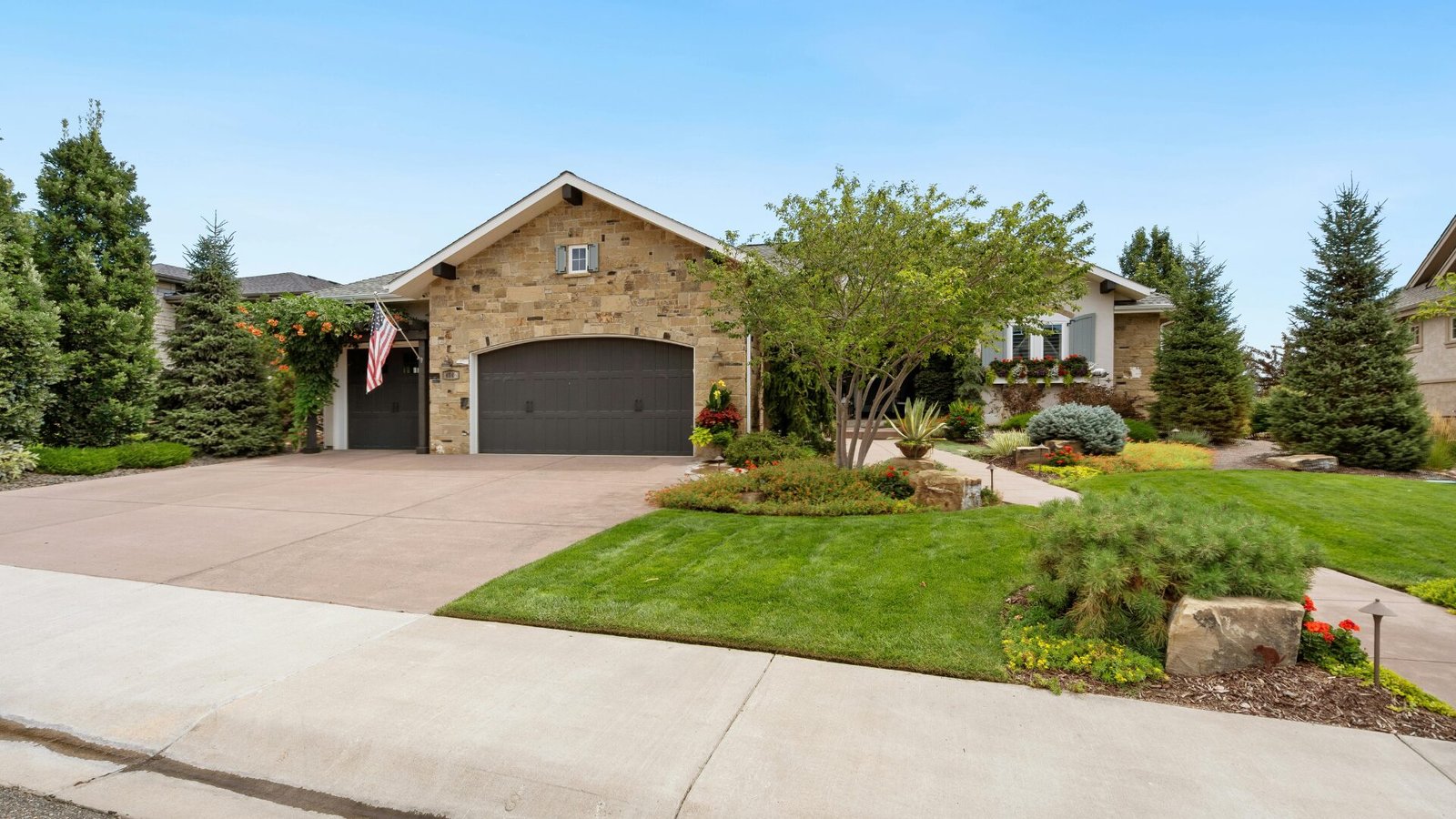
Garage Door Installation Services In The Woodlands, TX

Get Stress-Free Garage Door Service in The Woodlands, Texas

Make a call

(346) 574-0359

Email address

info@garagedoorswoodlandstx.com

May 11, 2026 admin No Comments

Can You Buy a Universal Garage Door Opener? What Homeowners Should Know

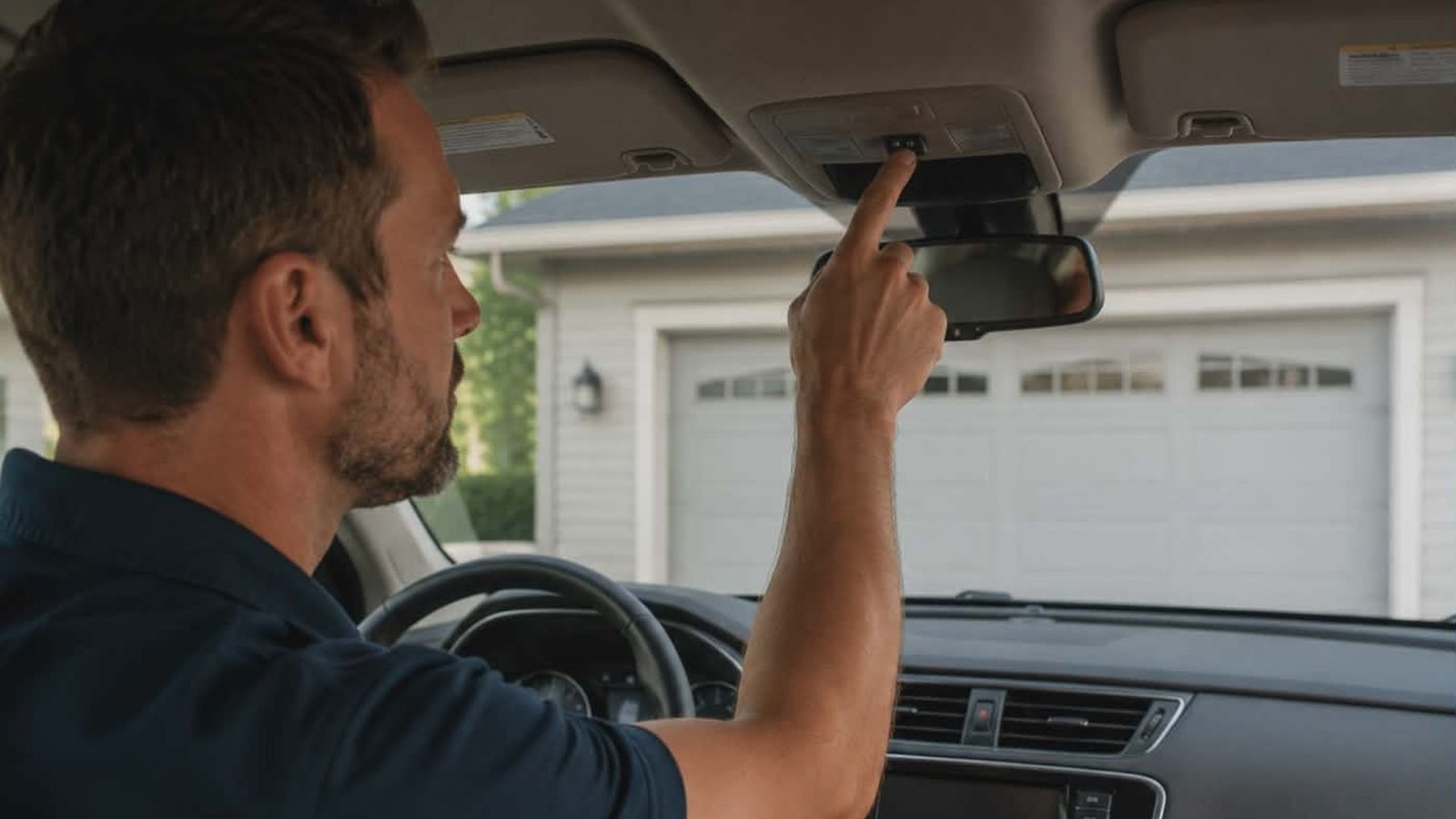
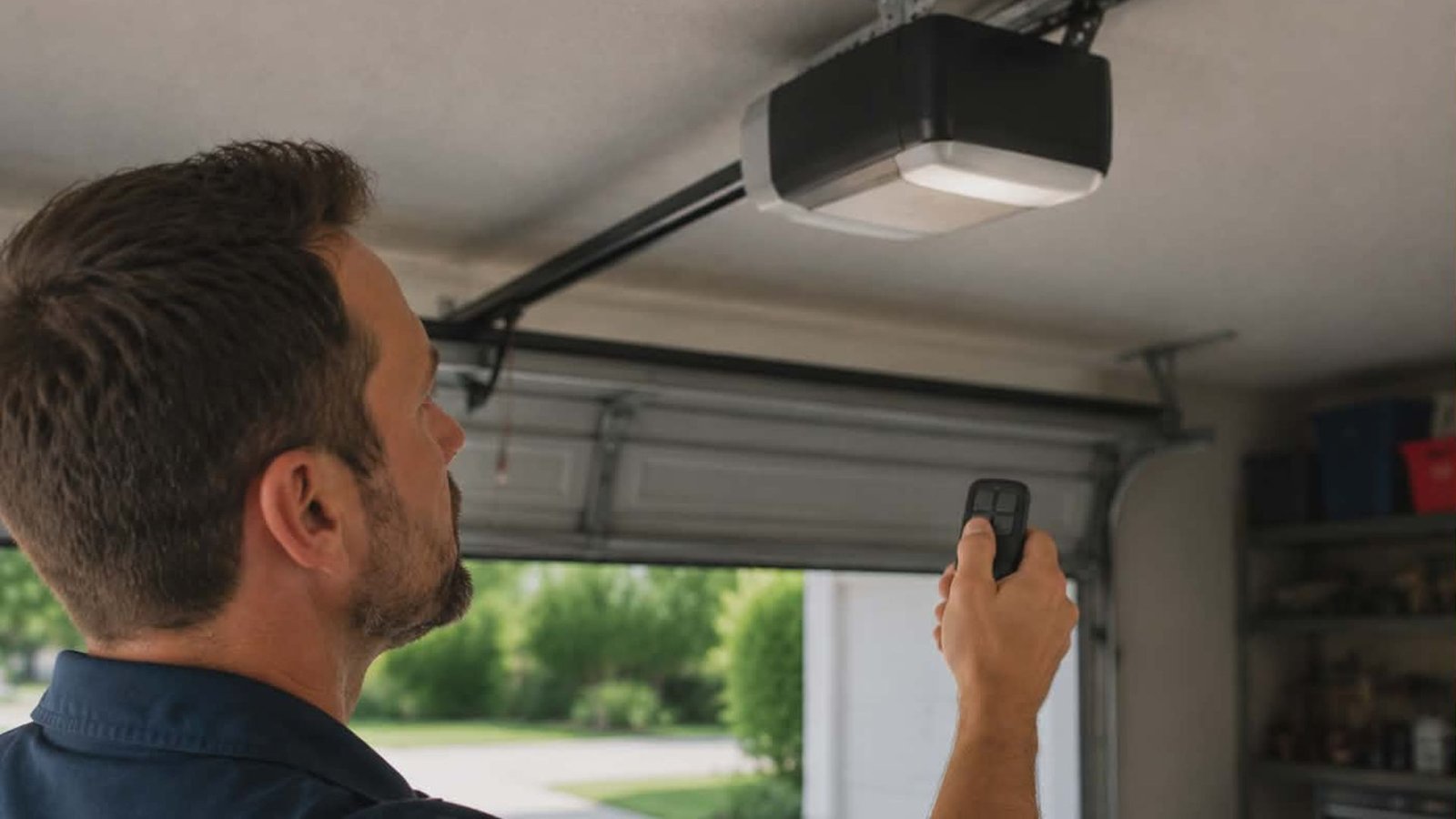
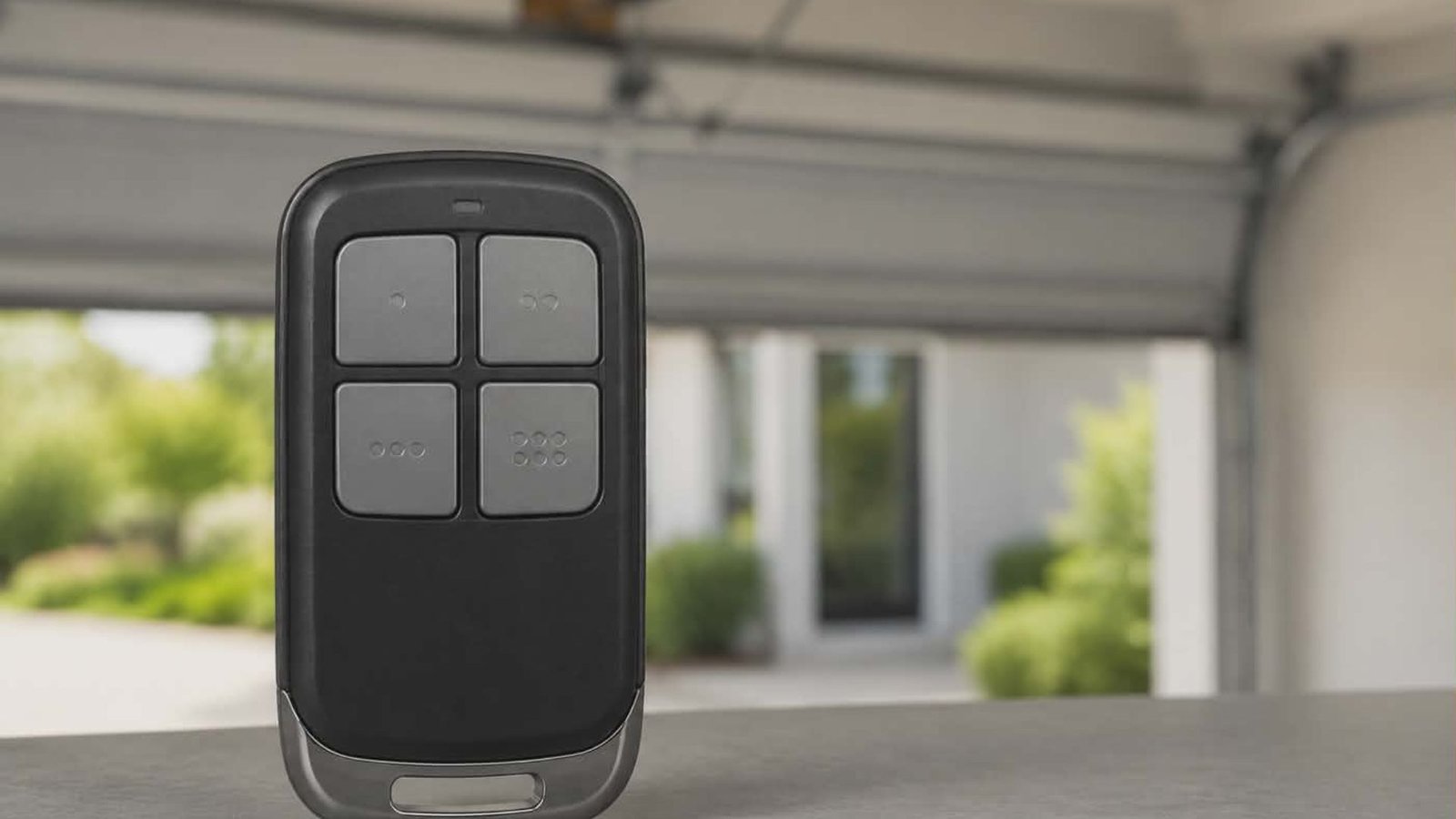
Can You Buy a Universal Garage Door Opener? What Homeowners Should Know If you’ve ever lost a remote, moved into a new home with a mystery opener, or just wanted one remote control to rule them all, you’ve probably wondered: Can you actually buy a universal garage door opener? The short answer is yes. But like most things in the world of garage doors, the details matter. Here’s what you need to know before you buy. What Is a Universal Garage Door Opener Remote? A universal garage door opener remote is a replacement or add-on remote designed to work with a wide range of garage door openers from different manufacturers. Instead of being locked into one brand’s ecosystem, a universal remote control is built to communicate with multiple systems through shared radio frequencies and programming methods. Think of it like a universal TV remote. It won’t work with absolutely every device on the planet, but it covers a wide range of brands and models under one remote. How Well Do Universal Remotes Actually Work? This depends heavily on the age and brand of your opener. Modern universal garage door remotes are designed to be compatible with major brands, including LiftMaster, Chamberlain, Craftsman, Genie, and Overhead Door. Products like the garage door opener remote 893LM and related models – including 893MAX, 891LM, 971LM, and 973LM – are popular examples that work across a broad range of systems. Some of these remotes use color-learn buttons or a 10-dip switch system for programming, depending on the age of your opener. Newer openers that are learn button ready typically pair with universal remotes quickly and with minimal effort. The key phrase here is compatibility. A remote compatible with LiftMaster Chamberlain Craftsman systems, for example, covers a huge share of residential garage door openers in use today. If your system falls outside that range, you may need a brand-specific solution. Popular Universal Remote Options Worth Knowing When you search on Amazon.com or visit a home improvement store, you’ll find a wide selection. Here are some worth noting: If you’re shopping, look for labels like works with Chamberlain, compatible with LiftMaster Chamberlain Craftsman, or controls the most popular brands to gauge how broad the compatibility is. What About a Universal Garage Door Opener Keypad? Beyond handheld remotes, a universal garage door opener keypad lets you open and close your garage door with a PIN code rather than a physical remote. These are great for garage access when you don’t want to carry a remote, or when you need to give a family member or trusted visitor access to your garage without handing over a key or remote garage button. Keypads are particularly useful for households that want flexible access to their garage without dealing with extra fobs or remotes. Can One Remote Control Multiple Garage Doors? Yes, and this is one of the biggest advantages of going universal. A multi-button or universal remote lets you manage multiple garage doors or even a gate remote from one device. If your home has 2 garage bays or separate garage doors with 2 different garage door openers, a single remote with the right programming can handle both. This is also where remote solutions shine for homeowners who simply want to simplify their setup. When a Universal Remote Won’t Cut It Some older garage door systems – specifically older openers that use fixed-code radio frequencies rather than rolling codes – may not pair cleanly with modern universal garage door remotes. If your opener predates the mid-1990s, a universal remote might not work at all. In those cases, it may be time to upgrade your garage door opener entirely. The team at 2Quick Garage Doors Woodlands offers professional garage door opener repair and installation services to help you find the right fit. Whether you want to upgrade your garage with a modern LiftMaster or Chamberlain system, or simply need your current opener assessed, professional help makes the process much easier. And if you’re dealing with a door that needs more than just a new remote, their reliable garage door repair services and routine garage door maintenance and tune-ups keep everything running smoothly year-round. Frequently Asked Questions Can I use a universal remote on a brand-new garage door opener? Most new garage door openers are learn button-ready and easy to program with a compatible universal remote. Check your opener’s manual for supported remote formats. Does a universal remote work as a gate opener remote? Some do, but not all. If you need a gate remote specifically, look for a model listed as compatible with gate systems before purchasing. Is a Craftsman garage door opener remote the same as a LiftMaster? Craftsman, Genie, and LiftMaster garage door opener systems often share technology because the Chamberlain Group manufactures products across these brands. A Chamberlain or LiftMaster remote may work across these brands with the right programming. The 2 for Chamberlain LiftMaster Craftsman labeling on many remotes reflects this overlap. Where can I find a range of garage door opener remotes? Hardware stores, Amazon.com, and specialty suppliers all carry universal garage door remotes. For help choosing the right one or installing a new system, reach out to a local technician. Conclusion Yes, you can buy a universal garage door opener remote, and for most homeowners in The Woodlands, it’s a practical and affordable solution. Whether you need a simple 2-button remote or a full upgrade with a new opener and keypad, knowing your options puts you in control. If you’re not sure what will work with your system, the experts at 2Quick Garage Doors Woodlands are ready to help. Call (346) 574-0359 to get started.

Read More
May 8, 2026 admin No Comments

Aluminum Gate Vs Iron Gate: Which Is the Better Choice for Your Home?

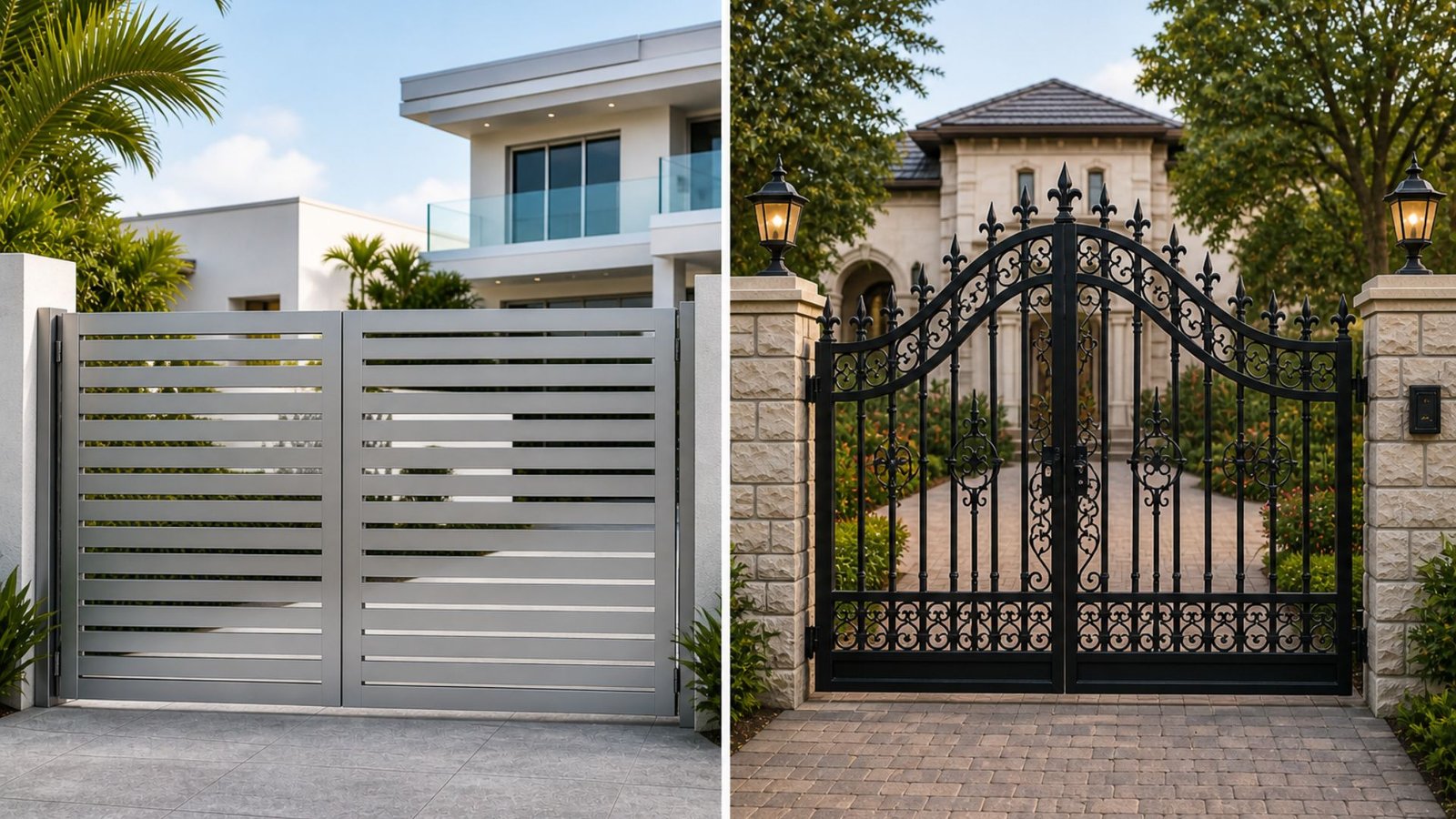
Aluminum Gate Vs Iron Gate: Which Is the Better Choice for Your Home? Choosing the right gate for your home is not as simple as picking the one that looks good in a catalog. Your gate has to handle the weather, match your home’s style, fit your budget, and last long enough to be worth the investment. Two of the most popular options homeowners consider are the aluminum gate and the wrought iron gate. Both have real strengths and real drawbacks, and knowing the difference can save you from a costly mistake. Understanding the Two Types of Metal Before comparing the two, it helps to understand what each material actually is. Wrought iron is made from iron that has been heated and worked by hand or machine. It is dense, heavy, and known for its strength and elegance. Iron gates have been used for centuries in both residential and commercial settings, and their traditional aesthetic still holds strong today. Aluminum, on the other hand, is a lightweight metal refined from ore. It does not have the same tensile strength as iron or steel, but it offers something wrought iron cannot, natural rust resistance. That is a big deal, especially in climates with high humidity or coastal winds. Durability and Longevity: How Long Will Each Gate Last? When it comes to durability, wrought iron fences and gates are among the toughest options available. A properly maintained wrought iron gate can last for decades, even generations. The strength produced by traditional fabrication makes these gates very difficult to bend or break. However, iron and aluminum behave very differently when exposed to the elements. Wrought iron is susceptible to rust and corrosion over time. Without a solid primer, powder coating, or galvanization, moisture will break down a wrought iron gate’s surface faster than many homeowners expect. In humid areas, rust can develop quickly if any part of the coating is scratched or chipped. Aluminum gates are lighter and naturally resistant to rust and corrosion. The lifespan of an aluminum fence or gate in a high-humidity environment is often longer than wrought iron simply because upkeep requirements are lower. A powder-coated aluminum gate may go years without needing significant attention. Maintenance Needs: What Are You Signing Up For? This is where aluminum options pull ahead for many homeowners. The long-term maintenance of a wrought iron gate includes regular inspections for rust spots, sanding, applying primer, and the need to repaint every few years. If corrosion gets into the metal before you catch it, repairs can become expensive. Aluminum requires minimal maintenance by comparison. You might need to wash it down occasionally and check the powder coating for chips, but the corrosion resistance built into the material does most of the work for you. Aluminum gates are lighter and easier to clean, which makes upkeep less of a chore week to week. If you want a gate that mostly takes care of itself, aluminum is worth serious consideration. Aesthetics and Curb Appeal: Which One Looks Better? This is where wrought iron fences shine. The aesthetic appeal of wrought iron is hard to replicate. The ornate scrollwork, decorative elements like the classic finial, and the overall look of wrought iron give a property an air of sophistication that aluminum designs struggle to fully match. That said, aluminum fence and gate designs have come a long way. Many aluminum options are crafted to look like wrought iron, and with powder coating available in a wide range of colors, you can achieve a similar fence design without the weight of steel or the upkeep of iron. For homeowners who want elegance without the hassle, modern aluminum designs offer a genuinely attractive alternative. Both types of metal can boost curb appeal significantly. The better choice really comes down to how important that classic, ornamental look is to you. Cost: What Does Each Option Run? Iron gates are more expensive upfront. The higher price tag reflects the weight of steel and iron, the complexity of fabrication, and the installation complexity involved in setting a heavier structure. Proper footing and hardware are required to support wrought iron gates, which adds to labor costs. Aluminum gates generally cost less to purchase and are easier to install, which reduces labor expenses. Over time, the savings on upkeep and the need to repaint also make aluminum a more budget-friendly option for many homeowners. If you need high-security fencing where both strength and corrosion resistance are priorities, galvanized steel or combinations of iron and steel may be worth the higher price. For standard driveway gates and residential use, aluminum delivers solid value. Which Gate Material Is Right for You? Here is a straightforward way to think about it. If you want maximum security, traditional aesthetic, and decorative appeal, and are willing to invest in long-term maintenance, a wrought iron gate is a strong choice. If you want something that is long-lasting, lower maintenance, and more affordable without sacrificing good looks, aluminum is better than wrought iron in several practical ways. For help deciding or getting either option installed properly, the team at 2Quick Garage Doors offers professional gate installation, and reliable gate repair services in The Woodlands, TX. We also provide expert garage door installation and repair services. Conclusion Both aluminum and iron gates have genuine value depending on your priorities. Iron delivers strength and timeless beauty. Aluminum offers rust resistance, lighter weight, and lower upkeep. Think about your climate, budget, and how much maintenance you are willing to do before making a final call. If you are ready to move forward, reach out to 2Quick Garage Doors Woodlands at (346) 574-0359. Their team is ready to help you find the right gate and get it installed the right way.

Read More
April 3, 2026 admin No Comments

Should Driveway Gates Open In Or Out? Pros, Cons, And The Right Choice For Your Home

Should Driveway Gates Open In Or Out? Pros, Cons, And The Right Choice For Your Home If you’re installing a driveway gate, one of the first questions that comes up is simple but important: Should driveway gates open inward or outward? It sounds like a small detail. But the direction your gate opens can affect safety, daily convenience, local code compliance, and even how much usable space you have in your yard. In The Woodlands, Texas, where properties vary from compact lots to large estates, the right answer depends heavily on the layout of your driveway. Why The Direction Your Driveway Gate Opens Matters Your driveway gate is more than a decorative fence addition. It is security, access control, and in many cases, curb appeal all in one. The direction of the gates’ swing affects: Some homeowners assume driveway gates open outwards by default. That is not always true. In fact, in many residential settings, gates open inward for a very specific reason. Should Driveway Gates Open Inward? In most situations, yes, a driveway gate should open inward toward your property. Here is why: Safety And Public Access When gates open outward into the street or sidewalk, they can interfere with public property. In many neighborhoods, placing gates outside of your property line is frowned upon and can even violate local law. An outward swinging gate that blocks a pedestrian path can pose a safety concern. If someone is walking a dog or pushing a stroller, the gate cannot open safely without potentially creating a hazard. This is one major reason why gates open inwards in residential areas. Protecting Your Property Line If your property line is close to the road, outward-opening gates may extend outside of your property. Having your gates open inward helps keep everything contained within your yard. If you are limited on space inside your driveway, you might consider having your gates open outwards only if the layout allows it without entering public space. However, this is rarely ideal in The Woodlands. Pros And Cons Of Inward Opening Gates An inward-opening swing gate is the most common residential gate design. Pros Many homeowners find that gates opening inward feel more secure and natural. When the gate is set properly with a strong hinge and level posts, the system works smoothly. Cons If you have an upwards sloping driveway, an inward swing may not work well. When the driveway slopes upward toward the house, the gate could scrape the ground. In that case, the gate cannot open properly without adjustments, such as installing the gate on higher hinges. When Should Gates Open Outward? There are situations where gates opening outward make sense. If your driveway slopes downward into your yard, swinging the gates inward could cause clearance issues. In this scenario, some homeowners choose an outward-opening configuration. However, gates swing outwards only if there is no interference with the sidewalk or the fence line.  The gate should open without crossing outside of your property line. In practical terms, the direction gates open must prioritize safety and local compliance first. What If You Do Not Have Enough Space? Sometimes neither direction feels ideal. If you do not have space in both directions, this is where alternatives shine. Sliding Gate Instead of a Swing Gate Instead of choosing a swing gate, many homeowners in The Woodlands use a sliding gate instead. A sliding gate does not swing in one direction. It slides parallel to your fence, making it ideal if: Choosing to use a sliding gate eliminates the question of whether to swing inwards or swing outwards entirely. If your driveway is narrow and you only have room for a single or double vehicle entrance, a slide system may open fully without taking up valuable driveway space. Bi-Folding Gates For Tight Areas Another option is bi-folding gates. A bi-folding system folds its panels together as the gate opens. These are a strong option when you are tight on depth but still want a traditional look. A bi-folding gate needs less clearance than a full swing gate. What About Automatic Gates? If you plan to install an automatic gate, direction matters even more. An automatic gate relies on an actuator and proper alignment. Automation systems are often cleaner and easier when gates open inward. Also, keep in mind that driveway gates open differently depending on whether you have a single or double configuration. Gates need strong support posts to handle motor force. If you already have a garage system, it is also smart to coordinate with your garage door opener repair and installation to ensure both systems work seamlessly. Special Considerations For Texas Homes In The Woodlands, heavy rain can affect ground conditions. The slope of your driveway and drainage patterns matter. If your driveway slopes significantly, your gate design must account for ground clearance. A gate that opens outward on uneven soil can sag over time if the hinge placement is wrong. For properties with a backyard gate or decorative Aberdeen gate style at the front, visual symmetry also influences whether gates open inward or outward. The key is choosing the right balance between function and style. Common Scenarios Here are a few real-world examples: Every gate installation is slightly different. If you are installing a gate for the first time, speaking with experts who understand professional gate installation services in The Woodlands, TX, can save you frustration later. And if your current system is failing or sagging, reliable gate repair services in The Woodlands can inspect hinge placement, alignment, and opener performance. If you are upgrading your entire exterior, pairing your gate project with a new garage door installation in The Woodlands, TX, can dramatically improve curb appeal and peace of mind. Final Thoughts: Choosing The Right Direction So, should driveway gates open inwards or outward? For most homes in The Woodlands, inward is safer, more compliant, and easier to automate. Outward options work in specific layout situations, but they must never interfere with public property or

Read More
March 23, 2026 admin No Comments

Common Garage Door Sizes: A Practical Guide to Finding the Perfect Fit

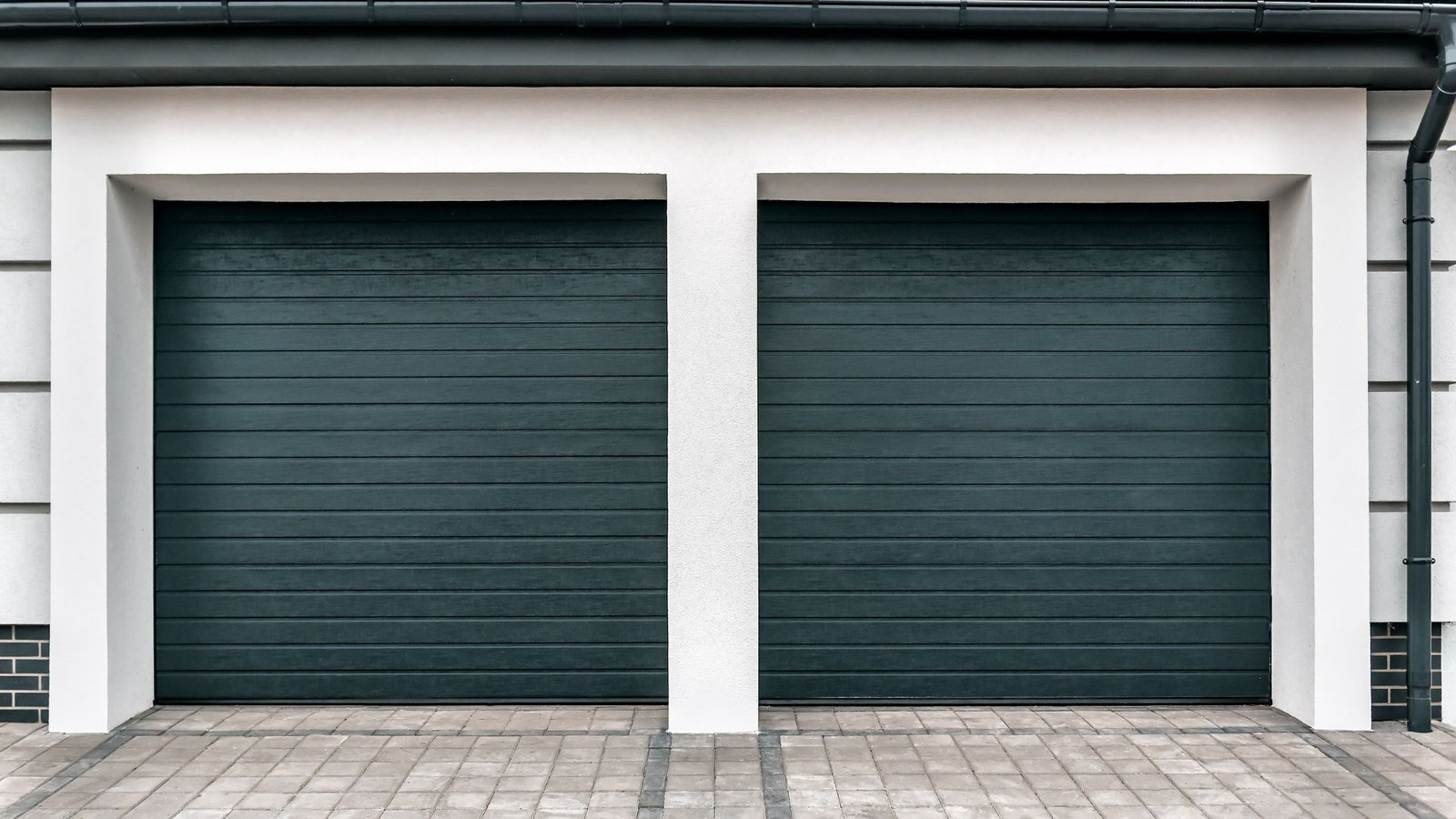
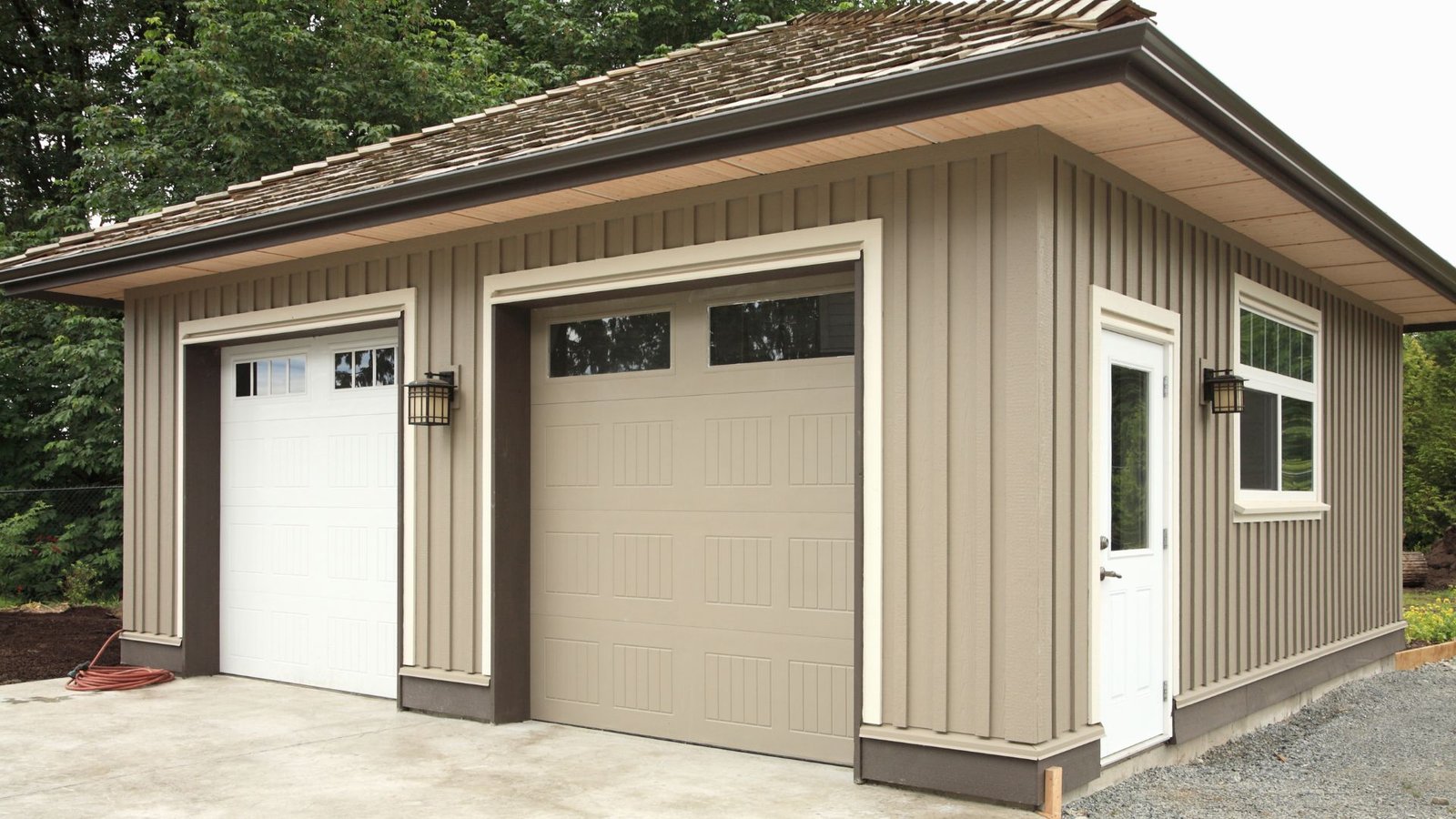
Common Garage Door Sizes: A Practical Guide to Finding the Perfect Fit Choosing the right garage door size sounds simple until you start measuring. Is your opening standard? Will your SUV clear the top of the door? What if you are building a new garage or upgrading an older one? Homeowners in The Woodlands, Texas, ask these questions all the time. At 2Quick Garage Doors Woodlands, we have seen everything from tight single-car garage spaces to oversized doors for an RV and workshop combo.  This guide breaks down common garage door sizes in plain English so you can find the perfect fit for your home without second-guessing your measurements. Why Garage Door Size Matters More Than You Think The size of the garage door affects more than curb appeal. It determines whether you can comfortably park in your garage, how much storage space you have, and even which door openers will work. A door that is too narrow makes squeezing past car doors frustrating. Too short, and your Truck or SUV may scrape the top of the door. The correct size also ensures your garage door opener and overhead door system operate safely. Whether you use your garage for one car, two cars, a Workshop, or even a home Gym, getting the measurements right is the first step toward a perfect garage door. Standard Garage Door Sizes Explained Most residential garage doors come in several standard dimensions. While custom sizes are available, many homes in The Woodlands follow common measurements. Common Single Garage Door Dimensions For a standard single garage or single-car garage, the typical garage door is: You will often hear 9 feet wide by 7 mentioned as a common single size. These standard single garage options work well for a Sedan (automobile), Compact car, or small SUV. In some cases, doors may be 8 feet high instead of 7 feet. These extra inches of Height help if you drive a taller Van or add roof storage to your Vehicle. Single garage doors are ideal when your residential garage is designed for one car and limited storage. If you only need room for a Sedan and a few shelves, this size garage door may be all you need. Double Garage Door Dimensions For a double-car garage or two-car garage, the standard double garage door is usually 16 feet wide by 7 feet high. You may also see 16 feet wide by 7 listed in builder plans as 16 feet wide by 7. A double garage door at 16 feet wide gives enough Space for two cars to park side by side without scraping mirrors. For taller vehicles, 8 feet in height is another option. Most standard double garage setups are usually 16 feet wide, although some custom homes use 18 feet. A double door design with one large door is common today, but some homeowners prefer two single doors instead of one large panel. If you are choosing between one large door and two single doors, think about insulation, maintenance, and daily use. Two single doors can reduce heat loss and may be easier to service. A Quick Garage Door Size Chart Here is a simple garage door size chart to summarize common garage door sizes: Garage Type Width and Height (Feet) Best For  Standard single garage 8 x 7 Compact car, small Sedan Standard single garage 9 x 7 SUV, single car household Standard double garage 16 x 7 Two cars Double garage (tall) 16 x 8 Truck, SUV with racks These are standard measurements, but remember that sizes vary depending on the age of your existing garage and its original design. What About RV and Oversized Garage Doors? If you own an RV, Trailer (vehicle), or Recreational vehicle, a standard size will not be enough. The width might need to reach 10 feet wide or even 12 feet for larger models. For height, many RV doors range from 12 feet to 14 feet high to accommodate roof units. Always measure the highest point of your vehicle, including accessories, before selecting a size garage door. The same logic applies if you use your garage as a Warehouse space. If you store Pallets, operate a Forklift, or even pull in a Semi-trailer truck or small loading dock setup for business use, you are likely looking at a custom garage door. In those cases, door sizing must factor in full garage door opening clearance, side room, and headroom above the top of the door. Measuring Your Garage Opening the Right Way Accurate Measurement avoids expensive mistakes. Before installing a new door, measure: Even an Inch off can affect how the garage doors operate. Standard doors are built to fit specific rough openings, so confirming the exact garage door dimensions is critical. If you are unsure, a trusted garage door expert can inspect your residential garage and confirm the correct size. Custom Garage Doors for Unique Spaces Not every home or business fits standard dimensions. Older homes, detached Workshops, or properties building a new garage sometimes require custom sizes. A custom garage door is also common in luxury builds where appearance matters as much as function. You might want a unique garage door style with upgraded panels, windows, or special materials. Residential garage doors come in a variety of designs, and each door offers different benefits in insulation, durability, and appearance. If your garage size does not match standard doors, which come in several standard categories, a custom solution helps you find the perfect fit. Working with experienced garage door companies ensures your new garage door matches both the garage opening and your design goals. Single and Double Garage: Which Is Right for You? Choosing between single and double garage layouts depends on how you use your garage. A single-car garage works well for one-car households or limited lot space. A double car garage provides flexibility for two cars, storage, or a Gym setup. If your double-car layout currently has two single doors, you might consider upgrading to one double

Read More
March 20, 2026 admin No Comments

How To Fix A Gate That Won’t Latch And Make It Close Like New

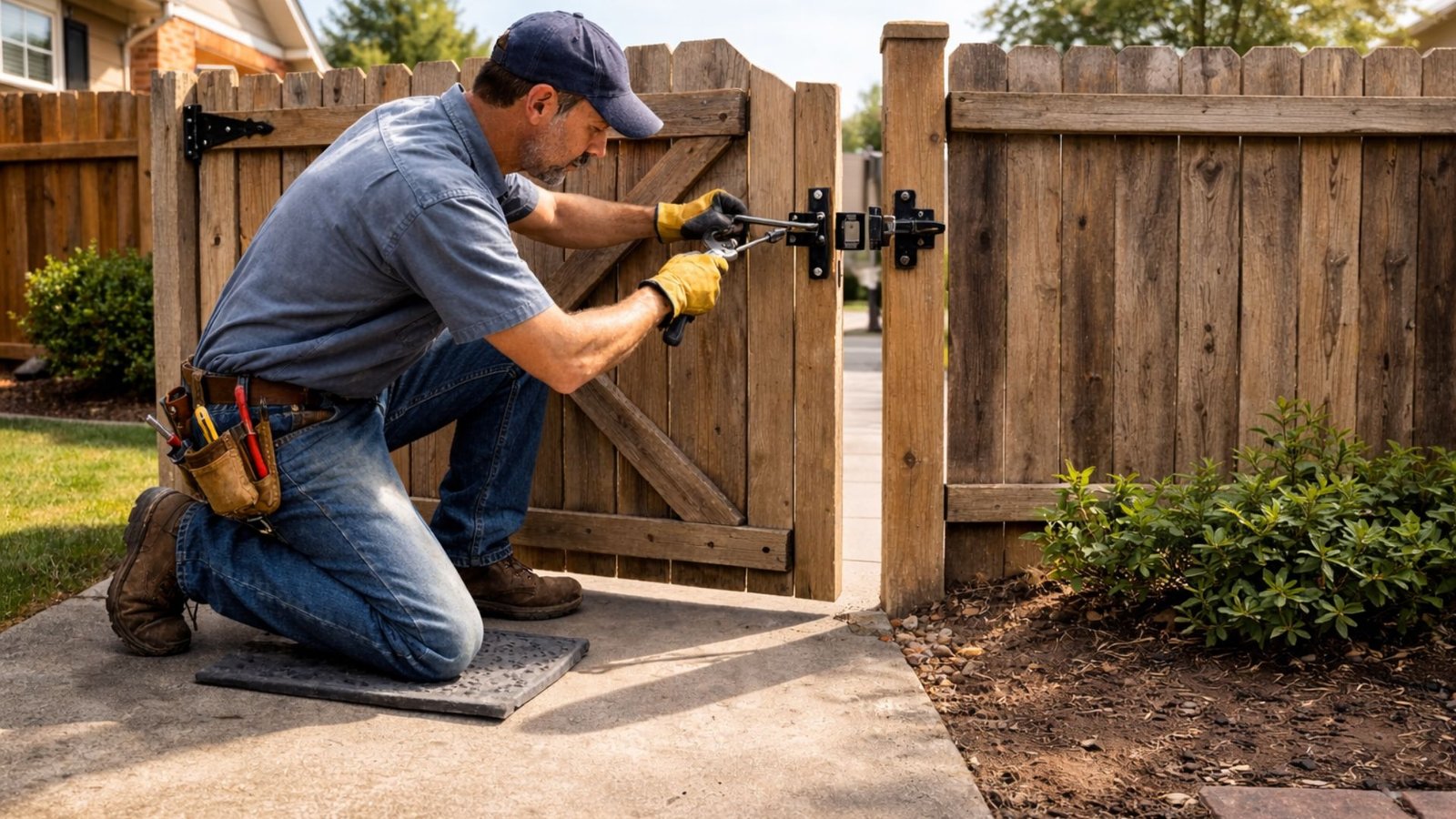
How To Fix A Gate That Won’t Latch And Make It Close Like New A gate that will not latch is more than just annoying. It leaves your yard open, affects security, and puts extra stress on the entire fence. You close it, hear a dull thud, and it springs back open. Or the latch almost catches, but sits just a little off. If you are wondering how to fix a gate that will not latch, you are usually dealing with a simple mechanical issue. Most problems come down to sag, loose hardware, or misalignment between the latch and striker. The good news is that many of these problems can be corrected with basic tools and careful adjustment. Let’s walk through what is really going on and how to fix it properly. Why Your Gate Won’t Latch in the First Place When a gate refuses to close like it used to, it is usually because something shifted. Over time, the weight of the gate pulls downward. Changes in weather across The Woodlands can cause wood to expand or contract. Metal parts may shift, rust, or loosen. Here are the most common causes: Understanding the root issue helps you solve the right problem instead of guessing. Step 1 – Check for Gate Sag Stand back and look at the top of the gate. Does it look level with the fence rail? If the latch side appears lower than the hinge side, your gate likely has sag. Sag happens when the hinge side cannot properly support the weight. This is especially common on a wooden gate exposed to the weather. How to Fix a Sagging Gate Start simple. If sag continues, install a diagonal brace across the back of the gate. A diagonal brace should run from the bottom hinge side up to the opposite side at the top of the gate. This helps support the weight and prevents further sag. For heavier wooden or steel frame designs, a tension cable with turnbuckles can help. Tighten the turnbuckle for a small adjustment until the alignment improves. Some people use a 2×4 temporarily as a wedge while making adjustments. If the frame is badly twisted or showing rot, it may be time to rebuild or reinforce sections before attempting to fix the latch again. Step 2 – Inspect the Latch and Striker Alignment If the gate looks level but will not latch, the issue is often alignment between the latch and the striker plate mounted on the fence post. Close the gate slowly and watch where the latch bolt hits. Is it too high? Too low? Offset slightly to one side? Even a small misalignment can prevent the bolt from sliding into place. How to Align the Latch You have two options: Most minor problems are solved when you move the latch slightly up or down. If the mounting holes are worn out, fill them with wood glue and allow it to dry before reinstalling. For metal brackets, you may need new mounting holes made with a drill bit slightly smaller than the screw diameter. Always drill pilot holes to avoid cracking wood. If your latch includes a bracket and bolt fastener with a nut and washer setup, slight adjustment may be as simple as loosening the nut, repositioning the hardware, and tightening again. Make sure the striker catches cleanly without forcing the gate upward or downward. Forcing it will create long-term stress on hinges. Step 3 – Check the Fence Post Stability Sometimes the issue is not the gate at all. It is the fence post. Grab the post and gently push. If it moves, even slightly, that movement can throw the latch out of alignment. Posts set in soil may shift over time. A leaning post affects the vertical angle of the entire opening. That changes how the gate swing lines up with the latch side. Minor movement can sometimes be corrected by anchoring the fence post more securely with additional support or reinforcing the concrete. Severe movement might mean resetting the post completely. If a metal pole is involved, check the anchor bolts at ground level. Step 4 – Examine Hinges and Hardware The hinge controls how the gate moves. Worn hinges can shift position over time. Look for: Sometimes simply tightening or replacing a hinge will correct everything. In other cases, you may need to replace worn hardware entirely. Make sure you secure the hinges firmly into solid wood or steel. If the frame is weak, add a metal brace for added strength. When the Gate Frame Is the Problem If you are constantly adjusting but the problem returns, the frame itself may be stressed or warped. Over time, exposure to the weather and moisture creates expansion, contraction, and possible rot. Decorative picket designs can shift slightly. Even steel frame or tubing systems can bend under pressure. Look at the horizontal and vertical sections carefully. If the structure is pulling apart at joints or showing cracks, you may need to replace major sections or choose to rebuild. In rare cases, improper installation from the beginning creates long-term offset issues that simple latch adjustments cannot solve. Common Situations Homeowners Mention In The Woodlands, we often hear variations of the same story: Each of these comes down to structure, hinge condition, or alignment correction. Think of your gate like a small door. If a door frame shifts even slightly, it affects how the latch catches. The same concept applies here. Quick Troubleshooting Checklist If you want a fast recap, here is where to look: Work step by step. Avoid random changes. Small, careful adjustments usually works better than major alterations. When to Call for Professional Gate Repair Some gate problems are simple. Others require experienced repair. If you notice severe sag, structural cracks, major rust, a damaged steel frame, or repeated alignment failure, it may be time for expert help. A professional can rebuild unstable sections, replace worn hardware, and ensure everything lines up correctly. If you are in The

Read More
March 4, 2026 admin No Comments

Say Goodbye To Sliding Gate Problems Today With These Solutions

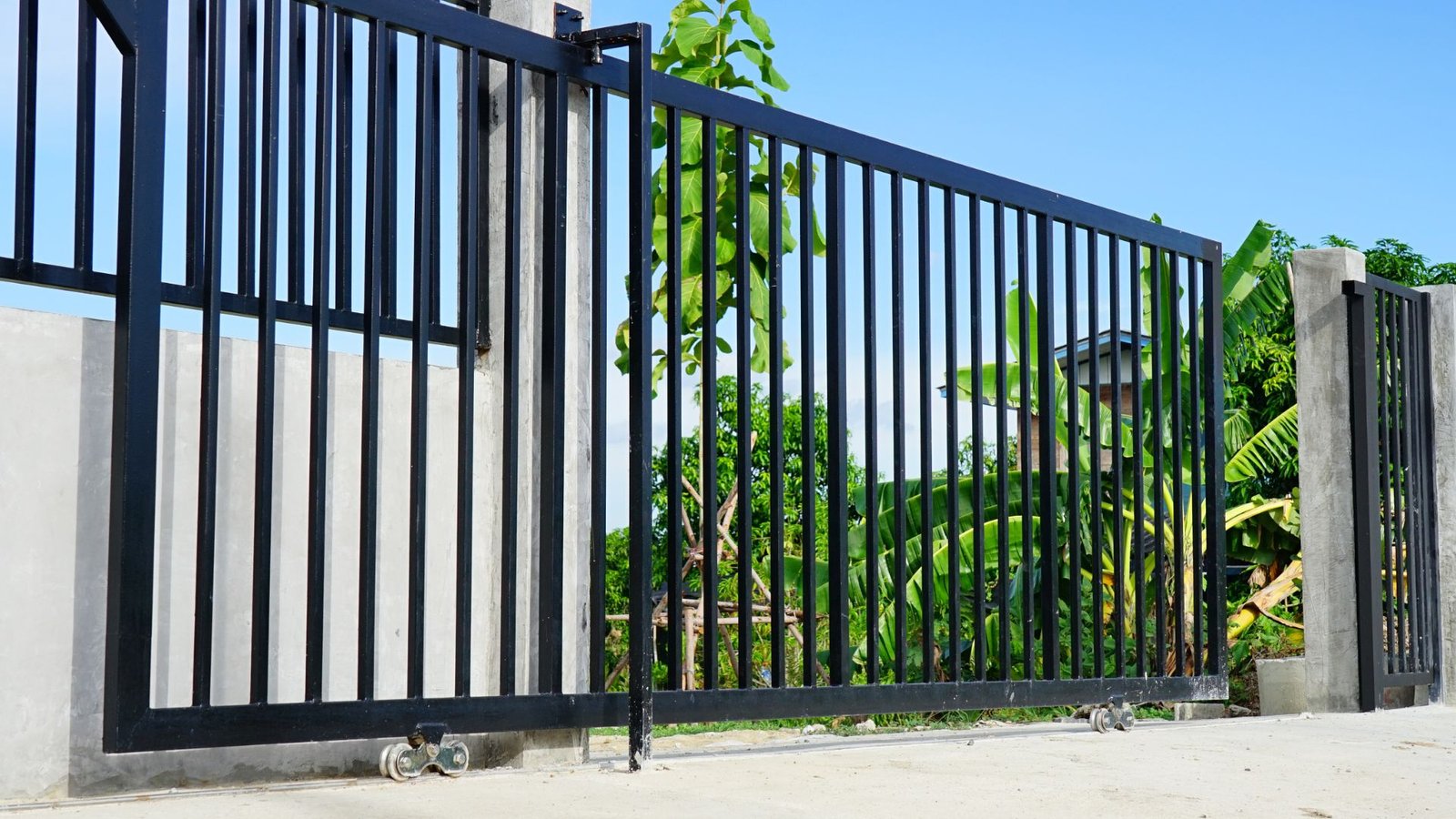
Say Goodbye To Sliding Gate Problems Today With These Solutions Struggling with sliding gate problems at your residential or commercial property in The Woodlands, Texas? You’re not alone. Sliding gates are a smart addition to any property, offering convenience and increased security. However, they can occasionally face issues that can hinder their performance. Here at 2Quick Garage Doors, we understand these challenges and are committed to helping you keep your sliding gate in top condition. Let’s dive into the common sliding gate problems and how you can troubleshoot them effectively. Understanding Common Sliding Gate Problems Sliding gates operate using a combination of components like motors, rollers, and sensors, all of which must function together for smooth operation. Common problems with sliding gates often stem from these elements. Motor Malfunctions and Gate Movement Issues Motor malfunctions can cause the gate to stop working altogether. If your gate suddenly stops working or doesn’t move, the problem may lie with the gate motor. Here’s what you can do: Sensor and Automation Challenges A malfunctioning sensor can prevent the gate from operating correctly. If the gate isn’t working as expected, here’s how to inspect for potential issues: Roller and Track Maintenance Wear and tear on the rollers can cause the gate to move unevenly or halt. To keep your gate running smoothly: Troubleshooting Common Gate Problems When facing slide gate challenges, many solutions are straightforward and can prevent costly repairs. Here’s how you can further troubleshoot common gate problems: Gate System and Components Inspection Maintaining the smooth movement of your gate involves: Reduce Friction and Enhance Performance To keep your gate in top condition, consider the following: Conclusion Sliding gate issues can arise from time to time, but with regular inspections and maintenance, you can keep your gate in top condition. For those in The Woodlands, Texas, who encounter more complex gate issues that require professional intervention, our gate repair services in Woodlands, TX, are available to help resolve your concerns. Maintaining an operational gate system is not only about immediate fixes but also about taking preemptive actions to keep your gate systems running smoothly for the long haul. Reach out today to learn more about how 2Quick Garage Doors can assist you in maintaining reliable and efficient sliding gate performance.

Read More
March 2, 2026 admin No Comments

Gate vs Door: What’s The Best Option For Your Home And Garage?

Gate vs Door: What’s The Best Option For Your Home And Garage? Choosing between a gate and a door for your property can be confusing. Both serve as essential elements in construction to control access, provide privacy, or secure a space. But what’s the difference between a door vs gate? At 2Quick Garage Doors, we’re here to guide you through making the best choice for your needs. Defining the Difference The Definition of a Gate A gate is typically an outdoor barrier that swings open and closed, serving as an entrance to properties like gardens or front yards. Gates are often made of strong materials like metal, wood, or iron and can be part of a fence that encloses a property. They provide privacy and controlled access while also offering some level of security. Common materials used for gates: The Definition of a Door A door is a solid barrier within walls that allows or blocks entrance to a room or building. Doors are typically used inside and outside buildings to control access to various spaces. They often attach to a wall using hinges and can be made from a range of materials, like wood or glass. Doors are essential elements in a building’s design, used for isolation, security purposes, and the privacy of internal spaces. Common materials for doors: Gate vs Door: What’s the Key Difference? The main difference between a door and a gate lies in their function and location. A door is typically a solid portal used for internal purposes to provide privacy within a building, while a gate is an external entrance or barrier, like a gate leading to a garden or driveway. Points of Access Purpose and Function Hinges and Openings Joining Us for Expert Guidance If you’re unsure about which is the right choice for your property, consider door vs gate consultations with 2Quick Garage Doors. We offer reliable and expert advice on installations tailored to your needs. For bespoke gate installation services in Woodlands, TX, you might want to explore our gate installation services in Woodlands, TX. Conclusion When deciding between a gate and a door, consider their purpose, material, and the level of security and privacy you need for your property. By understanding the differences and applications of each, you can choose the right access solution that suits your needs best.  Join our community of informed homeowners and stay updated with expert insights for maintaining your space.Take action now! Feel free to reach out to us at 2Quick Garage Doors for personalized advice or explore our resources for more information on improving your property’s entrances.

Read More
December 4, 2025 admin No Comments

How Long Do Garage Door Springs Last? Find Out What Impacts Their Lifespan

How Long Do Garage Door Springs Last? Find Out What Impacts Their Lifespan If you’ve lived in your home long enough, you’ve probably had your garage doors groan, jerk, or just refuse to open one day. Nine times out of ten? The culprit is a spring. But how long do garage door springs last, really? You’re not alone in asking. At 2Quick Garage Doors, we get this question from homeowners in The Woodlands all the time. Let’s break it down in plain English, no confusing technical lingo, so you can understand what’s going on with your garage door system and know when it’s time for a spring replacement. Understanding Garage Door Springs and Their Lifespan Garage door springs do the heavy lifting; literally. They carry most of the weight of the door, and without them, your garage door just wouldn’t work. There are two main types of garage door springs: Torsion Springs Mount above the door. Use torsion (mechanics) to control the force. Typically, they last longer than extension springs. Handle heavier garage doors like double car doors. Extension Springs Installed on the sides of the door. Stretch and contract to help lift and lower the door. Usually wear out faster than torsion springs. The lifespan of garage door springs depends on several variables: usage frequency, weather, steel quality, and maintenance. But as a general number, springs typically last: Torsion springs: 10,000 to 20,000 cycles (a cycle = one full open and close) Extension springs: Around 5,000 to 10,000 cycles So, if you use your garage twice a day, every day, your garage door springs could last 7 to 14 years for torsion, or 3 to 6 years for extension. What Impacts How Long Garage Door Springs Last? The springs may wear or break faster depending on these key factors: 1. Frequency of Use The more you open and close your garage door, the more strain on your springs. 2. Weight of the Door A heavier door stresses the springs. Weak springs on a heavy garage will wear faster. 3. Lack of Maintenance Springs will wear faster without regular lubrication and inspection. Friction and corrosion speed up failure. 4. Poor-Quality Springs Low-grade steel or poorly heat-treated springs won’t last as long. 5. Weather Humid and salty air can cause rust and fatigue (material) failure. Sudden temperature changes accelerate wear and tear. Signs Your Garage Door Springs Are Wearing Out Your garage door system gives off warning signs when the springs are nearing failure. Look (and listen) for: Noise: Squeaking or grinding when the door opens or closes. Door feels heavy or slams shut suddenly. You notice uneven movement or the door appears off-balance. You can’t open and close your garage fully. One spring looks elongated or fractured. You see gaps in a torsion spring, indicating it’s broken. The opener strains more than usual or reverses by itself. Any of these likely means your springs are wearing out, and spring breaking is just around the corner. How to Extend the Lifespan of Garage Door Springs While springs wear naturally, you can extend the lifespan of garage door springs by following a few practices: Lubricate the springs every 3-4 months. Schedule an annual garage door service and safety inspection. Replace both springs at once; a pair of springs works best when balanced. Keep an eye out for rust and apply anti-corrosion spray. Don’t wait to replace your springs if they’re already worn out. Doing this can extend the lifespan of your springs and keep your door operating smoothly for years. When Do Garage Door Springs Need to Be Replaced? Here’s the bottom line: garage springs will all eventually break and need replacing. So, how long do garage door springs last before they need replacing? If your door is over 10 years old and used daily, the springs could be nearing their end. When that time comes, it’s critical to replace the springs safely. Springs are under high tension, and attempting to fix a broken spring without training can result in serious injury due to high-voltage style force or mishandling of the counterweight system. Why Replacing Garage Door Springs Isn’t a DIY Job We get it, DIY is tempting. But with garage door torsion springs or high-tension extension springs, you’re working with tightly wound steel under enough pressure to cause serious risk. A garage door technician has the right training, tools, and safety procedures. If you’re noticing signs of worn-out garage door springs or have a broken garage door spring, it’s time to call for help. Whether it’s a garage door opener strain or a door weight causing imbalance, replacing your garage door springs is a job for the pros. Should You Replace Both Springs at the Same Time? Yes. Always. Whether it’s a double car door or a standard one, springs should last the same amount of time, and if one spring is worn out, the other is soon to follow. Replacing both ensures your door operates smoothly, stays balanced, and avoids further strain on the springs or hinge misalignment. Looking for expert help with garage door spring repair and replacement in The Woodlands? Learn more about our service here: garage door spring repair and replacement. Conclusion: Know the Signs, Act Early Understanding the lifespan of a garage door spring isn’t just handy; it can prevent serious problems. Garage door springs work tirelessly every day to lift and lower that heavy door. But like anything under constant strain, springs will last only so long. So, if you’re asking how long garage door springs last, the answer is: it depends, but they’re not meant to last forever. Routine care, basic awareness, and knowing when it’s time to replace them can save you hassle, money, and peace of mind. Noticed your door may be lagging, louder, or unstable? Don’t wait for a full failure. Reach out for a qualified garage door company in The Woodlands and replace your garage door springs before disaster (or an expensive repair) strikes.

Read More
December 2, 2025 admin No Comments

How Long Do Garage Door Openers Last? Signs It’s Time to Replace Yours

How Long Do Garage Door Openers Last? Signs It’s Time to Replace Yours If your garage door opener is literally creaking with every use or just stopped working altogether, you’re not alone in wondering, “How long do garage door openers last?” It’s a common question with a nuanced answer, and if you’re living with an old garage door opener, the answer might be more urgent than you think. Garage doors and openers are essential in most homes and get a workout every day. Understanding how long you can expect your garage door opener to last, and what to do when it doesn’t, can save you time, money, and frustration. Let’s break it all down, plain and simple. How Long Do Garage Door Openers Typically Last? A garage door opener typically lasts between 10 and 15 years, sometimes longer with regular maintenance and proper care. If you’re lucky and careful, your opener will last closer to 15 to 20 years. But several factors play a role in the actual lifespan of your opener. These include: Frequency of use – How often you use your garage door daily. Type of opener – Belt-drive, chain-drive, screw-drive, or jackshaft. Maintenance habits – The more you lubricate the roller, hinge, and other parts, the better. Quality of installation – Was it installed professionally and correctly? Garage door’s balance – A poorly balanced door puts more strain on the opener. An opener is one of those devices that usually works fine until it doesn’t. That’s why it’s important to understand the signs indicating it may be reaching the end of its life. Signs Indicating It’s Time to Replace Your Garage Door Opener If you’re wondering when to replace your garage door opener, keep an eye (and ear) out for these red flags: 1. Your Garage Door Opener Makes Loud or Unusual Noises Grinding, rattling, or clunking doesn’t just make your skin crawl – it could point to problems with the motor, chain drive, or circuit board. If your garage door opener makes loud noises, that’s a sign your opener is working harder than it should. 2. It Fails to Open or Close the Door Consistently If the garage door fails to open or close all the way, gets stuck, or reverses without warning, there’s likely an issue with the sensor, switch, or printed circuit board. These issues can signal it’s time for a replacement. 3. It’s 10 to 15 Years Old or More Even if your garage door opener is still functioning, anything over that 10 to 15 years range should be on your radar. Technology has come a long way. Modern openers include features like: Wi-Fi connectivity for smartphone control Battery backup during a power outage Rolling code technology for better security If your opener is missing these? It may be time for an upgrade. 4. Your Opener Lacks Safety Features If your old garage door opener doesn’t have auto-reverse or safety sensors? A breakdown isn’t just inconvenient – it could be dangerous. That alone might be reason enough that it needs to be replaced. Factors That Affect the Lifespan of Your Opener Many homeowners ask, “Why didn’t my opener last as long as expected?” Here are a few key reasons your garage door opener’s lifespan might have been cut short: Improper or infrequent maintenance – Lack of lubrication on the torsion spring, roller, or belt components increases wear and tear. Weather exposure – Moisture can damage internal electronics like the circuit board. Imbalanced doors – A door that’s too heavy or not supported by maintained garage door springs causes extra strain. DIY installation gone wrong – Without professional installation, critical mistakes can stress the motor or sensor system. Even high-quality brands like LiftMaster® or a new Genie® opener will eventually need replacing if misused or disregarded. Can I Make My Garage Door Opener Last Longer? Yes, with some effort, you can extend the lifespan of your garage door opener. Here’s how: Stick to regular maintenance (at least yearly). Make sure you’re keeping a balanced door – call a garage door technician if it feels heavy or uneven. Routinely lubricate the moving parts like rollers, hinges, and the chain or belt. Test the opener’s reverse function monthly for safety. Keep sensors clean and in alignment. Don’t forget to watch for small problems before they turn into big ones. Early troubleshooting can mean the difference between a simple repair and a full replacement. Life Expectancy: How Long Should You Expect Your Opener to Last? To sum it up, here’s a quick table showing what affects the life expectancy of your garage door opener: Factor Influence on Lifespan   Frequency of Use More daily cycles = shorter lifespan Maintenance Routine Regular lubrication = longer-lasting system Type of Drive Belt drive is quieter, might last longer Age of System 10 and 15 years is the average lifespan Opener Technology LiftMaster®, Genie®, Wi-Fi, battery backup Installation Quality A garage door professional can extend life When Is It Time to Replace Your Garage Door Opener? If your system is older, loud, lacks features, or consistently malfunctions, it’s probably time for a replacement. Here are signs you can’t ignore: Can’t connect to a smartphone Opener doesn’t respond to the button or switch Your door opens randomly or not at all Frequent garage door repair calls You’re relying on an opener more than 15 years old In short, know when it’s time. Don’t wait for a total breakdown to acknowledge that your garage opener is ready for retirement. Want to Upgrade? Trust a Garage Door Professional If you’re in that window where you suspect your opener needs an overhaul, there’s no harm in calling in a technician. Whether your unit just needs attention or it’s truly time to replace your garage door system, a trusted team makes a big difference. At 2Quick Garage Doors, our team of garage door experts specializes in diagnosing, maintaining, and upgrading residential garage door openers. From LiftMaster to Genie, we’ve seen everything – and we’ll always

Read More
November 28, 2025 admin No Comments

How to Reset Garage Door Opener Fast: Step-by-Step DIY Guide

How to Reset Garage Door Opener Fast: Step-by-Step DIY Guide If your garage door suddenly stops working or the remote isn’t responding, chances are your garage door opener needs a reset. It sounds complicated, but you don’t have to be an expert technician to do it yourself. This guide walks you through how to reset a garage door opener safely and quickly, especially if you’re dealing with an overhead garage door or automatic garage door opener. Whether you’re a first-time homeowner or just troubleshooting a stubborn system, let’s dive into how to reset your garage door opener the right way. Why Resetting Garage Door Openers Matters Every garage door opener, whether it’s made by Chamberlain, Genie, LiftMaster, or another manufacturer, uses codes and sensors to work. Over time, or after events like a power outage, these systems can malfunction or lose connection with remotes, keypads, or the main opener unit. You might need to reset a garage door opener if: Your remote controls stop working suddenly The opener light blinks or doesn’t turn on The garage door won’t close or open completely You’ve had a lost or stolen remote The keypad isn’t syncing You installed a new system or door In The Woodlands, Texas, where having a secure, working garage is important, this knowledge can save you time, frustration, and avoid needing immediate garage door service. Understanding Your Garage Door System Before resetting anything, familiarize yourself with these components: Garage door opener unit: Usually mounted on the ceiling, this houses the motor and logic board. Remotes and keypads: These allow you to open or close the door wirelessly. Sensors: Found near the bottom of the garage door tracks, safety sensors prevent the door from closing if something is in the way. Antenna wire: Hangs from the opener to receive signals from remotes. Wall switch: Often inside the garage near the door to the house. Carriage and trolley: Connects your door to the opener mechanism. Understanding these will help you follow the step-by-step reset process effectively. Step-by-Step: How to Reset a Garage Door Opener Here’s a simple guide to reset your garage door opener using common models like Chamberlain, Genie, and LiftMaster. Make sure to check your opener’s manual for model-specific instructions. 1. Unplug the Opener Locate the power cord for your garage door opener unit. Unplug for 30 seconds to reset the internal logic board. Plug it back in. This can sometimes fix small errors or issues caused by a power outage. Tip: If you’ve already tried resetting without unplugging, you might need to take this extra step before you see results. 2. Locate the “Learn” Button Find the learn button on the motor unit (often near the antenna or under the light cover). It may be labeled or simply a colored button on the back or side. Press and hold it for about 6 seconds or until the indicator light turns off or blinks. This will delete all remotes and keypads currently programmed into the opener. If your garage has been exposed to lost or stolen remotes, this method ensures only trusted devices are programmed again. 3. Reprogram Your Devices After erasing the previous settings: Press and release the learn button again. Within 30 seconds, press the button on your remote or keypad that you want to set up. The light blinks or the LED indicator light turns on to confirm it’s been added. Repeat for any additional remotes or keypads. Troubleshooting Common Garage Door Issues Sometimes, even after a garage door opener reset, problems persist. These may be due to: Misaligned or Dirty Sensors Sensors must face each other and be aligned properly. Wipe the lenses and make sure the wires are intact. If the door won’t close and the sensor light blinks or turns red, this could be the issue. Weak Antenna or Signal Issues Make sure the antenna wire is hanging down straight and hasn’t broken off. Avoid placing metal objects near the opener that could block the signal. Remote or Keypad Needs Replacement Check batteries first. If the button on your remote or the keypad input still won’t work after programming, it may be time for a new one. Trolley or Carriage Needs Adjusting If the door doesn’t move even though the motor runs, the carriage could be disengaged from the trolley. Reconnect it according to your opener’s manual. If all steps have failed and you’ve tried resetting everything twice, it’s time to call in a local expert. When to Call for Garage Door Service Resetting a garage door is often a simple fix, but if you’re still having trouble, a professional technician from a trusted door company in The Woodlands, TX can help. At 2Quick Garage Doors, we specialize in garage door opener repair and installation. Whether your automatic garage door won’t respond or your overhead door sensors are misaligned, we know what to look for and how to fix it fast. Explore our full garage door opener repair and installation services if your system needs more than just a reset. Resetting Specific Brands (Chamberlain, LiftMaster, Genie) While the steps above apply to most openers, some differences exist among brands: Chamberlain/LiftMaster: The Learn button is typically yellow or purple and located near the antenna. Genie: May require an additional step to reprogram the remote controls and wall switch. Final Thoughts: Is Your Garage Door Back in Action? Resetting a garage door opener can feel intimidating, but with a little patience and the right steps, you’ll be back to using the garage door like normal. If you’ve run into problems where your door won’t close or your devices stopped working, a garage door opener reset is often the solution. Hopefully, this guide helped you reset an overhead garage door or automatic system smoothly. If you’re a homeowner in The Woodlands struggling with garage doors that act up too often, don’t just reset and repeat. Let a trained technician help you pinpoint and fix the problem for good. Still stuck? Tried resetting, but it didn’t

Read More