
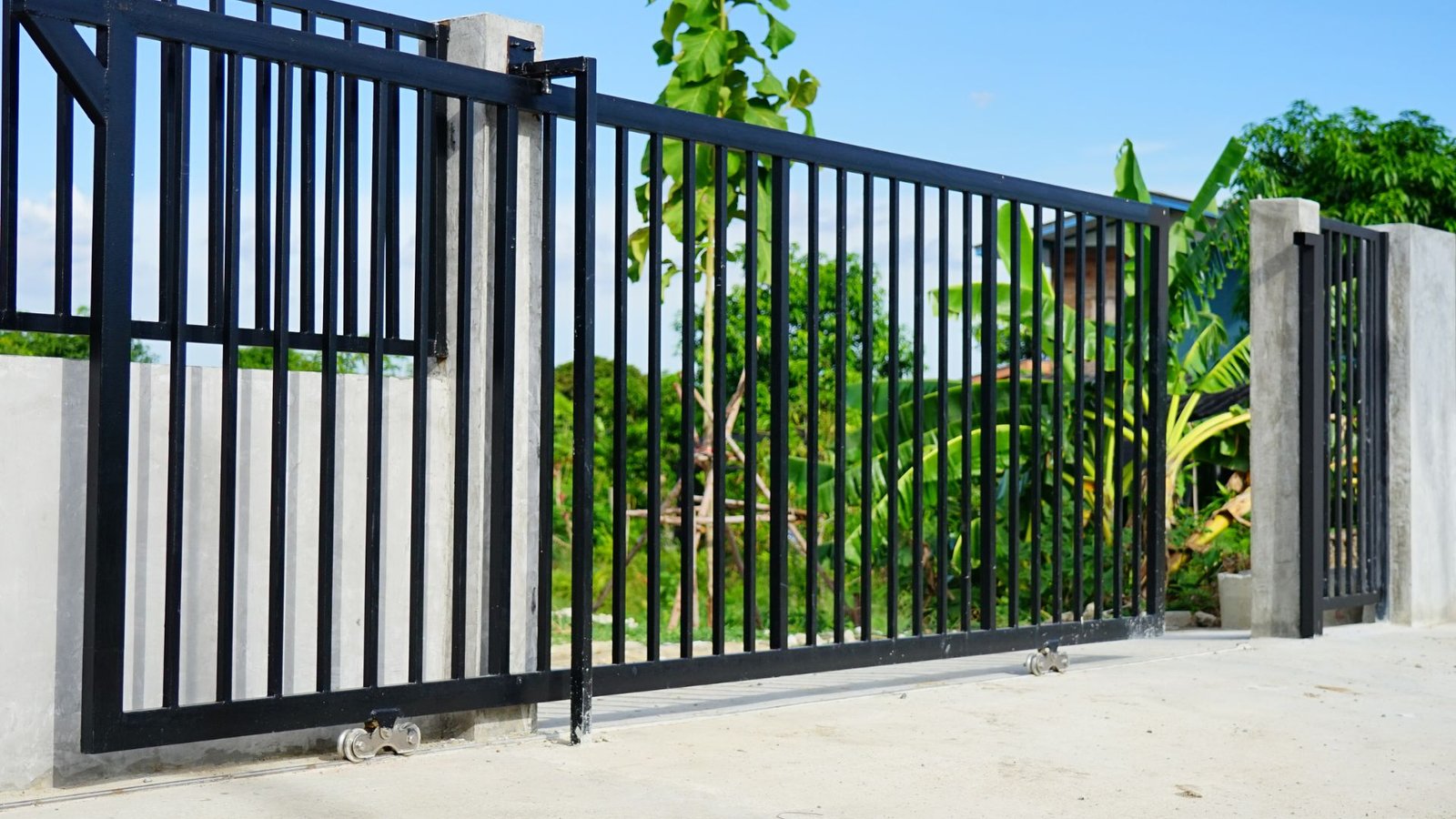
Steel Gate vs Iron Gate: Which One Should You Choose for Your Home and Property?
If you are trying to understand the difference between a steel gate vs iron gate for your home in
The Woodlands, Texas, you are not alone. On paper, both look like strong, solid options. In reality, the metal used, the way it is made, and how it behaves in our local environmental conditions can make a big difference to your long-term satisfaction and budget.
Below, we will walk through the key differences between the two, so you can make the right choice for your driveway gate, garden entrance, or metal gate around your property.
Iron gate basics: what you are really getting with a traditional wrought iron gate
Most people say “iron gate” when they are really talking about a wrought iron gate. Historically, these gates are made from iron that has been worked repeatedly, which changes the raw material structure and gives it good ductility and strength.
Today, gates are made from iron in a few different ways:
- Traditional wrought iron (less common, higher cost)
- Cast iron (iron melted and poured into molds)
- Mild steel marketed as “wrought iron” due to similar look
Wrought iron gates are renowned for their classic look and old-world craftsmanship. In terms of design, an iron gate can feature scrolls, curves, and ornate details that feel timeless. Wrought iron gates offer intricate details that many homeowners love.
Key points about iron gates:
- Iron with carbon content varies by type, and that affects strength and brittleness.
- Cast iron is hard but can be more brittle, which affects how it handles heavy impact or fracture.
- Many modern “iron gates” are actually an alloy of iron and carbon, similar to carbon steel, but shaped to look traditional.
Iron gates offer intricate designs and decorative patterns, and the craftsmanship involved can be impressive. That is why gates are renowned for their luxury feel and why gates tend to be a long-term visual investment.
However, wrought iron gates tend to need more attention over time. Iron gates need ongoing care because they are highly vulnerable to rust and corrosion, especially in humid climates or areas with regular rain.
Steel gate basics: how steel is used in modern gate fabrication
A steel gate is usually made of an alloy of iron and carbon. In simple terms, steel is an alloy where iron is combined with carbon and sometimes other metals like chromium. This mix is what makes steel stronger than pure iron and gives it better elasticity (physics) and deformation (engineering) resistance.
Compared to old-style iron, steel is stronger in many applications. That is one reason steel is used in construction, metal fabrication, and large gates where weight, gate size, and gate cycles put stress on the structure.
Some quick notes:
- Steel is also easier to work with in modern steel fabrication and welding.
- Steel gates are typically made of steel in tubular or solid sections to balance weight and strength.
- Carbon steel and stainless steel both show up in gates, with stainless steel containing chromium to better handle rust and corrosion.
Because steel is an alloy of iron and carbon, it is part of ferrous metallurgy, just like traditional iron products from a blast furnace that produce pig iron and other raw material forms.
For homeowners, what matters is this: steel gates offer a strong, practical choice that can be more cost-effective and low-maintenance compared to wrought iron in many situations.
Steel gate vs iron gate: durability, rust, and corrosion in The Woodlands climate
When you compare an iron gate and a steel gate, durability is usually the first question. The Woodlands has humidity, storms, and plenty of rain, so rust and corrosion are not just technical words. They decide how long your gate lasts and how much maintenance you will need.
Durability and longevity
Iron gates:
- Wrought iron gates are renowned for their strength, but they require regular maintenance.
- Wrought iron gates require scraping, repainting, and maintenance to prevent rust.
- Over time, iron and therefore areas where coating fails can show deep rust and even fracture.
Steel gates:
- Steel is stronger than wrought iron in many modern forms, especially structural steel.
- Steel gates are relatively low-maintenance compared to wrought iron gates.
- With proper galvanization and powder coating or another protective coating, steel can handle environmental conditions very well.
Put simply, in terms of durability, steel often holds the upper hand in day-to-day use, especially for large gates that see many gate cycles and constant use of a gate system or gate operator.
Maintenance: which type of gate is better for a busy homeowner?
Maintenance is where the real difference hits your time and money.
Iron gates often need more attention
- Iron gates need sanding and repainting more often.
- Wrought iron gates tend to get surface rust at scratches or joints.
- Wrought iron gates require regular touchups, especially near welds.
Steel gates can be easier to live with
- Steel gates can be customized with protective finishes that prevent rust.
- Steel gates are relatively low-maintenance when properly coated.
- A good powder coating or galvanization can greatly extend longevity.
Both steel and iron gates will eventually show some wear, but many homeowners in The Woodlands prefer a steel gate if they want a more low-maintenance option and fewer weekends locked into maintenance to prevent rust.
Aesthetics: wrought iron vs steel for intricate designs and decorative appeal
When people think about gate design, they often picture traditional wrought iron with its curves and scrolls. Wrought iron vs steel in terms of looks is mostly a matter of personal design preferences.
- Wrought iron gates are renowned for their classic elegance.
- Wrought iron gates offer intricate patterns that give your entry an upscale look.
- Iron gates offer intricate designs and decorative features that showcase craftsmanship.
However, thanks to modern metalworking and metal fabrication, steel gates can mimic that same ornate style. Many steel gates are often designed to look like old-world iron, but with better durability and lower weight.
Intricate designs and decorative choices:
- Wrought iron gates may still be the top pick if you want truly traditional wrought iron.
- Steel gates can be customized to deliver intricate designs using modern manufacturing methods and welding.
- Design versatility is strong on both sides, but steel gates are usually more flexible in terms of design complexity and overall weight.
Gates are usually designed with both security and aesthetics in mind, so your final decision could come down to which looks like the perfect gate for your property.
Cost, budget, and investment: what affects price?
When comparing steel or iron gates, cost is a major factor. Gates can vary depending on:
- Gate size and height
- Design complexity
- Type of metal used (steel vs iron, stainless steel vs carbon steel)
- Coating and finishing, such as powder coating or galvanization
- Installation process and the overall gate system
Some things to keep in mind:
- Traditional wrought iron and cast iron often carry a higher cost because of the craftsmanship involved and the complexity of metalworking.
- Steel gates can be more cost-effective as a long-term investment, especially when you factor in lower maintenance and longer intervals between repainting.
- Aluminum gates are another option, with lower weight and good corrosion resistance, but usually not as strong as steel or iron for heavy-duty security.
If your budget is tight but you still want a strong, attractive gate for your property, a steel gate made of steel with a good protective coating is often the practical choice.
Strength, weight, and how the gate operates
Your gate does not just sit still. It opens and closes, often several times a day. That affects both installation and operation.
- Steel and iron gates can be heavy, especially when used as a driveway gate.
- Weight affects the gate opener, electric gate hardware, and garage door opener style motors used in some gate systems.
- Steel gates offer a good balance of weight, elasticity, and deformation resistance, which makes steel a smart option for large openings.
Because steel is an alloy with controlled carbon levels, it is usually stronger than wrought iron for the same weight, making the gate easier on hinges, posts, and your gate operator.
Environmental conditions in The Woodlands: why coating matters
Our local climate makes rust and corrosion very real problems for both iron and steel. Rust and corrosion attack bare metal, shortening gate lifespan and creating extra maintenance.
Protection methods include:
- Powder coating to seal the surface and add color
- Galvanization that adds a zinc layer to prevent rust
- Quality painting and ongoing maintenance
Steel gates offer a strong starting point, but both materials need some level of maintenance to prevent rust over the years. The difference is usually how often that maintenance is needed and how much it costs.
How to make the right choice for your home
When choosing the right type of gate, it helps to think through a few questions:
What is your priority – aesthetics or simplicity?
- If you want an ornate, traditional wrought iron style with maximum character, an iron gate or high-end wrought iron gate may be your favorite.
- If you want a clean, modern appearance with flexibility in style, a steel gate is a strong contender.
How much ongoing maintenance are you comfortable with?
- Wrought iron gates tend to need more hands-on care.
- Steel gates are relatively low-maintenance when finished properly.
How will the gate be used?
- For a busy driveway gate with many gate cycles, steel is used often because it handles heavy impact and movement well.
- For a decorative metal gate in a garden fence, either option can work, depending on your design preferences.
What is your budget and long-term plan?
- Gates are often viewed as an investment in security, aesthetics, and property value.
- Consider not just initial cost, but also maintenance, coatings, and future repairs.
If you want more technical detail, you can also review a broader steel vs. iron fence gates comparison, but local conditions, usage, and visual goals should ultimately drive your decision.
Getting help with steel and iron gates in The Woodlands
Choosing a gate is not only about iron and steel. It is about the full gate system: the metal, the installation process, the gate design, the gate opener or gate operator, and how everything works together day after day.
At 2Quick Garage Doors, we work with steel and iron gates across The Woodlands and understand how gates provide both security and curb appeal in our specific climate. Our team handles metalworking, steel fabrication, and installation and operation details so your new gate is not just beautiful, but reliable.
If you are ready to explore options or still wondering which gate is better for your home, you can learn more about our gate installation services in Woodlands TX and talk through what will be the perfect gate for your property.
Conclusion: steel vs iron – what is right for you?
In a direct gate vs gate comparison, there is no single answer that fits every home:
- Steel gates offer strength, design versatility, and a more low-maintenance profile, especially when properly coated.
- Wrought iron gates are renowned for their ornate appearance and traditional charm, but they require regular maintenance and often come with a higher cost.
- Gates can vary depending on metal, fabrication style, and environmental conditions, so it is worth thinking about more than just the initial look.
If you live in The Woodlands and are considering iron and steel gates for your next project, take a close look at your budget, maintenance tolerance, and how you want the gate to function day to day. With a bit of planning, you can choose a gate that fits your style, your wallet, and your lifestyle for years to come.